
No, hip-dip filler in Korea is not a buttock lift; it is an injection that adds volume to the soft-tissue hollow at the side of the hip, and the name alone does not tell you the material, the approval status or whether loose skin will improve. The evidence is small: a 2023 systematic review of hyaluronic acid buttock augmentation found 10 articles covering 168 patients (Systematic review 2023). That number describes the size of the evidence base; it is not a safety rate. Before anyone discusses volume, establish the target area, the exact product with its intended use, and the complication plan. If any of these cannot be documented, postpone the decision.
A visitor preparing for a consultation in Seoul has three terms saved on her phone: hip-dip filler, pelvis filler and liquid BBL. Her concern is a hollow at the side of the hip. The clinic pages she reads switch between adding volume and lifting the buttocks, and none of them names the product. This scene is a composite of common questions, not a real patient. The sections below follow the order in which those questions usually need answers.

Questions and answers
What does hip-dip filler actually mean?
It means injecting filler into the soft tissue of the inward curve between the hip bone and the upper thigh. A 2024 technique paper describes exactly this target, the lateral depression, in 11 selected patients (Hip dips series 2024).
Korean clinics often call the same treatment pelvis filler. The word is misleading. Nothing is done to the pelvic bones, and the skeleton does not get wider. Only the soft tissue over it changes.
The side of the hip is also a different place from the back of the buttock. Filling a side hollow and adding projection at the back are two separate goals.
Is it the same as a buttock lift or a liquid BBL?
Hip-dip filler is different from a surgical buttock lift. Liquid BBL (Brazilian butt lift) is a broad marketing term for injectable buttock augmentation and may include hip-dip filling; it does not specify the anatomical target or material (JCCP guidance). Buttock augmentation adds volume, usually with implants or fat grafting. A buttock lift is surgery for loose, sagging tissue (ASPS).
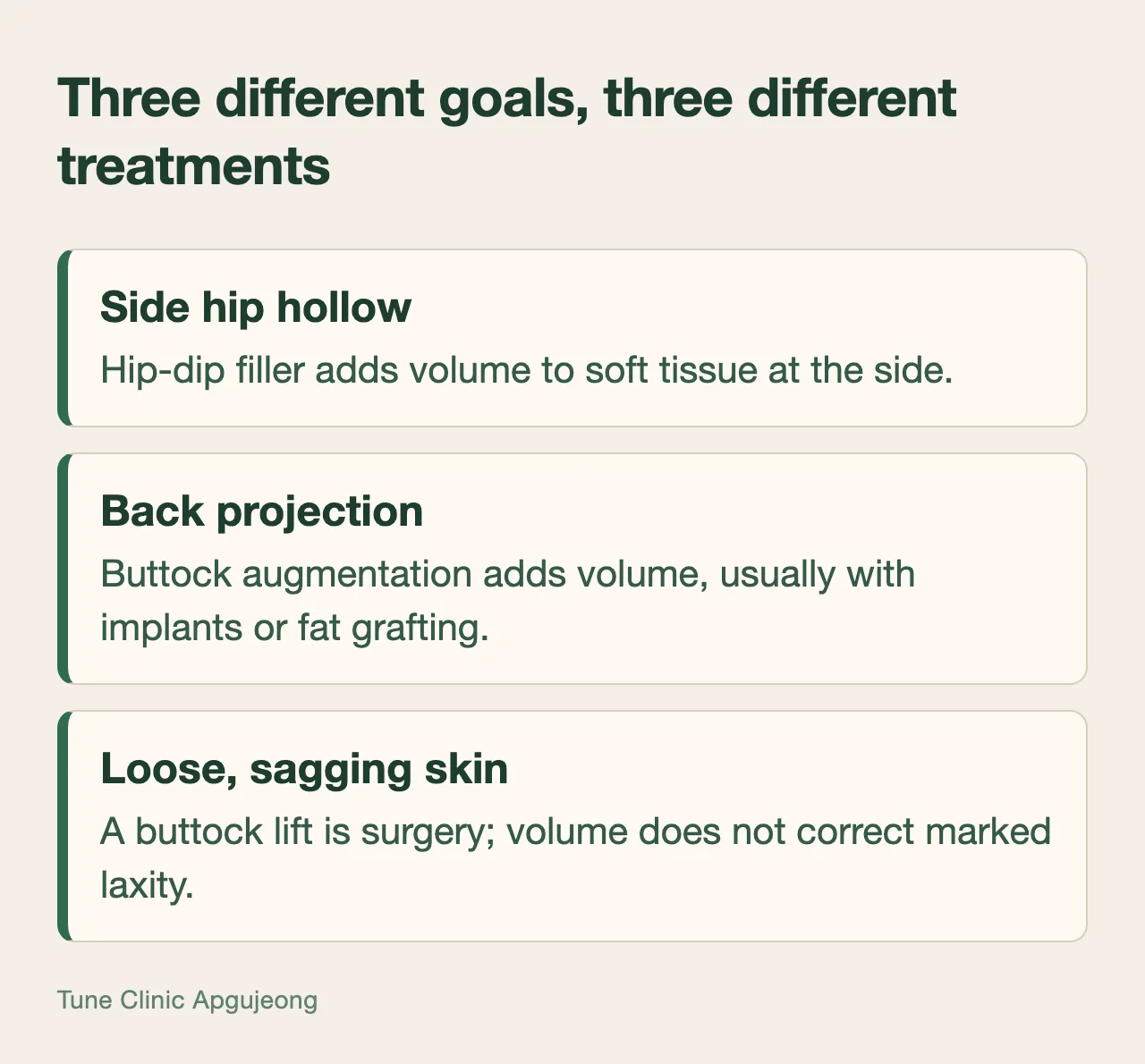
Volume does not correct marked laxity. The hip-dip series excluded people with excessive muscle and skin laxity, so it says nothing about lifting (Hip dips series 2024). If your main concern is loose skin, a filler plan answers a different question from the one you asked.
In my January 2024 post I wrote that the design should consider the whole body line instead of enlarging one part. Naming the goal comes first: a side hollow, projection at the back, or loose skin.
What material would actually be injected?
You cannot know from the treatment name. Hip filler is not always hyaluronic acid (HA). The FDA separates absorbable materials, such as HA, calcium hydroxylapatite and poly-L-lactic acid, from non-absorbable PMMA beads (FDA consumer update). Online discussions often mix these groups, and some call biodegradable collagen stimulators permanent, which is wrong.
| Material group | Absorbed by the body? | Can the HA-dissolving enzyme remove it? |
|---|---|---|
| Hyaluronic acid (HA) | Yes, over time | Yes, with limits (see below) |
| Calcium hydroxylapatite, poly-L-lactic acid | Yes; timing varies by product | No |
| PMMA (permanent) | No | No. Removal may need further procedures |
The material decides which complications are possible and whether removal is realistic (FDA). Being absorbable describes the material. How long a visible change lasts is a separate question, covered below.
Is hip or buttock filler approved in Korea, the US or Europe?
In the United States, no. The FDA has not approved any injectable filler for buttock augmentation or body contouring, and it recommends against these uses (FDA).
In Korea, the regulator stated in March 2019 that no filler was approved for buttock enlargement at that time (MFDS 2019). That is a dated statement, not a 2026 registry check. The current answer depends on the specific product and the intended use listed on its Korean permit. Made in Korea does not mean approved in Korea for this use.
A European CE mark is a conformity marking. It is a separate system from FDA approval, and it applies to a specific model and intended purpose (JCCP guidance). Approval for the face also does not carry over to the body. One Japanese HA label, for example, lists facial volume indications only (PMDA label).
Does skipping surgery make it low risk?
No. A short appointment is not the same as a minor procedure. UK enforcement guidance treats buttock filler as a serious procedure that needs proper professional and premises safeguards (JCCP guidance). The 2023 systematic review recorded minor and major complications, including reports of severe lung injury and death (Systematic review 2023). Studies this small do not establish a reliable population risk of rare serious complications. Any quoted percentage needs its study population, denominator and follow-up period.
Advertising is part of the problem. A UK regulator reviewed 928 paid liquid BBL ads collected in 2025, and only 11.5% of the assessed ads met its social-responsibility rules. Common faults were minimized risk and playing on body insecurity (ASA 2026). England proposed tighter restrictions and opened a consultation in October 2026; these are proposals and are not yet in force (UK DHSC).
Some symptoms should not be treated as routine swelling (FDA; JCCP guidance):
- For difficulty breathing, seek emergency care immediately.
- Unusual or worsening pain, or skin that turns pale, dusky or mottled, needs immediate medical assessment. Do not wait for pain to become severe or for a routine clinic reply.
- Fever, spreading redness or feeling unwell also requires prompt assessment.
Can hip filler cause lumps, migration or delayed problems?
Yes. Possible complications include infection, inflammatory lumps, movement of filler away from the injection site and vascular injury, which happens when filler blocks a blood vessel (FDA; JCCP guidance).
Some reactions can appear months or years later, including after absorbable fillers. With permanent materials, patients ask in particular about late lumps that are hard to remove (RealSelf Q&A). Studies with short follow-up cannot exclude delayed complications.
How strong is the evidence, and how does the 2024 post compare with it?
The evidence is thin, and it does not support several claims in the January 2024 post on this topic.
The 2023 review covers 168 patients in total (Systematic review 2023). The dedicated hip-dip paper is an uncontrolled series of 11 people (Hip dips series 2024). A 2025 prospective study followed 30 women for 12 months, but it was open-label and had manufacturer involvement (Prospective study 2025). These studies show that specific HA products can add volume in selected people. They are too small to measure rare serious events, and they prove nothing about a different product.
In January 2024 I described hip filler as having almost no side effects and said people could return to daily life after a few hours. The systematic review documents minor and major complications, and the hip-dip series reported pain and bruising for two to three days.
I also wrote that the result could be delivered in a single day. Volume is visible at once, but studies assess patients over months.
I listed implants, fat grafting, threads or lasers, and filler as four methods of one kind, and I wrote that filler gives volume and elasticity to a sagging buttock. That grouping mixes volume with laxity and leaves out surgical lifting (ASPS). The evidence does not show that filler restores elasticity.
I compared Asian and Western bodies and described a fuller silhouette as an ideal. No suitable comparative evidence supports the comparison, and this guide repeats neither statement. The post's claims about longer-looking legs and a slimmer-looking waist are impressions that have not been measured as outcomes.
The January 2024 post did not identify the product, the material or its approved use, so the HA studies above are background and do not validate that treatment. This page is not a statement that the treatment from that post is offered today in the same form.
How long does it last, and can it be dissolved?
There is no fixed duration that applies to everyone. The 12-month study found that the HA was absorbed progressively over the year (Prospective study 2025). That does not support a universal expiry date or an automatic top-up schedule. How long a change stays visible and how long the material stays in the tissue are separate questions, and the material group alone answers neither. When a result seems to fade early, it can be swelling settling, absorption, or the product spreading. A photo or a text message cannot tell these apart.
Dissolvable is also not the same as fully reversible. An enzyme can break down HA, but not other materials. Removing filler may need further procedures and carries its own risks (FDA). Dissolving the product does not undo an infection or tissue injury. The sources reviewed here do not establish how often body filler can be completely removed.
Can a package volume tell me how much I need?
No. A package size is a sales unit and does not work as a dose. The amount depends on the target area, the product and your anatomy (Hip dips series 2024). Volumes used in a study protocol cannot be copied to another product or another body.

Two details cause frequent confusion in public threads (Reddit thread). First, cc and mL are the same unit. Second, a quoted amount may be the total for both sides or the amount per side.
Who may not be a good candidate, and what are the alternatives?
The hip-dip series excluded people with excessive skin and muscle laxity, so its findings cannot establish benefit for them (Hip dips series 2024). If loose skin is the main concern, assessment should address laxity separately from volume.
Do not proceed with injection into an infected or inflamed area. Have it assessed and treated first (PMDA label). Disclose previous fillers, implants and allergies so the physician can check product-specific contraindications.
Being too slim for fat transfer does not make filler the right choice by default. A preference for less recovery time does not, by itself, establish that filler is suitable (FDA consumer update). Implants, fat grafting and surgical lifting are options to discuss with a plastic surgeon, each with its own risks (ASPS).
Doing nothing is also a valid option. A hip dip is a normal body contour. A UK parliamentary report describes how social media pressure drives demand for cosmetic procedures (UK Parliament 2026). The decision should start from your own concern, whatever the current trend.
What needs to be arranged before I fly home?
You need a plan for follow-up, because problems can appear after you leave Korea. No validated safe-to-fly interval exists for body filler in the studies reviewed here. Advice on sitting, exercise and sleeping position has to come from the treating physician for your case. Facial filler schedules should not be copied.
Before departure, have these in hand (JCCP guidance):
- a written record of the product, manufacturer, lot number, total volume and injection sites
- written aftercare instructions
- a direct contact route to the treating clinic
- a named doctor or clinic at home who can examine you if a lump, redness or fever develops
General timing advice is in the guide on planning treatment before a flight.
What should I ask at the consultation?
- Which concern are we treating: the side hollow, back projection or loose skin?
- What is the exact product, material and manufacturer, and can I see the box?
- What is this product's approved intended use in Korea, and what is its permit number?
- Is the quoted volume the total for both sides or per side, and what is the left-right split?
- If this is HA, what can dissolving fix, and what can it not fix?
- What would you advise if I chose to do nothing?
Body filler is a decision with real uncertainty. Before deciding, ask who will provide follow-up, how to contact them and where to obtain urgent care. The treating physician is responsible for explaining the material, its approved use, the limits of the evidence and the option of no treatment, and for documenting what was injected. The decision itself belongs to you, and declining or waiting is a reasonable outcome of a consultation.
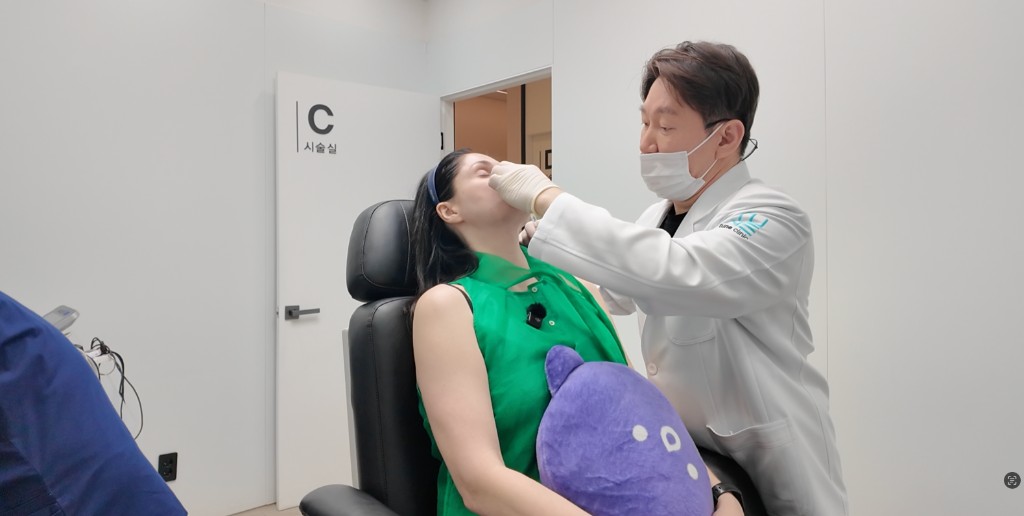
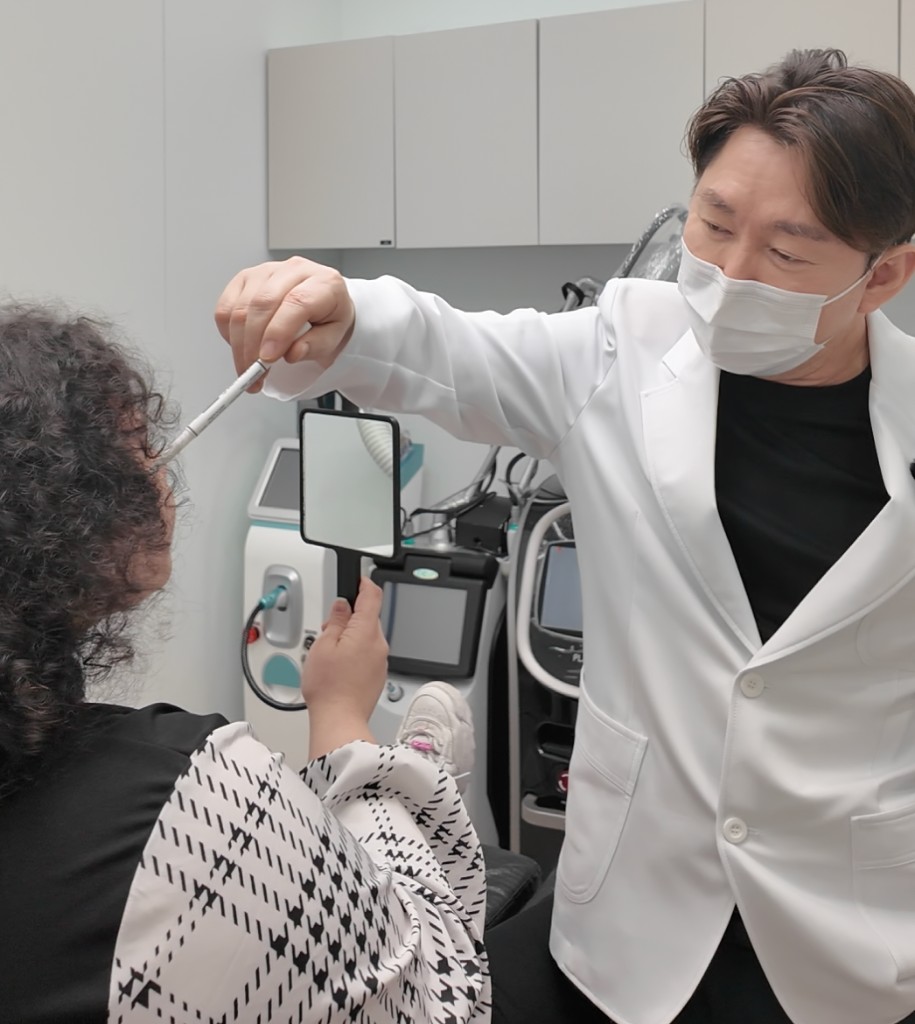
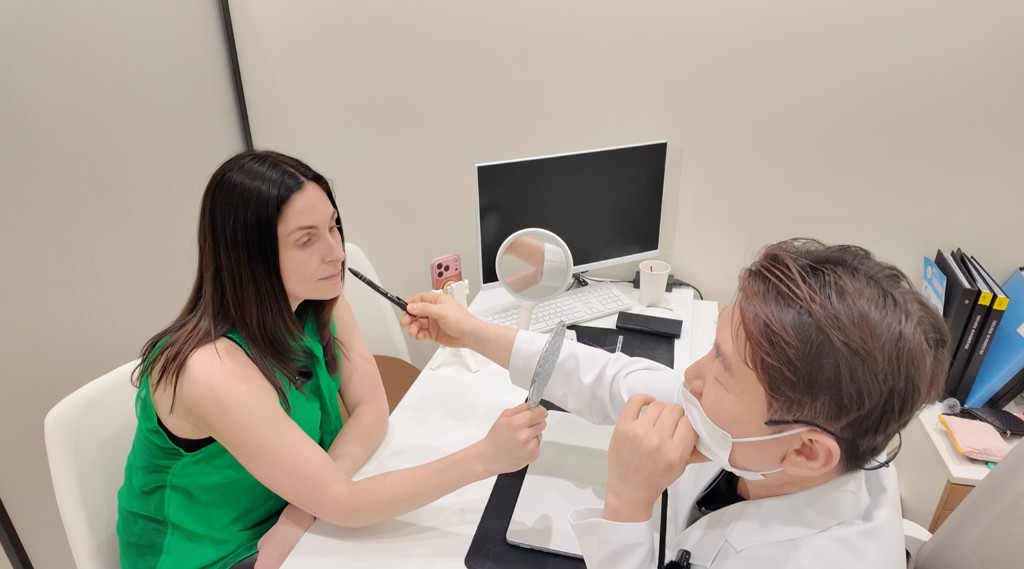
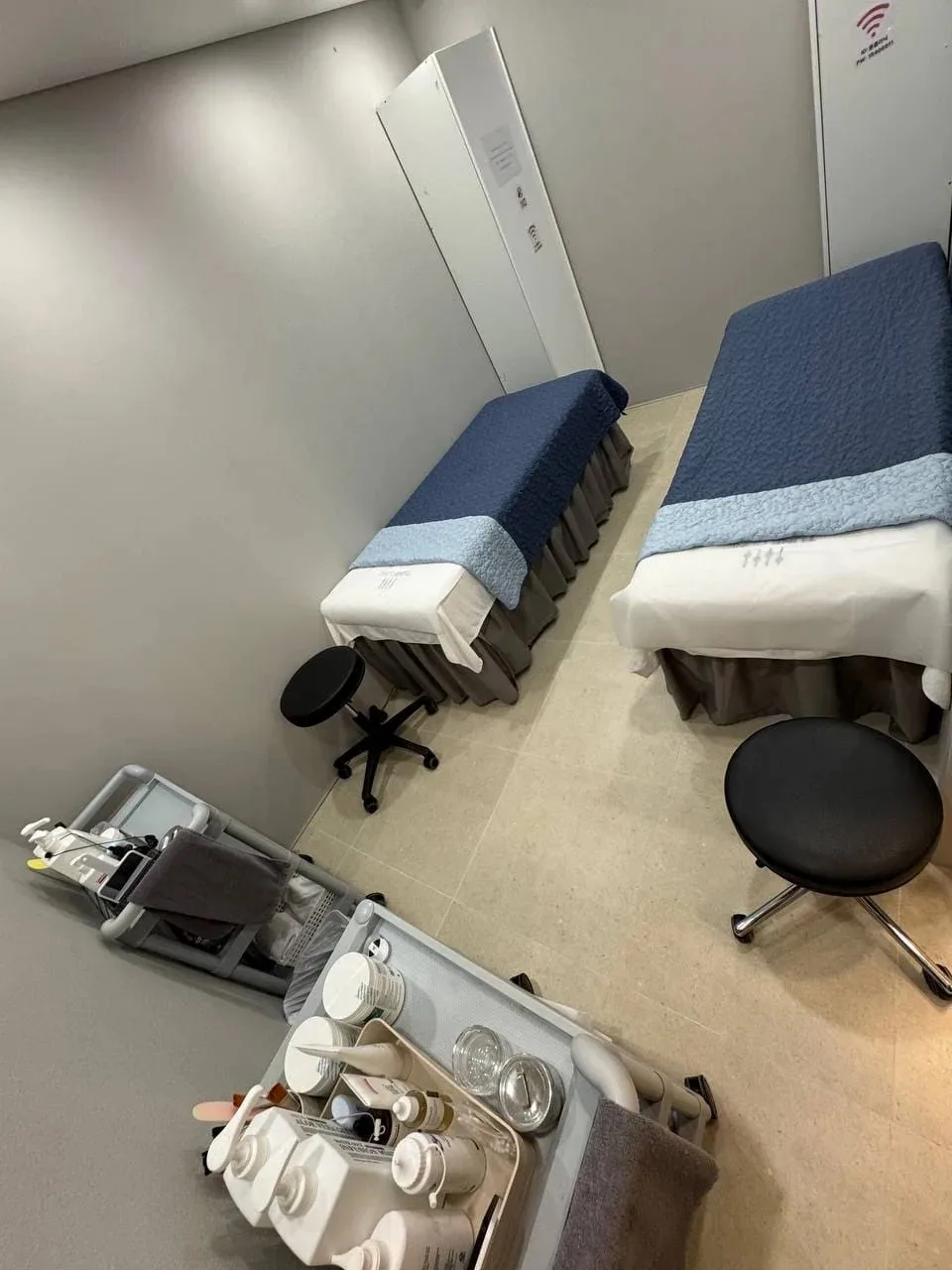
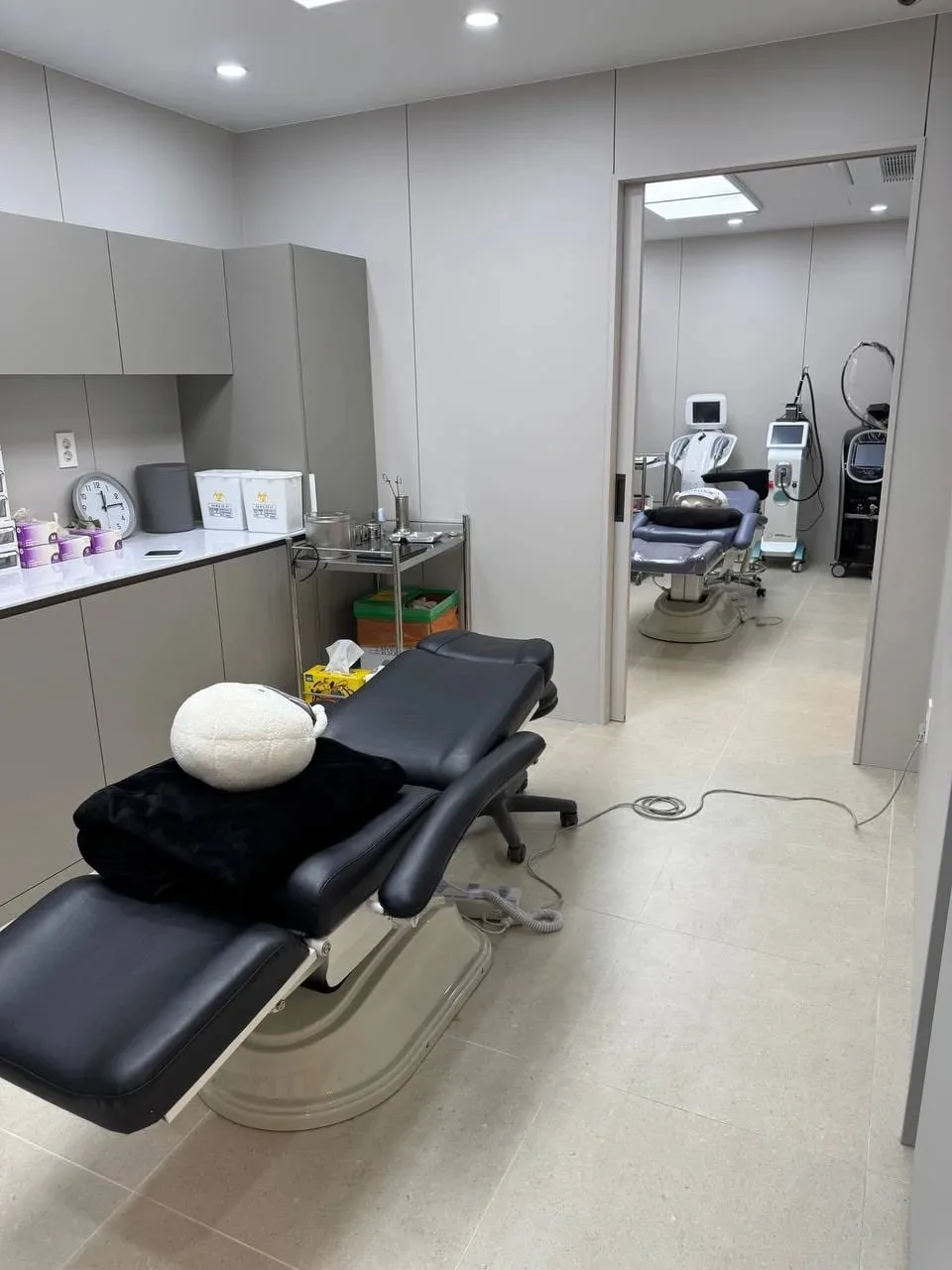
Tune Clinic Apgujeong today: the lobby, waiting areas and treatment rooms where consultations and treatments take place.




Sources
- US Food and Drug Administration. Dermal Fillers (Soft Tissue Fillers). FDA, accessed 2026. No filler is FDA-approved for buttock augmentation or body contouring; complications, delayed reactions, warning signs and limits of removal.
- Effectiveness and Role of Using Hyaluronic Acid Injections for Gluteal Augmentation: A Comprehensive Systematic Review. Aesthetic Plast Surg 2023. Ten articles and 168 patients; limited evidence; reported minor and major complications.
- Hip dips technique: Filling lateral depressions with hyaluronic acid of large particles. Skin Health and Disease 2024. Eleven-patient series; anatomical target; exclusion of marked laxity and local infection; pain and bruising for two to three days.
- Assessment of Hyaluronic Acid Filler in Gluteal Augmentation and Contouring: A 1-Year Prospective Study. Journal of Cosmetic Dermatology 2025. Thirty women followed for 12 months; progressive absorption; open-label with manufacturer involvement.
- American Society of Plastic Surgeons. Buttock Enhancement Risks and Safety. ASPS, accessed 2026. Augmentation versus lifting; implants and fat grafting as surgical options with their own risks.
- Joint Council for Cosmetic Practitioners. Buttock augmentation and other body contouring procedures: enforcement guidance. JCCP 2024. Body filler as a serious procedure; systemic complications; safeguards; conformity marking; limits of facial-use products. UK guidance, not Korean law.
- Advertising Standards Authority. Enforcement Report: Non-surgical liquid Brazilian Butt Lifts. ASA 2026. 928 paid ads reviewed; 11.5% of assessed ads met social-responsibility rules; minimized risk and body insecurity.
- UK Department of Health and Social Care. Cosmetic cowboys crackdown continues with new restrictions. GOV.UK 2026. October 2026 proposals and consultation on high-risk cosmetic procedures; not yet enacted.
- Ministry of Food and Drug Safety. Precautions for cosmetic filler procedures. Korea Policy Briefing 2019. March 2019 statement that no filler was approved for buttock enlargement at that time; check approved intended use.
- RealSelf. Would Bellafill be a good option to fill in my hip dips? RealSelf Q&A. Patient questions about permanent filler, delayed lumps and removal; used for the questions only.
- UK House of Commons Women and Equalities Committee. Cosmetic procedures: Eleventh Report of Session 2024-26. UK Parliament 2026. Social-media pressure and cosmetic tourism.
- Reddit r/KoreaSeoulBeauty. Anyone else tried hip dip filler? My experience. Reddit 2026. Public questions about material, volume and per-side amounts; no outcome claims used.
- US Food and Drug Administration. Dermal Filler Do's and Don'ts for Wrinkles, Lips and More. FDA, accessed 2026. Material categories, professional assessment and body-contouring warnings.
- PMDA. Juvederm Vista Voluma XC package insert, approval 22800BZX00338000. PMDA 2023. Example of a label limited to facial volume indications; prohibits injection into infected or inflamed sites.