The question behind the question
Filler may be considered for an assessed volume or contour concern. Laxity, skin quality, previous filler and the patient’s goals need separate review; the appropriate plan may involve another approach or no injection.
Patients considering filler in Seoul rarely come in asking "Is this the right treatment for me?" They come in having already decided they want filler — and asking something more concrete: which product, which area, how much.
That framing is understandable. Filler is the most widely known, most accessible, and most discussed aesthetic injectable. Its results are visible, its effects are relatively immediate, and for certain faces at certain stages of aging, it is genuinely the right answer.
But for a meaningful percentage of patients who walk in wanting filler, it is not the right answer. And for a smaller but important subset, adding more filler to what has already been placed is actively working against them.
This article is an attempt to think through all three cases honestly — where filler genuinely earns its role, where it is being asked to do something it cannot do well, and where the structural picture calls for a different approach entirely.
What does filler actually do?
Before the question of when to use it, the question of what it does.
Dermal filler is a volume agent. When placed correctly in the right tissue plane, it adds support and projection to areas that have lost them. It can soften a deep static fold by creating a cushion of material beneath it. It can restore the convex curve of a cheek that has deflated. It can rebuild a small structural deficit at the chin or jawline that is disrupting facial proportion.
The key word in all of those descriptions is volume loss. Filler works as a restorative tool when the primary underlying problem is that tissue — fat, bone — has genuinely diminished, and the surface consequence of that loss is what the patient wants to address.
When the problem is not volume loss but position change — tissue that has descended rather than disappeared — filler operates on different logic. And when that distinction is missed, the outcome follows predictably.
When is filler genuinely the right tool?
Three categories where filler is doing what it is best suited to do:
True volume loss in the mid-face. The cheeks naturally lose fat volume through the third and fourth decades — the suborbicularis oculi fat compartment, the deep medial cheek fat. The result is a hollowing that flattens the face and creates the impression of fatigue or gauntness rather than simply of age. In these cases, carefully placed filler in the appropriate depth plane directly addresses the structural cause. The result, when done with restraint, is a restoration of the face's original geometry — not an enlargement of it.
Deep static folds that are primarily structural. The nasolabial fold deepens partly because of mid-face descent, but also partly because of true volume deficit in the tissues immediately around it. In patients where the fold is deep and static — present even at rest, not primarily a consequence of dynamic movement — filler placed with careful attention to depth can soften the fold without distorting the anatomy around it.
Targeted structural support at the chin or jawline. Small projections of the chin, minor recessions of the jaw angle, subtle asymmetries in chin position — these are architectural questions. For patients where the structural deficit is modest and well-defined, precise filler placement can rebalance proportion without requiring surgical intervention.
These examples illustrate possible treatment goals, not automatic indications. The appropriate product, amount and technique require individual assessment.
Where filler over-promises
The more common error — and the harder one to discuss with patients who have arrived wanting filler — is not that filler will cause harm, but that it will not accomplish what the patient actually needs.
Jowl laxity and mid-face changes. Ask whether the main concern is tissue position, volume, skin quality or a combination. Adding filler should not be assumed to address every form of sagging.
For patients in this category, the appropriate conversation is about lifting — either focused ultrasound (HIFU), radiofrequency lifting, or thread lifting depending on the degree of laxity and the tissue quality. Signature Lifting at Tune Clinic begins precisely with this distinction: whether the primary issue is descent or deflation, because the treatment approach that follows is entirely different. The detailed comparison of lifting modalities is covered in Lifting Devices Compared.
Temple hollowing. The cause and treatment options need assessment. A visible hollow alone does not establish whether filler, another approach or no procedure is appropriate.
Tear trough and lower-lid concerns. Skin quality, swelling, previous filler and the local anatomy require careful assessment. Ask about limitations and alternatives rather than assuming filler will improve the area.
When does filler actively make things worse?
This is the category that deserves the most direct treatment, because it describes a pattern that is becoming more visible in aesthetic medicine — and that is more difficult to address the further along it has gone.
The cumulative overfill pattern. Each treatment of filler looks acceptable at the time. The next treatment, placed to "refresh" the result, adds to what remains from the last. Over several years, the total volume of filler in the face substantially exceeds what anatomy supported in the patient's youth. The face becomes convex where it was once subtly concave. The transition zones between areas — the boundary between cheek and temple, between cheek and lower lid, between cheek and nasolabial fold — become blurred. Specific structural features that defined the face's original character flatten into a general roundness.
An overfilled or puffy appearance cannot be diagnosed from the number of previous appointments alone. Review the products, areas, amounts and timing with a clinician before deciding whether more treatment is appropriate.
Persistent puffiness or an unwanted contour. These findings need assessment rather than a presumed explanation about ligament damage or lymphatic disruption. Bring the details of previous treatment and ask what would clarify the cause.
The structural reset approach at Tune Clinic addresses exactly this situation — patients who have arrived at a point where more is not the answer and who need a thoughtful reassessment of what has been placed and what direction makes sense from here.
For the specific anatomy of filler complications and why product choice and placement depth matter, Filler Vascular Occlusion Explained and Why Filler Fears Are Outdated together give a full picture of both the real risks and the real reassurances.
The Korean restraint approach in context
When comparing filler plans, ask how the clinician chose the product and amount and what would lead them to recommend less, wait or use another approach. Price or clinic format alone does not establish that reasoning.
At consultation, the intended amount should follow the assessed concern and agreed goal. A national style or a claim of restraint does not by itself establish suitability or the eventual result.
This is directly related to the aging structural change understanding that should precede any volume decision: the face ages through multiple simultaneous mechanisms, and volume restoration is one response to one subset of those mechanisms. It is not the universal answer.
How to think about your own case
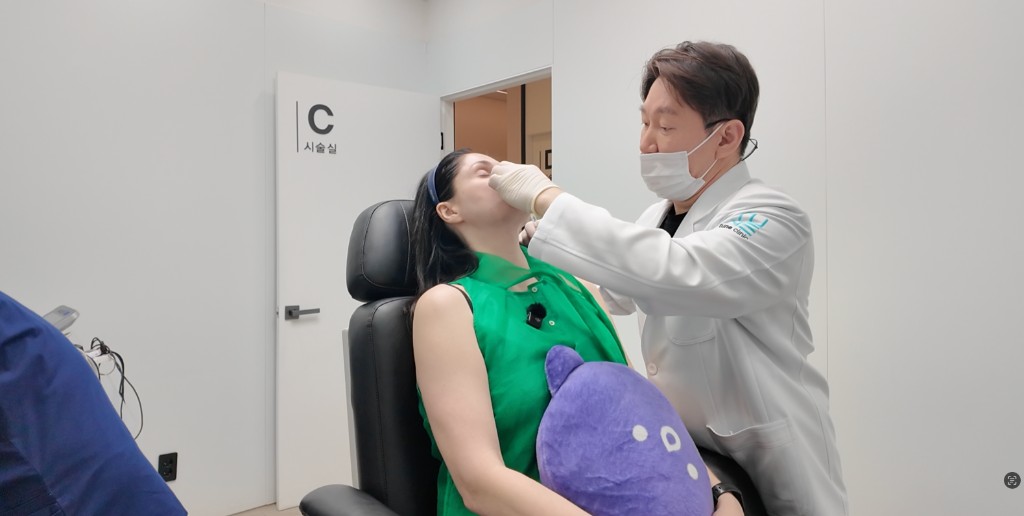
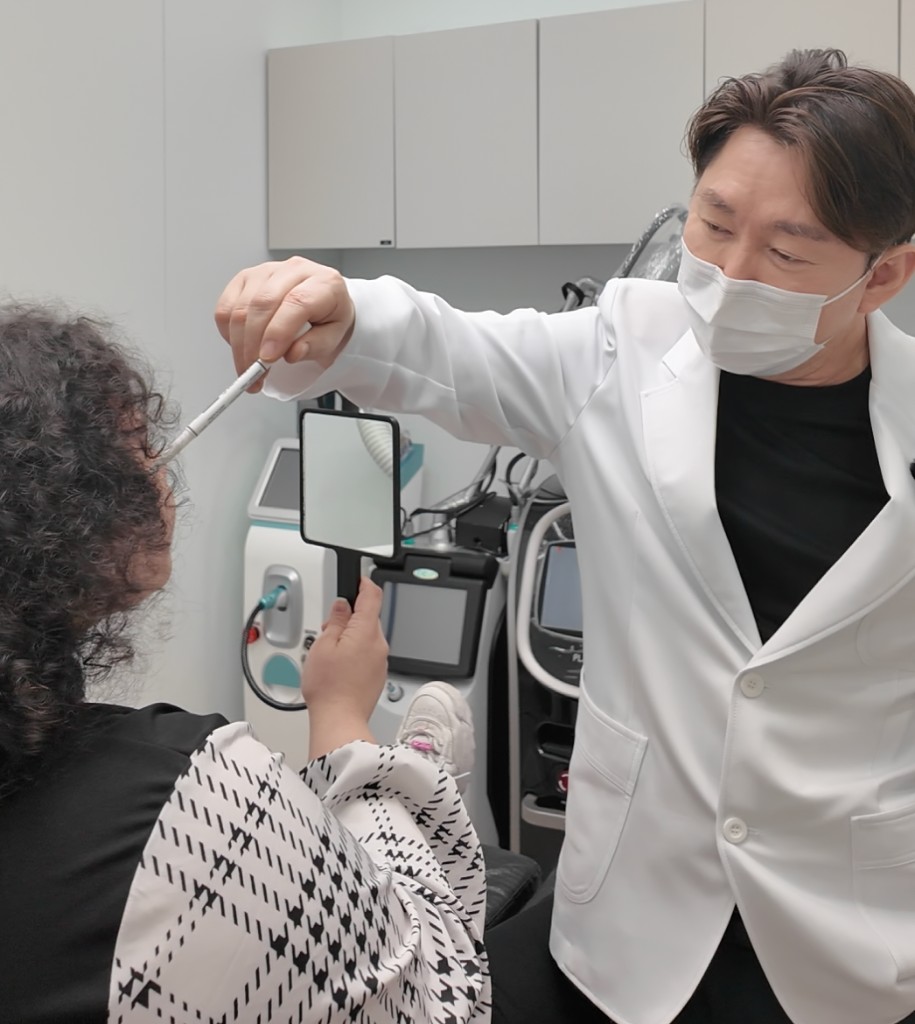
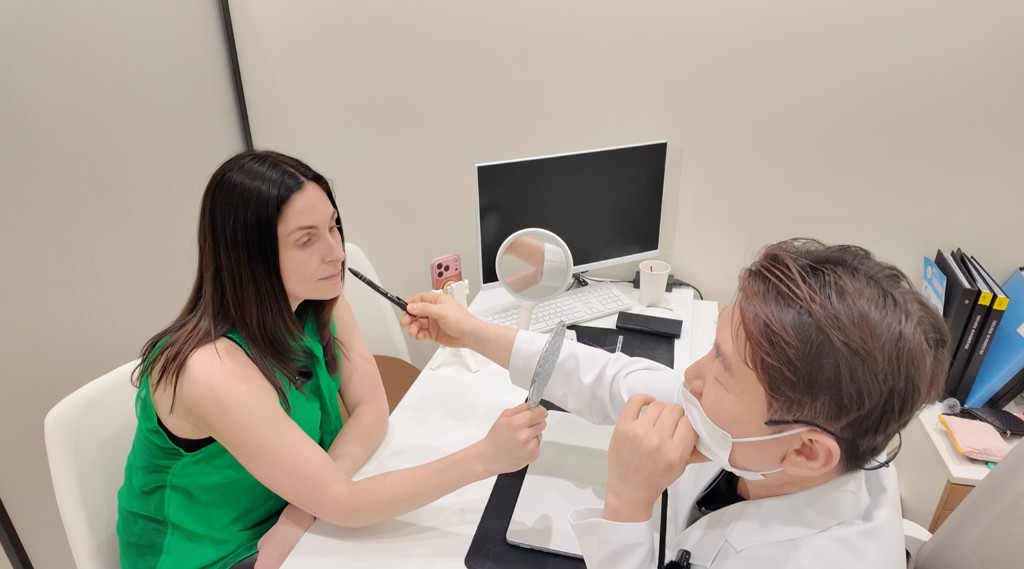
The honest answer to "should I get filler?" cannot come from a blog post. It requires looking at the actual anatomy — where the deficit is, what the tissue quality is, whether the problem is volume, position, or skin quality, and what the patient's history with previous treatment has been.
What this article can offer is a framework for the questions worth asking before that consultation:
- Is my primary complaint about volume loss (hollowness, gauntness), or about descent (jowl, heavy lower face)?
- Have I already had filler placed? Is there a chance that the current appearance reflects accumulated volume rather than a new deficit?
- Has my physician explicitly distinguished between whether I need volume or lift — or did the plan go directly to filler without that framing?
These questions are not rhetorical. They reflect the reasoning behind how we approach treatment planning through the Tunemaka-se design method and what you will find in the dermal fillers in Korea guide and the filler Tunemaka-se protocol.
For patients whose history involves substantial prior filler treatment and who are sensing that the direction has drifted from what they originally wanted, the most useful first step is a structural reassessment rather than another cycle of product. For patients with clean anatomy and a clearly identified volume deficit, filler in the right hands and the right dose remains one of the most effective tools in aesthetic medicine.
Knowing which situation you are in is the job of the consultation. An imaging-and-dissection study of deep facial fat compartments helps explain why depth and anatomy matter, but it does not prove that filler or lifting should always come first for an individual patient.
FAQ
Can filler be dissolved if I've had too much placed over the years?
If you are concerned about previous filler, first establish what was used and assess the area. Hyaluronic-acid filler may be treated with hyaluronidase when appropriate, but further treatment has its own risks and limitations and does not guarantee restoration of the starting appearance.
How long does dermal filler last in the face?
Longevity varies by product, area and individual response. An appearance that persists beyond an expected interval does not by itself diagnose buildup; discuss previous treatment before deciding to add or remove product.
Should I do filler or lifting first if I need both?
There is no universal filler-first or lifting-first order. The sequence depends on the assessed concern, previous treatment, proposed procedures and response, and may involve staging or deferral.
Can the pillow face look be fixed, or is it permanent?
An unwanted contour may be amenable to further care, but that requires assessment of what was used and what is causing the appearance. Correction is not guaranteed, and additional treatment should not be planned from a presumed mechanism alone.
Is filler safe, and what are the real risks?
Filler is a widely used tool with a well-characterized risk profile, but it is not risk-free, and the most serious complication is vascular occlusion, where product compromises a blood vessel. The likelihood of problems is closely tied to product selection and the depth and precision of placement, which is why anatomy and injector experience matter more than the product name. A careful consultation that weighs your tissue quality and treatment history is the most meaningful safeguard.
This article is intended for educational purposes for patients considering filler or lifting procedures. It is not a treatment guide and does not replace direct physician consultation. Suitability for any specific treatment depends on individual anatomy, treatment history, and current tissue condition.
Ready to plan your treatment?
Tune Clinic Apgujeong offers English-language consultations with Dr. Ju and Dr. Cha — a structured assessment, not a sales call.
→ Book an appointment to pick a time that fits your Seoul itinerary.
→ Message us on WhatsApp to ask in English before you commit.