
In Korea, "genuine product, full dose" (정품 정량) means two separate things: the product is the authentic one that was named, and the amount given is the amount that was agreed and recorded. It does not mean a whole vial or the largest possible amount. Before treatment, match the exact product, the planned quantity and the treatment plan. Afterward, ask for a record showing the same details, and pause elective treatment if a gap stays unexplained.
A visitor sits in a consultation room in Seoul. There is a sealed box on the tray, a certificate folder on the desk and a number written on the consultation sheet. This scene is a composite built from questions people commonly post before a trip, and it is not a real patient. Each item looks reassuring, yet each one answers a different question. This guide takes them one at a time.
Questions and answers
What do "genuine product" and "full dose" actually mean in Korea?
Genuine (정품) is about identity: the product is what the label says and comes from the real manufacturer. Full dose (정량) is about amount: what was given matches what was planned and written down. A third question sits apart from both: whether this treatment suits your face at all.
The English wording can mislead. 정량 is closer to the stated quantity. It does not set a maximum, and it does not mean a container must be emptied into one patient. Amounts are also measured differently by treatment type. Toxin is measured in units that are specific to each preparation (prescribing information). Skin boosters are measured in volume. Energy devices are described by settings and treatment lines.
What should I ask to see before treatment?
Ask to see the exact product or device, its readable identifiers and the amount planned for you. For an injectable, that means the product name, lot number and expiry date on the package. Regulators advise checking batch details because counterfeit packaging has been found that closely resembles the real thing (TGA, FDA).

Then compare what you see with the consultation sheet. The product on the tray should be the product on the sheet, and the quantity should be written in the right measure for that product. This checklist is a practical framework drawn from labeling and regulator advice. It is not a validated test for fraud.
What can a QR code or certificate prove?
A manufacturer code or certificate can support the identity of a package. It cannot show how much went into your skin or how the product was stored. Rejuran is a useful example: the manufacturer describes a DOT Check, a QR check and NFC tagging for its packages (PharmaResearch). Use the method printed for the actual product in front of you, because methods differ by product and market.
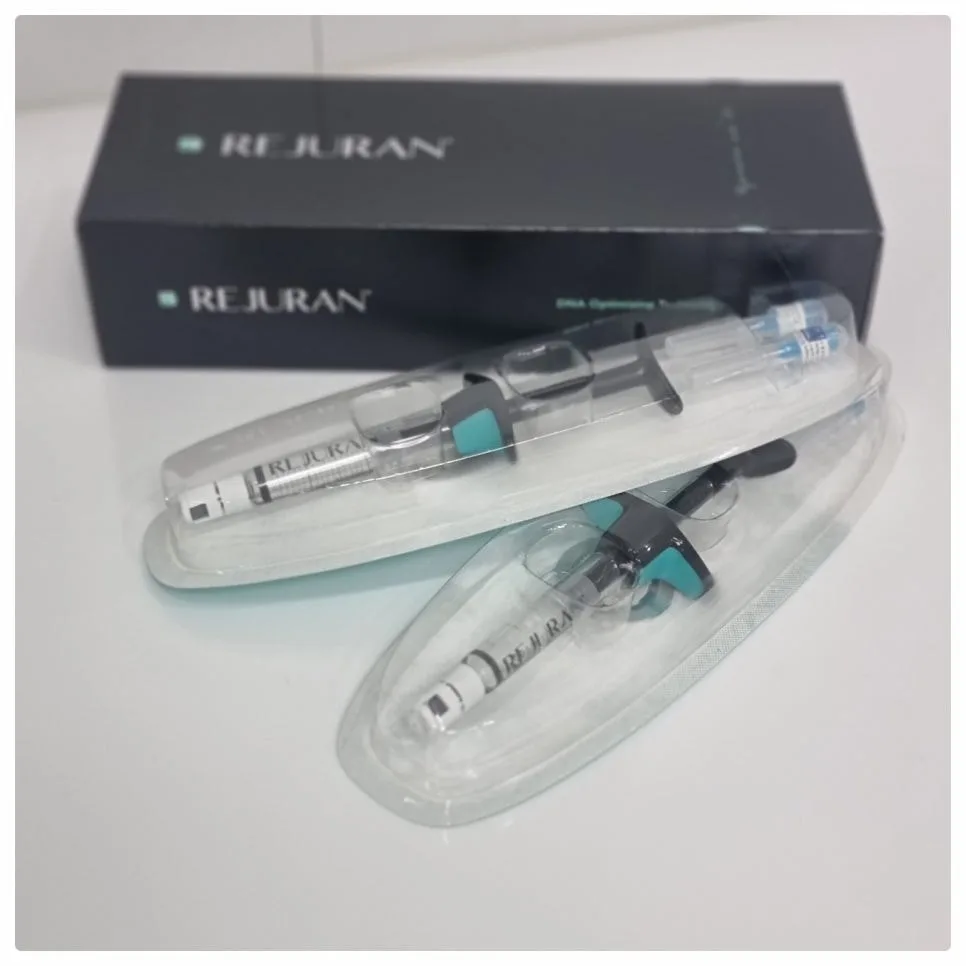
People planning trips ask whether watching a box being opened is enough (Reddit). It helps, but it does not link that package to your treatment. Ask for the package identifiers to be recorded alongside the treatment details.
| Check | What it can show | What it cannot show |
|---|---|---|
| Sealed package opened in front of you | The package was unopened at that moment | That the contents are authentic, or the amount you received |
| Manufacturer QR, NFC or label check | The package matches the manufacturer's system | Storage history, or the amount administered |
| Certificate or clinic badge | A relationship with a manufacturer, depending on who issued it | Government approval of the clinic, or your own dose |
| Written treatment record | What the clinic reports it used: product, lot, expiry, amount and areas | Independent proof of delivery, or whether the treatment was the right choice for you |
Does adding saline mean my toxin was watered down?
Not necessarily. Powder formulations of botulinum toxin must be reconstituted before injection with the diluent specified in their prescribing information, so added saline alone does not establish underdosing. Preparation must follow the instructions for the exact product. The prescribing information for the reference product also states that its potency units are specific to that preparation and cannot be swapped with units of other toxin products (prescribing information).
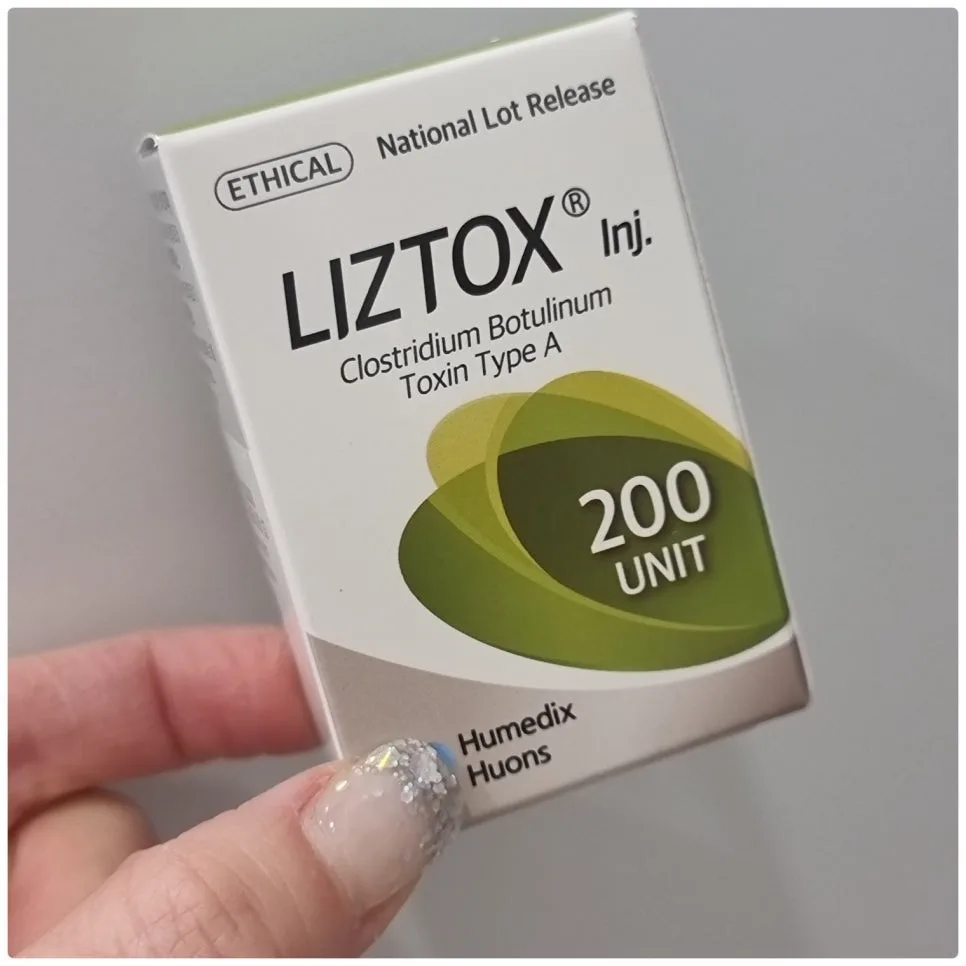
So the dose is the number of units delivered. A milliliter is a volume and says nothing about dose unless you know how many units are in it. The confusion is old and still active online (RealSelf, Reddit). A shorter effect or some remaining movement does not prove a fake product or an underdose, since other explanations exist. Ask how many units were planned per area, and of which preparation. Area-by-area amounts are covered in the dosing guide.
Does a full syringe mean the same amount of product everywhere?
No. A syringe can hold original product alone or original product plus added liquid. Travelers ask clinics to translate quoted milliliters into original containers for this reason (Reddit). A larger final volume does not have to contain more of the original material.
There is no universal full-face volume. Preparation instructions depend on the exact formulation, so ask the clinician to explain what the label says the container holds, what was added and how much original material is in your planned treatment.
Must every device tip be new, and do more shots mean better treatment?
Not always, and no. Korean booking platforms advertise genuine tips, unboxing and shot counts (platform listings). These features alone cannot establish treatment quality.
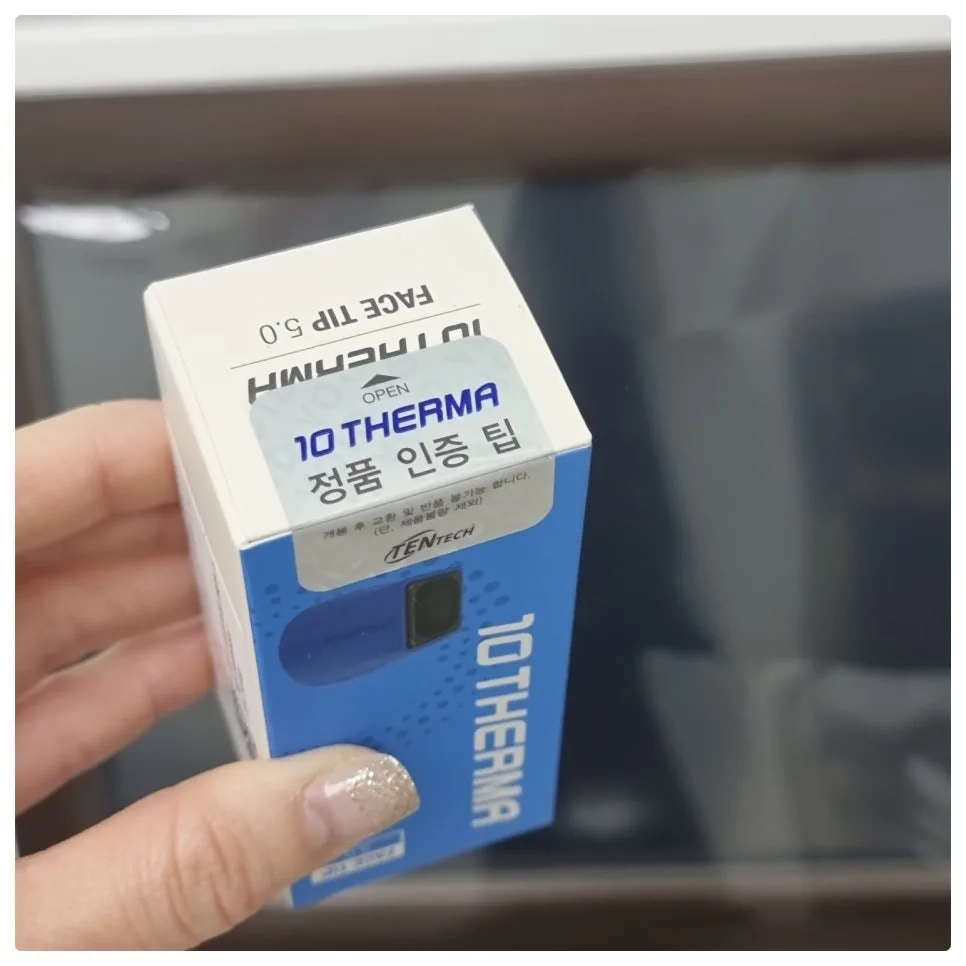
The rules for consumables depend on the device. The Ultherapy instructions require the transducer to be cleaned and disinfected between patients using the specified procedure, so a transducer that has been used before is not by itself a warning sign for that device (Ulthera IFU). In contrast, the 10THERMA tips shown below are described as single-use and disposable in the device's FDA submission (FDA K232992). Each consumable has its own instructions.
A count also leaves out most of the plan. The Ultherapy instructions set treatment parameters and technique, which matter beyond the number of lines (Ulthera IFU). Ask what the count covers, at which depths and in which areas. The Ultherapy guide explains this in more detail.
Are counterfeit injectables still a real problem?
Yes, in the markets where regulators have reported them. In November 2025 the FDA sent 18 warning letters over illegally marketed botulinum toxin products in the United States (FDA). Australia's regulator reported counterfeit vials in 2025 (TGA). The UK Health Security Agency reported 41 confirmed cases of botulism linked to cosmetic injections in its August 2025 update, with evidence pointing to an unlicensed product (UKHSA). Dermatology societies have raised the same concern (AAD).
These reports describe their own countries. They do not measure risk in Korean clinics, and Korean-language labeling on a product sold in Korea is not a sign of a fake. They do show that genuine manufacture, lawful supply and correct handling are separate questions.
Does genuine also mean approved in my country?
No. Authenticity and authorization are separate, and authorization is specific to each country and each use. TenTherma shows why wording matters. The device has FDA 510(k) clearance, and the stated indication is electrocoagulation and hemostasis in dermatologic and general surgical procedures (FDA K232992). That record does not support calling it FDA-approved for facial lifting.
Rejuran was reported in 2014 as authorized in Korea as a medical device (2014 authorization report). That report does not establish the current status of each variant, or its status in any other country. A CE mark is a conformity marking and not a blanket approval by an EU authority (European Commission). If status at home matters to you, ask about the exact product, variant and intended use, and check with your own country's regulator.
Does an authenticated skin booster have strong evidence behind it?
Not automatically. Evidence is a separate assessment from authenticity. A 2025 systematic review of polynucleotides in aesthetic medicine describes the results as promising but limited and calls for stronger studies (systematic review).
In September 2026, Korean news returned to the 2016 retraction of an early Rejuran-related trial (September 2026 report). The retraction notice gives the reason as incorrect funding and conflict-of-interest disclosures (retraction notice). That removes the trial as supporting evidence. It does not show that every polynucleotide treatment fails. A different paper comparing polycaprolactone and polynucleotide fillers was retracted in 2026 because the comparator material was misidentified (2026 retraction). The two notices are easy to confuse.
Exosome and baby injection labels need more care. These names do not tell you the contents, the route or the legal category. The FDA states that no exosome products are FDA-approved (FDA). Korean status depends on the actual product and how it is used, and a product sold as a cosmetic is not thereby authorized for injection. What polynucleotides are used for is covered in the Rejuran guide.
What did the 2023 post say, and what does the evidence add?
When I wrote about this in December 2023, I said that our clinic treats with genuine products in the stated quantity and that patients can check the product and the amount. The post gave no quantities, no records and no explanation of what to check. This guide supplies that explanation.
I called Ultherapy and TenTherma lasers in that post. Ultherapy uses ultrasound (Ulthera IFU), and TenTherma is a monopolar radiofrequency device (Tentech). The accurate term is energy-based devices.
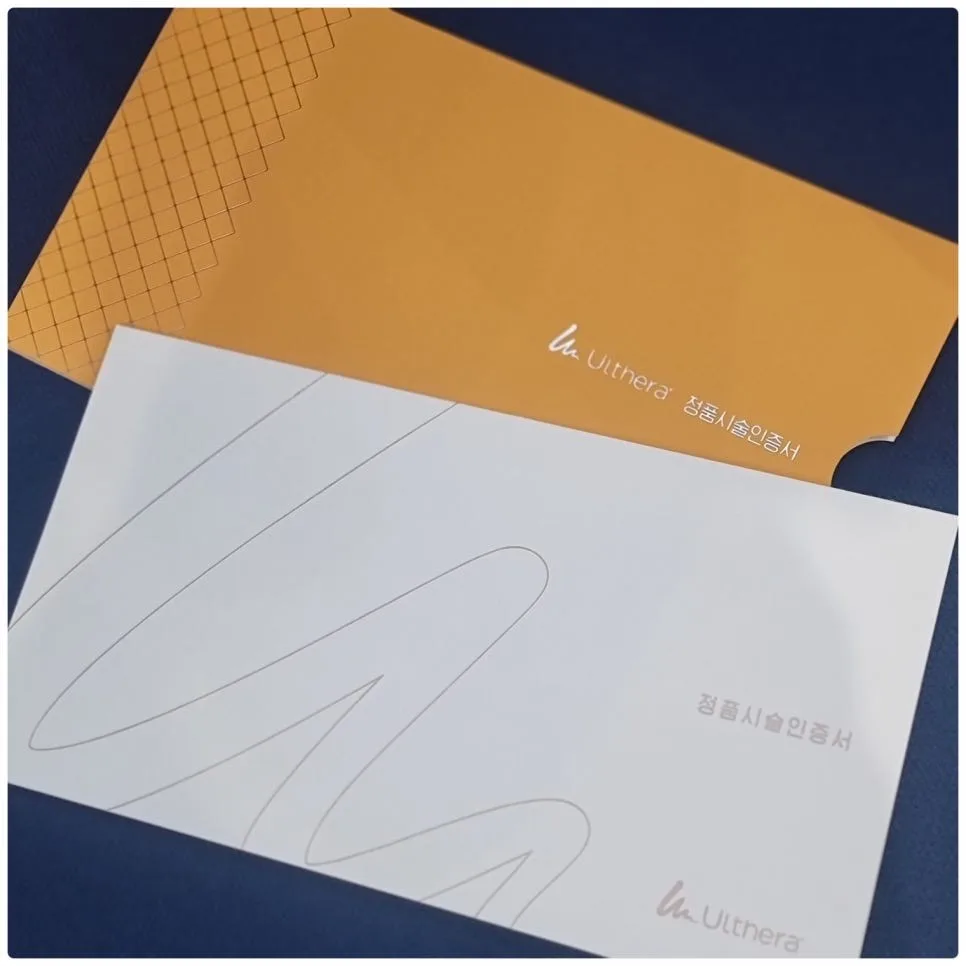
I also wrote that patients could collect a certificate after those two device treatments. A certificate is only as useful as its details, so ask who issued it, what it covers and how it connects to your own session.
I listed exosomes and baby injections among the treatments our bridal patients preferred most. Popularity is not evidence that a treatment suits you. This guide omits the specialist-hospital wording and the popularity claims from that post, because neither was backed by evidence. A tag on the post used the word painless for a skin-booster treatment. That tag should not be read as a guarantee, since discomfort varies from person to person. An authentic product also does not remove clinical risk.
What should I take home, and when should I seek help?
Take home a written record that a doctor in your own country could read. It should list:
- the product or device name
- the lot number and expiry date, for injectables
- the amount given, in units for toxin and in volume for other injectables
- the device settings and count, for energy devices
- the areas treated, the date and a contact for follow-up
Before treatment, ask who will answer follow-up questions and how to contact them after you return home.
After toxin treatment, difficulty swallowing, speaking or breathing needs urgent medical attention, wherever you are (prescribing information, UKHSA). Go to local emergency care first and bring your record. Contact the treating clinic after that.
What questions should I bring to my consultation?
- Which exact product or device will be used, and can I see the name, lot number and expiry date?
- How is the amount measured for this treatment, and what amount is planned for me?
- Was anything added to the product, and how much original material will I receive?
- If there is a certificate or code, who issued it and what does it cover?
- Is this product authorized in Korea for this use, and what is its status in my home country?
- For this device, which parts are single-use and which are cleaned and disinfected between patients?
Checking a box and a number is a reasonable thing to do, and a clinic should make it easy. Packaging checks can support identification, and a treatment record documents the reported amount administered. Neither independently proves authenticity or delivery, and neither tells you whether the treatment is right for you. That judgment belongs to the consultation. The doctor's responsibility is to explain the product, the planned amount and the reasons for the plan, to answer these questions plainly and to put the details in writing. The decision is yours to make with that information in hand, including the decision to wait.
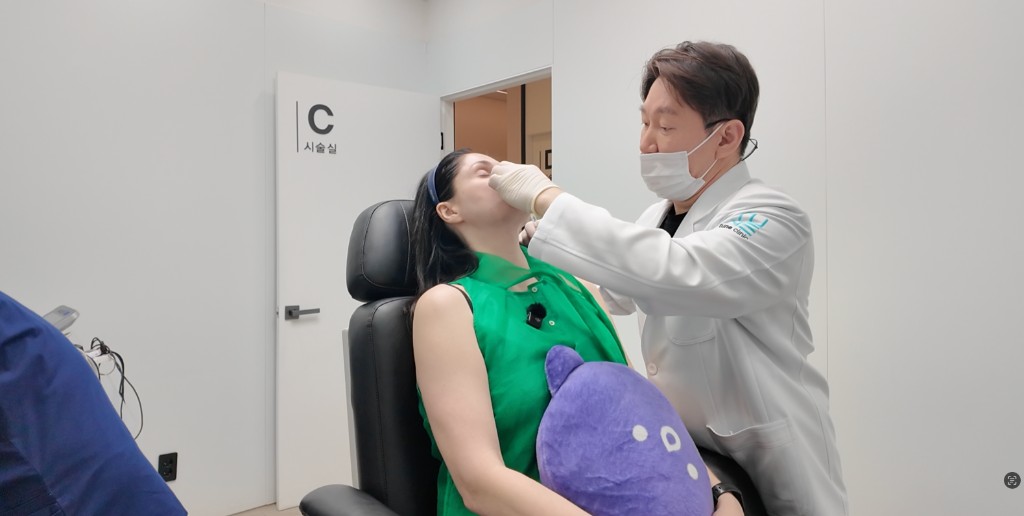
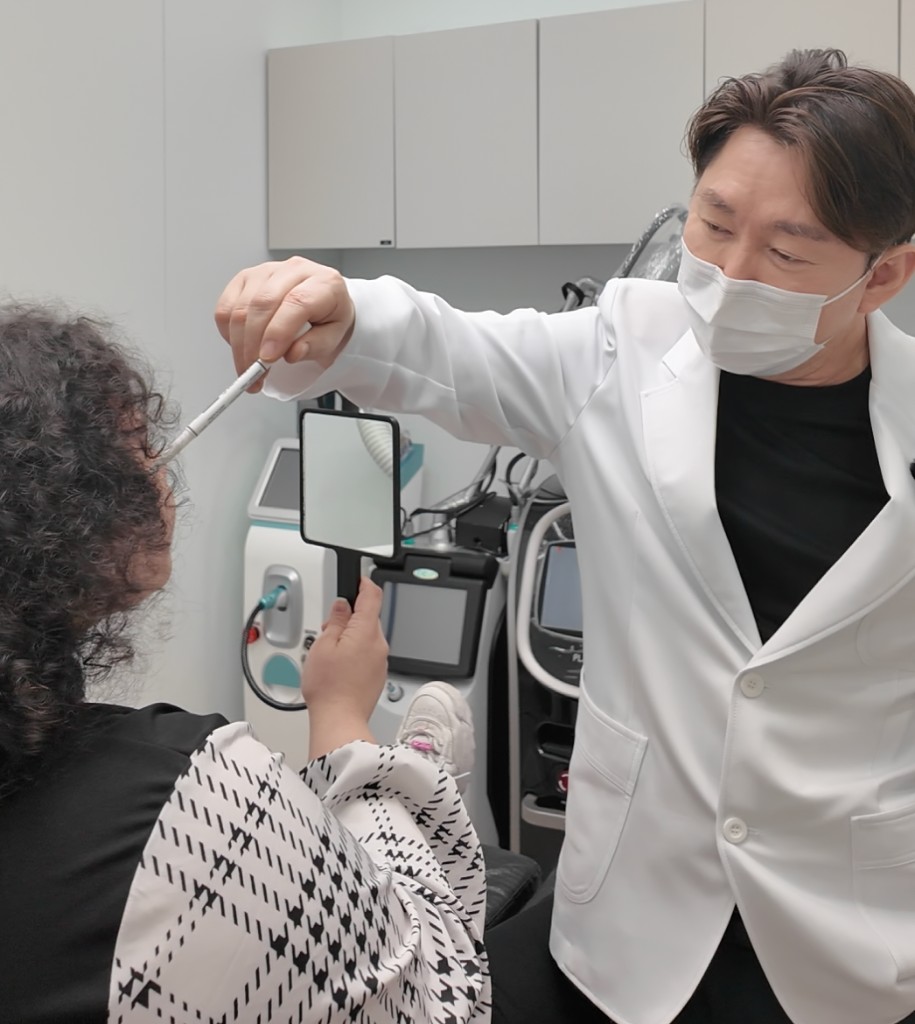
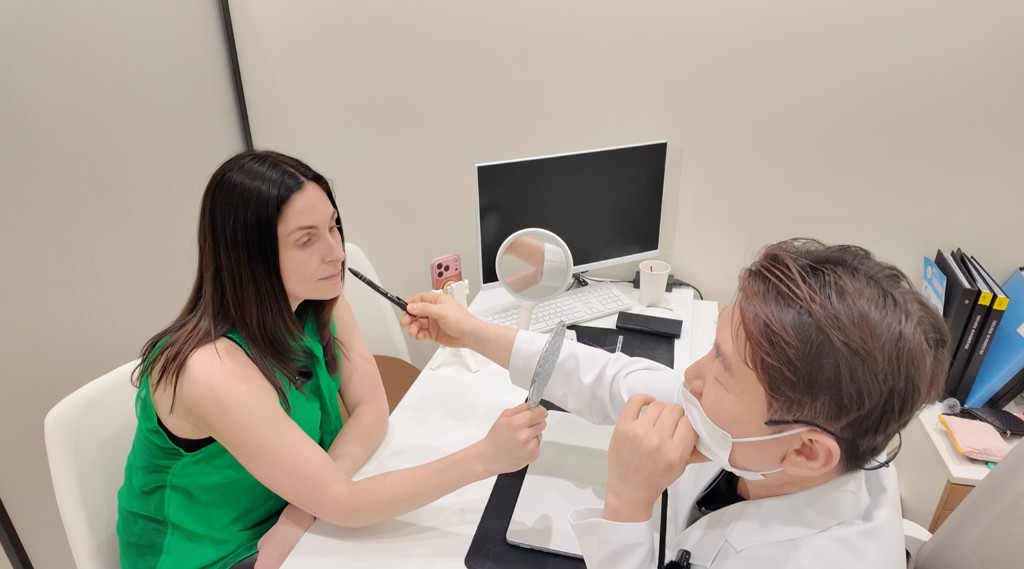
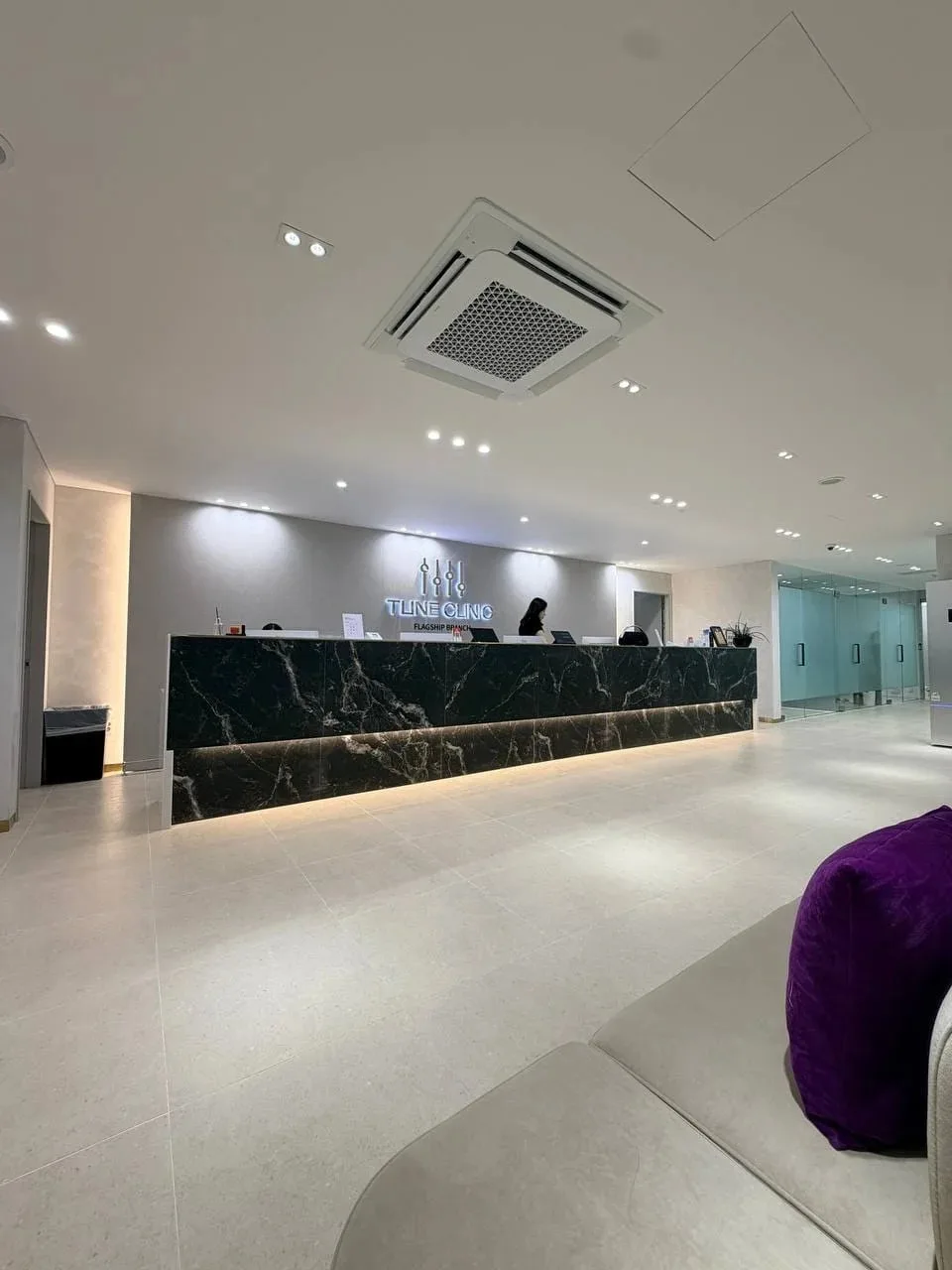
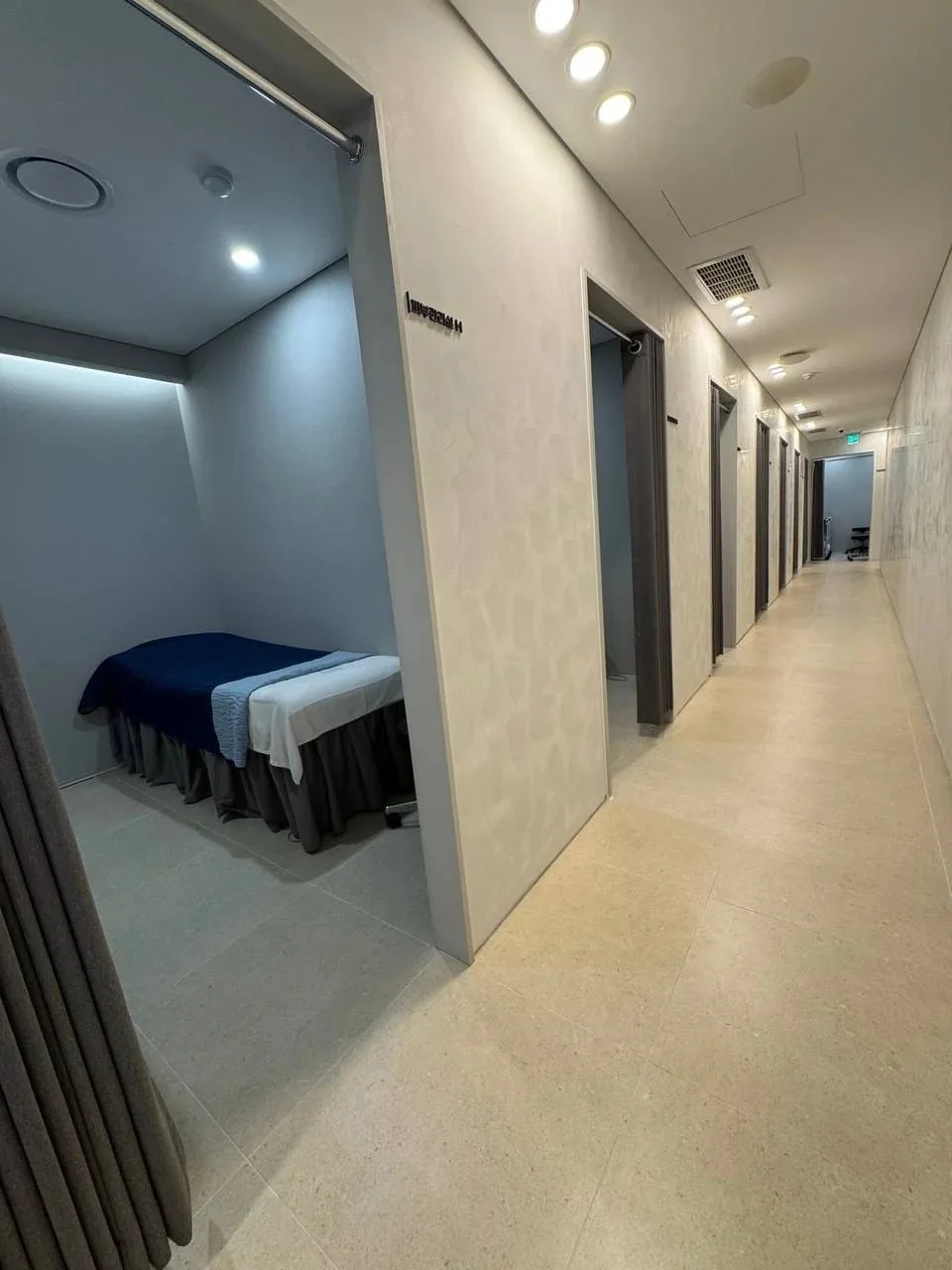
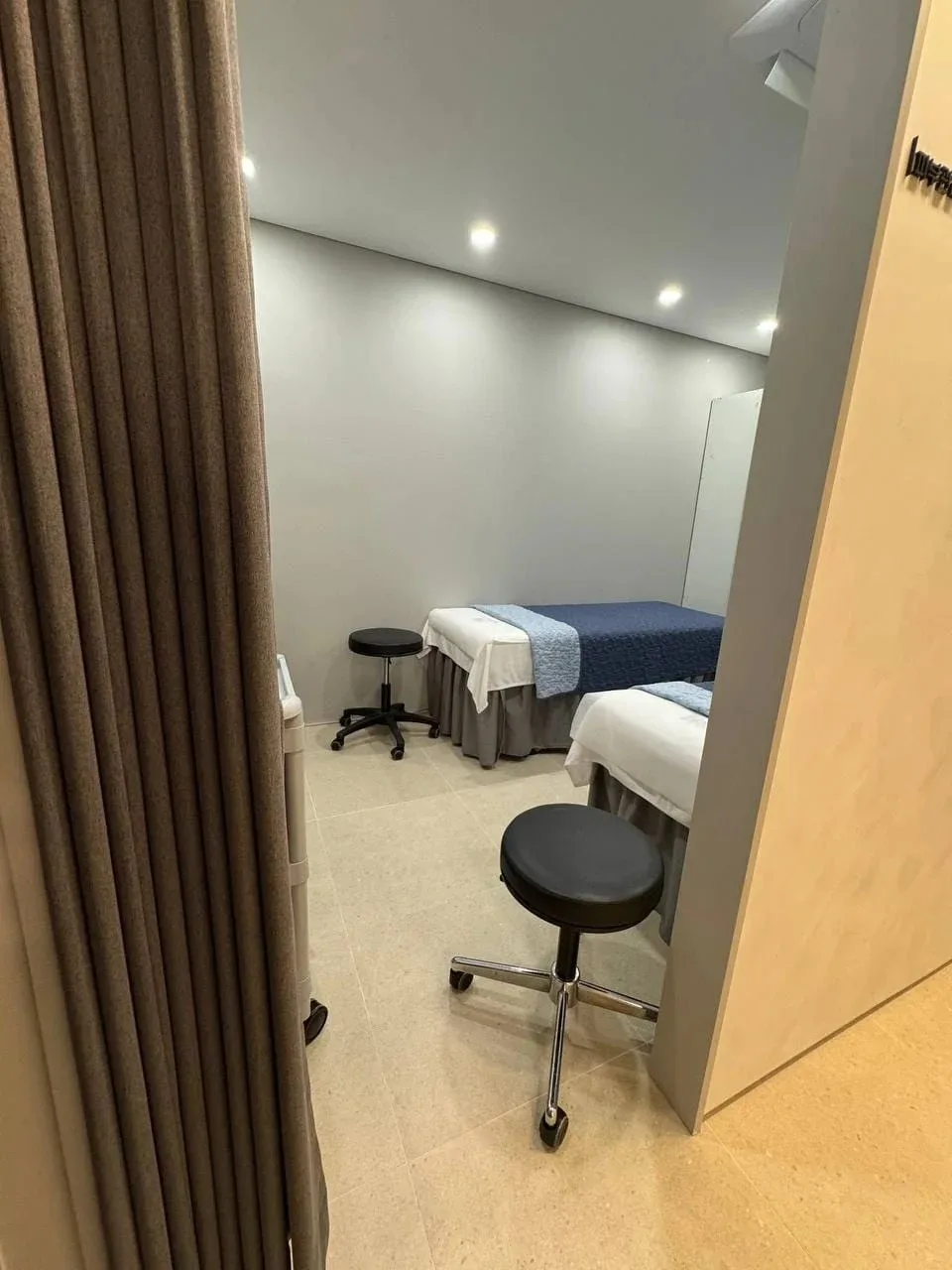
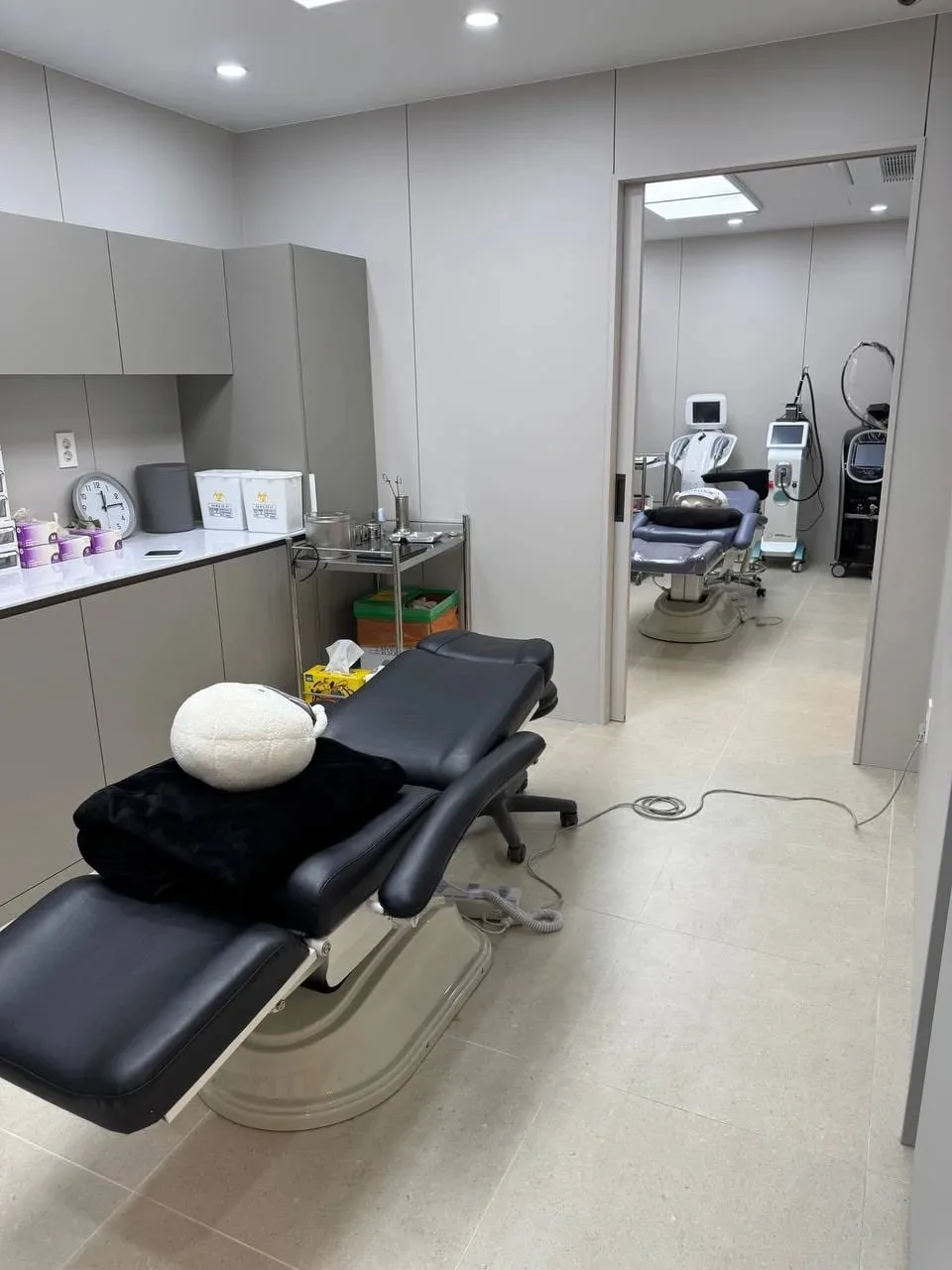
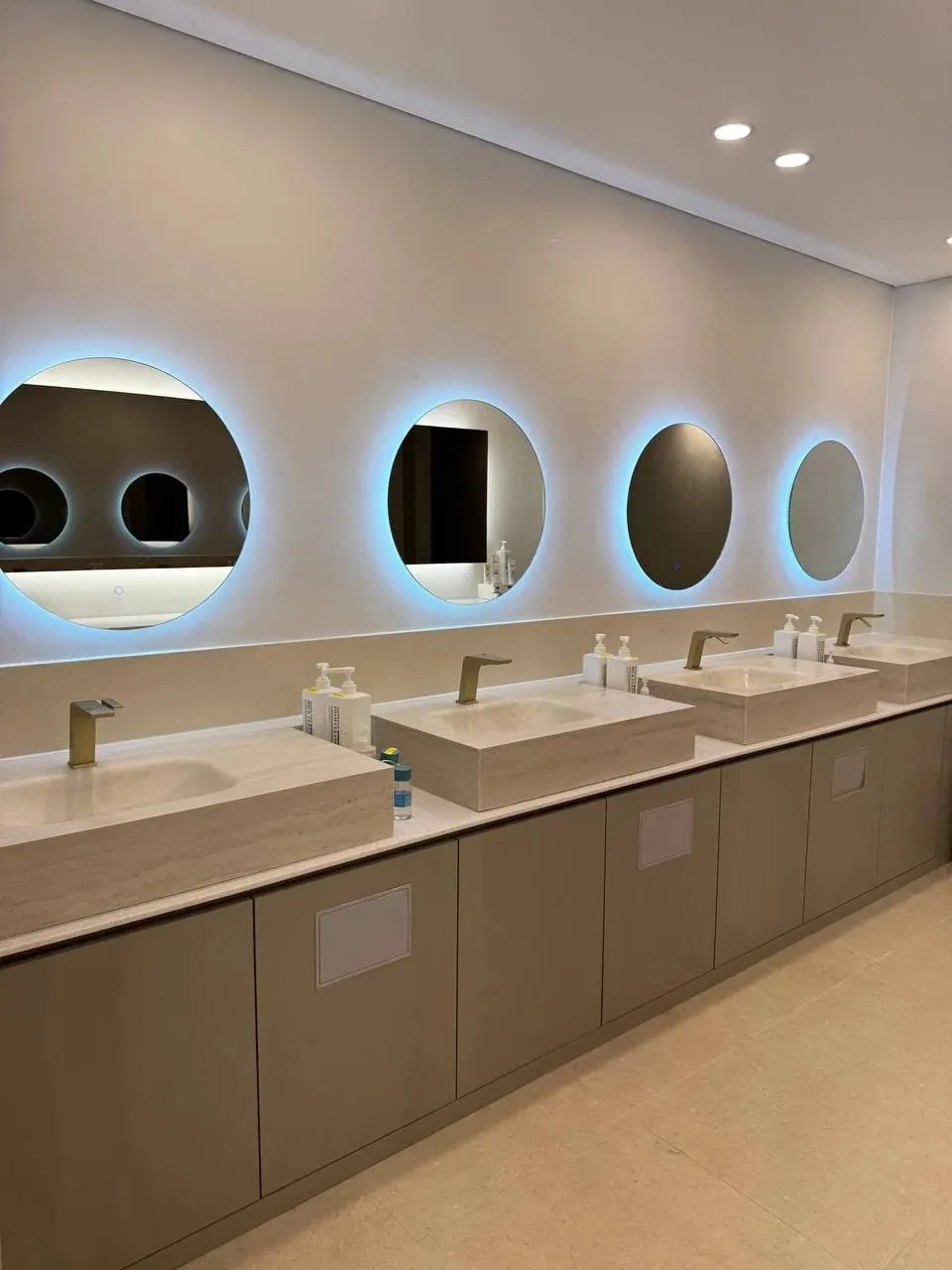
Tune Clinic Apgujeong today: the lobby, waiting areas and treatment rooms where consultations and treatments take place.

Sources
- FDA. Counterfeit Version of Botox Found in Multiple States. Drug alert 2024. Documented counterfeit toxin products and the advice to use authorized sources (US context)
- Allergan. BOTOX Cosmetic prescribing information. DailyMed, US National Library of Medicine 2024. Reconstitution with the specified diluent before use, product-specific units that cannot be interchanged, serious warning symptoms
- PharmaResearch. Rejuran official product and authentication website. Manufacturer page, undated. DOT Check, QR and NFC authentication methods
- Therapeutic Goods Administration. Counterfeit Botox vials detected. Safety alert 2025. Counterfeit packaging that resembles genuine product; batch checks (Australian context)
- Ulthera / Merz. Ulthera System Instructions for Use. Manufacturer document, undated. Ultrasound technology, treatment parameters, transducer cleaning and disinfection between patients
- FDA. 10THERMA 510(k) clearance and summary, K232992. FDA 2023. Radiofrequency device; cleared indication is electrocoagulation and hemostasis; tips described as single-use and disposable
- Tentech. 텐써마·텐쎄라 글로벌 인증 획득 현황 안내. Manufacturer notice 2025. Manufacturer identifies TenTherma as monopolar radiofrequency
- American Academy of Dermatology Association. Statement on Reports on Counterfeit Injectables. AADA 2024. Professional-society concern about counterfeit injectables and qualified care
- Journal of Cosmetic Dermatology. The Effectiveness of Polynucleotides in Esthetic Medicine, A Systematic Review. PubMed 2025. Polynucleotide evidence is promising but limited
- FDA. Consumer Alert on Regenerative Medicine Products Including Stem Cells and Exosomes. FDA 2020. No FDA-approved exosome products
- Reddit r/KoreaSeoulBeauty. Authenticity of Rejuran at Seoul clinics. Reddit 2025. Patient questions about opening packages and scanning codes (discussion only)
- RealSelf. Watered Down Botox, What could be the problem? RealSelf 2011. Long-running confusion about saline, volume and units (discussion only)
- Reddit r/30PlusSkinCare. Botox no longer works. Reddit 2026. Debate about short duration and dilution (discussion only)
- Reddit r/KoreaTravelBeauty thread on product transparency, 2025. Questions about original containers versus quoted milliliters (discussion only)
- Yeoshin Ticket / Fastlane. Public treatment listings. Commercial platform, undated. Marketing language around genuine tips, unboxing and quantity
- FDA. FDA Warns Companies Over Illegal Marketing of Botox and Related Products. Press announcement 2025. 18 warning letters in November 2025 (US context)
- UK Health Security Agency. UKHSA issues warning over botulism. GOV.UK 2025. 41 confirmed iatrogenic botulism cases in the August 2025 update; warning symptoms (UK context)
- Journal of Korean Medical Science. Notice of Retraction, Pak CS et al., polynucleotide versus hyaluronic acid filler. JKMS 2016. Retraction for incorrect funding and conflict-of-interest disclosures
- Korean news report on the renewed discussion of the Rejuran study retraction and the manufacturer response. 2026. September 2026 renewed discussion of the retraction and the manufacturer response
- European Commission. CE marking. European Commission, undated. CE is a conformity marking, not blanket approval by an EU authority
- Journal of Cosmetic Dermatology. Retraction, matched-pair study comparing polycaprolactone and polynucleotide fillers. Wiley 2026. Separate 2026 retraction for misidentified comparator material