
No universal minimum number of kilojoules has been established for TuneFace: the evidence reviewed for this update does not set a whole-face threshold, and the 80 kJ figure I gave in 2022 was my own clinic's protocol. A kilojoule measures accumulated energy. It does not say where or how that energy was delivered, so do not compare kJ totals until the applicator, the treated area and the goal are matched. For scale, a 2026 retrospective study of 93 patients on the same platform used 30 to 70 kJ per half-face, with a different applicator (J Cosmet Dermatol 2026).
You are planning an appointment in Seoul and have two TuneFace descriptions open in two tabs. One lists 40 kJ and the other 80 kJ, and you cannot tell whether the second is twice as good or only twice as long. Your jawline feels a little loose, but your cheeks are already lean and you do not want them thinner. This is a composite scenario illustrating questions about energy and facial volume, not a real patient. Before the numbers mean anything, you need to know which applicator will be used, which areas will be treated, and what change in the tissue is intended.
Questions and answers
What exactly is TuneFace, and is it the same as Accent Prime?
TuneFace is one applicator, a handpiece, that attaches to the Accent Prime platform made by Alma. It is not a machine of its own. I made this point in my first post in August 2022. The manufacturer describes it the same way (Alma).
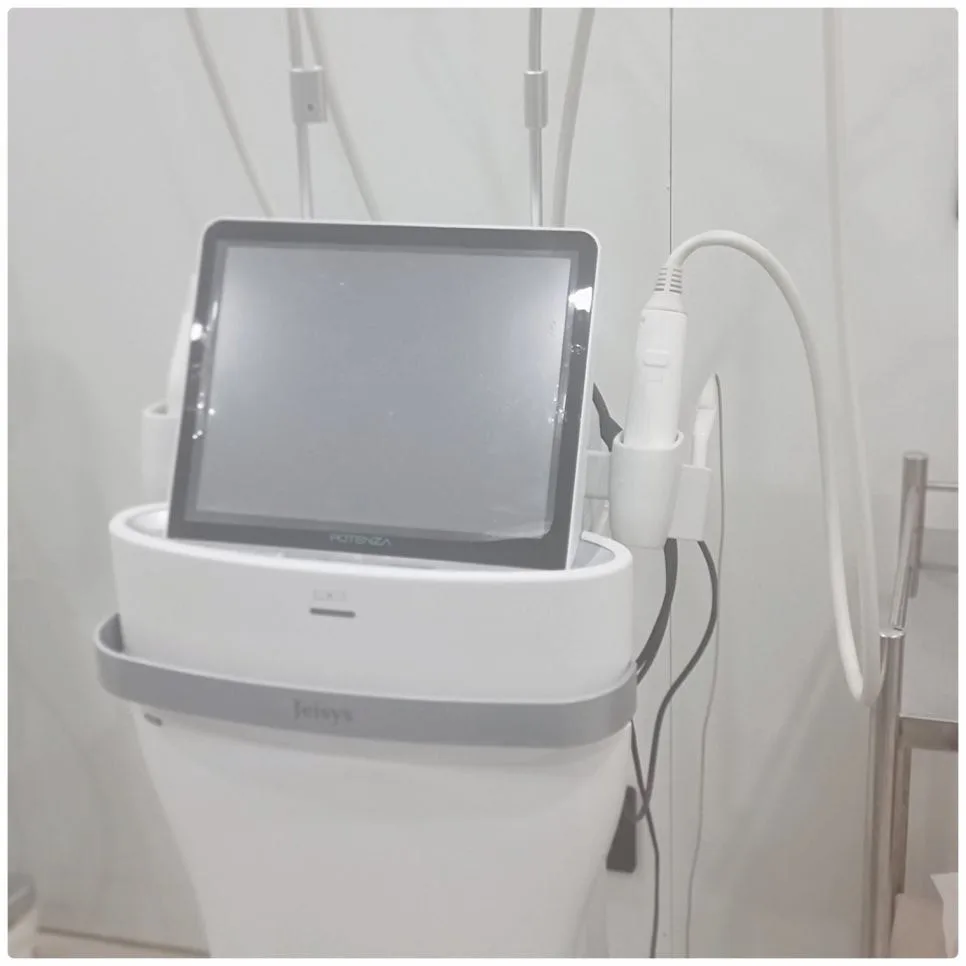
TuneFace is a radiofrequency (RF) treatment applied to the skin surface. It is not a laser and it is not ultrasound (Alma brochure 2022). The same platform carries other handpieces that use different technologies, including ultrasound and microplasma (Alma).
This matters when you read reviews or studies. A report about another Accent handpiece, or an older Accent generation, does not describe your booking. Local names such as TuneLiner or TunePeriorbital also vary, so ask which handpiece is written on your treatment plan.
What do MHz, watts and kJ actually tell me?
They describe three different things, and none of them alone tells you how much benefit to expect.
| Number | What it measures | What it does not tell you |
|---|---|---|
| 40.68 MHz | The operating frequency of the RF | The treatment depth, or whether one device is better than another |
| Watts | Power, the rate at which energy is delivered | How long it was delivered, or over what area |
| kJ | Energy accumulated over the session | Where it went, how fast, with which applicator, or what temperature the tissue reached |
The frequency comes from the manufacturer's specification (Alma brochure 2022). Power and energy settings are described in the operator manual (operator manual). Energy is power multiplied by time, so a lower power setting takes longer to reach the same kJ total.
Depth figures need the same caution. The 2022 post listed six depths, from 11 mm to 1 mm, for TuneFace and TunePeriorbital together, and said heat could reach muscle, fascia, ligaments and fat. Those statements do not demonstrate six exact treatment planes in a living face, or selective treatment of each structure. The post also said two other RF devices, Oligio and Potenza, work only in the dermis at 1 to 2 mm. That comparison was wrong for Potenza, whose FDA filing describes adjustable penetration up to 4.0 mm (FDA K192545). A millimeter or MHz figure does not show that one device is better than another.
Is 40 kJ enough, or do I need 80 kJ?
Nobody can answer that from the number alone. In 2022 I wrote that, at our clinic, I recommended 80 kJ or more for the whole face. I also wrote that there is no fixed number, and that our figure applied only to our own method.
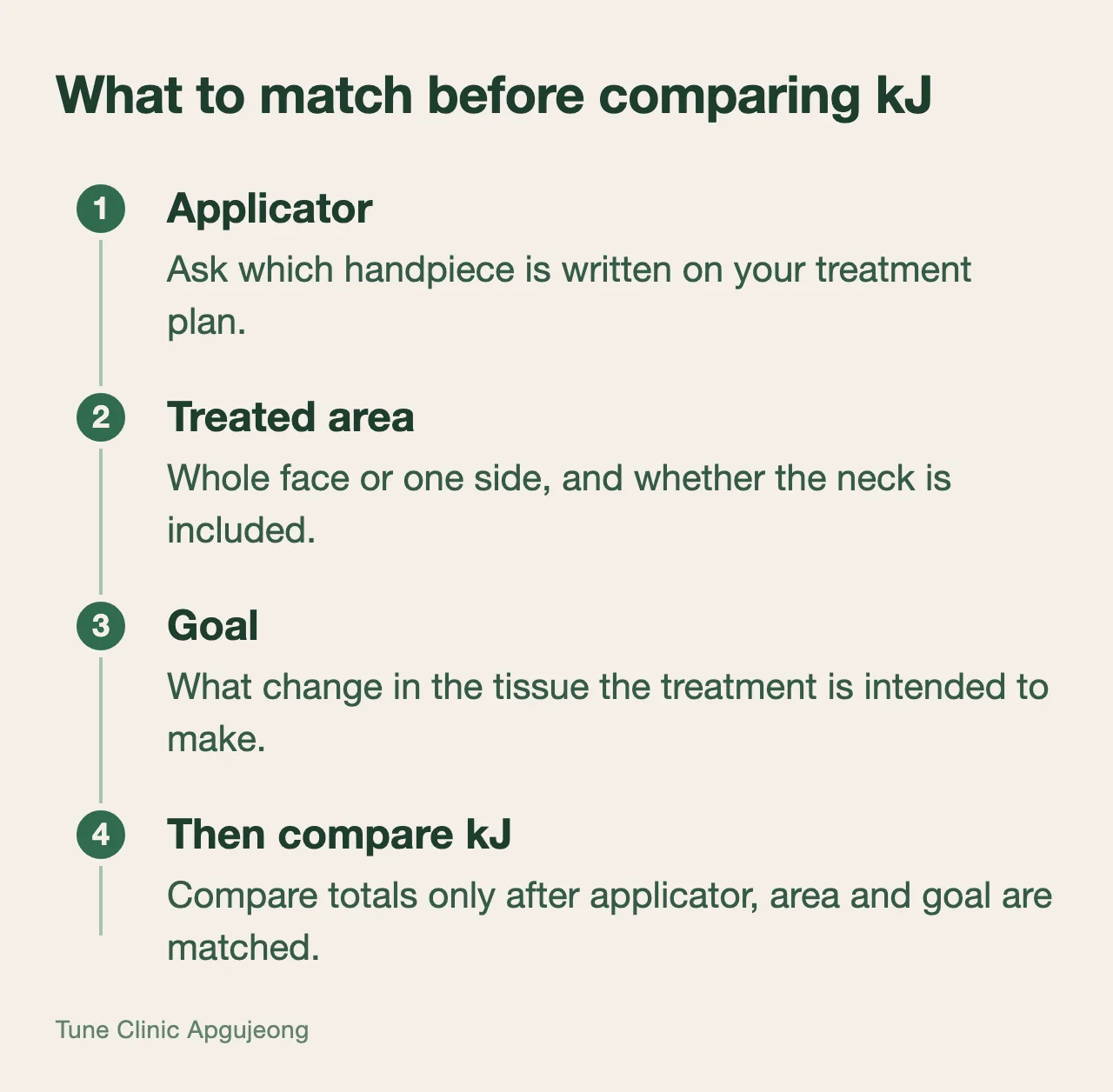
The evidence supports the second statement. The first has not been validated: the research reviewed for this update did not identify a published comparison showing that 80 kJ gives a better result than a lower total. The study cited at the top used per-half-face totals with the UniFace applicator, which shows how specific each protocol is. It does not confirm a TuneFace minimum.
When a clinic quotes a kJ figure, ask whether it covers the whole face or one side, and whether the neck is included.
Why can two treatments with the same kJ be different?
The same total can be delivered in very different ways. Spread over the full face and neck, 60 kJ is a different treatment from 60 kJ on the lower face alone. The applicator, the power level, the time spent on each zone and the way heat is monitored all change what the tissue receives (operator manual).
In my first post I wrote that operators use the applicator differently and that results can differ between clinics. I wrote in 2022 that the same power setting heats different people differently. A 2022 systematic review found that RF studies use varied devices and techniques, which is one reason outcomes differ (systematic review 2022). The general problem is covered in why the same treatment gives different results.
Can TuneFace cause facial fat loss or hollow cheeks?
Neither zero risk nor a measured rate has been established for TuneFace. The worry is common in English and Korean patient communities (community thread, Sungyesa). Forum threads cannot show cause or frequency.
The published evidence does not settle it either. RF tightening is supported as a treatment class, but that does not justify a promise that fat is always preserved (systematic review 2022). A 2026 study of a different 40.68 MHz device examined facial contour change as well as tightening. It was uncontrolled, with 26 patients completing it (Lasers Med Sci 2026). It is not a TuneFace study, and it does not support a categorical claim in either direction.
In 2022 I wrote that lean, sagging faces were the first group I recommended TuneFace to. The evidence reviewed for this update does not establish that recommendation as a first-choice rule. A thin face needs its own assessment of how much of the problem is loose skin and how much is missing volume.
Age is not a rule either. The 2022 post repeated an estimate that collagen falls about 1% a year and said people notice lost elasticity after 33. Older research measured age-associated collagen decline in forearm skin; it does not establish an individual facial-aging timetable (Br J Dermatol 1975). The research reviewed for this update did not identify a validated age-33 threshold.
Can TuneFace fill sunken cheeks without filler?
Reliable volume restoration has not been shown. In 2022 I wrote that TuneFace could bring back a little volume in hollow areas. The research reviewed for this update did not identify controlled evidence for that claim.
RF heating is studied for tightening through collagen contraction and remodeling (systematic review 2022). Tightening does not replace lost volume. If hollowness is your main concern, the broader question is covered in filler in Korea: when it helps and when lifting is better.
Does turning the power down mean the treatment will not work?
Not necessarily, but nobody can promise the result is identical. In 2022 I described lowering the power when heat rose quickly during a session. I told readers then that this made no great difference to the effect. Lowering the power is a sensible safety adjustment, but the research reviewed for this update did not identify a trial showing the outcome is equivalent. The same post said the longer session at lower power gave a better effect at the same kJ. Equal energy does not establish equal heating or greater benefit.
Pain is not a score for treatment quality. The RF literature does not validate discomfort as a measure of collagen response or of safety (systematic review 2022). Putting up with excessive heat to get a stronger result is a poor trade. Tell the operator when it feels too hot.
I also described judging heat by the warmth at my fingertips, the condition of the skin and the heat the patient reports. In September 2022 I wrote that I had been using the applicator since 2019 and that this judgment takes experience. Those signs are useful, but they add to the monitoring set out for the device and do not replace it (operator manual). Experience is also not a controlled study.
Does the FDA warning about RF microneedling include TuneFace?
No. The FDA communication of October 15, 2025 concerns certain uses of RF microneedling, where needles deliver the energy under the skin, and it reports serious complications (FDA 2025). TuneFace is applied to the skin surface without needles (Alma brochure 2022).
The warning is not a TuneFace recall, and it gives no complication rate for TuneFace. The difference in category is also not proof that surface RF is free of risk. The American Academy of Dermatology responded by stressing medical training and knowledge of anatomy (AAD 2025). That is a fair question to ask about any heat-based treatment: who operates the device?
Will drinking more water or adding LDM improve my result?
The research reviewed for this update did not identify a controlled comparison showing that either one improves a TuneFace result. In 2022 I advised raising skin hydration, drinking plenty of water around the session, and adding LDM sessions to get more effect from the same energy. The evidence does not support presenting that advice as a way to improve results.
Drinking water is ordinary self-care. LDM is optional. Neither is required to make the treatment work.
How many sessions will I need, and how long will it last?
Published evidence does not support a fixed number of sessions or a fixed duration of effect. Direct evidence for TuneFace itself is limited, and protocols differ widely. The picture comes from three kinds of studies:
- A 2022 systematic review supports RF tightening as a class, with wide variation between devices (systematic review 2022).
- The Accent Prime study was retrospective and uncontrolled, and it used UniFace (J Cosmet Dermatol 2026).
- The other 2026 study used a different manufacturer's device (Lasers Med Sci 2026).
The research reviewed for this update did not identify a head-to-head trial showing TuneFace is better or worse than Thermage or Ultherapy. Ask the clinic what interval it proposes, what that is based on, and how the result will be assessed. For choosing between device types, see the lifting guide linked at the end.
What should I confirm before booking, especially if I fly home soon after?
Confirm the exact device and handpiece, its authorization where you are treated, your eligibility, and the follow-up plan.
On authorization, the record is narrower than marketing suggests:
- In 2007, the FDA cleared the Accent system for non-invasive treatment of wrinkles and rhytids using combined UniPolar and BiPolar treatment (FDA K070004). That is not a clearance of every current applicator or of any clinic's protocol.
- The manufacturer's 2022 brochure shows a CE mark, which does not confirm the current certificate scope (Alma brochure 2022).
- In Korea, ask the clinic for the permit number and model. You can check them on the regulator's portal (MFDS).
Before treatment, tell the clinic about:
- Pregnancy or fertility treatment
- Medical conditions and the medicines you take
- Bleeding disorders
- Skin disease in the area to be treated
- Implanted electronic devices and substantial dental metalwork
- Previous facial procedures, including filler and implants
A regional copy of the operator manual lists contraindications of this kind (operator manual). It dates from 2021, so eligibility, and any treatment near the eyes or over filler or implants, must be checked against the current Korean instructions for the exact handpiece.
Possible adverse effects include redness, swelling, bruising and thermal injury (systematic review 2022). Contact the clinic if symptoms persist or get worse. Seek prompt medical assessment for blistering, broken skin, marked skin discoloration, or severe or increasing pain. Seek urgent local care for any change in vision. If you have left Korea, do not wait for a remote clinic reply before obtaining urgent care.
What should I ask at my consultation?
- Which platform and which exact handpiece will be used on my face?
- Does the kJ figure cover my whole face or one side, and is the neck included?
- Is my main problem loose skin, lost volume, or both, and what is this treatment meant to change?
- How will you monitor heat during the session, and what happens if I say it is too hot?
- Given my cheek volume, are there areas you would avoid or treat differently?
- What is the device's authorization status in Korea, and can I see the permit details?
- If redness, blistering or a burn appears after I fly home, who do I contact?
The physician's part is to give you the whole picture, including what the evidence does not show, to put a name to the advice, and to stay reachable after you have flown home. The decision is yours, and declining or waiting is a reasonable outcome.
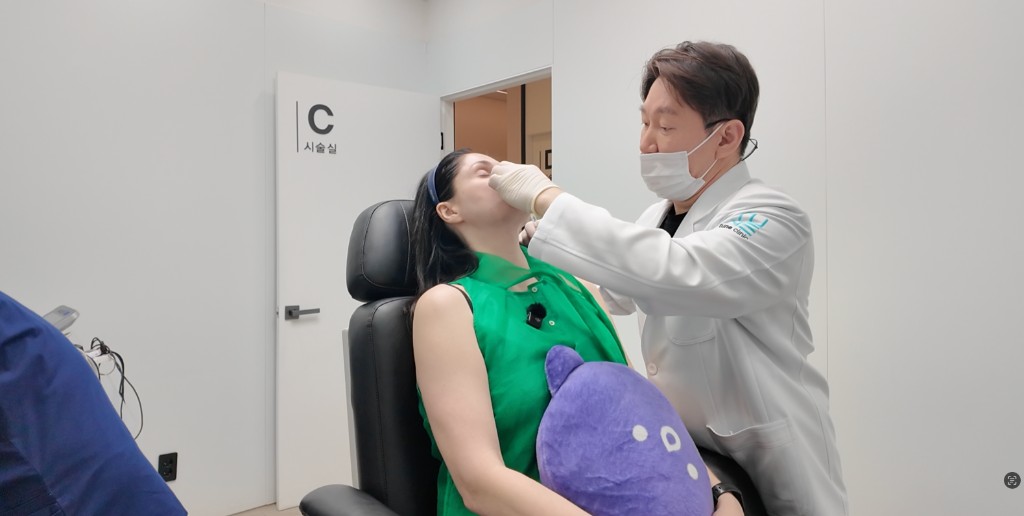
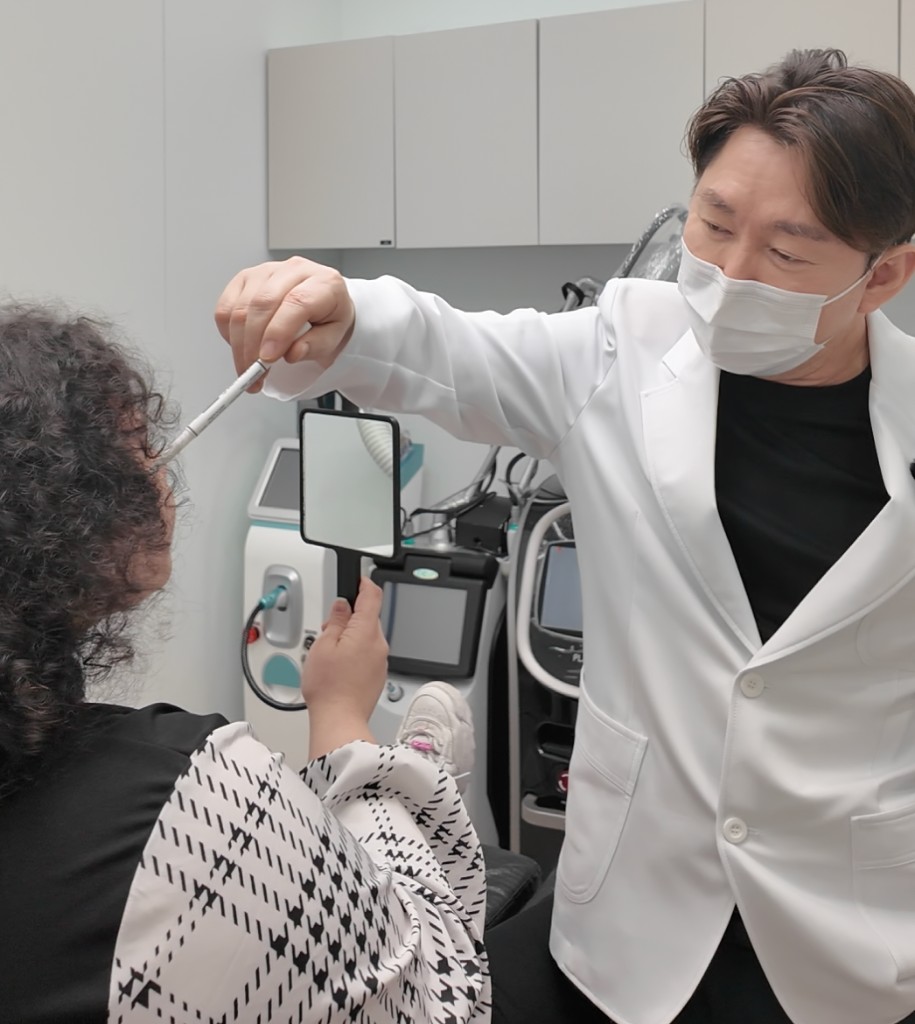
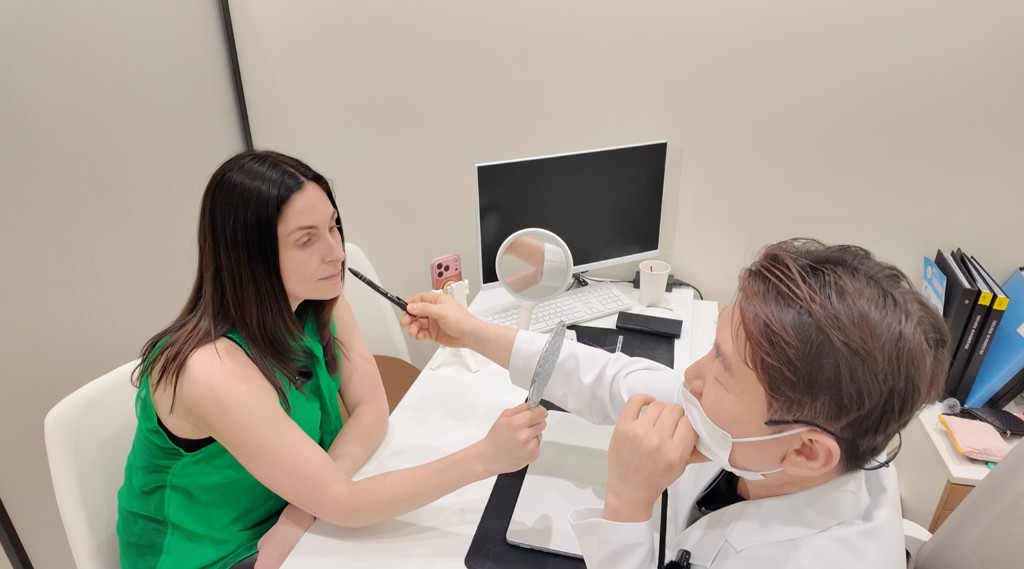
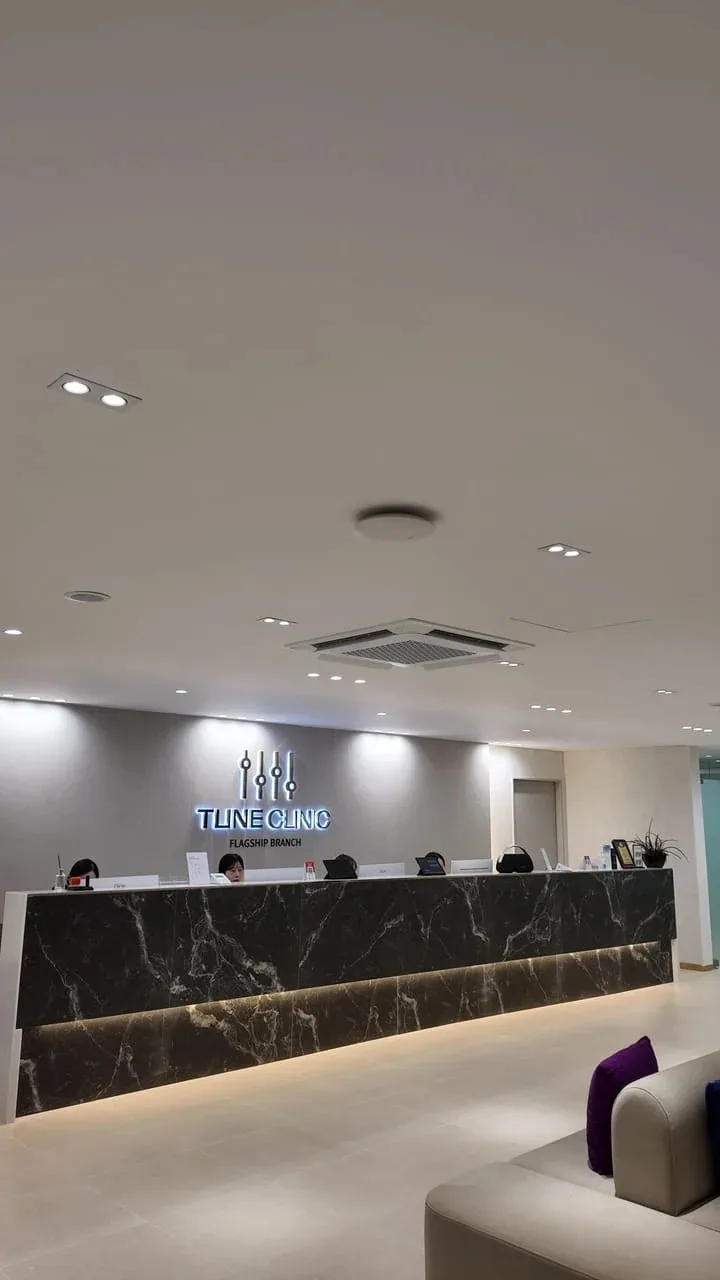
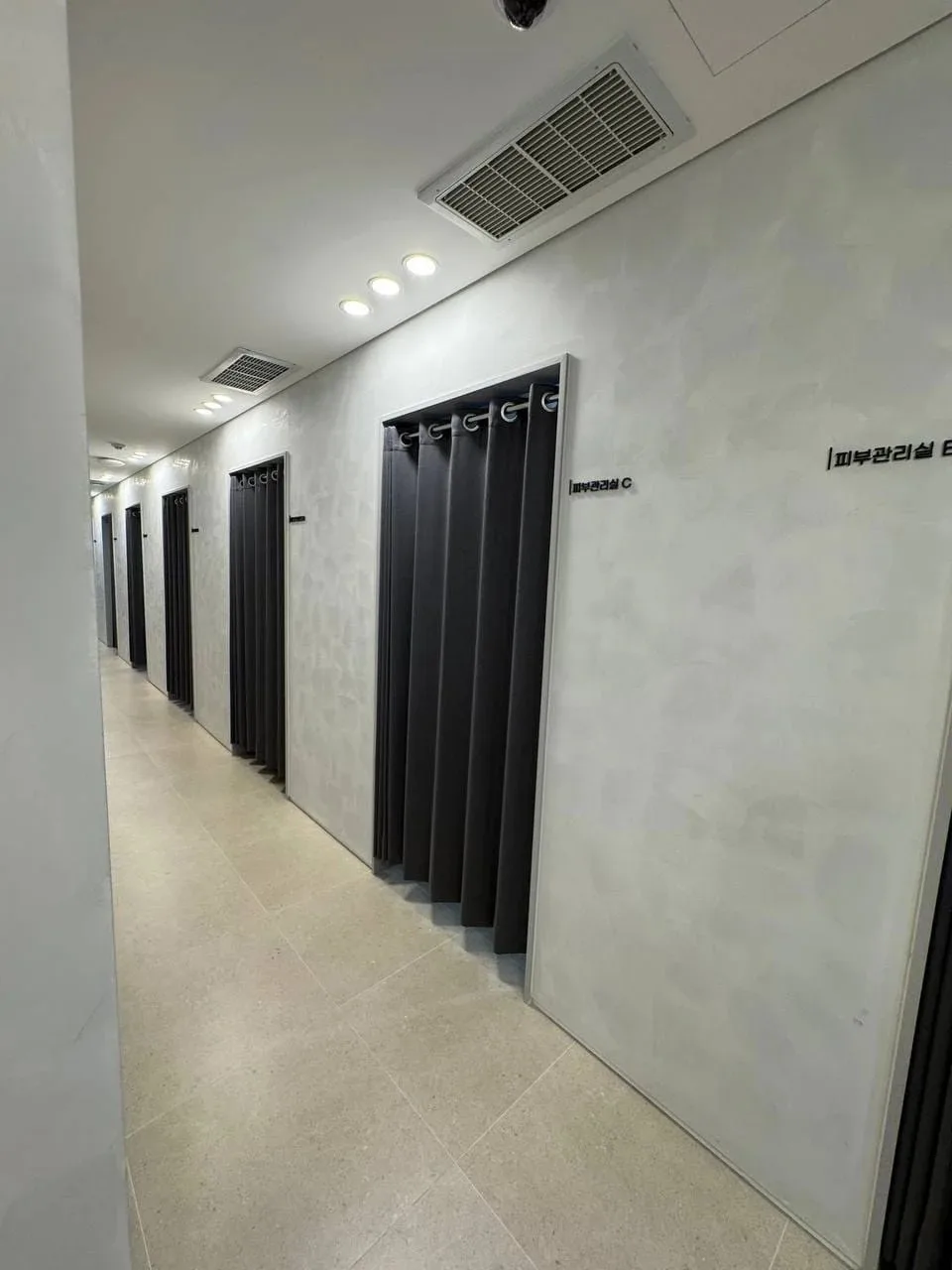
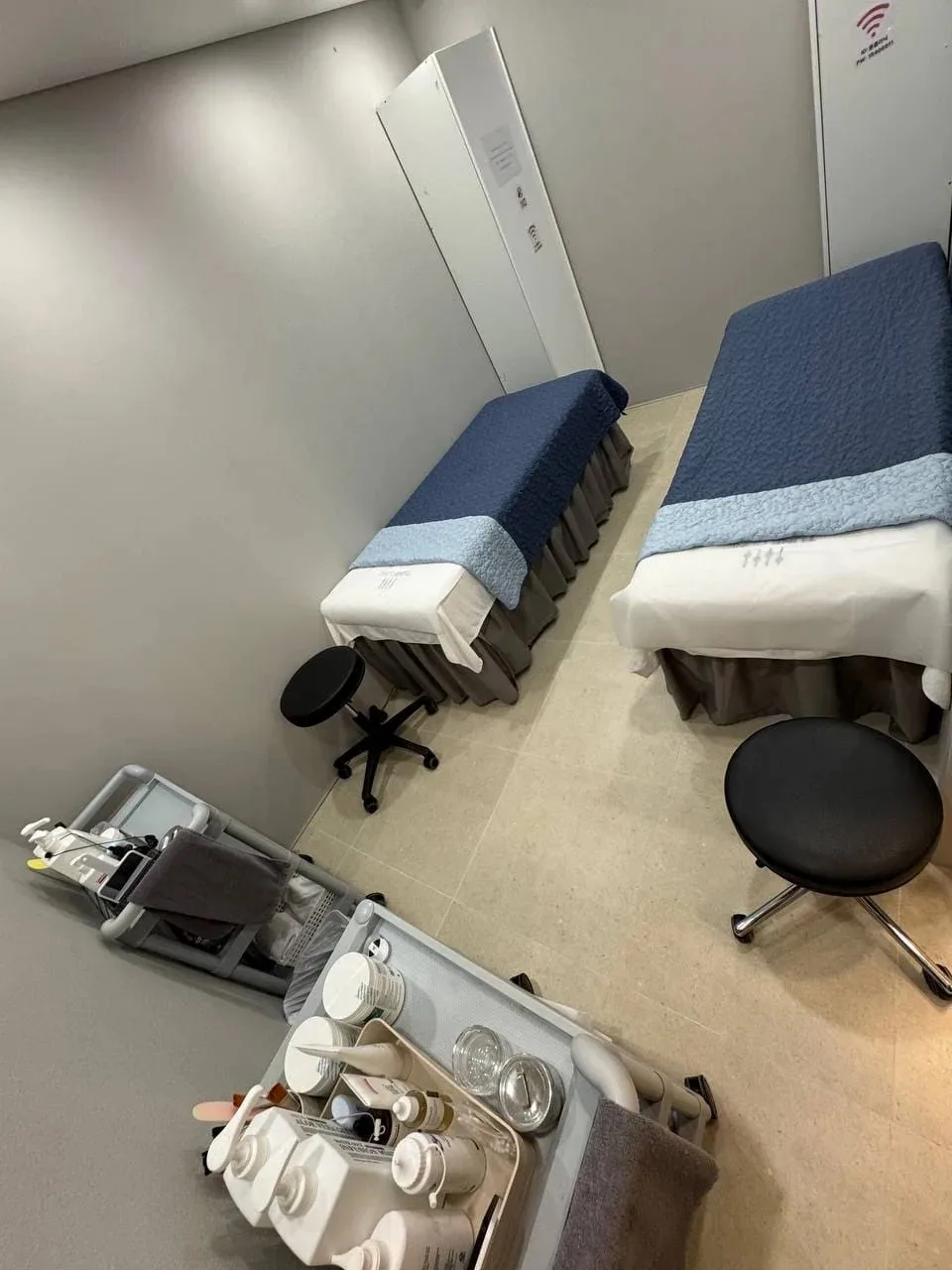
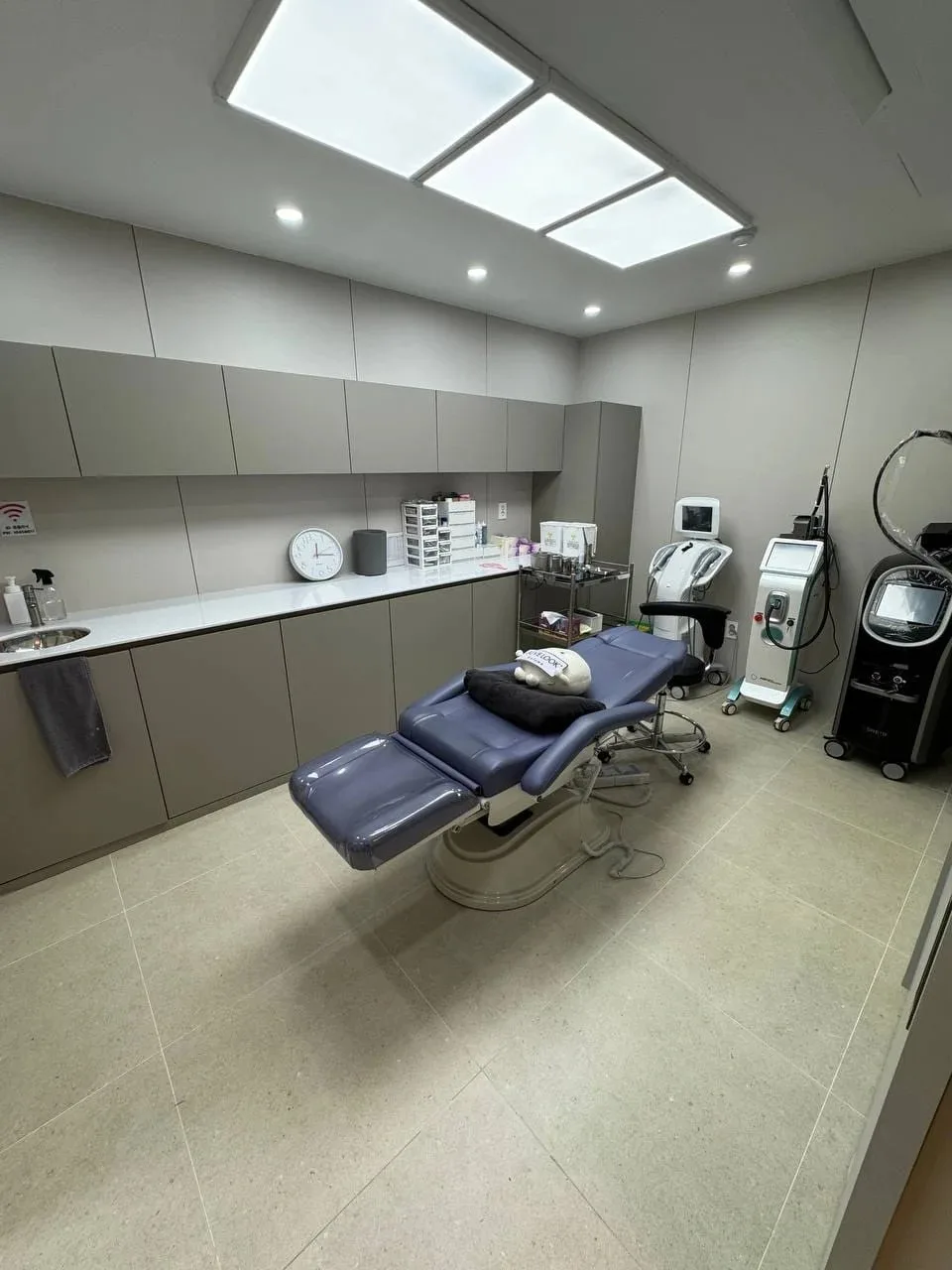
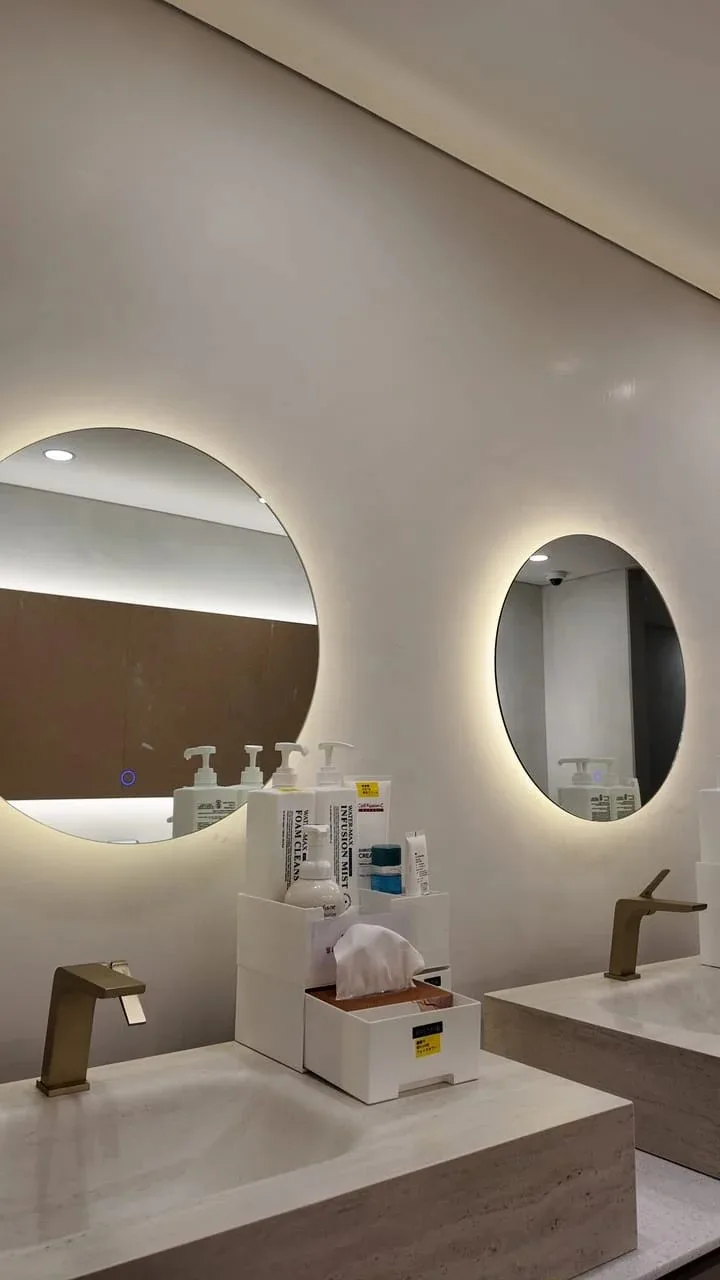
Tune Clinic Apgujeong today: the lobby, waiting areas and treatment rooms where consultations and treatments take place.
Sources
- Alma. Accent Prime product page. Accessed 2026. TuneFace is an applicator on the Accent Prime platform, which also carries other technologies.
- Alma. Accent Prime B2B Brochure. 2022. 40.68 MHz specification, surface-applied TuneFace description, depth marketing, historical CE marking.
- Alma. Accent Prime Operator Manual, revision 10. Regional copy 2021. Technical parameters, monitoring, contraindications and applicator-specific precautions. Not verified as the current Korean instructions for use.
- Journal of Cosmetic Dermatology. UniPolar Radiofrequency for Treatment of Facial Aging Signs and Skin Laxity. Wiley 2026. Retrospective, uncontrolled 93-patient Accent Prime study using the UniFace applicator at 30 to 70 kJ per half-face.
- Plastic and Reconstructive Surgery. Systematic Review of Monopolar and Bipolar Radiofrequency Devices for Skin Tightening. 2022. Class-level evidence for RF tightening, its risks, and how much devices and techniques differ.
- Lasers in Medical Science. Facial contour modulation and skin tightening using 40.68-MHz unipolar radiofrequency. Springer 2026. Uncontrolled study of a different 40.68 MHz device with 26 completers. Not TuneFace.
- US FDA. Accent 510(k) K070004. 2007. Historical Accent clearance for wrinkles and rhytids using combined UniPolar and BiPolar treatment.
- US FDA. Potenza 510(k) K192545. 2020. Adjustable penetration up to 4.0 mm, which contradicts the 2022 depth comparison.
- US FDA. Potential Risks with Certain Uses of Radiofrequency (RF) Microneedling. Safety Communication 2025. Scope of the October 15, 2025 warning. Not specific to TuneFace.
- American Academy of Dermatology. Statement on the FDA Safety Briefing about Radiofrequency Microneedling Risks. 2025. Professional response stressing medical and anatomical expertise.
- British Journal of Dermatology. The influence of age and sex on skin thickness, skin collagen and density. Wiley 1975. Historical data on age-associated collagen decline in forearm skin. Does not set an age threshold for treatment.
- Korean Ministry of Food and Drug Safety. Medical device information portal. Accessed 2026. Where a Korean device permit can be checked.
- Reddit, r/KoreaSeoulBeauty. Has anyone tried TuneFace? Looking for real reviews. 2025. Shows that patients ask about facial volume. Not clinical evidence.
- Sungyesa. Community question on TuneFace and cheek hollowing. 2025. Shows the same concern in Korean. Not clinical evidence.