The question that keeps coming up
The same aesthetic treatment gives different results on different people because the outcome depends on more than the device or product: baseline skin condition, tissue quality, age-related structural change, and how the protocol was tuned to the individual all shape what the treatment can deliver. Two patients receiving "the same" procedure are, biologically, receiving two different treatments.
"My friend and I got the same treatment. Why does mine seem less effective?"
This may be the most common question in aesthetic medicine consultations. Same device, same protocol — yet the perceived outcome is noticeably different.
Some patients experience visible change. Others feel like nothing happened.
Differences in outcome can reflect the initial condition, treatment plan, technique, recovery and individual response. A comparison with another patient cannot establish which factor explains the difference.
Both the treatment itself and the circumstances in which it is used matter. Neither should be dismissed when reviewing an unexpected result.
Why does the same treatment work differently on different people?
Skin is not a simple surface. It's a composite tissue shaped by multiple interacting factors: thickness, elasticity architecture, fat distribution, and inflammatory response tendency.
Even with the same procedure, the way skin receives and processes that stimulus differs from person to person.
Take lifting treatments as an example. Depending on skin thickness and elastic structure, the way energy transfers through the tissue can change significantly. What feels like a sufficient stimulus for one patient may produce only subtle change in another.
Different starting conditions may contribute, but a result still needs review rather than assuming the procedure itself played no part.
Skin condition influences the outcome
The current condition of the treatment area is one relevant variable; it is not a measurable fixed share of every outcome.
Key factors include:
- Skin thickness and elasticity — determines how energy is absorbed and distributed
- Barrier stability — affects recovery speed and post-treatment sensitivity
- Inflammatory tendency — influences swelling, redness, and healing trajectory
- Recovery capacity — varies widely based on age, health, and prior treatments
- Treatment history — previous procedures alter how the skin responds to new ones
These factors don't fit neatly into categories like "dry skin" or "oily skin." They require a more structural assessment — which is why the consultation process should focus on understanding current conditions before explaining treatment options.
What variables actually determine the outcome?
The outcome of an aesthetic procedure is generally determined by the combination of three variables.
1. Skin condition. As discussed above — the structural baseline differs for every patient.
2. Timing. Skin fluctuates. Inflammation levels, hormonal shifts, recent procedures, and seasonal changes all affect how the skin responds at any given moment. The same treatment applied two weeks apart can yield different results.
3. Goal alignment. Some patients want subtle, natural change. Others expect dramatic transformation. When the goal doesn't match what the treatment can structurally deliver, dissatisfaction follows — even if the procedure was technically sound.
When any of these three variables changes, the perceived outcome changes with it.
"The same treatment" doesn't really exist
From the outside, two patients may appear to have received the same procedure.
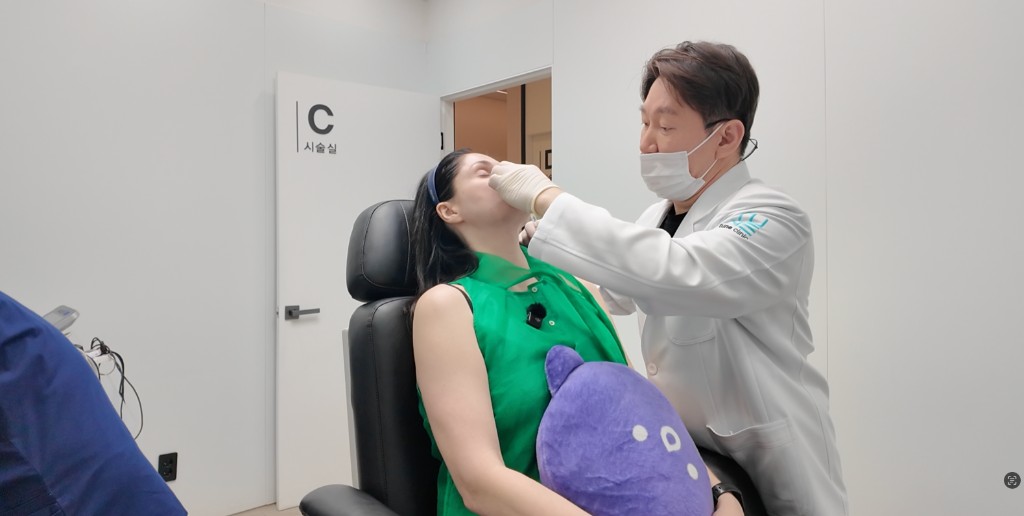
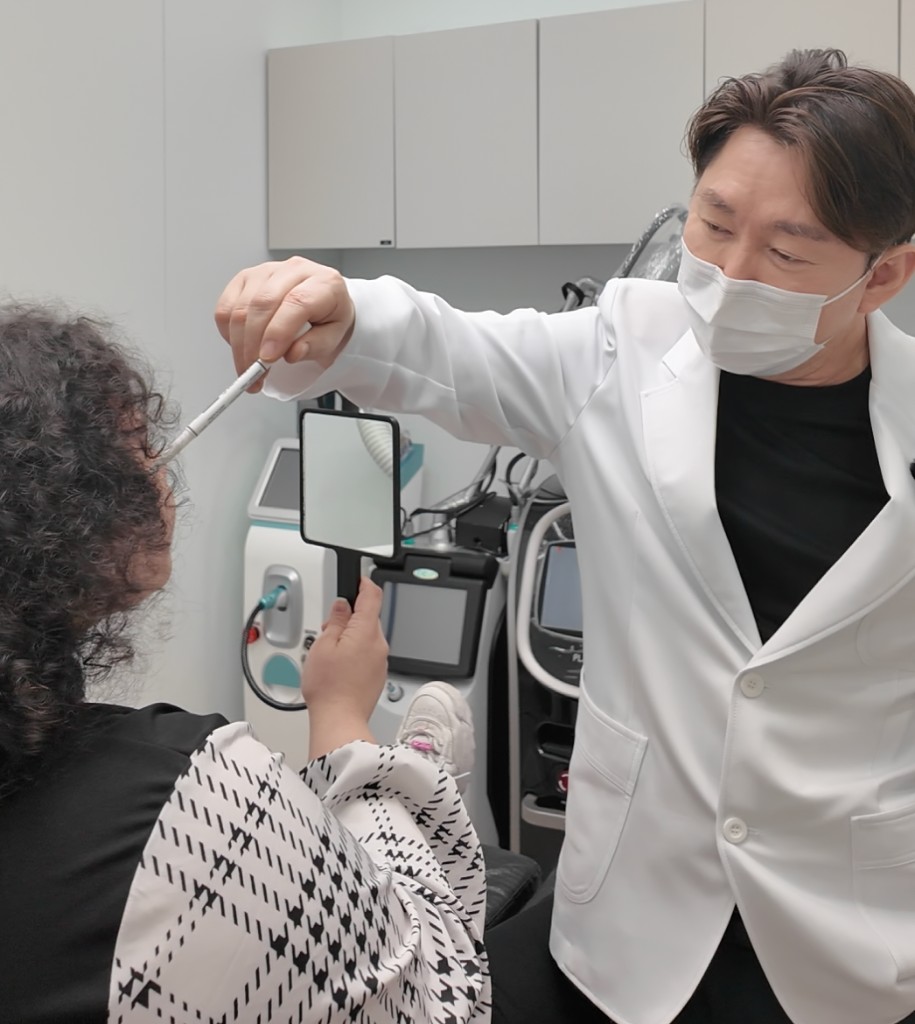
In practice, the skin state, energy application approach, and treatment objective are always slightly different. That's why experienced practitioners adjust their approach even when using the same device.
This isn't a matter of technical skill alone. It's a matter of clinical judgment.
The most important question in aesthetic medicine
When considering an aesthetic procedure, the most important question isn't "Is this a good treatment?"
It's: "Is this the right treatment for my skin, right now?"
When that question is answered clearly, the decision becomes straightforward. When it isn't, no amount of research resolves the uncertainty.
The difference is made before the treatment begins
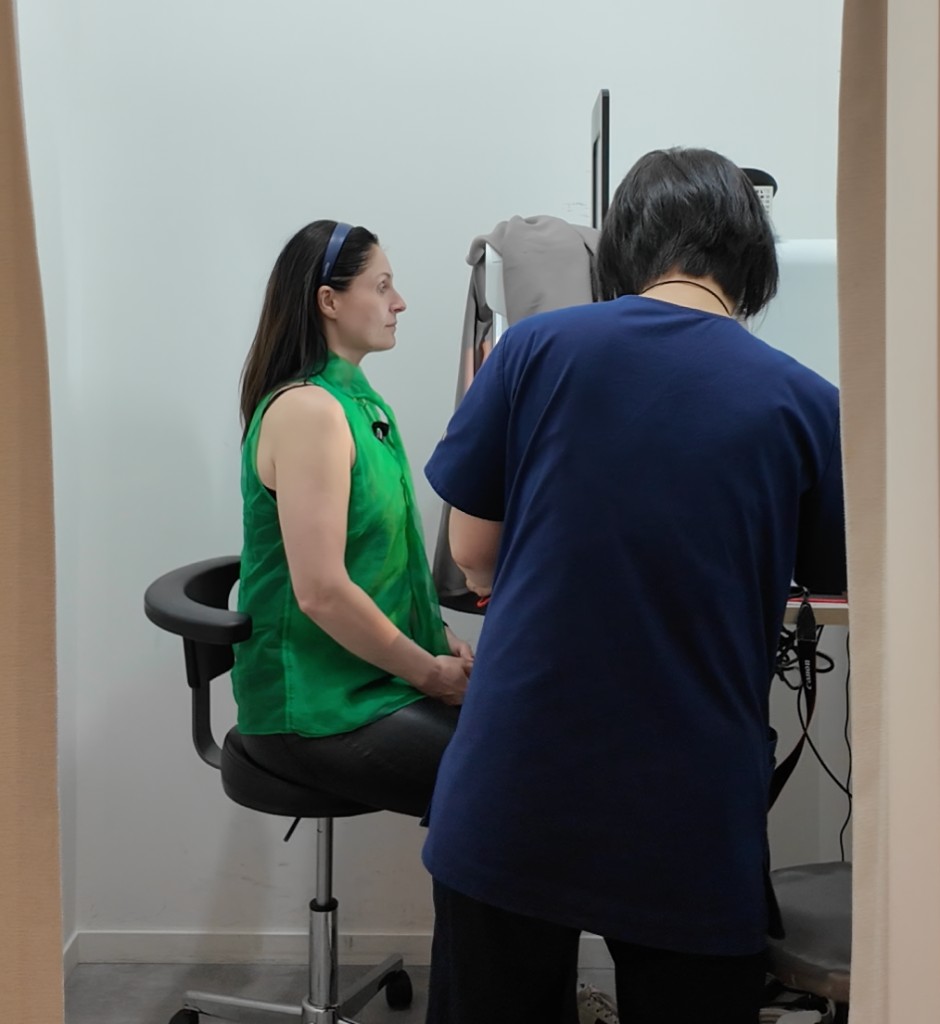
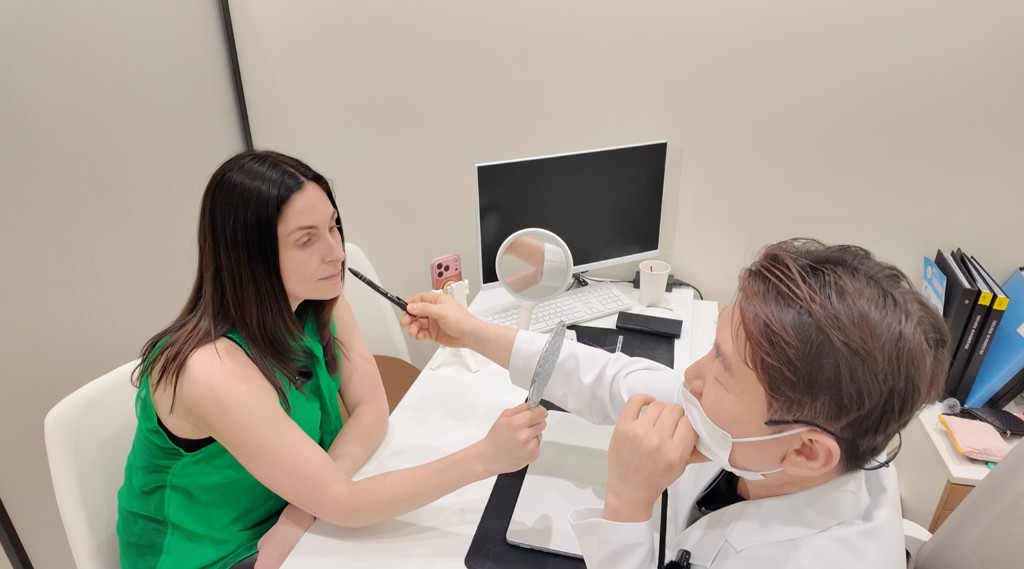
Assessment before treatment is important, but technique, recovery and individual response also influence what follows.
Understanding the skin. Assessing the right timing. Setting a realistic goal.
Alignment of condition, timing and goals can support a reasoned plan, but it does not guarantee a stable or satisfying result.
What matters is not simply what treatment was chosen — but what standard guided the choice.
This is the same logic that underpins our Tunemaka-se design method: the standard must fit the person. A small randomized split-face study in 13 Asian women found moderate pigment improvement with two 1,064-nm laser-toning approaches and also notes that low efficacy or hypopigmentation can occur with different settings. It supports careful parameter selection, not a guarantee across devices or skin conditions.
FAQ
How long should I wait to judge if my treatment worked?
Many energy-based and collagen-stimulating procedures show their fuller effect gradually over weeks to a few months, so an early impression often understates the result. In clinical experience, judging an outcome too soon is one of the most common reasons patients feel a treatment 'did nothing.' A scheduled follow-up assessment gives a more reliable read than day-to-day self-comparison.
Why did my friend and I get different results from the same procedure?
Identical devices and protocols still meet different skin, so the same energy can transfer and stimulate tissue differently from one person to the next. Skin thickness, elasticity, inflammatory tendency, recovery capacity, and prior treatment history all shape how a given stimulus is received. The procedure being the same does not make the starting conditions the same.
Should I switch clinics if a treatment didn't work for me?
Before changing where you go, it is worth clarifying whether the treatment was actually matched to your skin condition, timing, and realistic goal at the time. A procedure that is technically sound can still underdeliver when those three factors were not aligned, which is a planning question rather than a clinic-quality one. A structured reassessment of why the result fell short is usually more useful than simply trying the same treatment elsewhere.
Can the same treatment give me a stronger result if I do it at a different time?
Skin is not static; inflammation levels, hormonal shifts, recent procedures, and seasonal changes all influence how it responds on a given day. The same treatment applied weeks apart can therefore yield different results, which is why timing is treated as its own variable in planning. Choosing an appropriate moment can meaningfully affect how a familiar procedure performs.
How do I know if a treatment is right for my skin before I book it?
The more useful question is not whether a procedure is generally good but whether it suits your specific skin condition and goal right now, which calls for a structural assessment rather than a category like 'dry' or 'oily' skin. A proper consultation should first understand your current conditions and treatment history before recommending any option. When that matching is done clearly, the decision tends to become straightforward.
Ready to plan your treatment?
Tune Clinic Apgujeong offers English-language consultations with Dr. Ju and Dr. Cha — a structured assessment, not a sales call.
→ Book an appointment to pick a time that fits your Seoul itinerary.
→ Message us on WhatsApp to ask in English before you commit.