
TenTherma (10THERMA) is a monopolar radiofrequency device and Tensera (10THERA) is a two-line focused ultrasound device, so their shot counts measure different things and cannot be converted into each other or into another brand's shots. Before comparing numbers, ask five things: the energy type, what one shot means on that screen, the depth, the energy setting and the treated area. The device-specific evidence is small. The one prospective TenTherma study had 13 participants followed to 16 weeks (Yonsei record).
This scene is a composite of common questions and does not describe a real patient. You are planning a consultation in Seoul, and your notes app holds two names that look almost the same. One listing talks about cooling pulses. The other says two lines per shot and offers 200 shots that count as 400. Before you pick a number, you need to know which energy is used, which tissue the physician means to treat, and what evidence supports that plan.
Questions and answers
Are TenTherma and Tensera the same treatment?
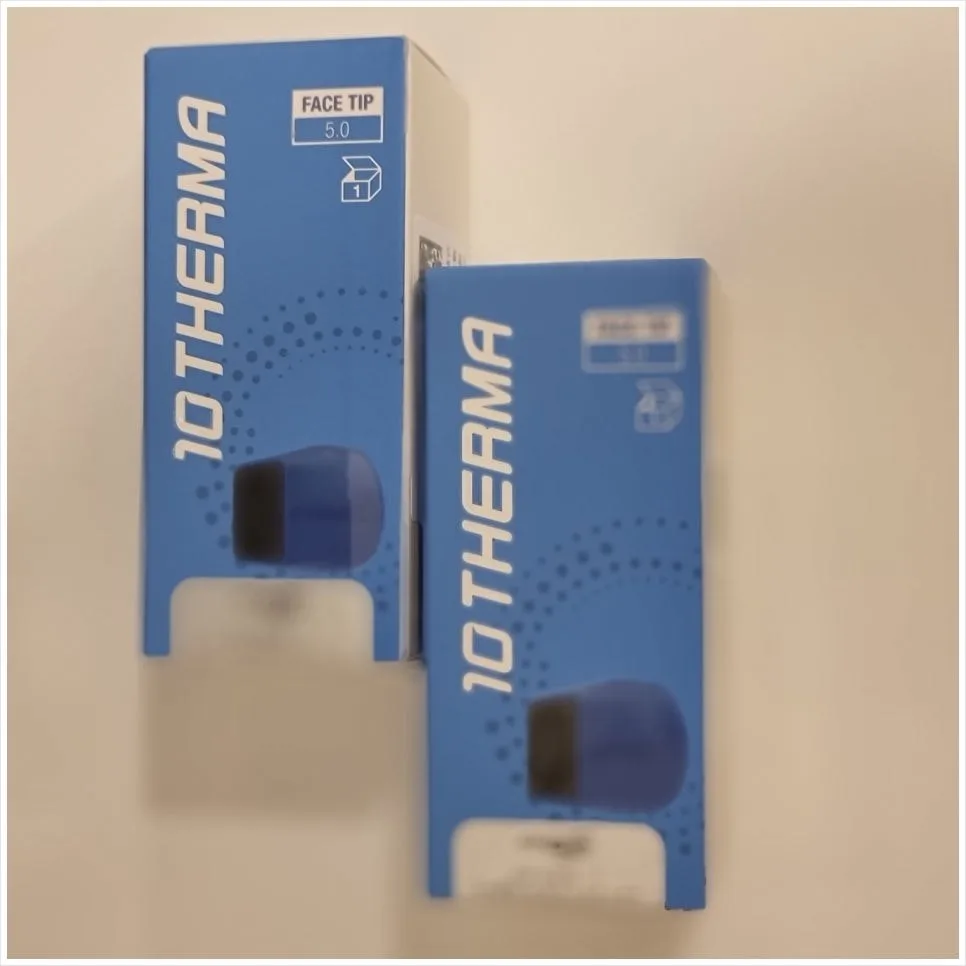
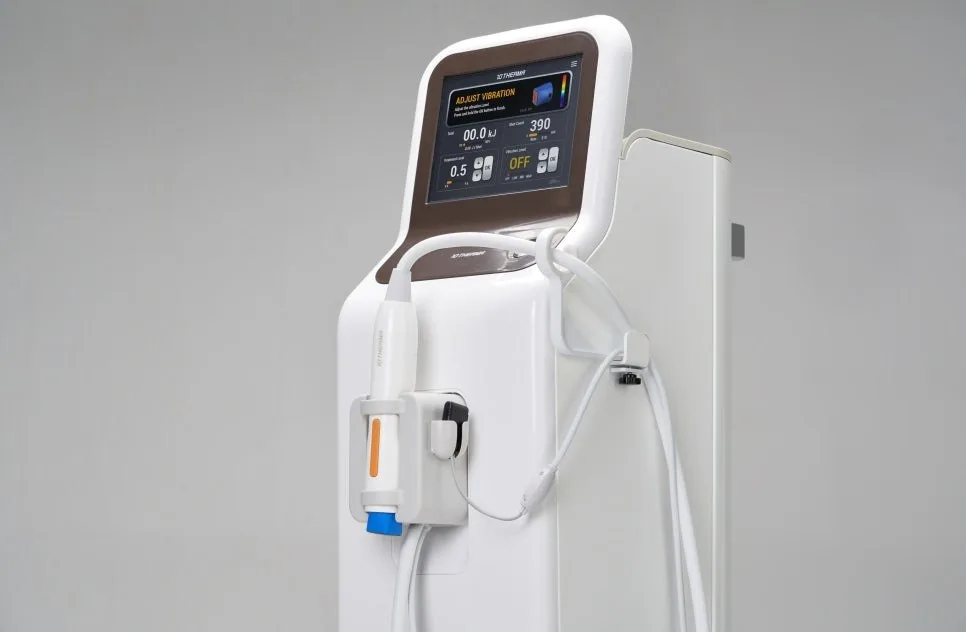
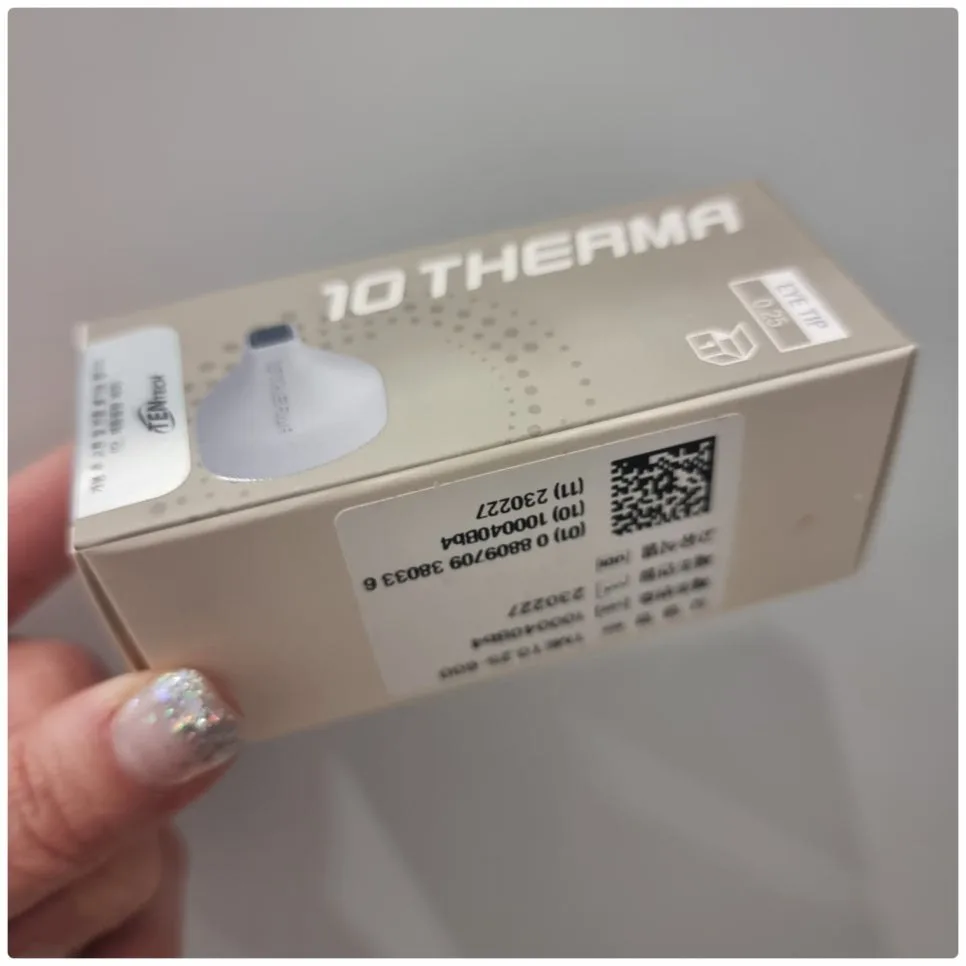
No. TenTherma (텐써마, spelled 10THERMA by the manufacturer) sends monopolar radiofrequency through the skin surface, with a return pad placed on the body. It heats tissue through electrical resistance (FDA K232992). Tensera (텐쎄라, 10THERA) sends focused ultrasound in two parallel lines per shot (TENTECH, Medical Lasers 2023). Focused ultrasound makes small separate heated points at a set depth, so it does not heat a whole layer evenly (Aesthetic Surgery Journal 2025). Neither device is a laser. Both come from the same Korean manufacturer, which explains the similar names.
| TenTherma | Tensera | |
|---|---|---|
| Korean name | 텐써마 | 텐쎄라 |
| Manufacturer spelling | 10THERMA | 10THERA |
| Energy | Monopolar radiofrequency, return pad | Focused ultrasound, two lines per shot |
| Stated hardware | Up to 400 W, 5 cm² face tip, seven cooling pulses per shot | 3.0 mm and 4.5 mm cartridges |
| Device-specific studies | Prospective pilot, 13 participants, 16 weeks | Retrospective series, about 3 months. Retrospective combination study, 36 patients |
| US status | FDA 510(k) K232992, for electrocoagulation and hemostasis | US clearance not verified |
Hardware figures come from the FDA summary and manufacturer material (FDA K232992, TENTECH news, 10THERA brochure). They are specifications and do not measure clinical results.
Does one two-line shot count as two shots?
By the manufacturer's arithmetic it does, but no clinical study has shown that it doubles the effect. The brochure states that 200 two-line shots match 400 shots on other devices (10THERA brochure). That sentence counts lines. What reaches your tissue also depends on the energy per line, line length, spacing, depth and the area covered.
One retrospective series reported a median procedure time of 14 minutes, but it had no matched one-line comparison (Medical Lasers 2023). So neither a halved treatment time nor better precision is proven. The same manufacturer launched a three-line device in 2025 (TENTECH). Ask the clinic whether its record counts shots or lines.
Can I compare the shot count with Thermage or Ultherapy?
No. A radiofrequency pulse and an ultrasound line are different units, and the same word on two screens does not mean the same dose.
TenTherma's FDA 510(k) rests on comparison with an earlier device, and the summary states that no clinical studies were performed for that clearance (FDA K232992). A regulatory comparison of that kind is not a trial showing equal lifting results. Tensera is likewise a separate platform from Ultherapy, and another device's imaging functions, indications and published studies do not transfer to it.
Polarity does not settle the question either. How deep bipolar radiofrequency heats depends on electrode geometry and spacing, so monopolar does not automatically mean deeper or better (Journal of Cosmetic Dermatology 2022). For the wider device choice, see which lifting device fits your face and the Ultherapy guide.
What clinical evidence exists for these exact devices?
The evidence is thin. The three studies below address wrinkles and tightening, and none is a head-to-head lifting comparison with another brand.
- TenTherma: a prospective multicenter pilot of 13 participants. It assessed fine wrinkles around the eyes and cheeks at 4 and 16 weeks (Yonsei record).
- Tensera: a retrospective series evaluated at about three months (Medical Lasers 2023).
- Both together: a retrospective study of 36 patients, comparing ultrasound alone with ultrasound plus monopolar radiofrequency (Medical Lasers 2023, combination).
A separate 2026 retrospective study of 26 women examined monopolar radiofrequency, with Thermage and 10THERMA groups, for pigmentation and skin-quality outcomes (PubMed record). It is preliminary and does not establish equivalent lifting results.
Taken together, these studies support a possible improvement in laxity and fine wrinkles. They do not support dramatic lifting, reliable correction of a double chin or nasolabial folds, or predictable correction of pores and skin tone.
What do FDA clearance and Korean authorization tell me?
They tell you that a regulator reviewed a specific model for a specific intended use. In the United States, 10THERMA received 510(k) clearance K232992 on December 20, 2023. The cleared indication is electrocoagulation and hemostasis in dermatologic and general surgical procedures (FDA K232992). That is not FDA approval of a lifting result. A US clearance for Tensera could not be verified.
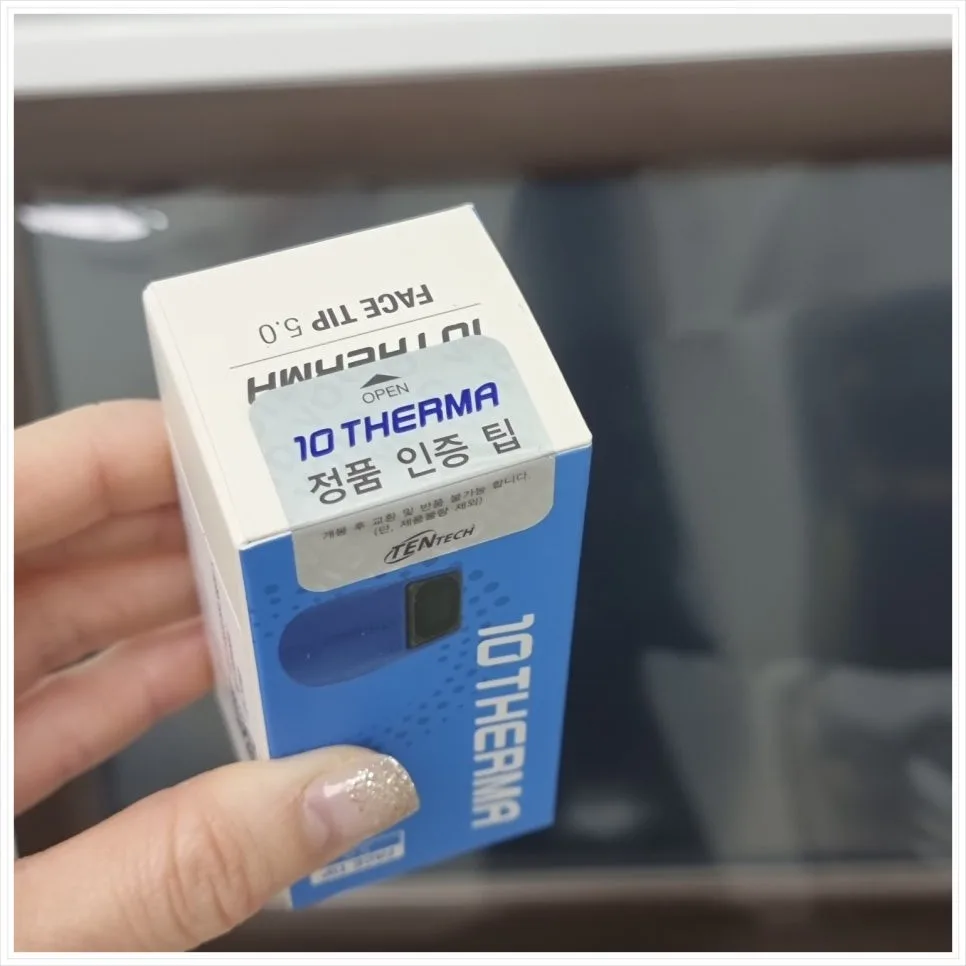
In Korea, the manufacturer reports MFDS authorization for both devices (TENTECH). The individual certificates and approved uses were not independently checked for this page, so ask the clinic for the product authorization number and the exact model. A manufacturing license is a different document.
Authorization applies country by country. When a listing says FDA, ask which country's regulator, which model and which indication. Readers from Japan should know that the health ministry there treats HIFU capable of tissue coagulation as a medical act requiring a physician (MHLW 2024). That notice concerns who may treat and does not approve any brand.
Can ultrasound tightening make a thin face look hollow?
It is a reported concern. Claims that it never happens and claims that it always happens are both unsupported. A 2025 review found few serious events in published studies, but it noted reports of atrophy and nerve injury in surveillance data (Dermatologic Surgery 2025). Those reports cannot give a rate or prove cause in each case. They concern another ultrasound platform, so there is no Tensera-specific risk figure.
The practical rule is to separate laxity from volume loss. Tightening does not add volume. If your main change is a thinner face, ask the physician which depth is planned over the cheeks and why. The structural aging guide explains the difference.
Does the FDA warning about RF microneedling apply to TenTherma?
No, the warning covers a different kind of device. The FDA's October 15, 2025 communication concerns radiofrequency microneedling, which delivers energy through small electrodes that enter the skin (FDA 2025). TenTherma applies monopolar energy from outside the skin.
That does not make TenTherma risk-free. It is still a heating device. The American Academy of Dermatology's response to the warning stressed medical expertise, knowledge of anatomy and the ability to manage complications (AAD 2025). That advice applies to any energy treatment.
Does it hurt, and do the cooling pulses make it safe?
Expect some discomfort, and treat cooling as a safeguard that has limits. The seven cooling pulses per shot are a manufacturer-described feature (TENTECH news). Cooling has a sound protective rationale (Journal of Cosmetic Dermatology 2022), but no comparative study was found that measures how much it reduces pain or burns. The November 2023 post also claimed an automatic stopping system for Tensera. Its exact specification and comparative safety benefit were not verified for this guide.
A meta-analysis of microfocused ultrasound with visualization reported moderate average pain, with substantial variation between studies (Aesthetic Surgery Journal 2025). These findings do not establish a Tensera pain score. Mild redness and swelling were reported in the combination study (Medical Lasers 2023, combination). Before treatment, agree on the pain relief plan and on how you will signal a stop.
Tell the clinician immediately about sharp or escalating pain during treatment. Afterward, seek prompt medical assessment for blistering, worsening pain, new facial weakness or persistent numbness. Eye pain or any change in vision needs urgent assessment. The Japanese notice lists eye injury and nerve paralysis among the harms reported after HIFU (MHLW 2024). Do not wait for the routine results review.
When should I judge the result, and do I need a repeat every two to three months?
Judge it over months. No study sets a universal repeat interval. The TenTherma pilot assessed at 4 and 16 weeks, and the Tensera series at about three months. Those are the windows in which change was measured.
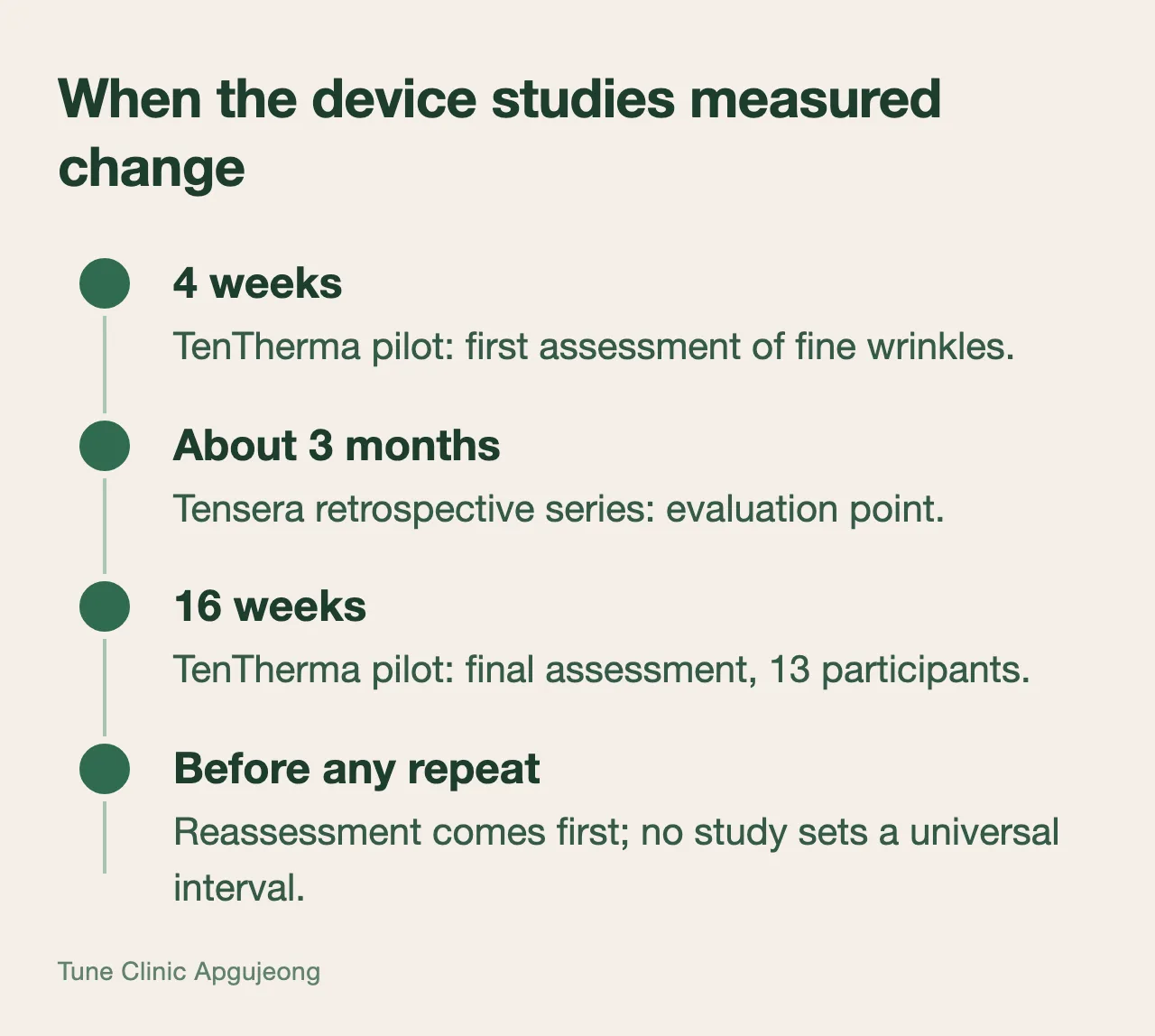
The studies do not establish an immediate lift, a one-month peak or a six-month duration. Maintenance schedules on commercial listings are sales context (Yeoshin listing). A reassessment should come before any repeat. If you are flying home soon after, ask how that review will happen. The pre-flight guide covers recovery buffers.
Is it worth having both devices in one visit?
There is a preliminary signal for the combination, and no proof that everyone gains from it. The only study of this pairing is the 36-patient retrospective comparison (Medical Lasers 2023, combination). It does not establish the best order, a required pairing or a repeat schedule.
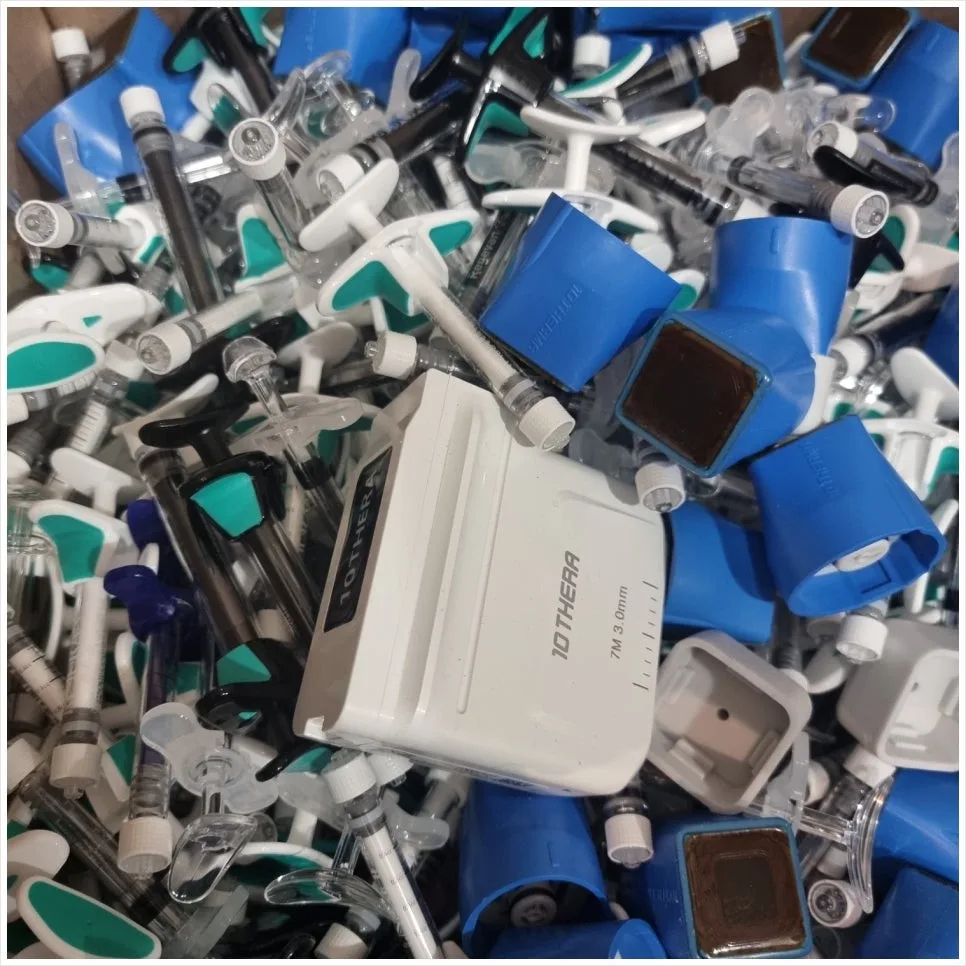
The reasoning is plausible, since the two energies heat tissue differently, but plausible is weaker than proven. Each device in a plan should have its own stated purpose for your face. If the only reason given is that the two are offered together, ask again.
Can Tensera replace a facelift, or make a later one harder?
It cannot replace a facelift. Thermal tightening does not reposition tissue or remove skin, and no comparative evidence shows equal results. The meta-analysis of microfocused ultrasound with visualization, a different platform, supports improvement in selected patients, with mixed study quality (Aesthetic Surgery Journal 2025). If you have marked excess skin or heavy jowls, a surgical consultation may serve you better.
On later surgery, the 2025 review found too little published evidence to say that prior ultrasound treatment compromises a facelift (Dermatologic Surgery 2025). The question is open. Tell any future surgeon about every device treatment you have had.
What did the 2023 and 2024 posts say, and what does the evidence support?
The posts on this topic ran from October 2023 to February 2024. Several of their claims are not supported by the evidence reviewed above.
- In November 2023 I wrote that 200 Tensera shots give an effect similar to 400 shots on other devices, and that every other ultrasound device fires a single line. The first was the manufacturer's line arithmetic and was never clinically validated. The second was not substantiated when written and is false as a current generalization.
- In the same post I said the result shows at once, stands out at one month and lasts up to six months, and I recommended a repeat every two to three months. The device studies do not establish that timeline or that interval.
- In December 2023 I described Tensera as a laser treatment that could match a surgical facelift. It is ultrasound, and no evidence supports the facelift comparison.
- I wrote in October 2023 that bipolar radiofrequency heats only the surface. Depth depends on electrode geometry.
- In December 2023 I also wrote that Korean approval meant efficacy and safety were verified, and I called TenTherma a fifth-generation device. Authorization is specific to an indication, and the generation label is marketing language with no regulatory meaning.
- In February 2024 I said seven cooling pulses meant little pain, and that the 400 W output and 5 cm² tip made treatment 20% faster than other lifting devices. Neither claim has comparative data behind it.
The posts also described Tensera as leaving the skin surface untouched, although redness and swelling are reported. Korean law restricts exaggerated medical claims and the omission of material adverse effects (Medical Service Act, Article 56). Rely on the evidence-based sections above.
What should I ask before treatment in Seoul?
- Which device and exact model will be used, and can I see the tip or cartridge label?
- On this device, does the number on my plan count shots or lines?
- What depth, energy setting and treatment area are planned, and will they be written in my record?
- Is my main concern laxity or volume loss, and what is each device meant to do for it?
- Which regulator authorized this model, and for what intended use?
- How do implanted electronic devices, other implants, pregnancy, active skin problems, my medicines and previous facial procedures affect whether I can be treated, according to this exact model's current instructions?
- What pain relief is offered, and how do I ask you to stop during treatment?
- Which symptoms should make me contact you at once, and who answers?
- When and how will the result be reviewed, and who do I contact after I fly home?
A physician's part in this decision is to give you the whole picture, including the thin evidence and the reported risks, and to say so when a device is the wrong tool for your concern. With that in place, the decision is yours. Ask for a named follow-up contact and a plan for review after you return home. Declining or waiting is also an option.
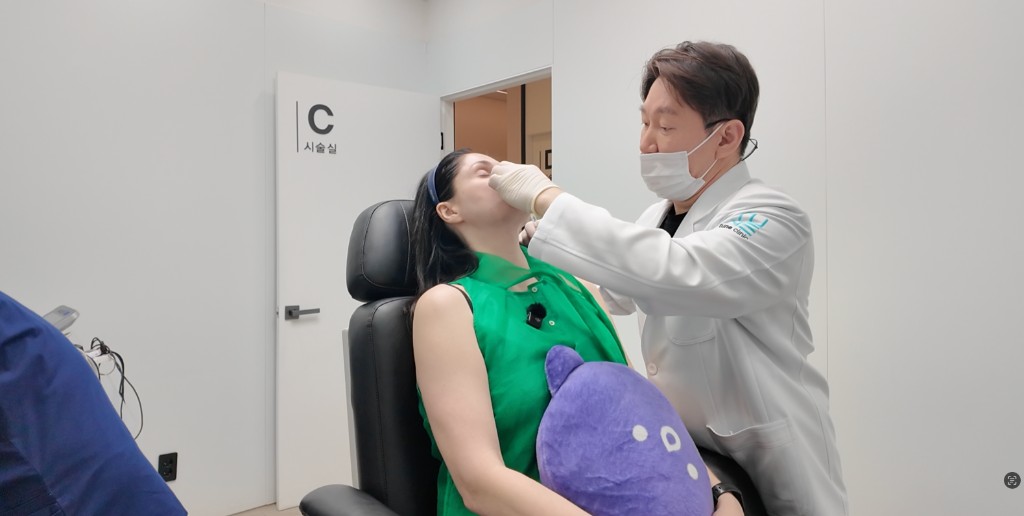
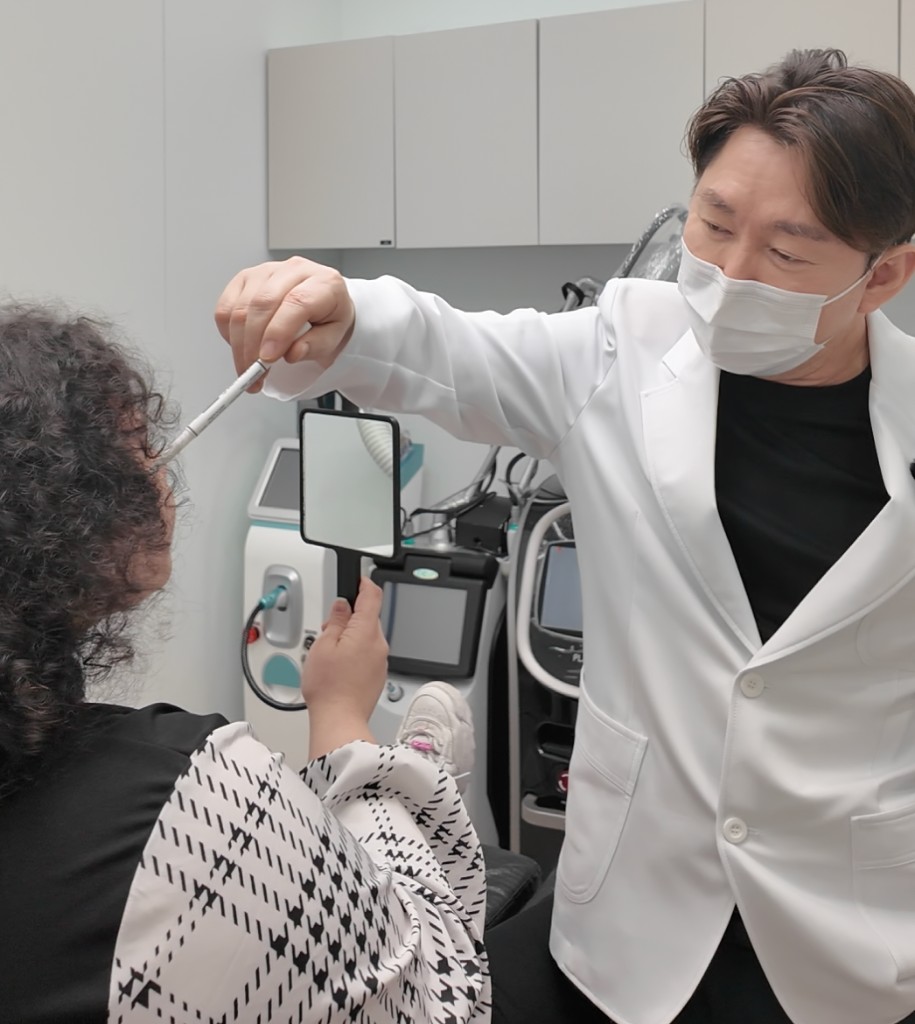
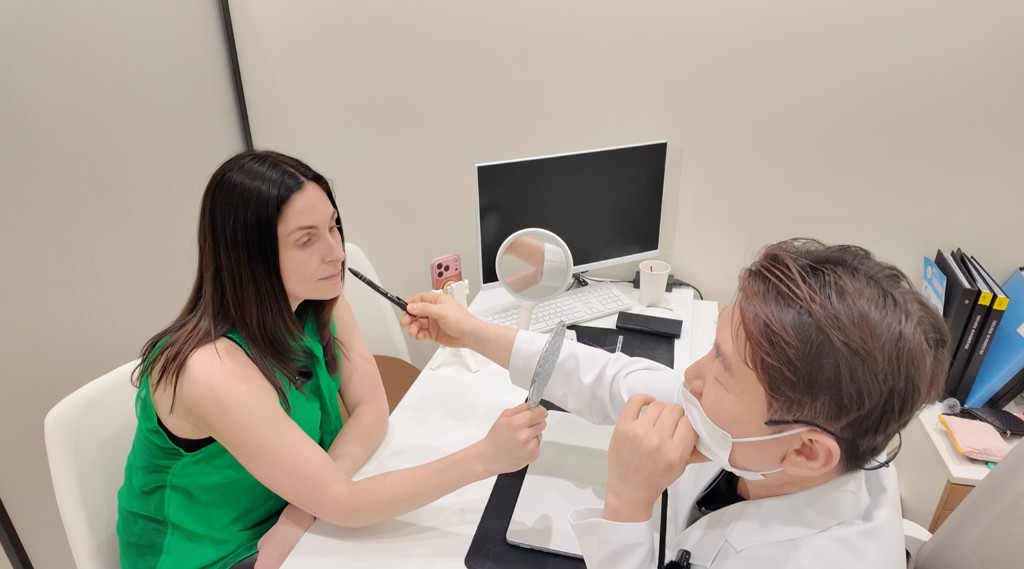
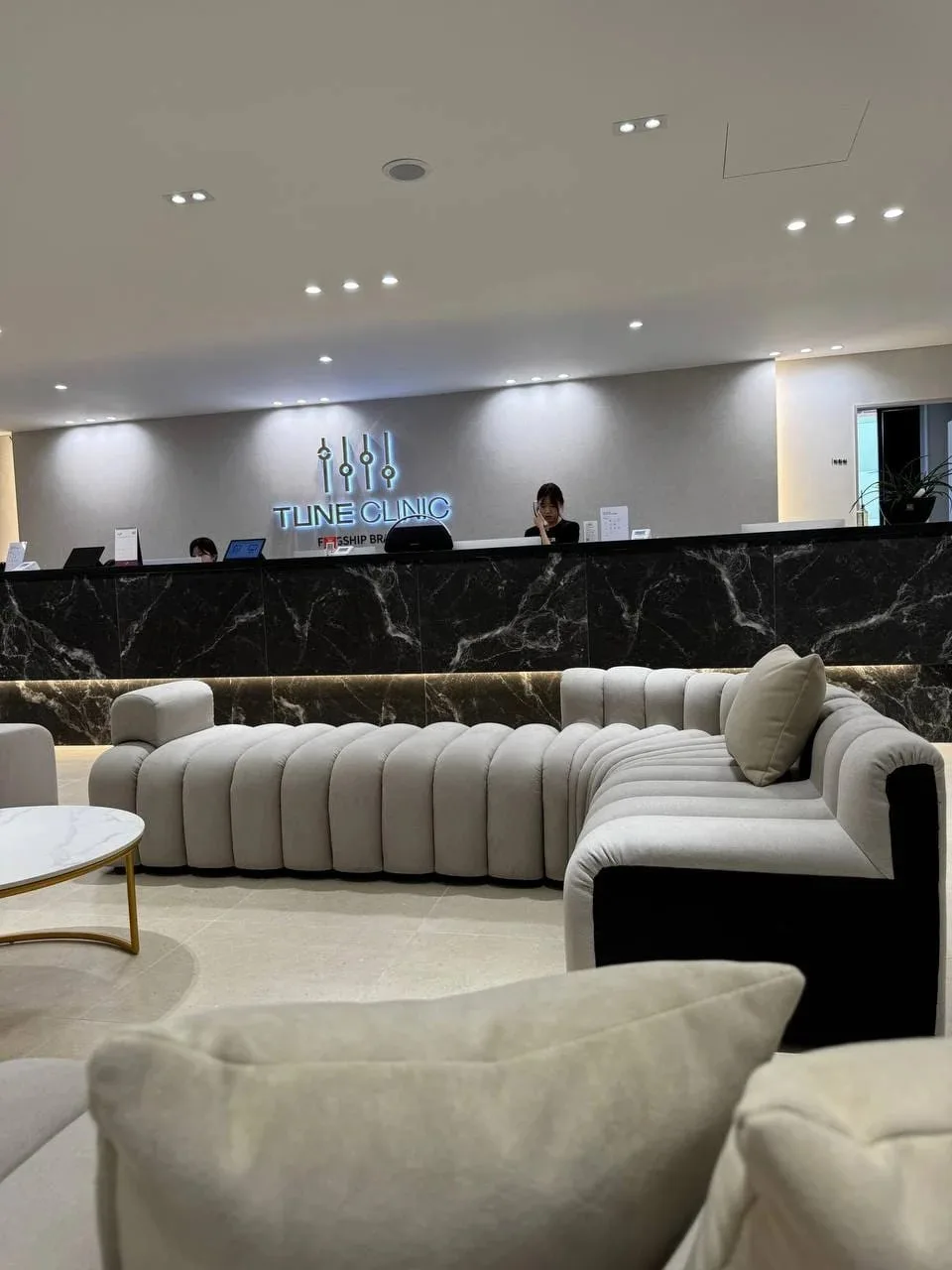
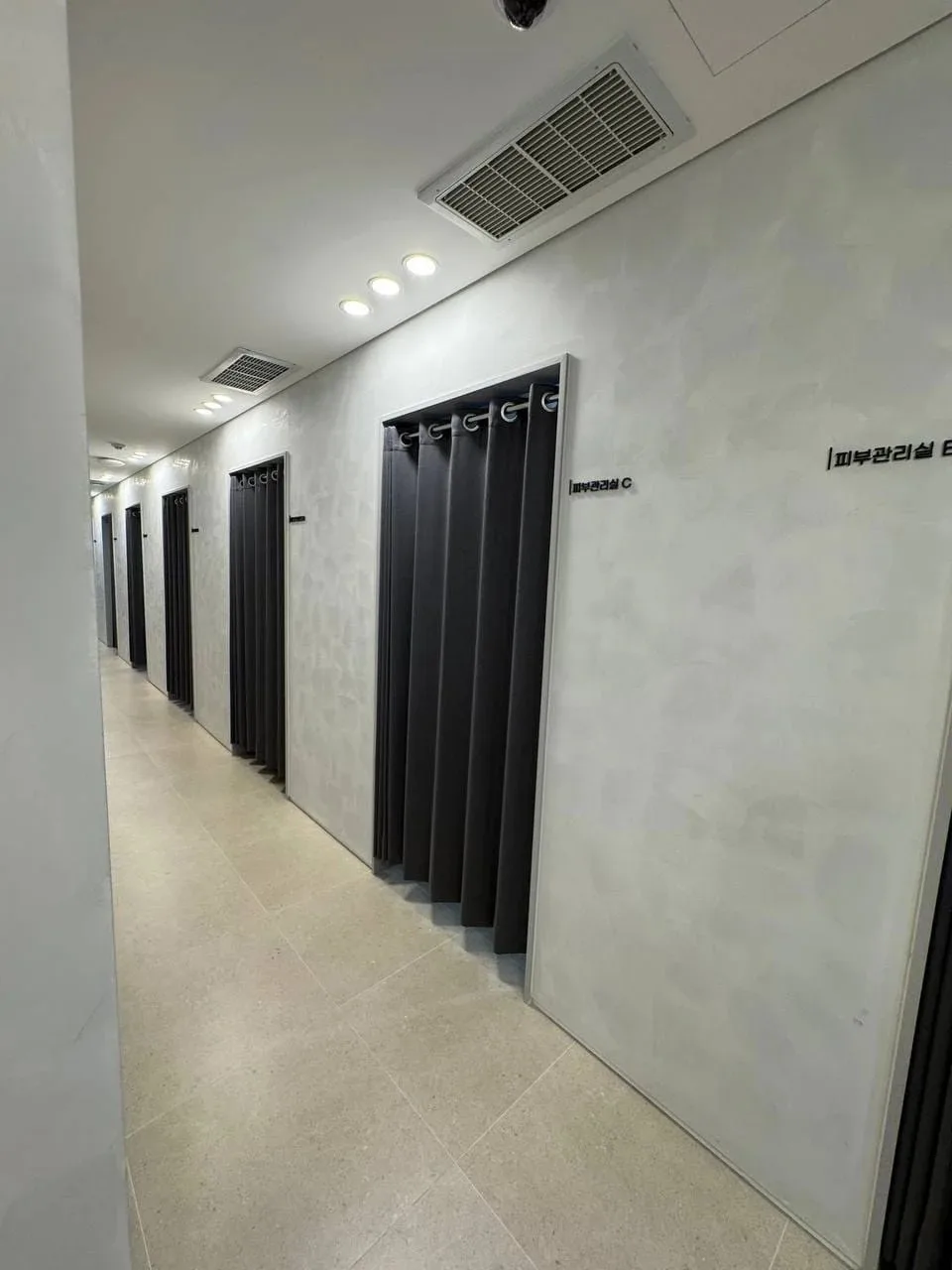
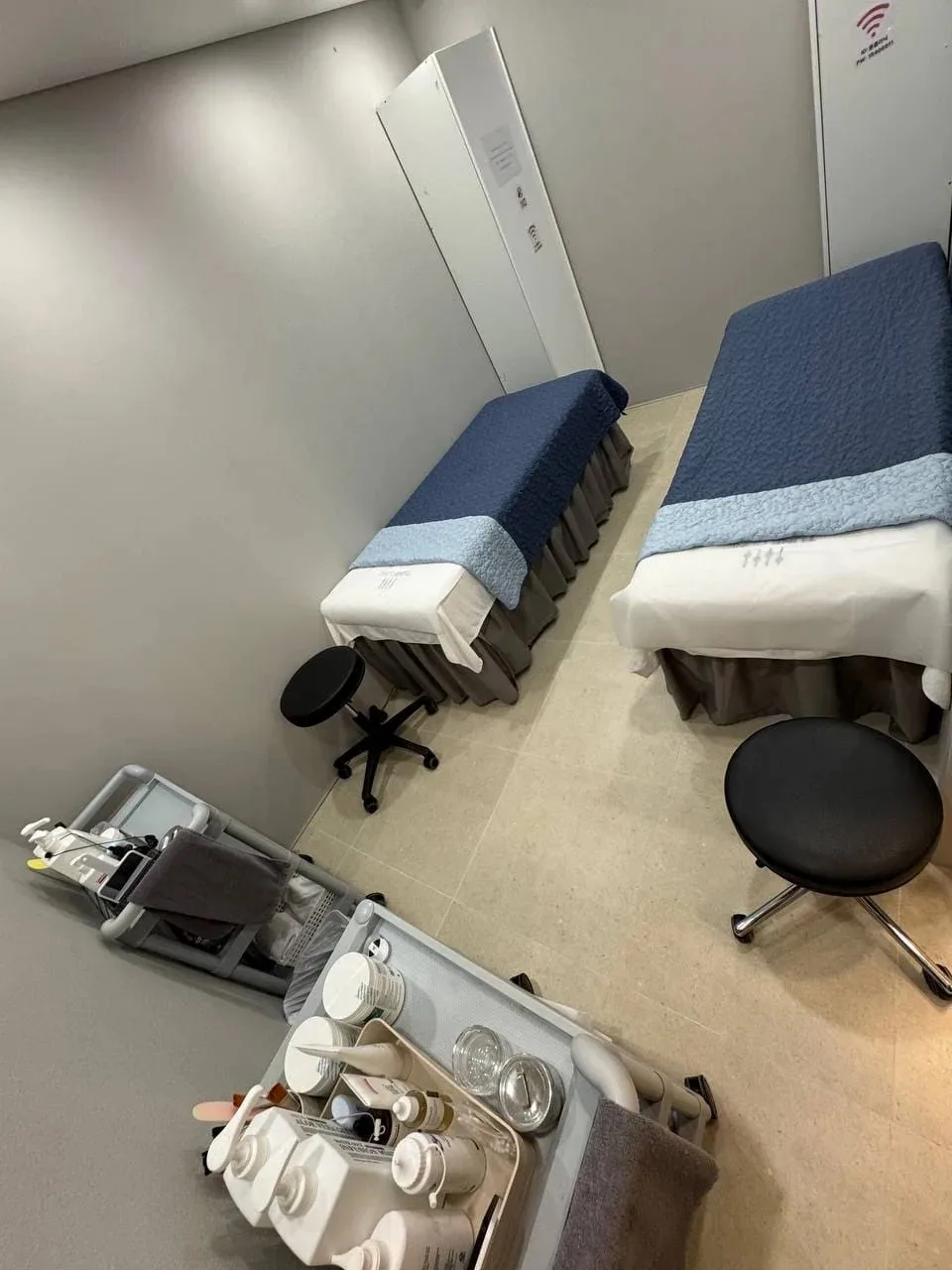
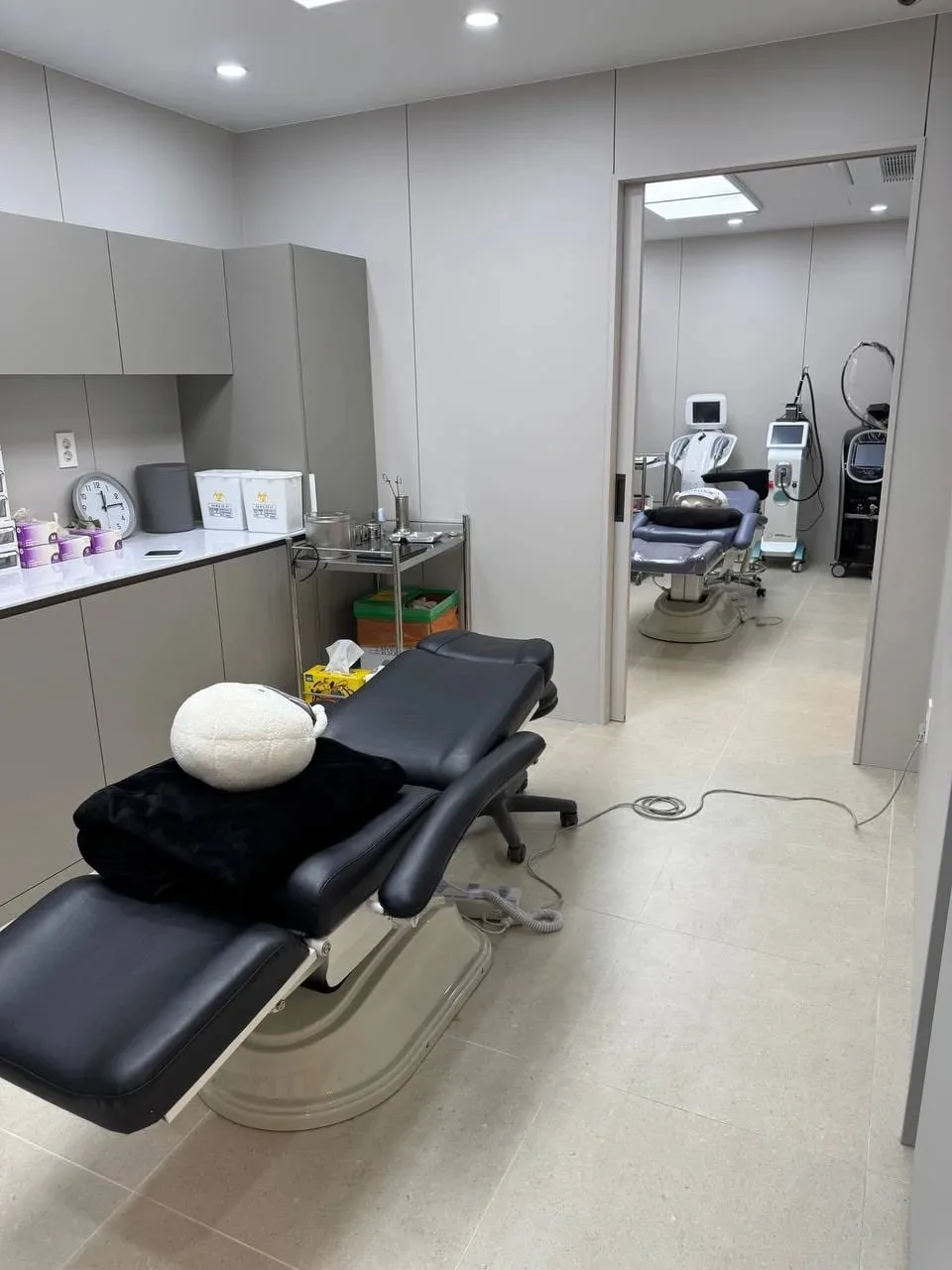
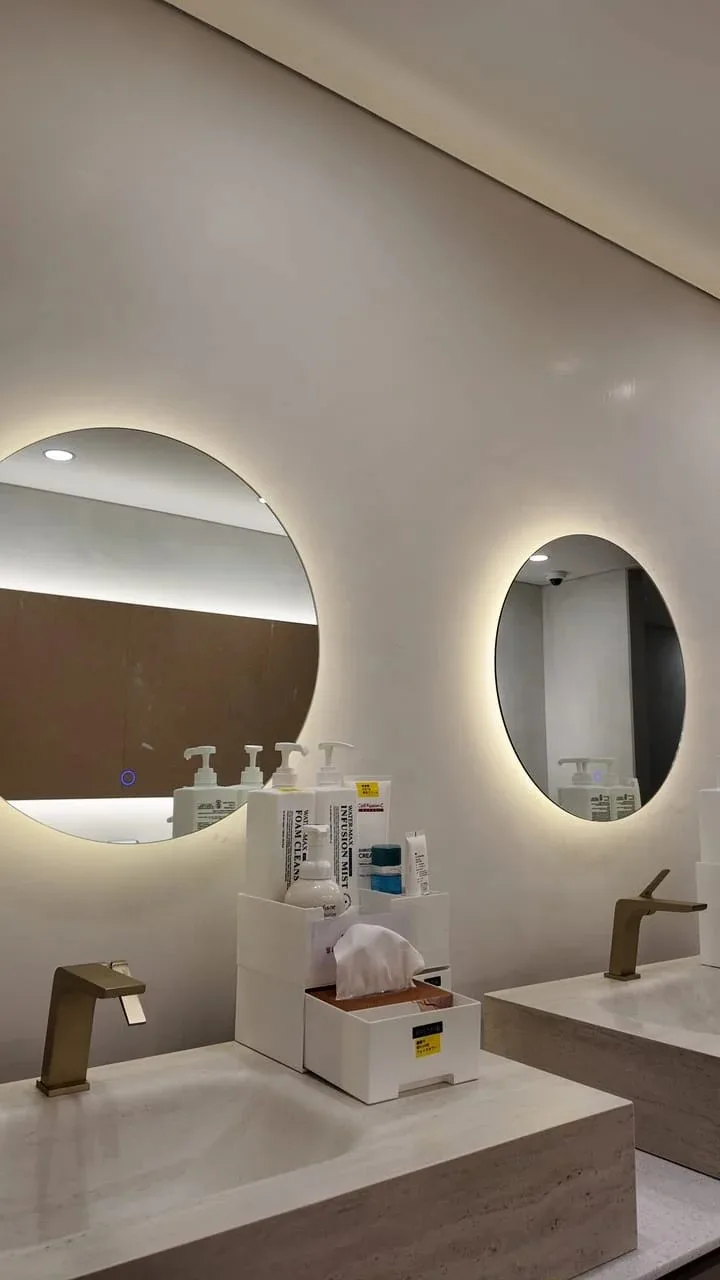
Tune Clinic Apgujeong today: the lobby, waiting areas and treatment rooms where consultations and treatments take place.
Sources
- US FDA. 10THERMA K232992 clearance letter and 510(k) summary. 2023. Monopolar design, return pad, 400 W maximum power, cleared indication, no clinical studies in the submission.
- TENTECH. Company history. Manufacturer site 2026. Device identities, manufacturer-reported authorizations, three-line HIFU launched in 2025.
- TENTECH. TENTECH obtains Russian certification for 10THERMA. Manufacturer news 2026. Manufacturer specifications, seven cooling pulses and 5 cm2 face tip.
- A multicenter pilot study of the effectiveness and safety of a monopolar radiofrequency device for improving periorbital and facial fine wrinkles. Journal of Dermatological Treatment 2025. Prospective pilot, 13 participants, assessments at 4 and 16 weeks.
- Clinical utility of the 2-line high-intensity focused ultrasound for skin tightening in Republic of Korea, retrospective clinical study. Medical Lasers 2023. Device-specific retrospective series, about three-month evaluation, 14-minute median procedure time.
- Skin tightening efficacy and safety, high-intensity focused ultrasound alone or in combination with monopolar radiofrequency treatment in Republic of Korea. Medical Lasers 2023. Retrospective combination study of 36 patients, mild redness and swelling reported.
- Microfocused Ultrasound With Visualization Effectiveness and Safety, A Systematic Review and Meta-Analysis. Aesthetic Surgery Journal 2025. Evidence on effect, pain and limits for microfocused ultrasound with visualization. Not Tensera-specific.
- Microfocused Ultrasound with Visualization, A Systematic Review of Adverse Events and Risk of Subsequent Facelift Compromise. Dermatologic Surgery 2025. Adverse-event reports including atrophy and nerve injury, uncertainty about later facelift difficulty.
- Korean National Law Information Center. Medical Service Act, Article 56. 2026. Limits on exaggerated medical advertising and omitted risks.
- US FDA. Safety Communication, Radiofrequency Microneedling. 2025. Scope of the October 15, 2025 warning.
- American Academy of Dermatology. Statement on the FDA Safety Briefing about Radiofrequency Microneedling Risks. 2025. Emphasis on medical expertise and complication management.
- Japan Ministry of Health, Labour and Welfare. Notice on HIFU procedures performed by persons without a physician's license. 2024. HIFU capable of tissue coagulation is a medical act requiring a physician. Cites eye injury and nerve paralysis.
- Yeoshin Ticket. TenTherma treatment listing. Undated. Commercial maintenance messaging and review incentives, not efficacy evidence.
- Introduction and overview of radiofrequency treatments in aesthetic dermatology. Journal of Cosmetic Dermatology 2022. RF physics, electrode geometry, cooling rationale.
- Monopolar Radiofrequency for Facial Hyperpigmentation Treatment, An Integrated Retrospective Clinical Trial and Ex Vivo Study. International Journal of Molecular Sciences 2026. Preliminary retrospective pigment and skin-quality findings in 26 women, with Thermage and 10THERMA groups. Not lifting evidence.
- TENTECH. 10THERA brochure. Undated. Manufacturer wording on two-line delivery, shot conversion and cartridge depths.