
You cannot tell how many Ultherapy shots you need from the number alone, because one shot is one treatment line and the total does not say which areas, which depths or what energy are planned (Ulthera instructions). The Korean recommendation of 600 to 1,000 lines, reported in 2021, was for whole-face treatment, so a smaller mapped area can reasonably use fewer (Korean guideline report 2021). Before you compare 300, 600 and 1,000, compare the treatment maps.
A visitor preparing for a consultation in Seoul has three treatment descriptions saved on a phone: 300, 600 and 1,000 shots. Each one says it covers the full face. None shows the same boundaries, and none explains how the lines are split between depths. The useful starting point is a blank facial map: which areas are being considered, which should be left alone, and what each area is meant to address. This scene is a composite of common questions, not a real patient.
Questions and answers
What does one Ultherapy shot actually mean?
One Ultherapy shot usually means one delivered treatment line, and each line contains several small points of heated tissue. The device focuses ultrasound energy at a set depth under the skin and creates separate thermal coagulation points along that line (Ulthera instructions). Nothing is injected.
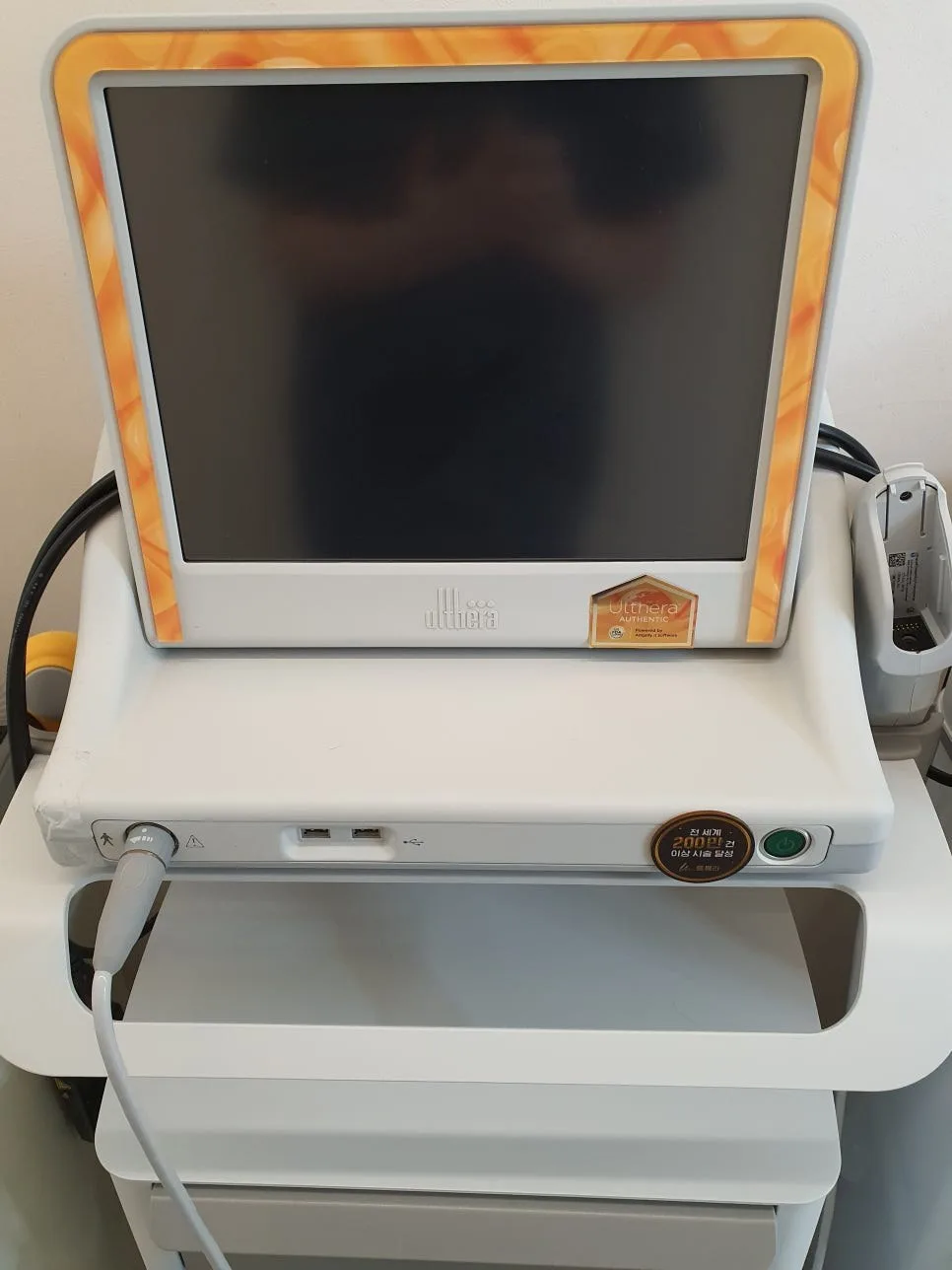
Shot is the word clinics use. Line is the word the device uses. A shot count from a different ultrasound or radiofrequency device is a different unit, so the numbers cannot be compared directly. If you search in Chinese or Japanese with a general word for ultrasound lifting, ask for the exact device name. The manufacturer publishes checks for confirming device identity (Ultherapy Asia).
Why can two plans with the same total be different?
Two plans with the same total can differ because the total leaves out placement, depth and energy. One 300-line plan may put every line into the lower face and under the chin. Another may spread 300 lines from the forehead to the neck. The tissue in each area receives very different coverage.
Depth matters too. A plan can divide its lines between more than one depth, as in a published dual-depth case series (Asia Pacific pilot series 2025). Ask whether a quoted total is the sum across all depths, and whether it covers both sides together or each side separately.
Before comparing totals, ask about the mapped areas, the lines assigned to each depth, the energy settings and the reason for treating each area. If these are missing, the total is not enough to compare. This is a consultation aid and has not been validated as a dosing formula. Published Korean expert guidance also plans from the individual's anatomy rather than from a fixed number (Korean expert paper 2025).
Where did the 600 to 1,000 number come from?
It came from a Korean expert recommendation for whole-face treatment, reported in 2021 after meetings convened by the manufacturer (Korean guideline report 2021). It is expert guidance with a commercial origin. It is not a regulatory requirement and not a trial that compared doses. The current US clearance lists indications such as eyebrow lifting and lifting of lax tissue under the chin and on the neck, and it sets no facial shot count (FDA K260618).
| Number you may hear | Where it comes from | What it covers |
|---|---|---|
| 600 to 1,000 lines | Korean expert recommendation reported in 2021, manufacturer-convened (report) | Whole face |
| 600 to 800 lines | Korean expert paper on Asian men, 2025 (PMC) | Full face and upper neck |
| About 300 lines | The 2022 post, a clinical judgment without controlled evidence | Limited lower-face treatment |
Each number belongs to a specific area. Moved to a different area, it means something else.
Is 300 enough, or is 600 the minimum?
Neither number is a rule for every face. Online, you can find one post that calls 600 the minimum after a certain age and another that says 300 is enough for a standard adult face (forum thread A, forum thread B). Both posts display the same account name, so they are not two independent opinions.
The published ranges are scoped protocols. They are not randomized proof of one best count (Korean expert paper 2025).
In my 2022 post I wrote that about 300 shots is enough for most younger people whose main concern is lower-face sagging. That was clinical judgment, and no controlled study sets that threshold by age. In the same post I listed sex, age, laxity, skin thickness, treatment area, face size and goals as the individual factors behind a count. Those are inputs to an anatomical plan. They do not form a formula. A limited area can use fewer lines, but the mapped scope decides that. A small face can still have complex anatomy, or little tissue that is suitable to treat.
Do more Ultherapy shots give a better result?
Not necessarily, because the evidence does not show a simple rule where more lines mean more lift. A systematic review found that response varies between patients and that studies measure improvement and satisfaction in different ways (systematic review 2025). A second 2025 review asked for better standardized studies (Lasers in Medical Science 2025).
Adequate coverage of an area is one thing. Piling lines onto the same place is another. The device instructions warn that lines placed too close together can overheat tissue (Ulthera instructions). I do not fire repeated lines onto one spot to push for a stronger result.
Can Ultherapy cause fat loss or sunken cheeks?
It has been reported, and nobody can say how often. The current US instructions list fat or volume loss among reports received after the device went on the market. Because such reports are voluntary, they cannot establish frequency or prove the cause in an individual case (Ulthera PRIME instructions).
So two common claims are both unsupported. One says fat loss cannot happen. The other says every treatment destroys facial fat. Some advertising presents a treatment design as free of cheek hollowing (marketplace listing). No published data shows that any design removes the risk.
I map existing hollows first and keep treatment lines away from them. My reasoning is that tightening an area that is already hollow can make it look deeper. This is cautious, anatomy-based planning of the kind expert consensus describes (Pan-Asian consensus 2021). How much it lowers risk has not been measured. If your face is thin, ask whether your concern is loose skin or lost volume. They call for different answers.
Does Ultherapy PRIME change how I should read the plan?
No, you read the plan the same way. A claim circulating online says the older device had no real-time imaging (forum discussion). That is incorrect. The legacy instructions already describe imaging of the tissue during treatment (Ulthera instructions).
PRIME updates the imaging and the workflow. The early Asia Pacific evidence is a manufacturer-sponsored series of 30 participants with no randomized comparison against the older device (Asia Pacific pilot series 2025). That is too small to show that rare harms are gone, and it does not set a new universal count.
Does more swelling mean the treatment worked better?
No, pain and swelling are not a validated measure of effect. A 2026 expert consensus on complications describes reactions that vary between people, with added swelling when treatments are combined (complications consensus 2026).
Some symptoms need assessment rather than patience. The device instructions list burns, blisters and nerve effects such as weakness and numbness among possible adverse events (Ulthera PRIME instructions). Contact the treating clinician promptly for blistering, burns, new facial weakness or asymmetry, new or worsening numbness, or severe or increasing pain or swelling. Seek urgent medical care for eye pain or vision changes.
How long can swelling, tenderness or numbness last?
They follow different timelines. US labeling describes mild swelling as typically resolving within 3 to 72 hours, tenderness within 2 days to 2 weeks, and transient numbness within 2 to 6 weeks (Ulthera PRIME instructions). These are typical ranges. They are not maximums, and they are not a reason to delay reporting a new symptom.
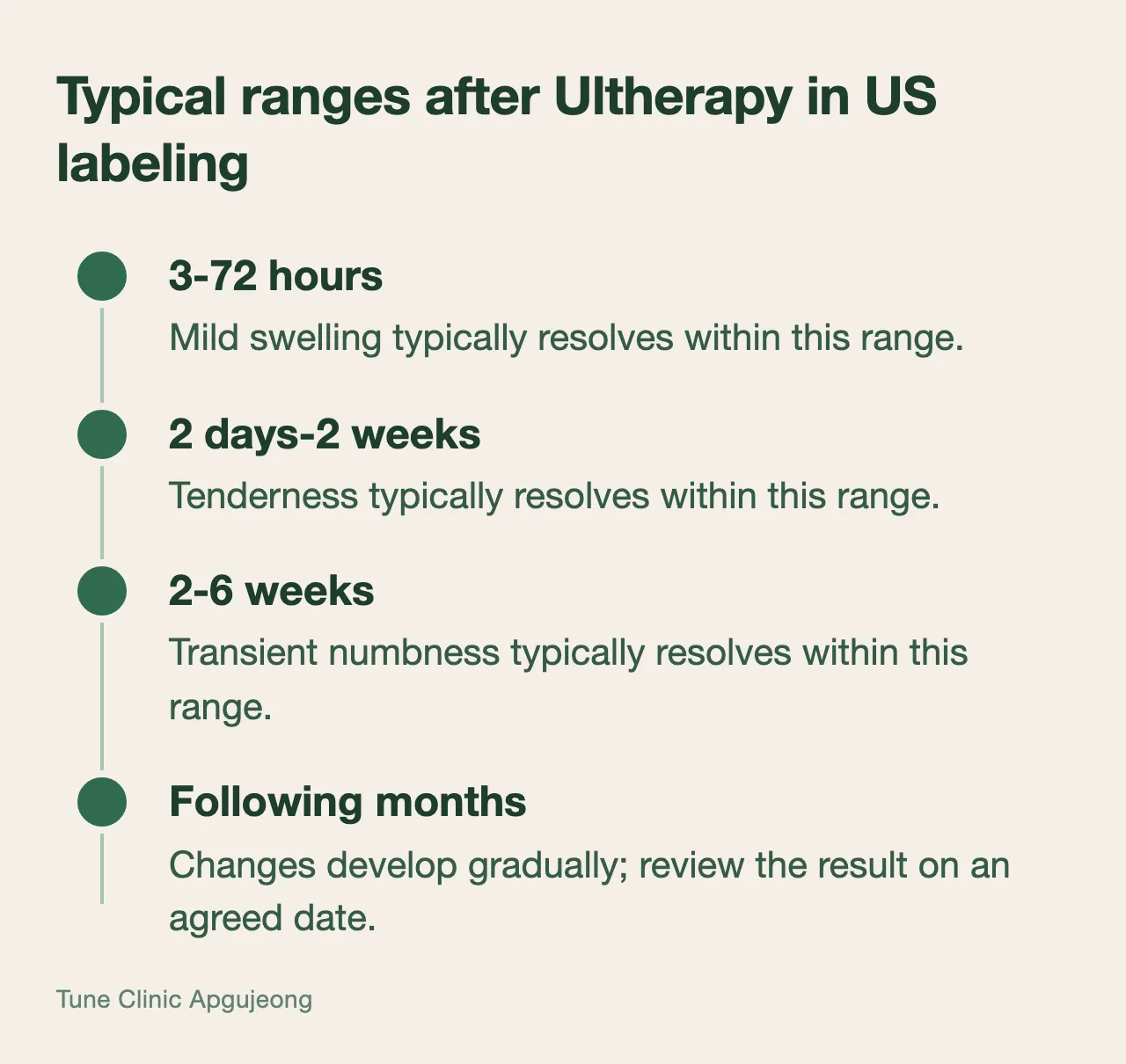
In 2022 I told patients that swelling lasts one month at most, and that only some people take that long. No universal maximum is established. Symptoms that persist need an examination.
In the same post I advised anyone worried about swelling to discuss shot count and intensity with the physician beforehand, or to postpone. A smaller plan may also change what the treatment can do, and a lower count does not guarantee a short recovery before a flight or an event. For timing, see Planning Aesthetic Treatment Before a Flight.
Which statements in the 2022 post are now outdated?
Several statements in the August 2022 post are not supported by current evidence.
In 2022 I wrote that swelling rises in proportion to shot count and energy, so 600 shots swell more and longer than 300. That simple relationship is not established. Tissue, distribution, technique and combined procedures also matter (complications consensus 2026).
I wrote that everyone I treated saw an effect. Studies show that response varies and that true non-response happens (systematic review 2025). The post explained disappointment as a mismatch between the expected effect and the real one. That explains some cases. It should not be used to dismiss a patient's view.
In 2022 I attributed a general no-fat-loss position to the manufacturer, but immediately noted occasional hollowing and described precautions. That historical manufacturer position has not been independently verified, and the current instructions list fat or volume loss among reported events (Ulthera PRIME instructions).
I wrote that older patients with several concerns need more shots and combined treatments, and that customized combinations work much better. Published expert guidance plans from anatomy, and age alone does not dictate a larger plan (Korean expert paper 2025). The 2025 review of focused ultrasound does not establish that adding another procedure improves outcomes over Ultherapy alone (Lasers in Medical Science 2025).
Two points of context help. The device has been FDA-cleared in the United States since 2009 (FDA K072505), and clearance in one country does not establish authorization in another. The October 2025 FDA safety communication concerned radiofrequency microneedling, a different device category (FDA 2025, AAD 2025). It was not an Ultherapy recall.
If I see little change, should I add more shots?
Not automatically. Changes develop gradually over the following months, and clinical studies assess results at follow-up visits months after treatment (systematic review 2025). Agree on a review date with your physician before judging the response or considering additional treatment.
One physician's published advice on this question is to review the treatment map and depths before adding anything (public physician Q&A 2026). A gap between the agreed count and the delivered count is a records question. A disappointing response after the planned treatment is a clinical question. Each needs its own review, and adding lines before that review adds exposure without a clear reason.
When is another treatment, or waiting, the better choice?
When the main concern is not loose skin, when laxity is minimal, or when the timing is wrong. Clinical studies mostly examine treatment of existing laxity. They do not show that a particular shot package prevents future aging (systematic review 2025).
I do not insist on Ultherapy for every face. Another device, a limited treatment or no treatment can be the right answer. Any added procedure needs its own reason and its own discussion of risk. For a comparison of options, see Oligio vs Ultherapy vs Thermage.
What should I ask at my consultation?
Ask to see the plan before treatment and the record after it. The device instructions describe treatment records (Ulthera instructions).
- Which device and model will be used, and how can I verify it?
- Is the quoted total for both sides of my face, and is it the sum across all depths?
- Which areas are included, which are excluded, and why?
- How many lines are planned at each depth?
- Do I have hollow or thin areas, and how does the plan handle them?
- Will I receive a record of the lines delivered, with any change from the plan and the reason?
- When will the result be reviewed, and what happens before anything is added?
- Who handles follow-up, and how do I reach them if a concern arises?
In 2022 I showed our device with its authenticity certification. Manufacturer verification can help confirm what the device is (Ultherapy Asia). It does not show that the areas, depths or line count were right for your face.
A shot count is a small part of a treatment decision. The physician's responsibility is to explain the map, the risks and what remains uncertain before treatment, and to answer for the plan that is delivered. In my 2022 post I wrote that accurate information should be passed on as it is, which is why I told patients about swelling before treating them. The decision is yours, made with that information in hand.
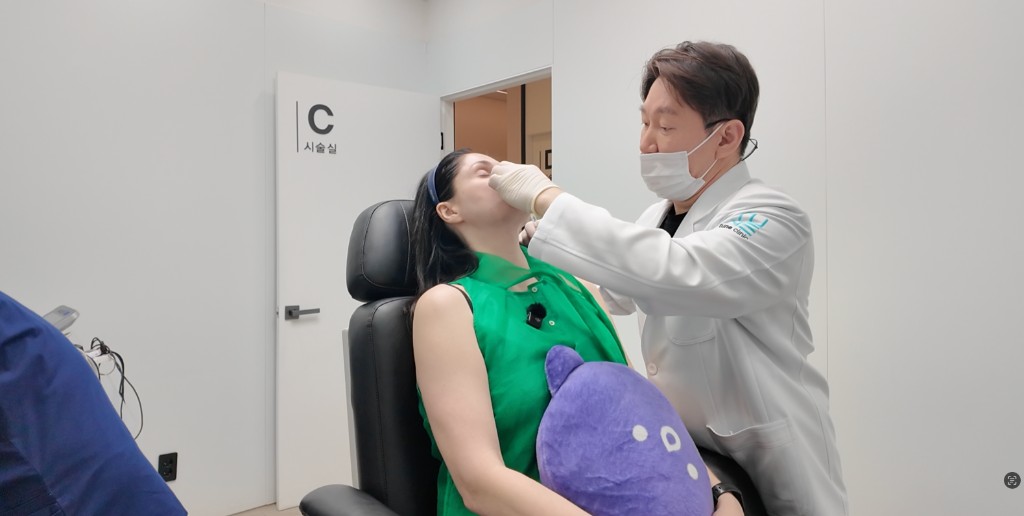
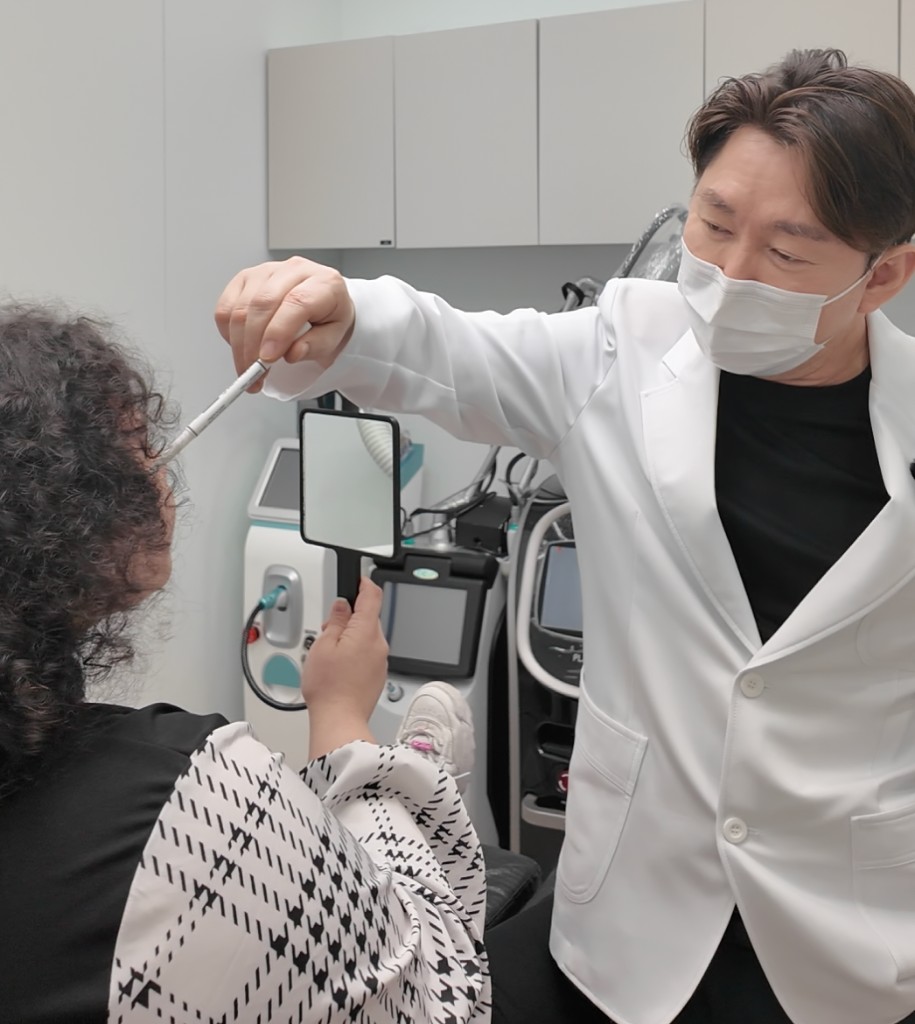
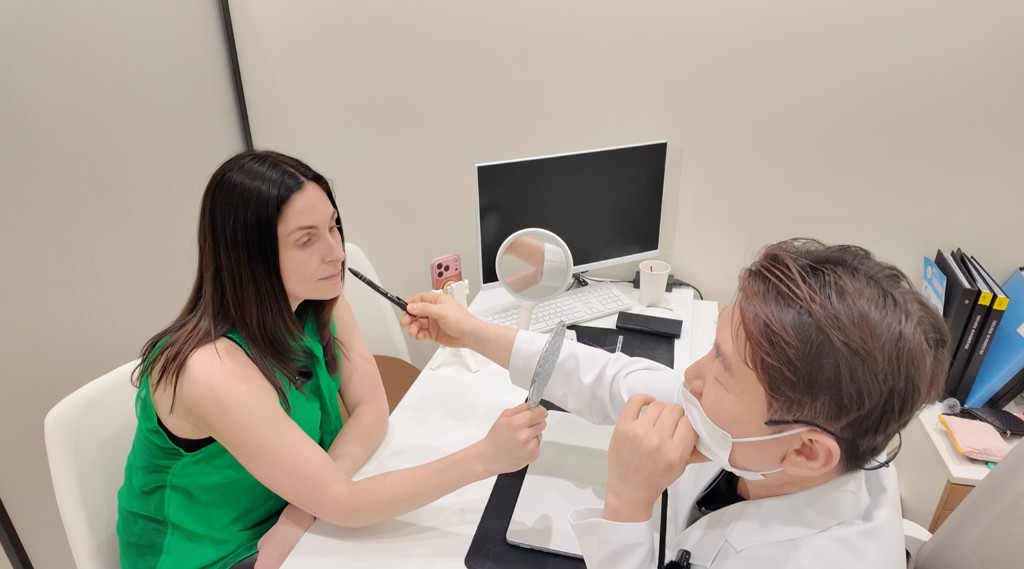
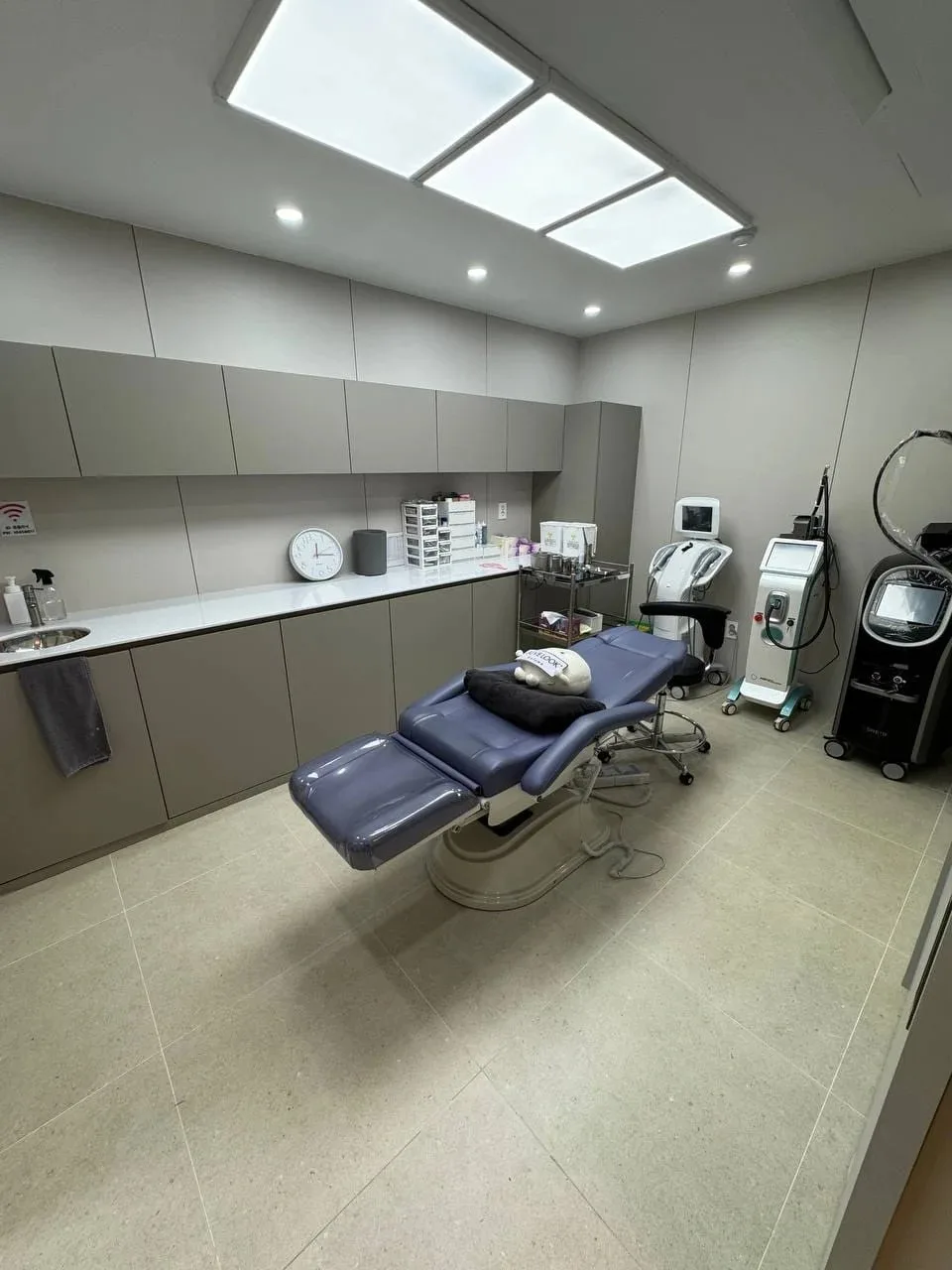
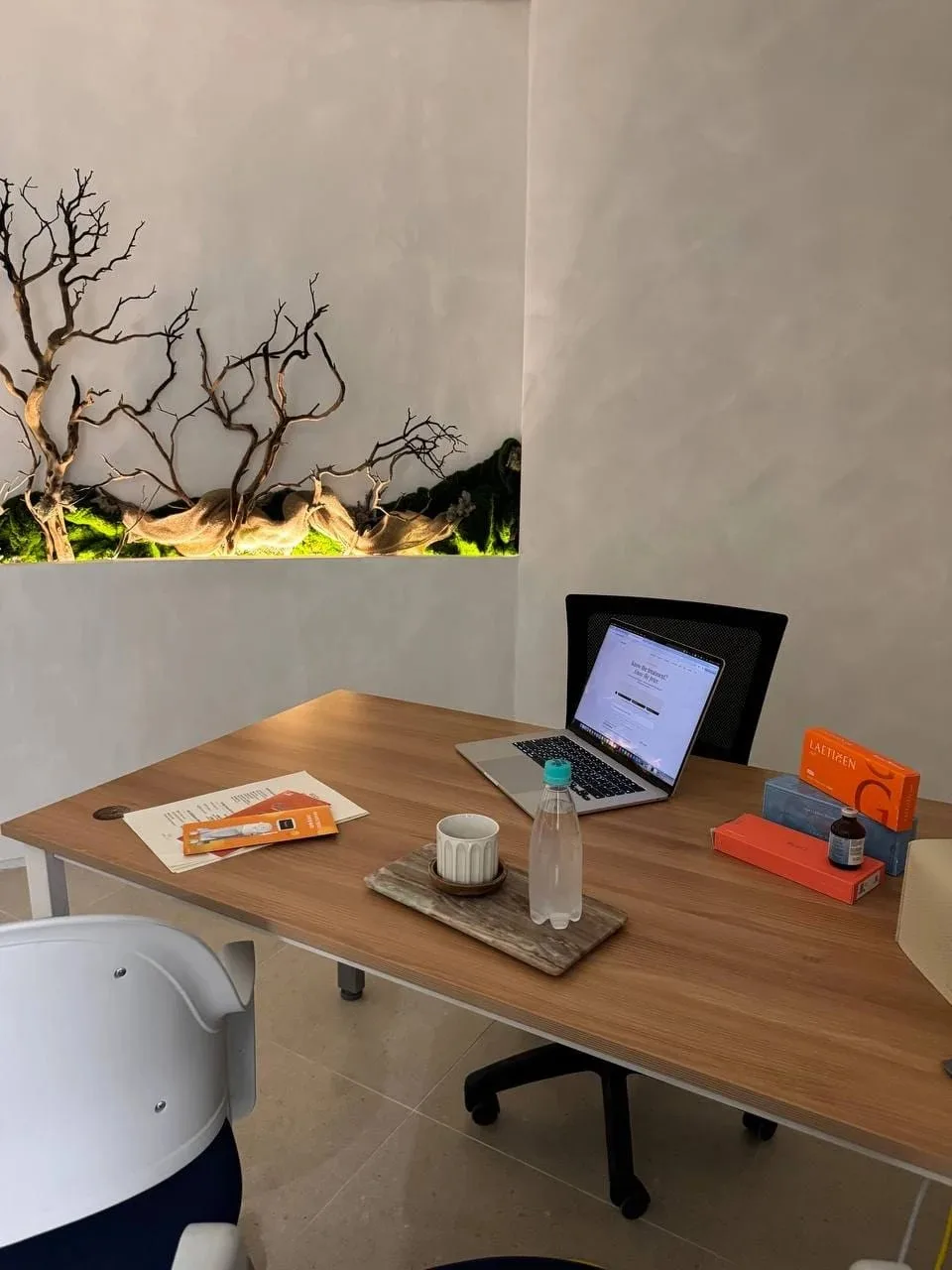
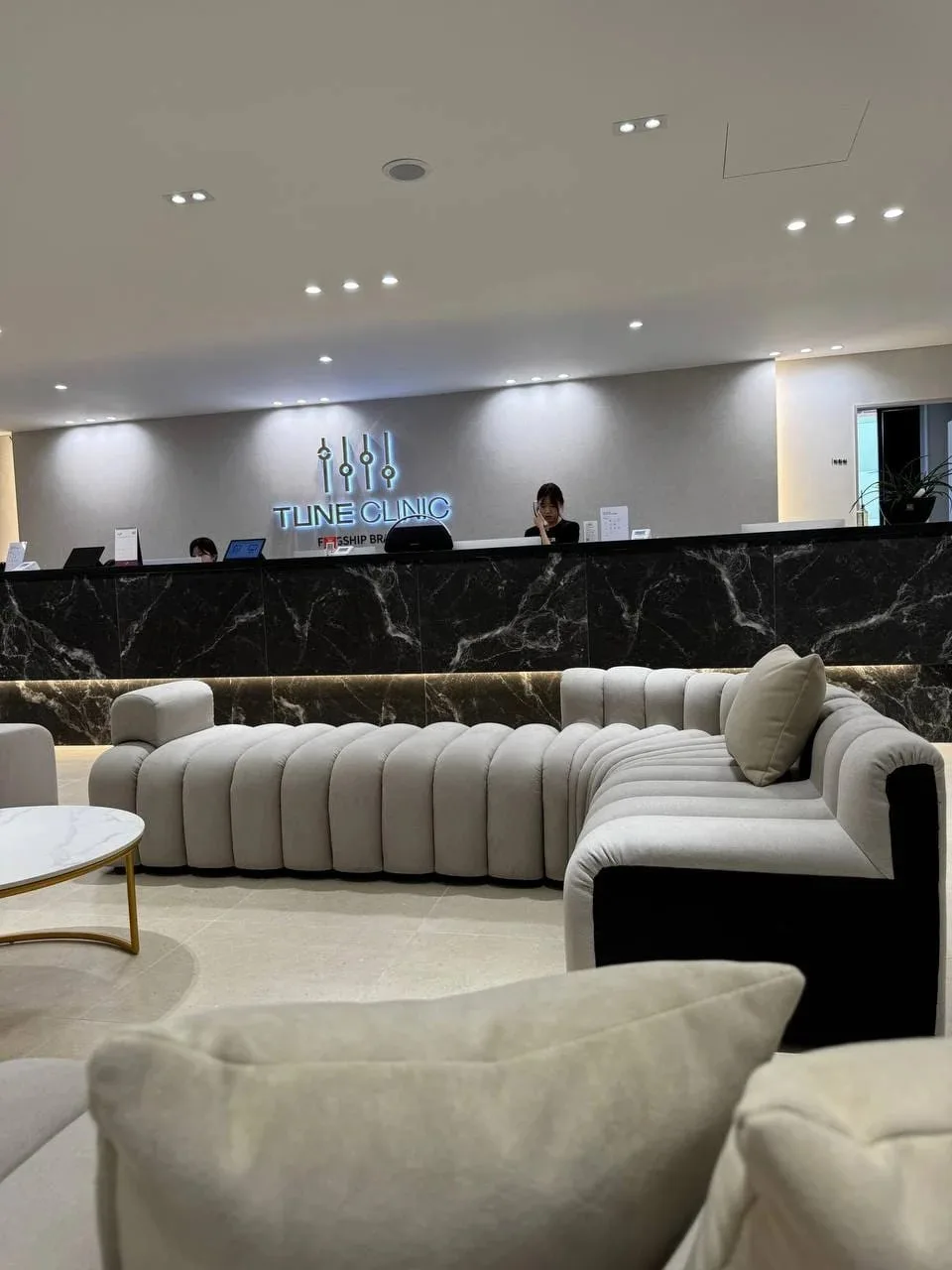
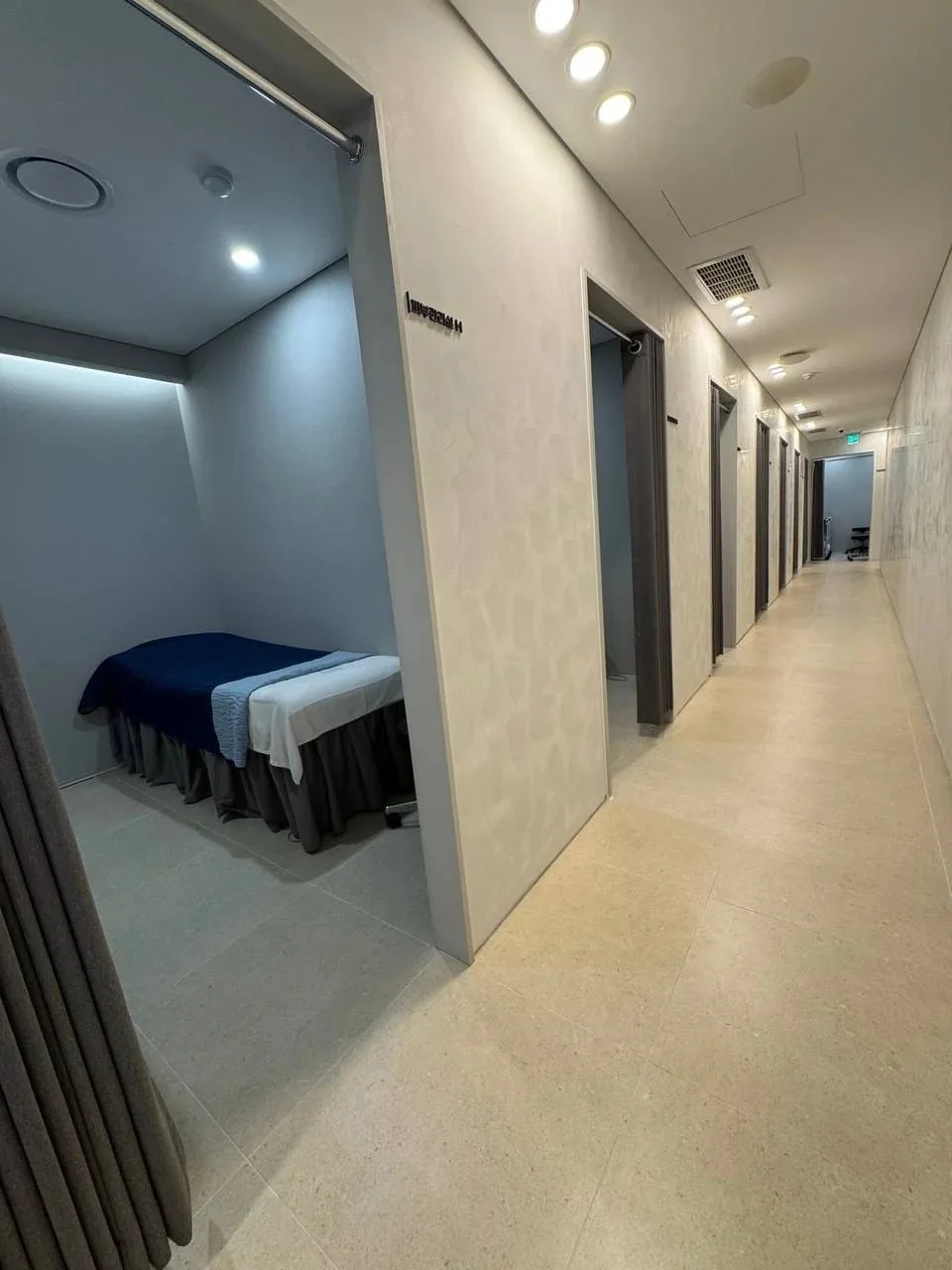
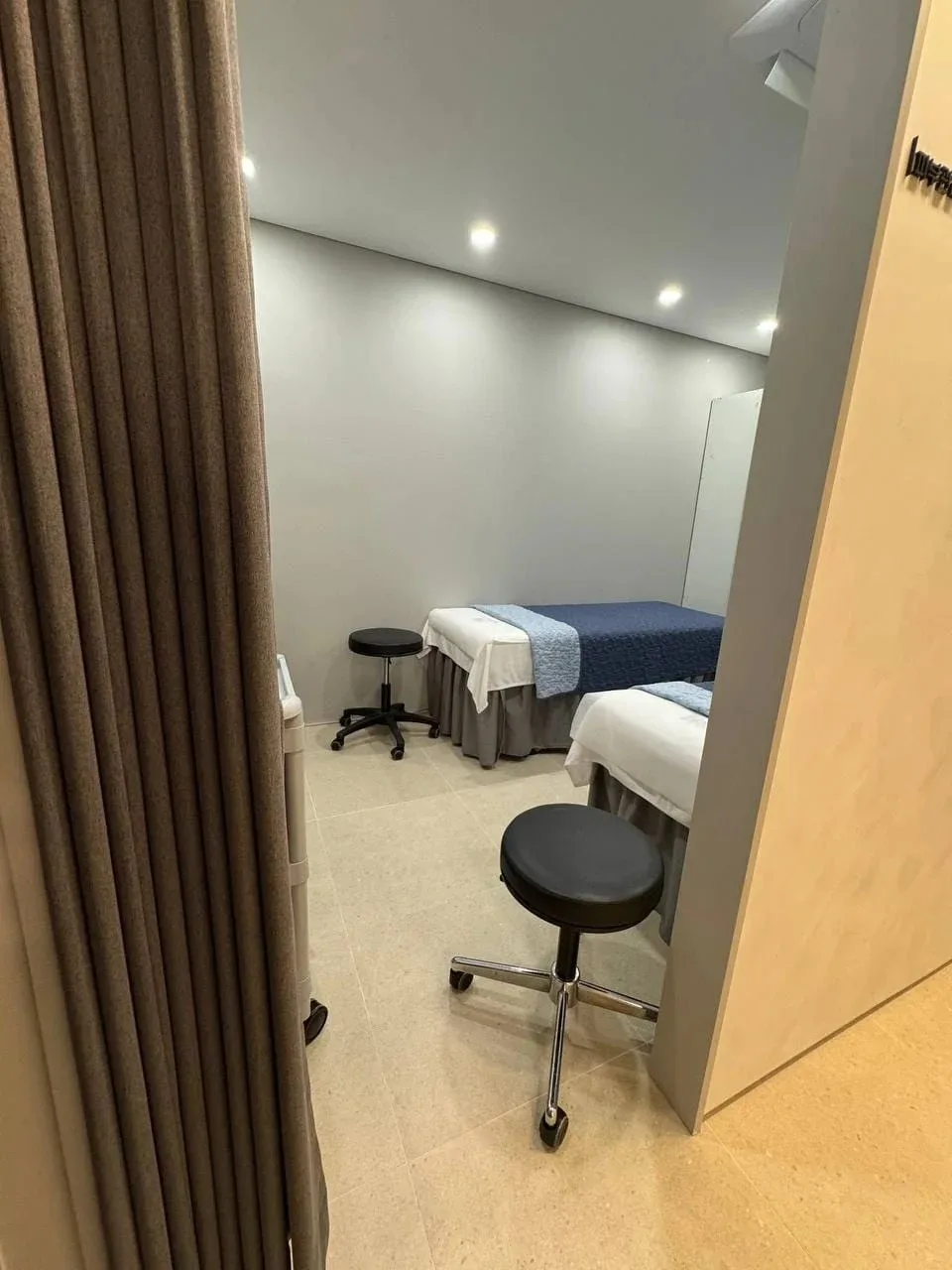
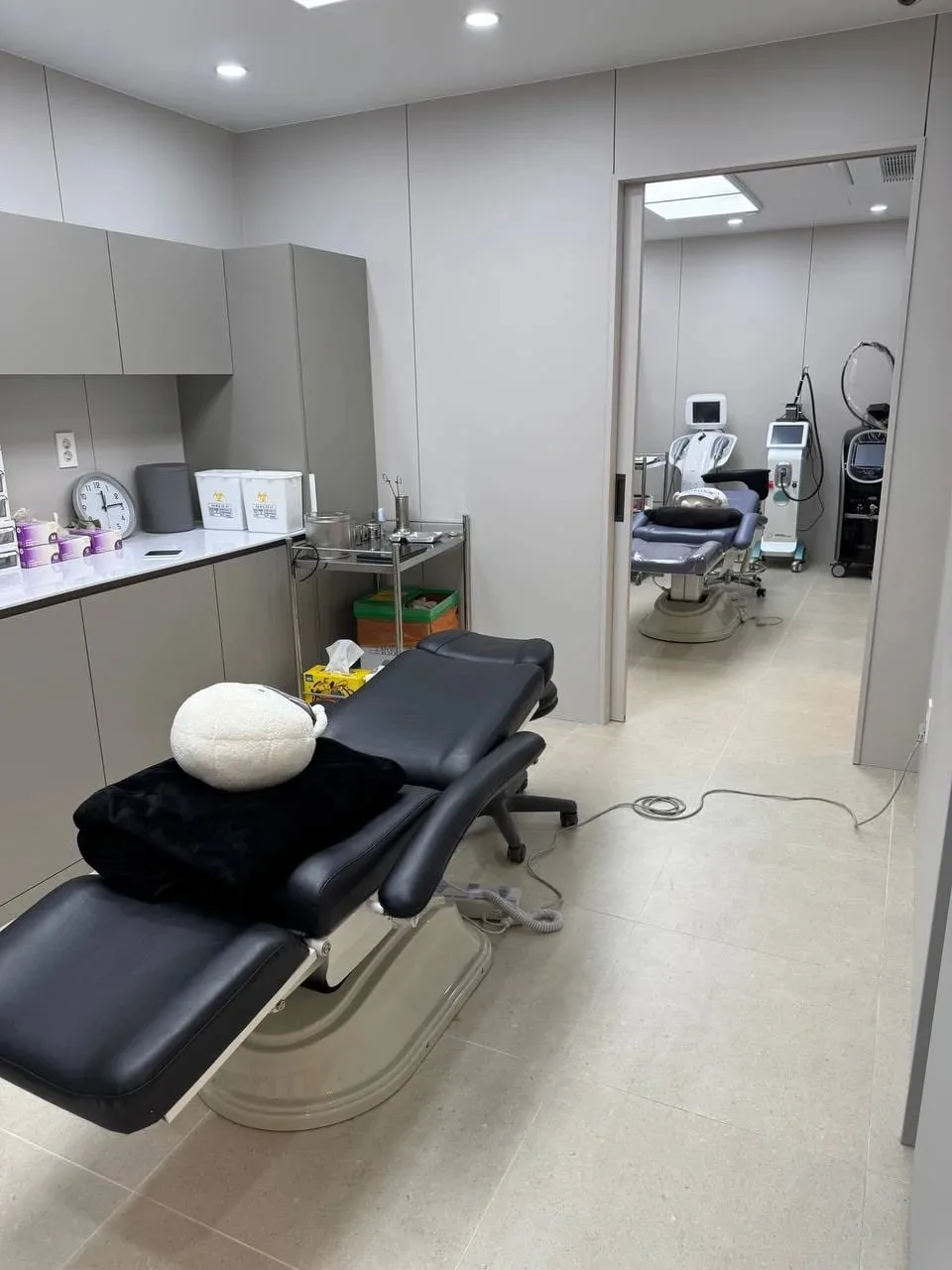
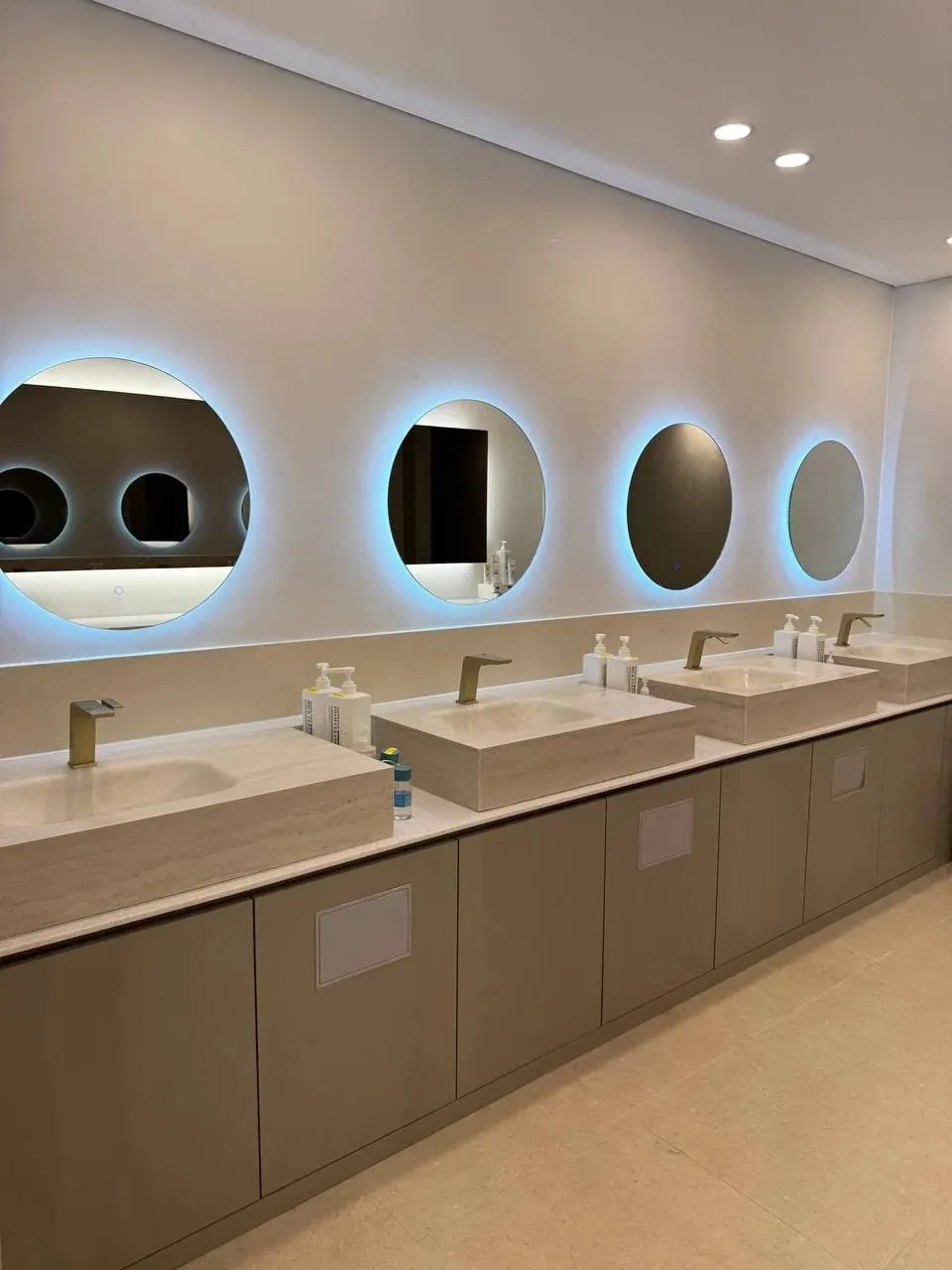
Tune Clinic Apgujeong today: the lobby, waiting areas and treatment rooms where consultations and treatments take place.
Sources
- Ulthera / Merz Aesthetics. Ulthera System Instructions for Use, PRIME. Manufacturer instructions, accessed 2026-11-12. Typical duration of edema, tenderness and numbness; listed adverse events; postmarketing reports of fat or volume loss and the limits of voluntary reports
- Korean medical trade news report on the Korean ultrasound lifting guideline, latest edition. 2021. The 600 to 1,000 line whole-face recommendation and its manufacturer-convened origin
- Ulthera. Ulthera System Instructions for Use, legacy DeepSEE system. Manufacturer instructions, 2021. Mechanism, treatment-line terminology, legacy imaging, line spacing precautions, treatment records
- Customized Treatment Using Microfocused Ultrasound with Visualization for Optimized Patient Outcomes. Journal of Clinical and Aesthetic Dermatology, 2021. Anatomy-based planning; expert consensus with manufacturer support
- Microfocused Ultrasound With Visualization Effectiveness and Safety: A Systematic Review and Meta-Analysis. Aesthetic Surgery Journal, 2025. Variable response, follow-up assessment and limits in how improvement and satisfaction are measured
- Customizing Microfocused Ultrasound With Visualization Treatment for Facial Lifting in Asian Men. Journal of Cosmetic Dermatology, 2025. Individual anatomical planning; scoped 600 to 800 line protocol for full face and upper neck
- Evidence-Based Management Recommendations for MFU-V Complications. Journal of Cosmetic Dermatology, 2026. Variable recovery, extra edema with combined treatments, recognition of complications; literature review and expert consensus
- Early Experience With Ultherapy Prime in Asia Pacific: A Pilot Case Series. Plastic and Reconstructive Surgery Global Open, 2025. PRIME platform description; 30-participant manufacturer-sponsored series without a randomized comparator
- Systematic review and meta-analysis of microfocused ultrasound treatment for sagging skin. Lasers in Medical Science, 2025. Limits of comparative evidence and the need for standardized studies
- Public patient and physician Q&A platform. Question on line totals and top-ups, 2026. A physician's advice to review the map and depths, and to allow time, before adding treatment; individual opinion
- US Food and Drug Administration. Ulthera System K260618 510(k) Summary. 2026. Current US indications
- Ultherapy / Merz Aesthetics. Authenticity, Ultherapy Asia. Manufacturer guidance, accessed 2026. Manufacturer checks for device identity
- US Food and Drug Administration. Ulthera System K072505 corrected classification letter. 2011. Original September 2009 US authorization
- Reddit r/KoreaSeoulBeauty. Ultherapy. Public discussion, 2026. Example of the mistaken belief that the older device had no real-time imaging
- Reddit r/K_beauty_insider. Ultherapy shot counts and the Ultherapy Prime upgrade controversy. Public discussion, 2026. Example of a fixed 600-line minimum claim
- Reddit r/K_beauty_insider. Stop getting scammed by clinic shot counts. Public discussion, 2026. Example of the opposite claim that 300 lines are generally enough
- Korean commercial treatment marketplace. Promotion page, accessed 2026. Example of advertising that presents a design as avoiding cheek hollowing
- US Food and Drug Administration. Safety Communication: Radiofrequency Microneedling. 2025. The October 2025 communication concerns RF microneedling, a different device category
- American Academy of Dermatology. Statement on the FDA Safety Briefing about Radiofrequency Microneedling Risks. 2025. Society response specific to RF microneedling