
Rejuran cannot honestly be promised as painless, and the number of bumps left after injection is not a validated sign that the treatment worked. The one published trial comparing needle injection with a needle-free jet device enrolled 10 people, so it does not settle the hand versus machine question (Journal of Cosmetic Dermatology 2025). Compare the exact product, the delivery method, the target and the follow-up plan instead.
You have two Seoul clinic menus open. One offers hand-injected Rejuran and shows a cheek covered in tight rows of bumps. The other offers a machine option and promises less discomfort and fewer marks. This is a composite scenario based on questions raised across the clinic's 2022-2024 posts, not a real patient account. Before you choose, you need to know which product each menu means, which device delivers it, how pain is handled and who you can reach if recovery runs long.
Questions and answers
What is actually in a syringe labeled Rejuran?
Rejuran is a brand family, and its injectable products are based on polynucleotide (PN) purified from salmon (PharmaResearch). In 2022 I explained PN as DNA building blocks linked into a long chain, with PDRN as the shorter version. That broad distinction matches the literature, but the two are not interchangeable clinical products (MDPI review 2024).
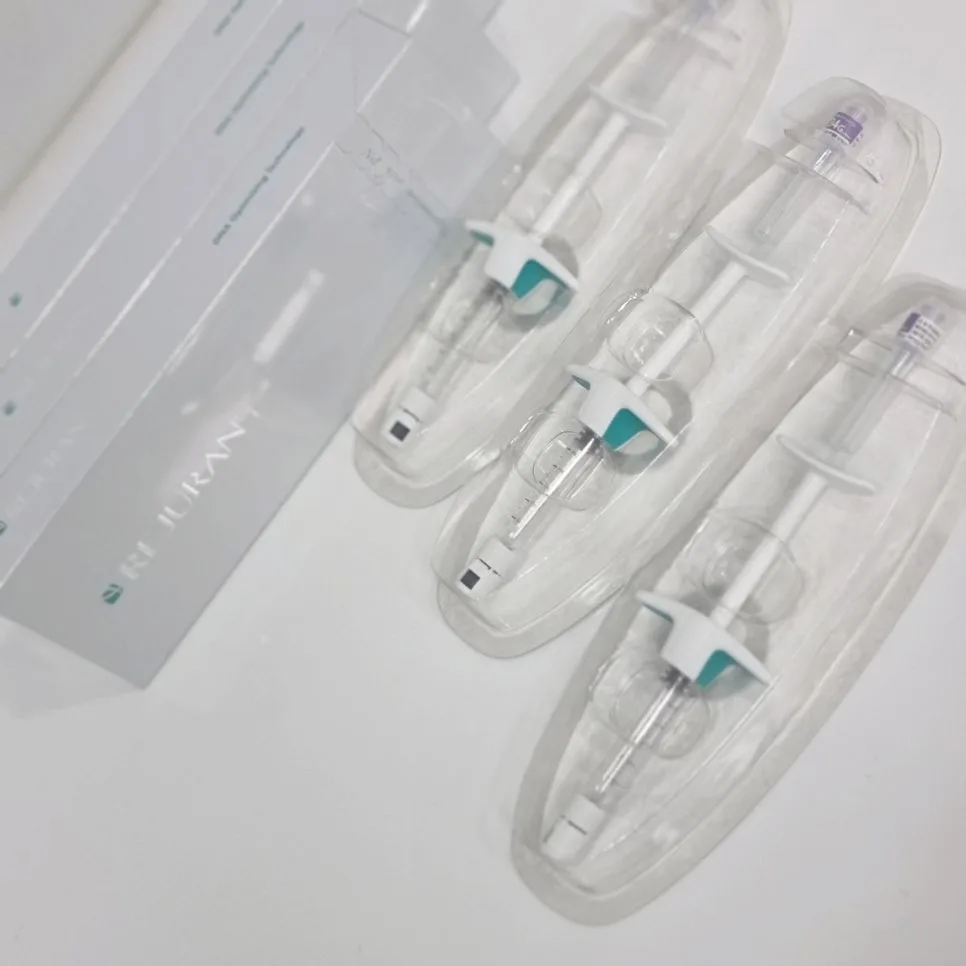
Classic Rejuran, Rejuran i and Rejuran s share one Korean instruction document (Korean IFU). Rejuran HB Plus is a separate product that combines PN with hyaluronic acid and the local anesthetic lidocaine, under its own authorization (HB Plus IFU).
Later clinic posts blurred these lines. Some called PN a growth-factor complex, but it is a nucleotide polymer (MDPI review 2024). Others said the moisturizing ingredient in Rejuran i is PDRN, or that all Rejuran combines PN with hyaluronic acid. Rejuran i belongs to the PN family. HB Plus contains PN and hyaluronic acid, but this composition should not be assumed for every Rejuran product.
The same brand name also appears on cosmetics, which the manufacturer lists apart from the injectables (Rejuran). A 2021 Japanese recall concerned cosmetic serum containers that could cause confusion about their intended use. It did not involve the injections (MHLW).
Why does Rejuran hurt, and can numbing make it painless?
Rejuran hurts because it is placed into the skin through many small punctures, and no numbing method removes every sensation for every person. In 2022 I opened my own post by calling Rejuran notorious for its pain. Needle injection can cause pain and bruising, and technique affects both (Journal of Cosmetic Dermatology 2025).
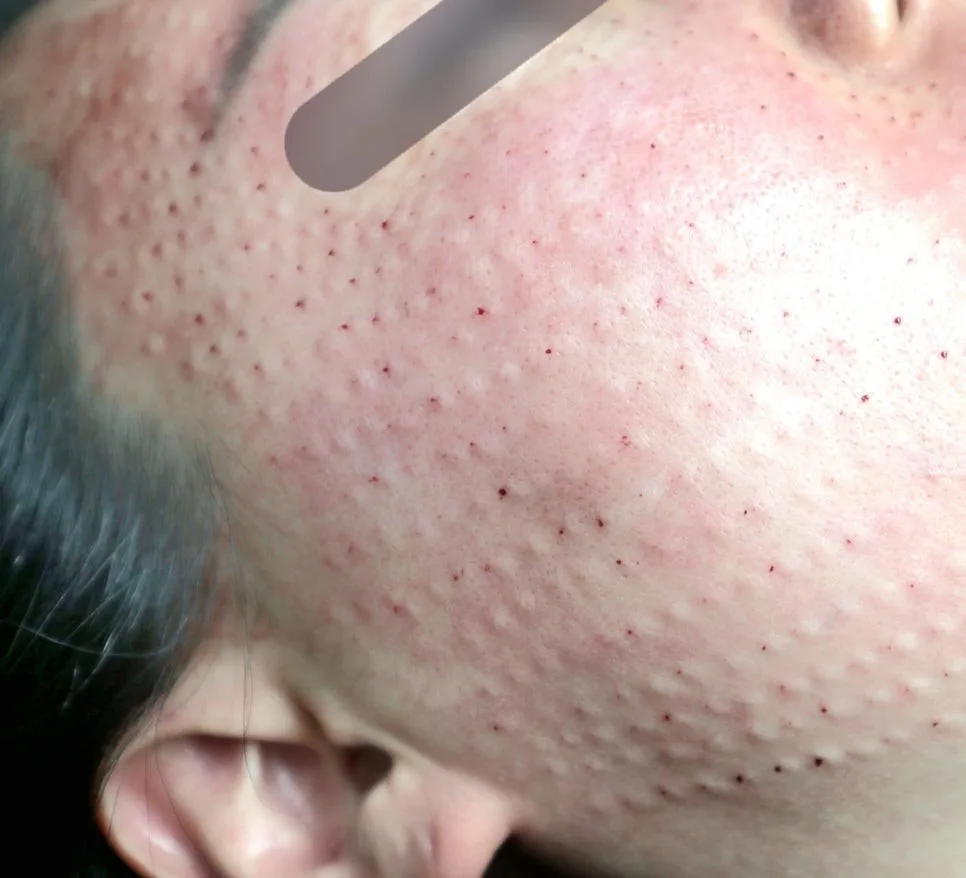
Later posts on the clinic blog used the word painless for injector treatment. One said that sedation or local anesthesia meant there was no need to worry about pain. That wording goes beyond the evidence. Less discomfort is not the same as none. Anesthesia and sedation are medical steps that need their own assessment, and the lidocaine in HB Plus adds its own cautions (HB Plus IFU). Pain is also not a sign that a treatment is working.
Is hand injection better than a machine?
No delivery method has been shown to be better overall. The published comparison is small and tested a needle-free jet injector, which differs from multi-needle devices such as Dermashine (Journal of Cosmetic Dermatology 2025).
| Method | How it delivers | Comparative evidence |
|---|---|---|
| Hand injection with a needle | The physician places each small deposit by hand | Comparison arm in one 10-person split-face trial |
| Multi-needle injector (for example Dermashine) | A tip with several needles enters the skin on each pass | No trial against hand injection was found |
| Needle-free jet injector (CureJet) | A pressure jet carries the product into the skin | Favored for pain and some short-term outcomes in the same 10-person trial |
In 2022 I wrote that hand injection done well can be more meticulous and so more effective than an injector, that an injector may be more effective when meticulous hand injection is difficult, and that this was my personal opinion. I reasoned from arithmetic: about 120 passes with a nine-needle tip come to 1,080 punctures, and I wrote that hand injection has the advantage if it can divide the same volume into about that many deposits. The arithmetic is correct, but a puncture count does not measure depth, delivered volume or leakage, and no validated puncture-count rule or trial supports the opinion.
The US FDA has not approved needle-free devices for injecting dermal fillers and advises against using them for that purpose (FDA). Ask for the name of the device, not only the word machine.
Do more bumps mean the treatment worked?
No. Bump count is not a validated measure of effectiveness, and it is not a test of whether the product is genuine. The reverse holds too: having no visible bumps does not mean the treatment failed.
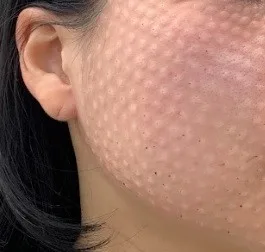
In 2022 I showed photographs of dense hand-injection patterns to argue that hand injection can be more meticulous than an injector. Later clinic posts presented clear bumps as proof of skill in some places and fewer bumps as a benefit of the injector in others. Neither position is supported by evidence.
A bump shows where fluid was placed in the first minutes. It cannot tell you what the skin will look like weeks later. Judge the treatment by the documented product, the delivery plan and a later clinical review. See how to read treatment photos.
How much product does a full face need?
There is no validated minimum amount. When I wrote about this in 2022, I said there was no single right amount, that a full face could be treated with 1 mL or with 10 mL, and that our clinic recommended 4 mL or more because more patients noticed an effect at that level. The 4 mL figure was a clinic protocol. It is not a threshold established by trials, published studies use varied protocols (systematic review 2025), and the 1 to 10 mL range was not a dosing recommendation.
Ask the physician to record the area treated, the amount used and the reason.
Does Rejuran work beyond a few days of glow?
There is qualified support for short-term improvement in fine wrinkles, texture, elasticity and hydration, and the evidence is thin. A 2025 systematic review found nine studies with 219 patients, of low or moderate quality (systematic review 2025). A 2026 review of eye-area treatment found six studies with 350 participants and described the evidence as preliminary and short-term (periorbital review 2026). These studies evaluated several PN products, mostly in middle-aged Korean and Thai women, so they do not establish equal results for every Rejuran formulation or patient population.
In 2022 I wrote that softer skin and less dryness were the most common changes, and I also called Rejuran something like a cure-all. That description exceeds the evidence. Claims about melasma, dermatitis, acne, lifting or lost volume are not established, because the trial evidence is specific to formulation, route and indication (Cureus 2026). The fuller discussion is in the Rejuran and fine lines guide.
How many sessions are needed, and how long do results last?
No universal schedule is established. Published studies differ in the number of sessions, the interval between them and the amount used (systematic review 2025). The 2026 eye-area review reports follow-up of no more than six months in its included studies (periorbital review 2026). That review does not establish how long benefits persist beyond its follow-up periods or the best maintenance interval.
Later clinic posts described improvement immediately or within two to three days. An early change does not show a lasting one. Before starting a course, agree on one target and a date to reassess it.
How long do bumps, bruising and swelling last?
Recovery varies, and no fixed deadline applies to everyone. The Korean instructions describe local reactions that can last about a week (Korean IFU). Inflammation that lasts longer than a week calls for prompt review by the physician, even if it is not getting worse.
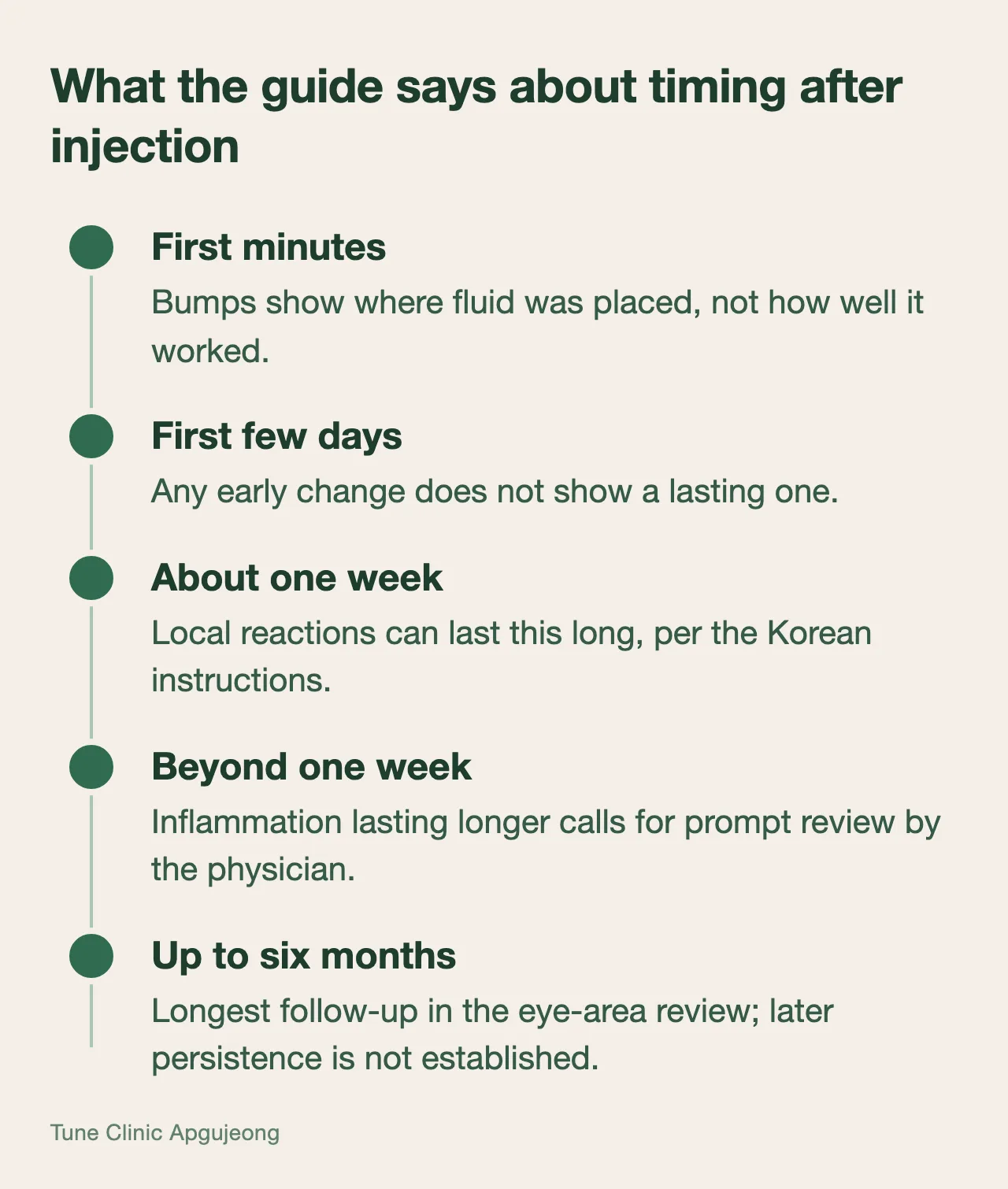
In 2022 I wrote that a few bruises are possible because a full-face needle treatment involves more than a thousand punctures. Later clinic posts described one or two days of recovery for hand injection and recommended treatment before weddings and other events. That was too confident. If you have a flight or an event, leave room for a slower recovery and confirm who will review you if needed. See planning treatment before a flight.
Which symptoms need prompt medical attention?
Seek immediate medical attention for unusual pain, white, gray or blue skin, vision changes, or stroke symptoms such as sudden weakness or difficulty speaking (FDA; HB Plus IFU). Do not wait for bumps to settle first.
Swelling that gets worse instead of better should also be reviewed. In 2022 I wrote that salmon DNA is said to be 98% similar to human DNA, and that because the species differ some people have an allergic reaction, so swelling can follow treatment. Later clinic posts said 94%. Neither number is substantiated, and genome similarity is not a clinical safety test (MDPI review 2024). Swelling has several possible causes and should not be labeled allergy without an examination.
Who should postpone or avoid treatment?
The Korean product instructions rule out use during pregnancy or breastfeeding, in minors, on inflamed or infected skin, and at sites with recent or non-resorbable filler (Korean IFU; HB Plus IFU). They also list specific medicine and disease contraindications, and HB Plus adds cautions tied to lidocaine. The physician must check your history against the label of the exact product.
Do not stop a prescribed medicine on your own. Ask the doctor who prescribed it. Tell the physician about any fish allergy, because purification does not guarantee that no reaction will occur. Some clinic posts said the product has no side effects because it is biocompatible and authorized. Authorization does not remove contraindications, hypersensitivity or injection complications (HB Plus IFU).
The eye area needs separate attention. HB Plus is authorized for crow's feet, the lines at the outer corner of the eye. Its instructions recommend avoiding areas close to the eyeball and the area between the eyebrows, because accidental injection into a blood vessel can cause serious complications, including blindness (HB Plus IFU). Treating crow's feet is therefore different from injecting the eyelid or the hollow under the eye, and no variant should be assumed suitable throughout the eye area. Thin eyelid skin, earlier filler and the real cause of a dark circle all change suitability. Short-term studies cannot measure rare lasting complications (periorbital review 2026).
Is Rejuran approved in my country?
Approval in Korea does not carry over to other countries. Each regulator has its own scope.
- South Korea: classic Rejuran, i and s are authorized for temporary improvement of adult facial wrinkles (Korean IFU). HB Plus has a separate authorization for temporary improvement of adult crow's feet (HB Plus IFU). The regulator is now called MFDS. Older clinic posts used the former name KFDA.
- European Union: the manufacturer reported CE MDR certification for Rejuran, i and s in December 2024 (PharmaResearch). That report does not cover HB Plus.
- Australia: a Rejuran entry exists on the national device register (TGA).
- United States: no approval for injectable Rejuran was identified on the FDA list of approved dermal fillers (FDA).
For Japan, mainland China, the United Kingdom and Thailand, current product-specific authorization could not be confirmed. If you plan to continue at home, ask your local doctor for the local product name and registration number.
What should I ask before treatment?
The manufacturer provides ways to authenticate a product (Rejuran). Authentication does not replace checking the expiry date and package integrity of the syringe used on the day.
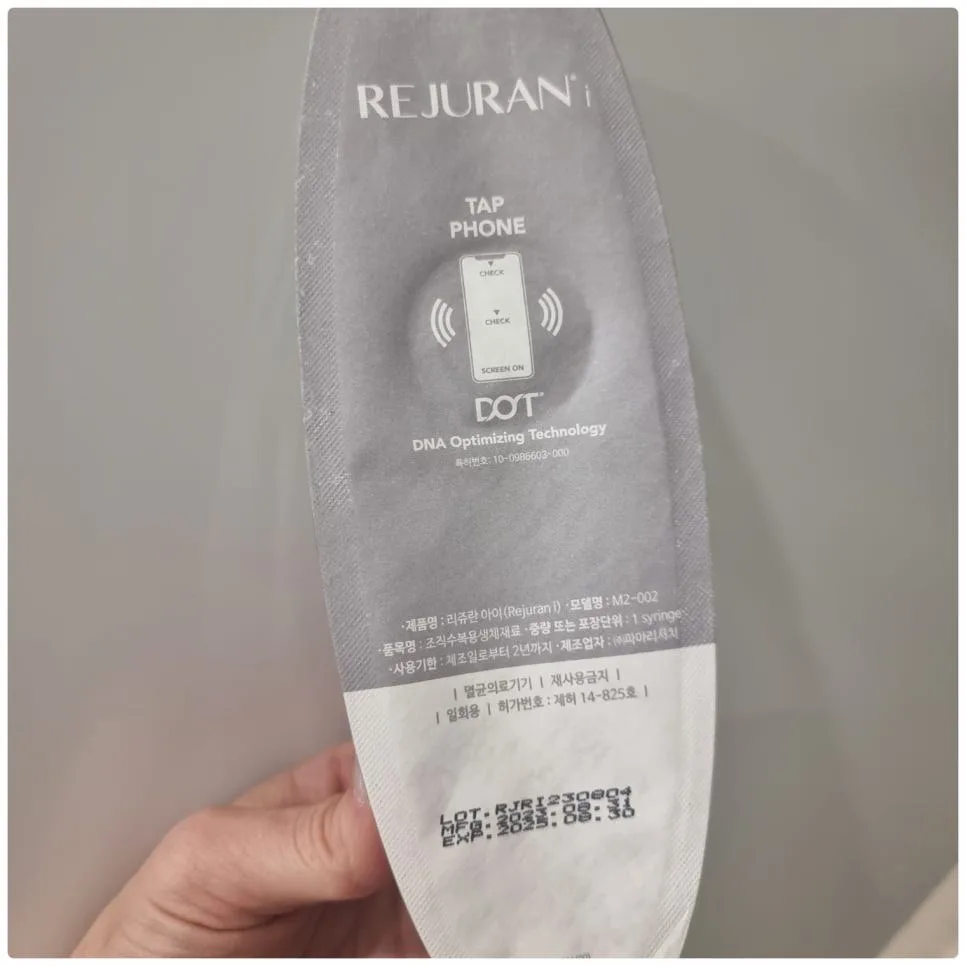
- Which exact product will be used: classic Rejuran, i, s, HB Plus or another variant, and can I see the package, its authentication and its expiry date?
- Which delivery method and which named device will be used, and why for my skin?
- How will pain be managed, and what are the risks of that numbing or sedation for me?
- What single result are we aiming for, and when will we reassess it?
- How much product is planned, for which areas, and what is the reason?
- Which symptoms should make me contact you at once, and how do I reach you after I fly home?
- If another procedure is offered on the same day, what evidence supports the combination?
The physician's responsibility is to give you the whole picture, including the uncertain parts, to put a name to the advice and to remain reachable afterward. The decision is yours to make with that information, and deciding to wait is a valid choice.
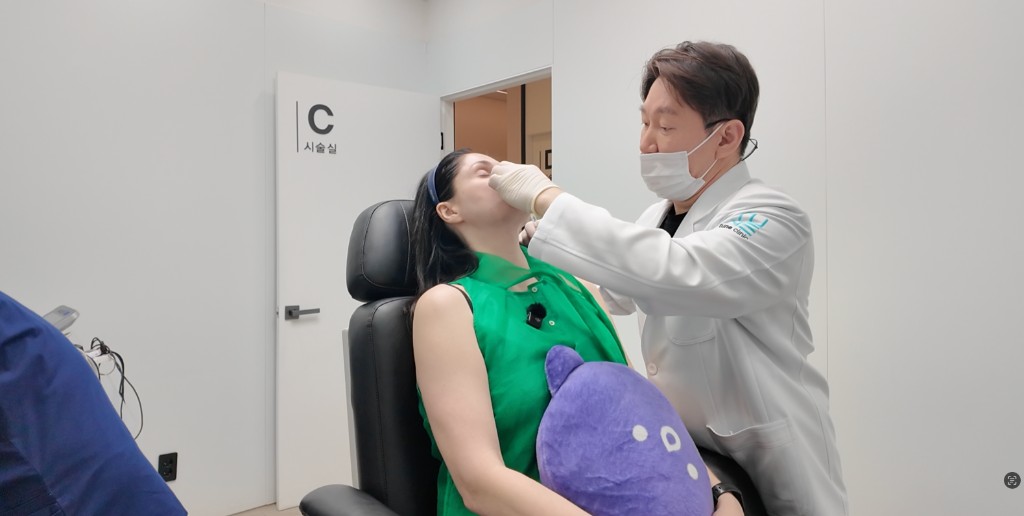
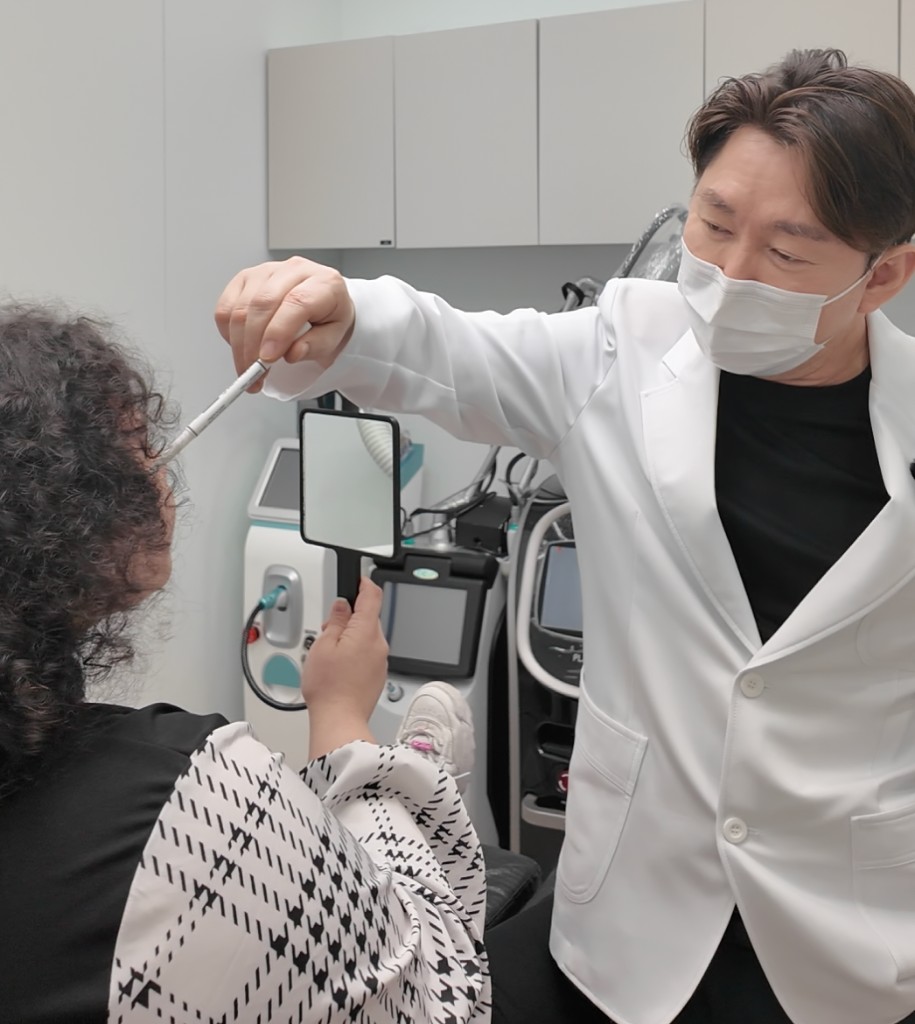
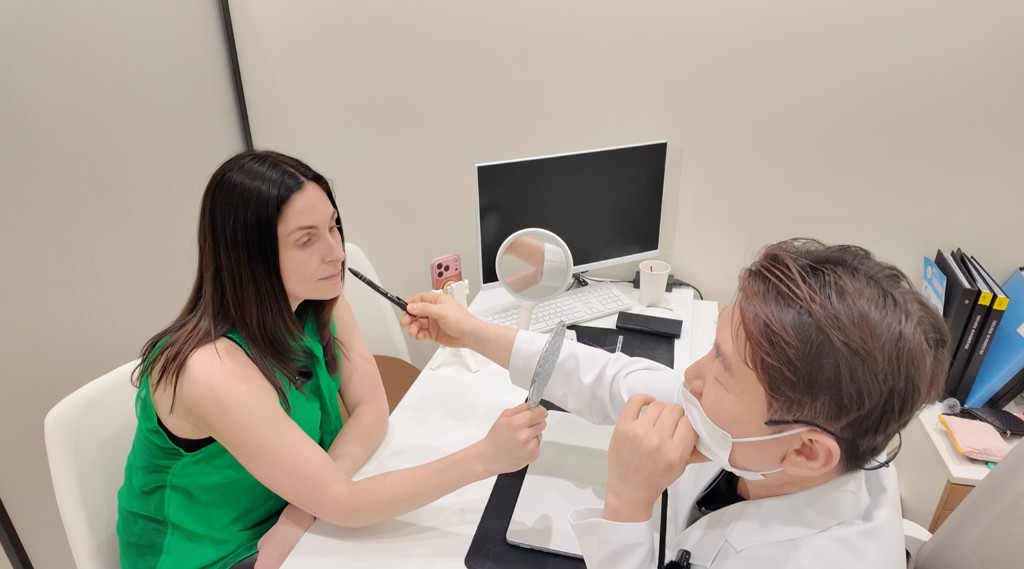
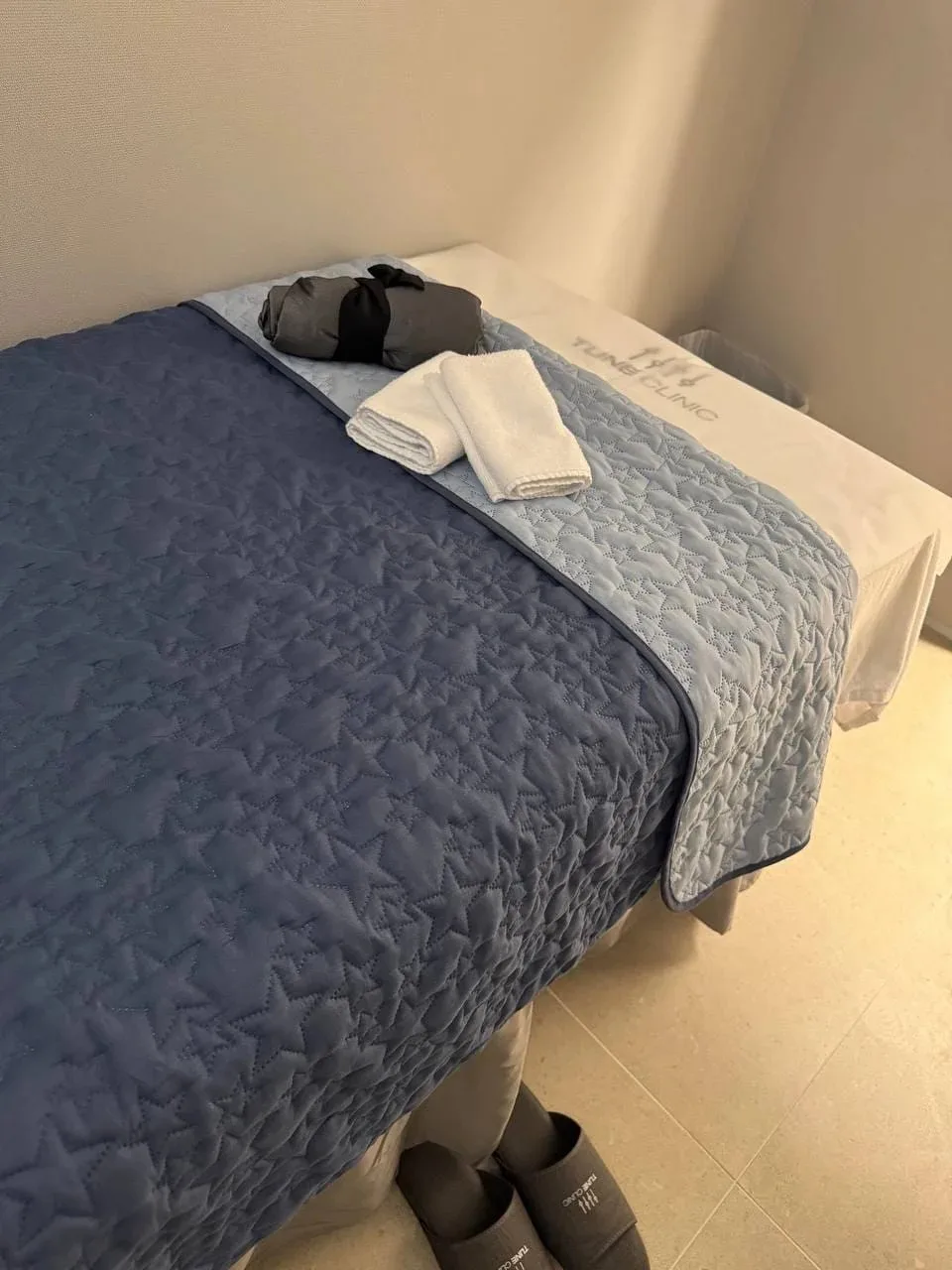
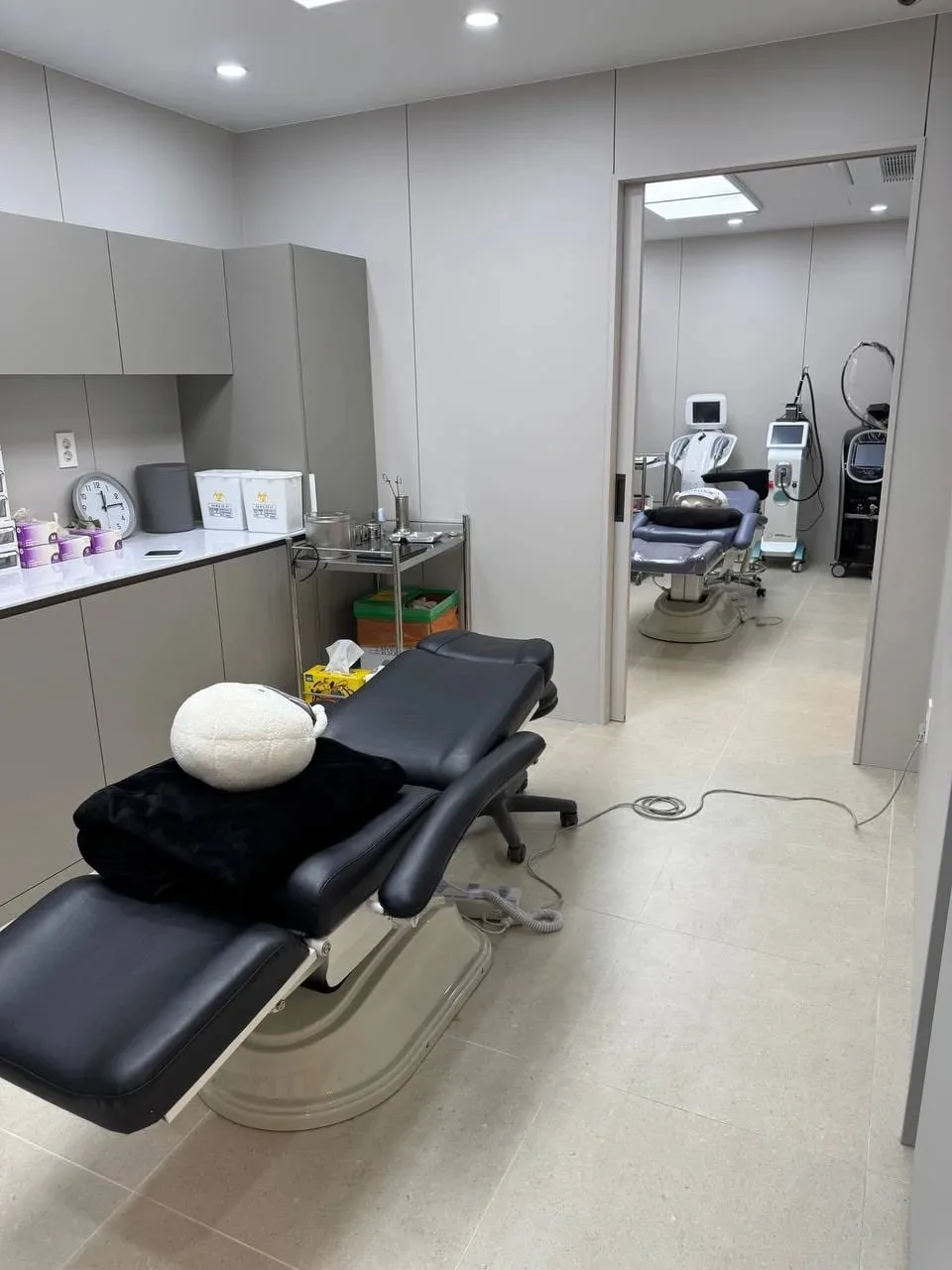
Tune Clinic Apgujeong today: the lobby, waiting areas and treatment rooms where consultations and treatments take place.
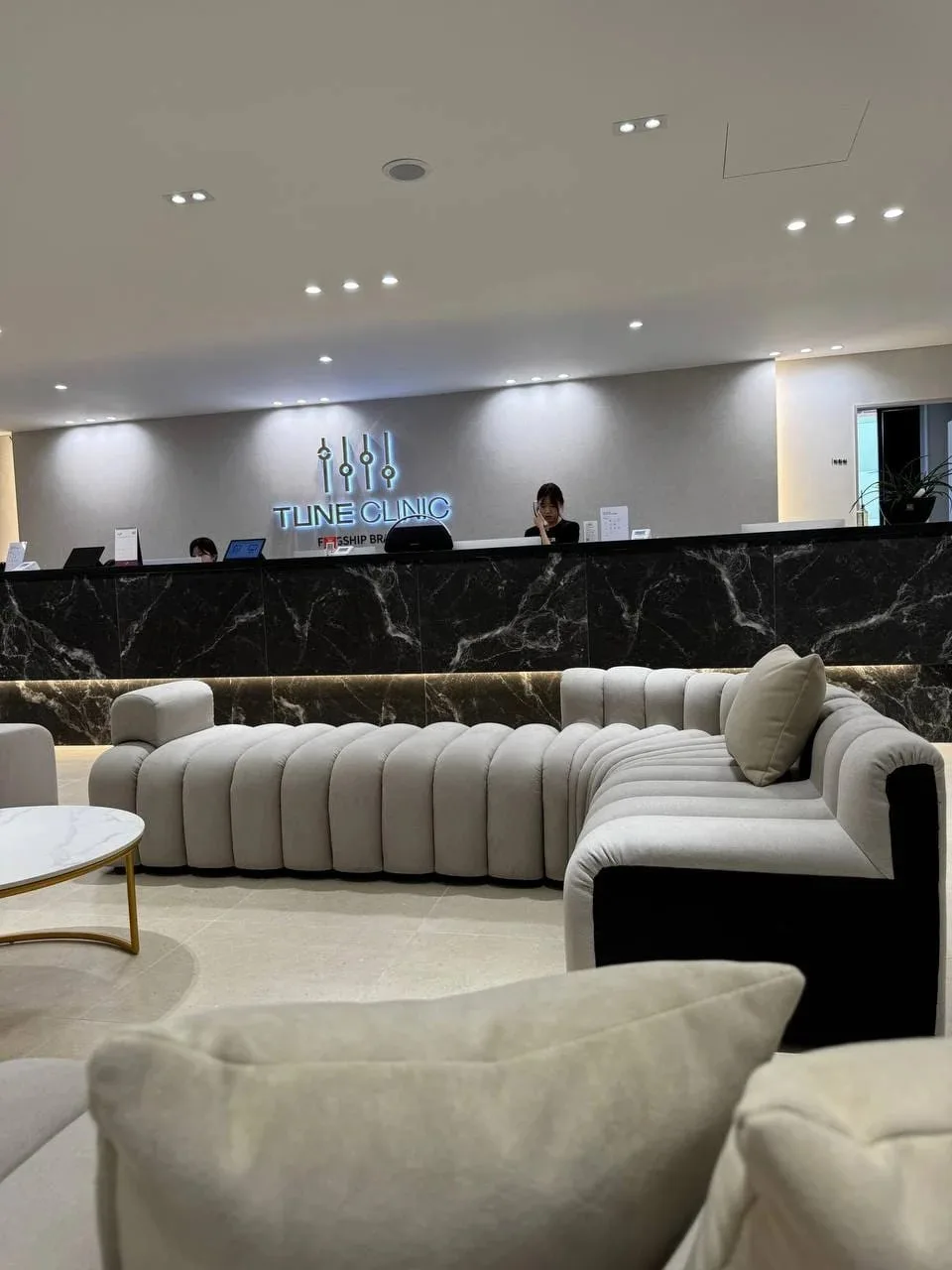
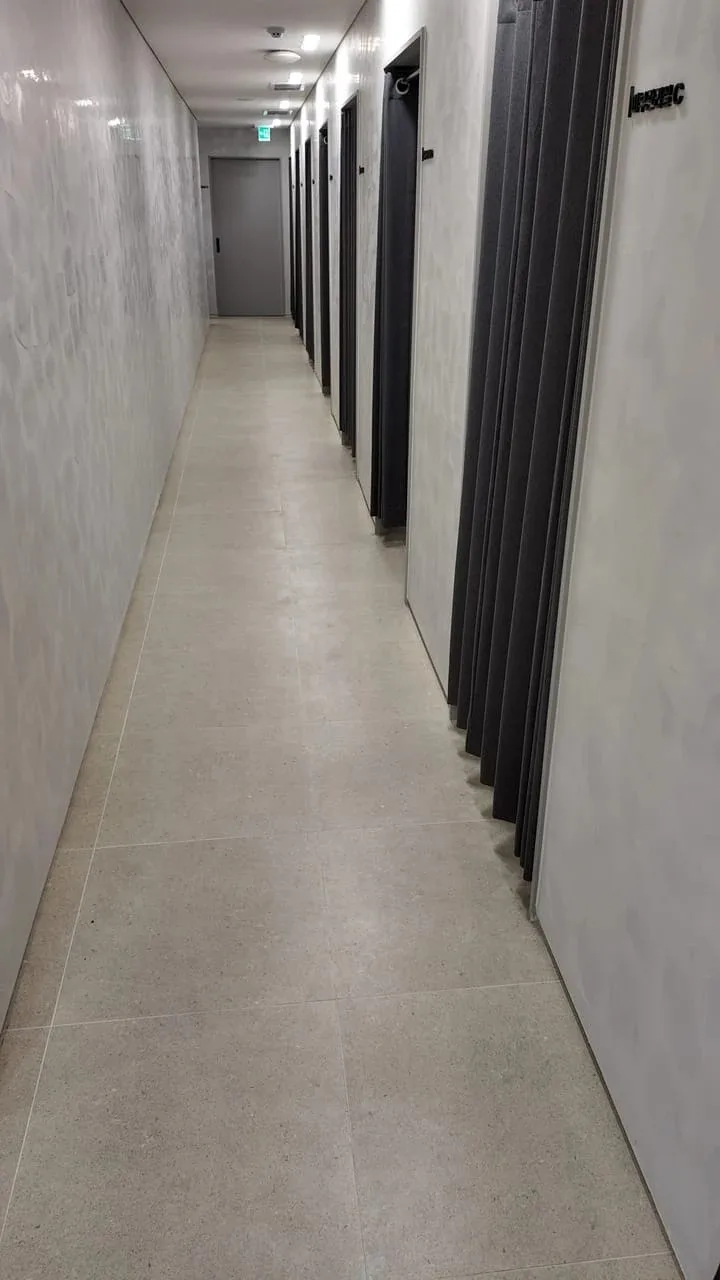
Sources
- Journal of Cosmetic Dermatology / Wiley. The Effectiveness of Polynucleotides in Esthetic Medicine, A Systematic Review. 2025. Nine studies, 219 patients, low or moderate evidence quality, varied protocols, qualified skin-quality benefits.
- PharmaResearch. Rejuran, Rejuran i and Rejuran s, Korean instructions for use. 2024. Korean authorized purpose, contraindications, adverse reactions and aftercare for the classic product family.
- PharmaResearch. Rejuran HB Plus, Korean instructions for use. Undated revision. Separate authorization with a crow's-feet indication, PN with hyaluronic acid and lidocaine, contraindications and injection warnings.
- Aesthetic Surgery Journal Open Forum / Oxford University Press. Efficacy of Polynucleotides in Periorbital Rejuvenation, A Systematic Review. 2026. Six studies, 350 participants, preliminary short-term eye-area evidence with limited generalizability.
- International Journal of Molecular Sciences / MDPI. Polynucleotides in Aesthetic Medicine, A Review of Current Practices and Perceived Effectiveness. 2024. PN and PDRN distinction, proposed mechanisms and limits of the evidence.
- Cureus. Polynucleotides and Polydeoxyribonucleotides for Skin Rejuvenation, Postoperative Scar Prevention, and Wound Healing, A Systematic Review of Randomized Clinical Trials. 2026. Evidence is specific to formulation, route and indication, and cannot be stretched to broad claims.
- PharmaResearch / Rejuran. Official product and authentication website. Accessed 2026. Product lineup, separation of cosmetics from injectables, authentication pathways.
- PharmaResearch. Announcement of European CE MDR certification for Rejuran. 2024. Manufacturer-reported certification for Rejuran, i and s, and salmon-derived PN as the ingredient.
- Journal of Cosmetic Dermatology / Wiley. Therapeutic Performance of Needle Injection Versus Needle-Free Jet Injector System for Polynucleotide Filler in Skin Rejuvenation. 2025. Ten-person split-face comparison of needle injection and the CureJet device, pain and short-term endpoints.
- US FDA. FDA-Approved Dermal Fillers. Accessed 2026. US approval framework, with no injectable Rejuran approval identified.
- US FDA. Dermal Fillers, Soft Tissue Fillers. Accessed 2026. General injectable risks, urgent symptoms, and the statement that needle-free devices are not approved for dermal-filler injection.
- Australian Therapeutic Goods Administration. REJURAN, ARTG entry 412630. 2023. Australian registered device entry.
- Japan Ministry of Health, Labour and Welfare. Recall summary, Rejuran HM Serum and WM Serum. 2021. Historical recall of cosmetic serums over container confusion, not a recall of injectable products.