
To explain the lip shape you want before filler, name one feature you want to change, one feature you want to keep and one effect you want to avoid, and bring one or two photos of each. A reference photo is a communication aid. It does not decide what result is possible on your lips. The often-quoted 1:1.6 upper-to-lower lip ratio is a preference reported in a 2024 image-rating study that used Caucasian face models, and it is not a treatment target (JPRAS 2024).
You have two lip photos saved on your phone before a consultation in Seoul. One shows a clear Cupid's bow. The other has the forward pout you want to avoid. Both were labeled natural online. This is a composite scene, not a real patient, and it shows the problem this guide addresses: one word can describe two very different shapes.
Questions and answers
What should I say instead of asking for natural lips?
Say what you want to change and what effect you do not want, for example a clearer border with little added forward projection. Natural is a preference word. Two people can agree on it and still picture different lips. One 2026 thread about Seoul asks for natural lip filler and then has to add which look the writer wants to avoid (Reddit 2026).
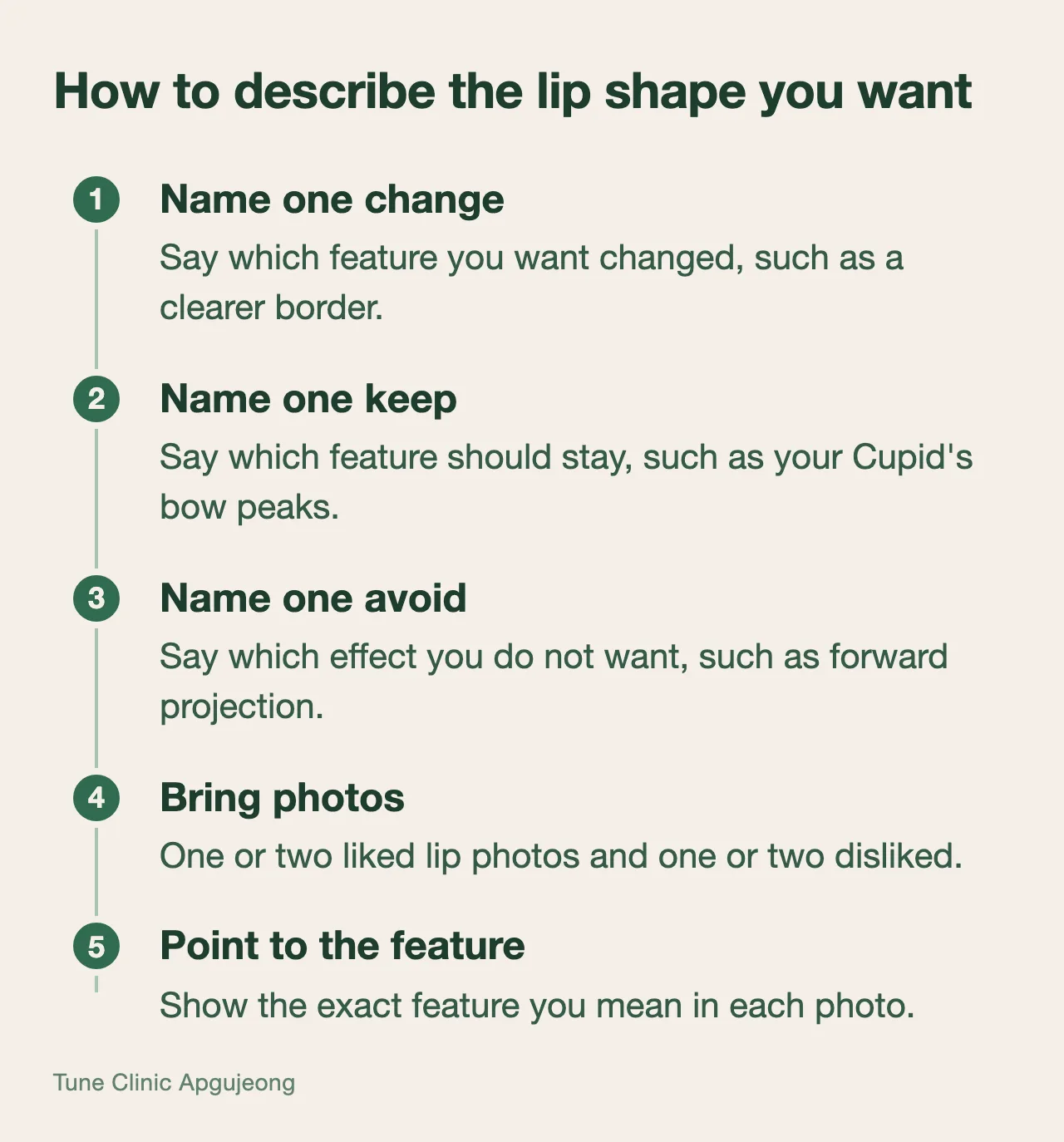
In my 2022 post I gave patients a list of plain statements to make:
- I like, or dislike, strongly lifted mouth corners.
- I want, or do not want, a groove in the center of the lower lip.
- I like, or dislike, a pronounced pout. The post used the Korean nickname for this shape, kkyu lips.
- I want my mouth to look a little wider, or a little narrower.
- I want fullness in a specific area instead of overall volume.
- I want to keep my own shape and add volume only.
The 2022 post said that if a patient says nothing, the injector has to choose a generally popular shape. Guidance on informed choice supports a different approach: if your preferences remain unclear, the physician should clarify them or postpone treatment before you consent (TGA checklist). The post also said that stating your preferences excludes the shapes you dislike. Clear communication reduces misunderstanding, but it does not rule out a result you dislike.
Which parts of lip shape can I describe separately?
You can describe at least seven features separately: border, visible height, forward projection, width, Cupid's bow, corners and symmetry. These follow the anatomy of the lip and the features that preference studies measure (J Cosmet Dermatol 2025, JPRAS 2024).
| Feature | A plain way to say it | What the examination must answer |
|---|---|---|
| Border | I want a clearer edge | Is the edge blurred, or is it only lighting and makeup? |
| Visible height | I want more lip showing from the front | Can height change without more projection? |
| Forward projection | I do not want my lips to stick out in profile | How far do they project now? |
| Width | I want my mouth to look wider or narrower | Is this a filler question at all? |
| Cupid's bow | Keep my peaks as they are | Will added volume flatten them? |
| Corners | I do not want lifted corners | Would this be filler or another treatment? |
| Symmetry | One side looks smaller | Is the cause volume, muscle or teeth? |
Describing features separately does not mean each one can be changed separately. Your anatomy and the evidence for the specific product limit the plan (FDA summary). How much filler to use is a different question, covered in the lip filler dosing guide.
What photos should I bring to a lip filler consultation?
Bring one or two photos of lips you like and one or two you dislike, and be ready to point to the exact feature in each. Bringing photos was my main tip in 2022, and I added that if you have no photos, you should at least say it in words.

The number is practical advice. It is not a tested threshold. Unfiltered photos help, and a side view helps if profile matters to you. A photo of your own lips from a few years ago can also be useful. For more on judging images, see how to read treatment photos.
Can filler make my lips look like my reference photo?
No, filler cannot reliably reproduce another person's lips. Starting anatomy differs from person to person (Kollipara et al. 2017), and professional guidance stresses individual assessment and realistic expectations (ASPS). A photo cannot show whether that look is achievable or suitable on your face. I also cautioned in 2022 that a result identical to the photo is hard to achieve, because we are all different.
In my 2022 post I compared filler to corrective makeup: you start from the shape you already have and improve it a little at a time. The comparison stops there. Makeup changes the surface for a day, while filler is an injected medical device with its own limits and risks (FDA).
Is the ideal upper-to-lower lip ratio really 1:1.6?
No, 1:1.6 is a reported visual preference. It is not a universal rule, and it is not a ratio for dividing injection volume. A 2024 study that asked people to rate edited images favored this ratio overall, but it used Caucasian face models and found differences between respondent groups (JPRAS 2024). A 2017 review found that lip measurements and preferences vary across populations (Kollipara et al. 2017).
In 2022 I listed a ratio of about 1:1.6 among the features generally called attractive, and wrote that tastes differ from person to person. When I searched for natural, attractive lips in 2022, I found no single pattern in the photos. My conclusion in 2022 was that a popular shape can exist but is not necessarily the correct one. Population averages also say nothing certain about one individual.
Do Russian or Korean lip technique names tell me what will be done?
No, a style name is not a standardized procedure, and it does not tell you the risk. People argue about this online. One public question asks whether the Russian technique always causes migration, and the answer posted there denies it outright (RealSelf 2022). A 2025 thread recommends a different named technique as more natural (Reddit 2025).
The sources cited here do not establish comparative migration rates for these named techniques. A better question for your physician is what will change anatomically: border, height, projection, or all of them.
Is the ridge above my lip migration, and should I dissolve it?
A photo alone cannot tell you whether a ridge is swelling, placement, too much product or migration. Online commenters often make that diagnosis from pictures and advise dissolving (Reddit 2025). Migration is a recognized complication, but finding the cause needs an examination and your treatment history (ASPS). Ultrasound can help in selected cases. A 2025 review of lip ultrasound found only six eligible studies and called for more research (J Cosmet Dermatol 2025).
Dissolving is possible for hyaluronic acid filler, using an enzyme that breaks hyaluronic acid down. It is another injection with its own risks. It may need repeating, it can cause allergic reactions, and it also acts on the body's own hyaluronic acid (hyaluronidase guideline 2021). That does not prove permanent damage, and long-term data on elective dissolving are limited. Fillers made of other materials can be difficult to remove (FDA). Dissolving does not return the lips to an exactly defined earlier state.
Does lip filler fully disappear before a top-up?
Not necessarily. How long the visible effect lasts and when the material is completely gone are two different questions. One pivotal lip filler trial followed clinical outcomes through 48 weeks, which does not show complete clearance at that point (FDA summary). Duration also varies by product and person (FDA).
A top-up should therefore follow an examination of what is there now, whatever the calendar says. Bring records of earlier treatments if you have them: product name, date and amount.
Are Korean fillers as safe as imported ones?
Country of manufacture does not answer this. Approval belongs to a specific product, for a specific use, in a specific country. In the United States, for example, Restylane Kysse has a lip augmentation indication for patients over 21 (FDA). In Japan, the approval listing for Juvéderm Vista Volbella XC includes lip augmentation (PMDA). China classifies injectable hyaluronic acid products under its own rules, and a shared ingredient does not mean a matching registration (NMPA notice). In Korea, fillers are regulated as medical devices (MFDS).
These examples show how approval works. They are not a statement about what any clinic uses. Online brand rankings for naturalness or migration are anecdotes (Reddit 2026). Ask for the exact product name, the manufacturer and whether it is authorized for lip use where you are treated (TGA).
When can I judge the shape or discuss a correction?
Judge the shape after the early swelling has settled, at a review date you and your physician agree on before treatment. Swelling, bruising and tenderness are common after filler, so the first days do not show the final shape (FDA). A decision about a routine correction needs a reassessment once the swelling has passed, and the timing is individual.
One pivotal product trial scheduled reviews at two and four weeks, with an optional correction at week four (FDA summary). That shows what structured follow-up looked like for one product. It is not a general recommendation. Urgent symptoms are the exception. They never wait for a review date, and the next section lists them.
What should I agree on before treatment if I am leaving Korea soon?
Agree on the goal, the limits, the exact product, the risks, the review plan and how to reach the clinic after you fly. Aftercare and access to review belong in the first decision (TGA checklist). Rarely, filler enters a blood vessel, which can damage skin or vision (FDA, TGA).
Seek immediate medical attention for unusual or worsening pain or pale, gray, blue or blotchy skin. For any vision change, sudden facial drooping, weakness or difficulty speaking, seek emergency care immediately. Do not wait for a clinic reply or routine review (FDA).
No universal safe-to-fly interval has been established. See planning treatment before a flight.
What questions should I bring to my consultation?
- Which feature will change, which will stay, and what effect are we avoiding?
- Is the shape in my photo realistic for my anatomy, and if not, why?
- What is the exact product, who makes it, and is it authorized for lip use here?
- I have had filler before. How will you assess what is still there before adding more?
- What symptoms should make me seek care urgently, and how do I reach you from abroad?
- When will you review the result, and what happens if I am already home?
- If the plan is still unclear after we talk, can we postpone?
The physician's part is to give you the whole picture, including the limits and the risks, to put a name to that advice, and to stay reachable after you decide. Your part is to decide, and that includes deciding to wait or to do nothing. A consultation that ends without treatment has still done its job if you leave understanding your own lips better.
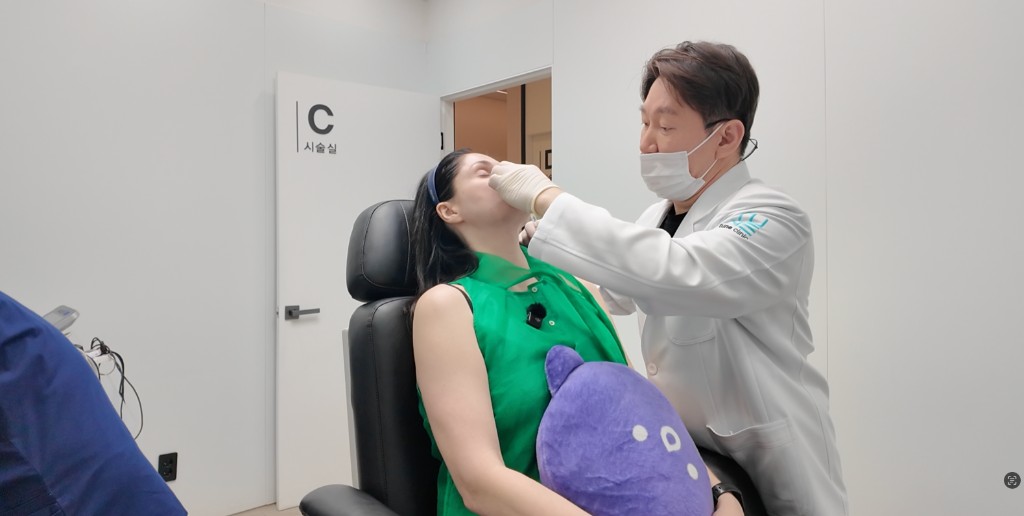
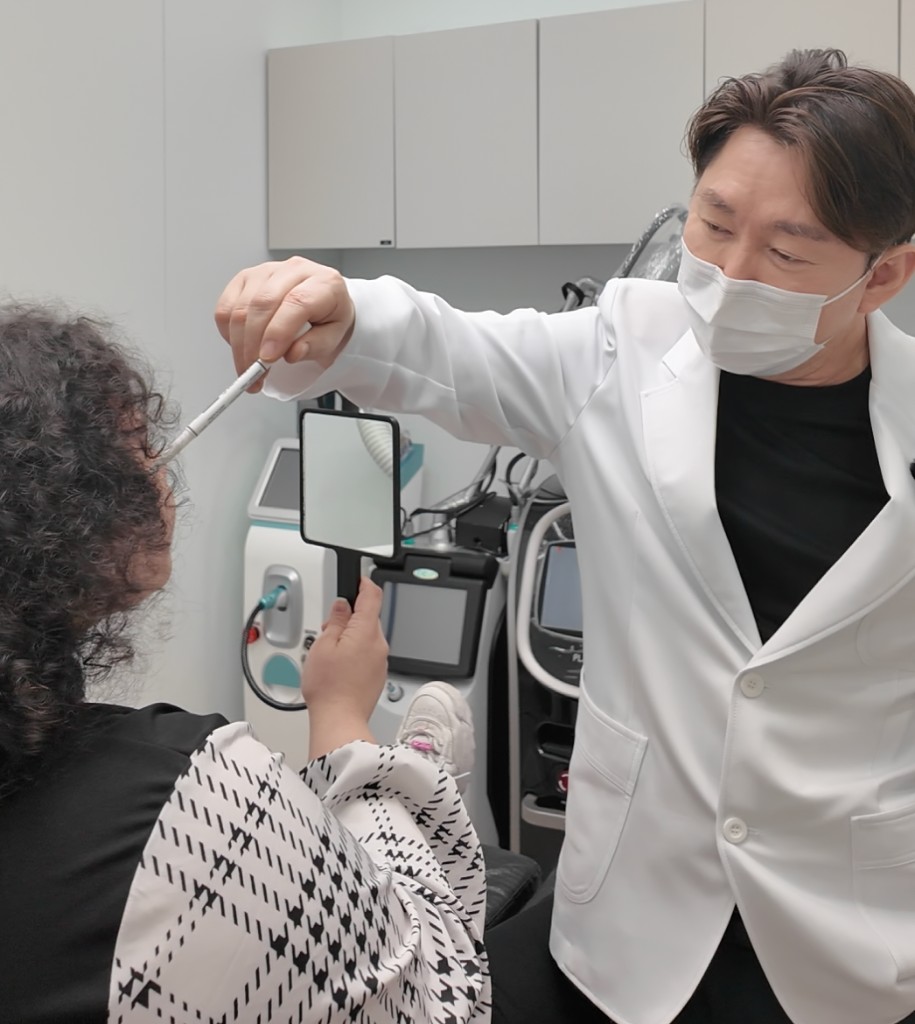
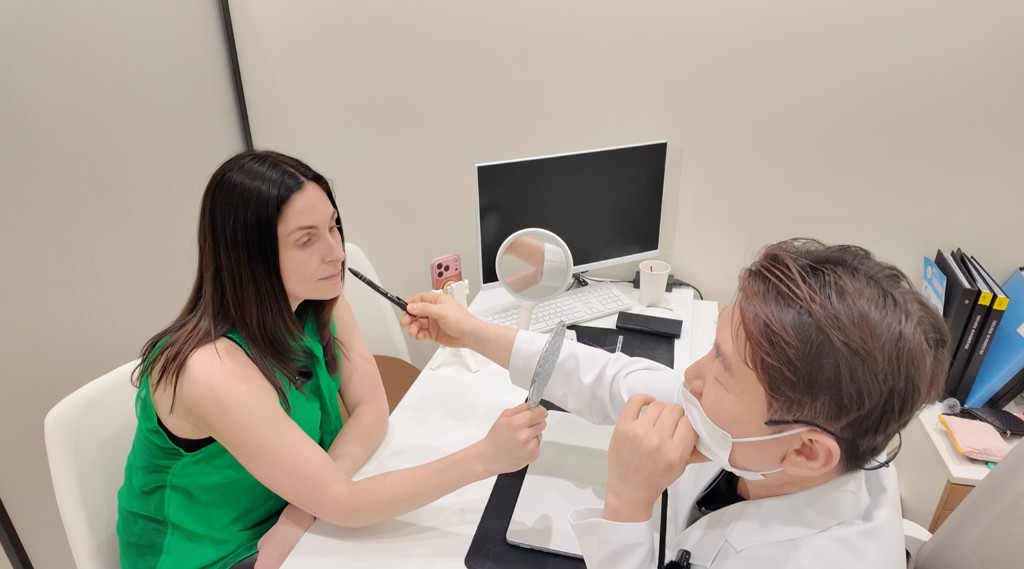
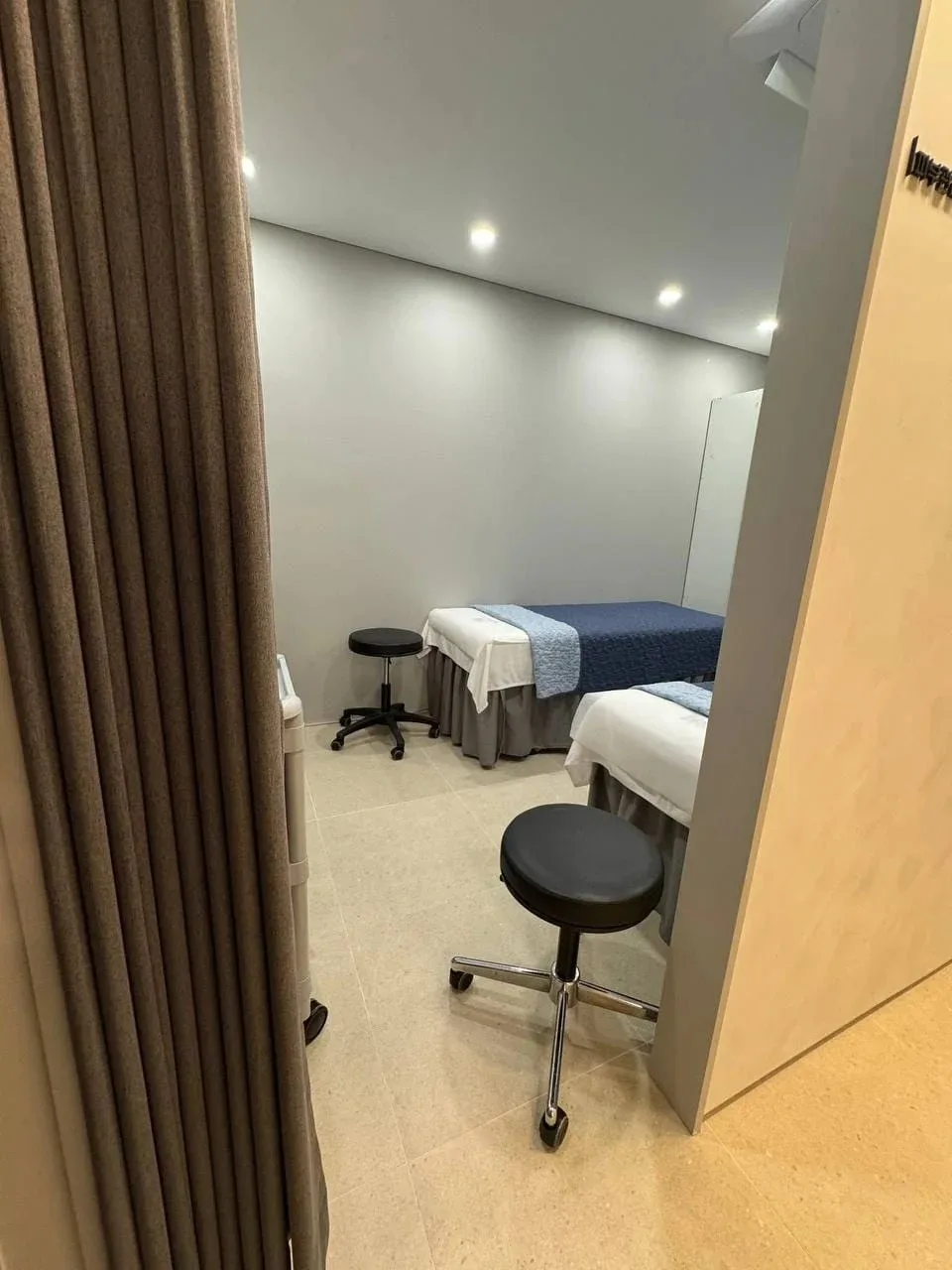
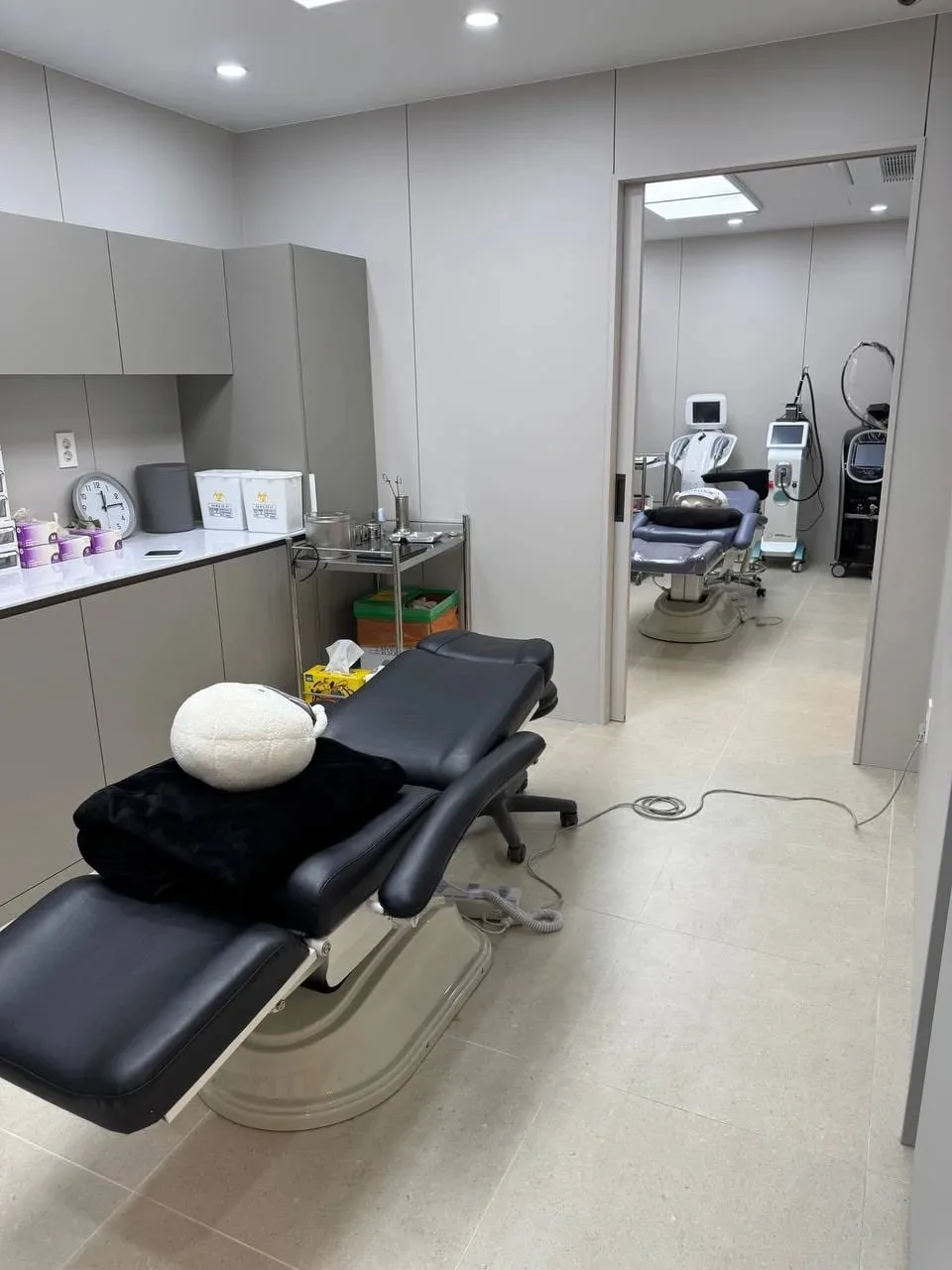
Tune Clinic Apgujeong today: the lobby, waiting areas and treatment rooms where consultations and treatments take place.




Sources
- U.S. Food and Drug Administration. Dermal Fillers (Soft Tissue Fillers). FDA, live page accessed 2026. Common reactions, rare vascular complications, urgent symptoms, variable duration and limits of removal.
- Kollipara R, Walker B, Sturgeon A. Lip Measurements and Preferences in Asians and Hispanics, A Brief Review. Journal of Clinical and Aesthetic Dermatology 2017. Variation in lip anatomy and preferences, and limits of universal proportions.
- Influence of ethnicity on aesthetic preferences for lip characteristics in Caucasian male and female faces. Journal of Plastic, Reconstructive and Aesthetic Surgery 2024. Image-rating preference for the 1:1.6 ratio, with model and respondent limitations.
- Therapeutic Goods Administration. Cosmetic injections checklist. TGA, live page accessed 2026. Consultation questions, informed choice and aftercare planning.
- U.S. Food and Drug Administration. Restylane Kysse, PMA P140029/S021. FDA 2020. Example of a product-specific U.S. lip indication for patients over 21.
- U.S. Food and Drug Administration. Restylane Kysse, Summary of Safety and Effectiveness Data. FDA 2020. Trial follow-up through 48 weeks, scheduled reviews at two and four weeks, optional correction at week four.
- Australian Society of Plastic Surgeons. Injectable Fillers. ASPS, live page accessed 2026. Individual assessment, realistic expectations, complications and follow-up.
- Guideline for the Safe Use of Hyaluronidase in Aesthetic Medicine, Including Modified High-dose Protocol. Journal of Clinical and Aesthetic Dermatology 2021. Elective versus emergency dissolving, allergy risk, effect on native hyaluronic acid.
- Lip Sonoanatomy and Relevance to Aesthetic Filler Injections, A Pictorial Review. Journal of Cosmetic Dermatology 2025. Lip anatomy and the limited evidence base for lip ultrasound, six included studies.
- RealSelf. Does the Russian Lip technique always cause migration? Public Q&A 2022. Shows the question people ask about named techniques. Not clinical evidence.
- Reddit, r/30PlusSkinCare. Do I have lip filler migration? Community thread 2025. Shows photo-based migration claims and dissolving advice online. Not clinical evidence.
- Reddit, r/KoreaSeoulBeauty. Best place for natural lip filler in Seoul? Community thread 2026. Shows traveler concerns about shape and unsupported brand rankings. Not clinical evidence.
- Ministry of Food and Drug Safety, Korea. Cosmetic fillers safety information. MFDS 2015. Fillers are regulated as medical devices in Korea.
- Pharmaceuticals and Medical Devices Agency, Japan. Approved medical devices list, fiscal year 2018. A Japanese approval entry that includes lip augmentation for one named product.
- Shanghai Medical Products Administration, republishing NMPA. Announcement No. 103 on classification of medical sodium hyaluronate products. 2022. Chinese classification of injectable hyaluronic acid products. No product-specific lip indication.
- Therapeutic Goods Administration. Be alert when considering cosmetic injections. TGA 2019. Serious vascular risks and practitioner selection.
- Therapeutic Goods Administration. Things to consider before undergoing procedures involving dermal fillers. TGA, live page accessed 2026. Patient preparation, risk discussion and product verification.