
Evidence for predictable facial fat reduction with MiniFX is limited, and bruising is neither required nor proof of success. InMode includes different handpieces: FX uses suction with radiofrequency, while Forma applies radiofrequency through surface contact. In a 2016 abdominal BodyFX study with 17 completers, petechiae were reported in one participant (2016 BodyFX study). Decide first whether you want less fat in the area being treated, then ask which handpiece is planned.
A traveler sits down with a booking confirmation that says only InMode lifting. She wants a sharper jawline, wants to keep the fullness in her cheeks, and has read online that bruises prove the treatment worked. This scene is a composite of common questions and does not describe a real patient. A useful consultation starts by naming the handpiece and the tissue it is meant to change, then marks where volume should be left alone.
Questions and answers
What does an InMode appointment actually include?
It depends on the handpiece, because InMode is a manufacturer and a family of applicators. When I wrote about this in 2022, I described InMode as a device whose purpose is to remove unneeded fat, restore elasticity and tidy the facial line. US records describe something narrower. One record lists separate indications for BodyFX and MiniFX, the Forma family and FaceFX, so one cannot stand in for another (FDA K221571). Older papers use the company name Invasix, and US records name InMode Ltd.
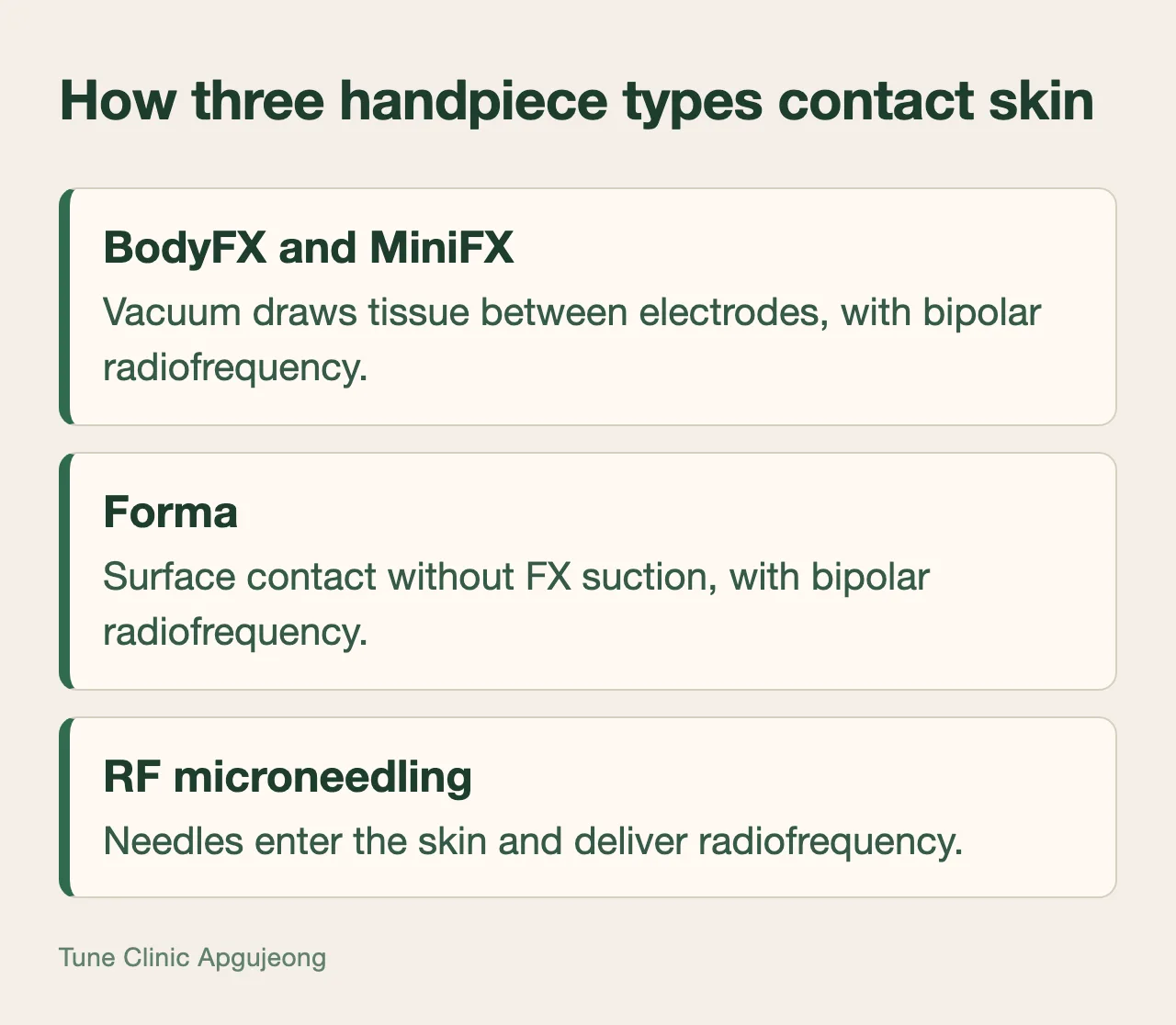
| Handpiece | Contact with skin | Energy | What the published evidence covers |
|---|---|---|---|
| BodyFX, MiniFX | Vacuum draws tissue between electrodes (FDA K160329) | Bipolar RF, with high-voltage pulses in the BodyFX study | BodyFX on the abdomen, 17 completers, no control group (2016 BodyFX study) |
| Forma | Surface contact, no FX suction (InMode University) | Bipolar RF | Under the chin, 22 people (2022 Forma study) |
| RF microneedling | Needles enter the skin | RF delivered through needles | Subject of a 2025 safety communication (FDA) |
If your booking names only the brand, ask which row of this table it means.
Am I trying to reduce fat, tighten skin or keep volume?
Answer this before any device is named. In my 2022 post I called this the most important tip before treatment: ask yourself whether you want to lose facial fat. That question clarifies the treatment goal.
I also wrote that removing fat and removing it attractively are different tasks, and that the second needs good knowledge of the face, a good treatment design and good communication between the person treated and the person treating. Professional guidance makes a similar point about patient selection and realistic expectations (ASDS). These principles guide a plan. They do not guarantee a particular result. Wanting less fat is also not enough on its own, because anatomy, medical history and contraindications still decide whether the treatment suits you.
The question matters more after major weight loss. Significant weight loss can leave concerns about facial and neck skin laxity (Next Steps in Dermatology). That source is expert commentary and is not a device trial. As separate clinical guidance, a face that has recently changed should have its remaining volume assessed before any fat-targeted handpiece is chosen. The wider assessment of lower-face fullness and sagging is in the double chin and lower face guide.
How does FX work, and is there proof it slims the face?
FX draws tissue into the handpiece with vacuum, heats it with radiofrequency and then applies very short electrical pulses. The BodyFX study describes pulses of about 2 kV that injure fat cell membranes (2016 BodyFX study). I quoted 2,000 volts as the core of InMode. That figure comes from the BodyFX study and should not be assumed for every handpiece or setting. The US record for MiniFX confirms the vacuum and bipolar RF electrode design (FDA K160329).
Direct proof for the face is thin. The BodyFX study treated the abdomen once a week for eight weeks. It had 17 completers and no randomized comparison group, and the manufacturer loaned the device. No strong randomized trial of facial MiniFX was identified for this guide, which does not prove that none exists. A 2025 systematic review of facial radiofrequency pooled very different technologies (2025 systematic review). A measurement from an abdomen cannot forecast what happens in a cheek.
I wrote that fat disappears however the treatment is done. Response to these treatments varies from person to person, and some people may see no change (FDA).
Is InMode facial fat reduction permanent?
The evidence reviewed here does not establish permanent facial contour changes from MiniFX. The BodyFX study followed abdominal outcomes for three months after treatment, so it cannot establish long-term facial results (2016 BodyFX study). Fat cell injury in a study is a different claim from a lasting change in face shape.
Can FX or Forma make my face look hollow?
A treatment aimed at fat can reduce fat where you wanted to keep it, and the evidence reviewed for this guide gives no reliable figure for how often that happens. Lean faces, existing hollows and recent weight loss are reasons for extra care.
I wrote that people with fuller faces respond best and that people with little facial fat still get an effect, only a smaller one. The evidence reviewed for this guide does not validate facial fullness as a predictor of response, and low facial volume can be a reason to avoid fat-targeted treatment altogether.
My 2022 advice was that a person who does not want to lose facial fat should not have InMode and should ask about other treatments. That advice fits the fat-targeting FX handpiece and the area being treated. It should not be generalized to the whole platform.
For Forma, people argue in both directions. Physicians answering online have said that correctly performed Forma should not reduce fat (RealSelf). Patients in forums describe fear of hollowing (Reddit thread). A 22-person Forma study reported reduced volume under the chin after four sessions two weeks apart (2022 Forma study). Surface imaging does not prove that fat cells were destroyed, and it says nothing about cheeks. It does make the claim that Forma can never affect volume too absolute.
Does bruising mean the treatment worked?
No. The evidence reviewed for this guide does not validate bruising as a measure of treatment success. Bruising is a side effect and should never be the goal. Some community posts treat a session without bruises or pain as a weak session (UNNI community posts). That belief can push people to accept more pain or ask for retreatment they do not need.
In 2022 I described the tip marks as bruises caused by blood vessel injury during suction. That explanation is plausible for vacuum-related marks. I wrote that tip marks cannot be avoided. The abdominal study reported petechiae in one participant, so bruising is possible but not certain. I also wrote that a close seal against the skin and lower suction can reduce marks. No comparative study of that point was identified, so read it as clinical opinion. A mark that stays painful or gets worse should be examined and not assumed to be an ordinary bruise.
Is there really no downtime, and which symptoms need review?
Plan for possible visible marks, even if you can return to normal activities the same day. Radiofrequency treatments can cause redness, swelling, bruising and thermal injury (FDA). The 2025 systematic review found that downtime was poorly reported across facial RF studies (2025 systematic review). For that reason this guide gives no fixed number of days for marks to clear.
Heat or pain that keeps rising during a session should be reported at once and not endured. After treatment, blistering, worsening pain or new numbness or weakness needs prompt review by the treating physician. General flight planning is covered in the guide to treatment before flying.
How many sessions do I need, and is one visit to Seoul enough?
The evidence reviewed for this guide does not set a standard facial schedule, so nobody can promise a visible change before you leave. The Forma study used four sessions two weeks apart, and the BodyFX study used eight weekly abdominal sessions. Those are study designs and should not be read as prescriptions for your face.
Community discussions often compare offers by session count and treatment minutes (UNNI community posts). Minutes alone do not tell you the energy delivered, the area covered or whether the treatment suits you.
Did the FDA warn against InMode or only RF microneedling?
The warning concerns certain uses of RF microneedling, which is needle-based. On October 15, 2025 the FDA published reports of burns, scarring, fat loss, disfigurement and nerve damage, and said its evaluation was continuing (FDA). It is not a ban on a manufacturer, and it gives no complication rate for MiniFX or Forma. Ask one plain question: does my treatment use needles?
What does regulatory clearance actually cover?
It covers specific handpieces for specific listed uses. The US 510(k) record for MiniFX lists temporary reduction in the appearance of cellulite, relief of minor muscle pain or spasm and temporary improvement of local circulation (FDA K160329). Facial fat reduction is not on that list, so the phrase FDA-approved facial fat removal is inaccurate.
US clearance does not tell you what is authorized in Korea, Japan, China or Europe. This guide makes no claim about the scope of Korean authorization for any model. You can ask a clinic for the Korean product name and authorization number and check them on the MFDS search portal.
Can I combine it with filler or other treatments, and what must I disclose?
Combination is never automatic, and it should not happen without the physician knowing what you have had done. An archived operator's manual for BodyFX and MiniFX lists implants and recent augmentation in the treatment area among its contraindications (Contoura manual). Reducing fat and adding volume in the same area on the same visit can pull in opposite directions. It also makes it harder to tell which treatment caused a problem.
Screening goes beyond past cosmetic procedures. Tell the physician about a pacemaker or defibrillator anywhere in the body, any other implant, pregnancy or breastfeeding, active skin disease, bleeding disorders and every medication you take, including anticoagulants (FDA, Contoura manual). The archived manual is a starting point only. The physician must check the current instructions for the installed device before treating you.
What should I ask before agreeing to treatment?
- Which console and handpiece will be used on me: MiniFX, Forma or a needle-based applicator?
- Is the aim in each area to reduce fat, tighten skin or preserve volume?
- Which parts of my face will you leave untreated, and why?
- What evidence exists for this handpiece on the face, and what are its limits?
- What marks or swelling should I plan for, and which symptoms should I report right away?
- Do my implants, medications, health conditions, past fillers or recent procedures change the plan under the device's current instructions?
- Who reviews a problem after I return home, and how do I reach that person?
Start with the question from the 2022 post: do you want less fat in this part of your face? The physician's responsibility is to name the handpiece proposed, explain what the evidence does and does not show, check your history against the current device instructions and describe what could go wrong. The decision is yours, made with that full picture. Before treatment, confirm who will assess complications after you return home and how to contact them.
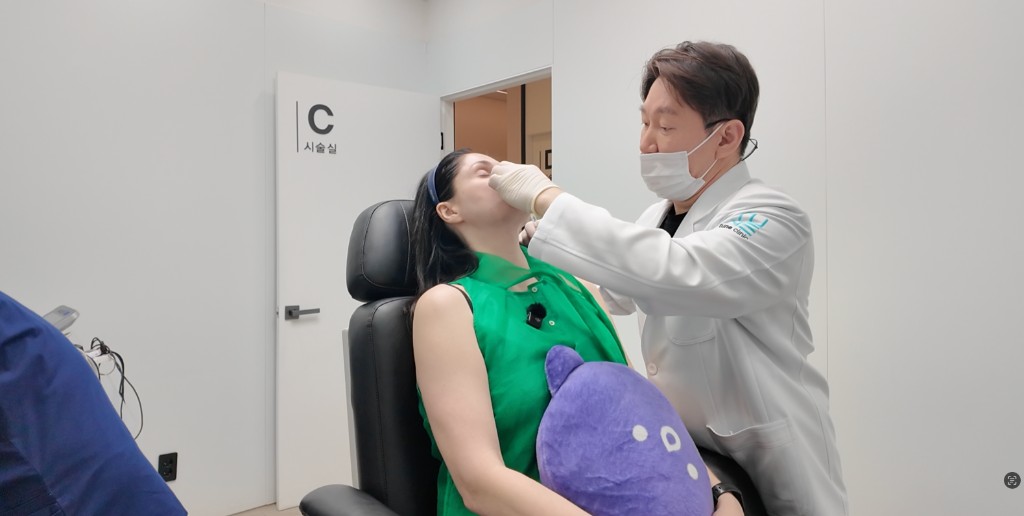
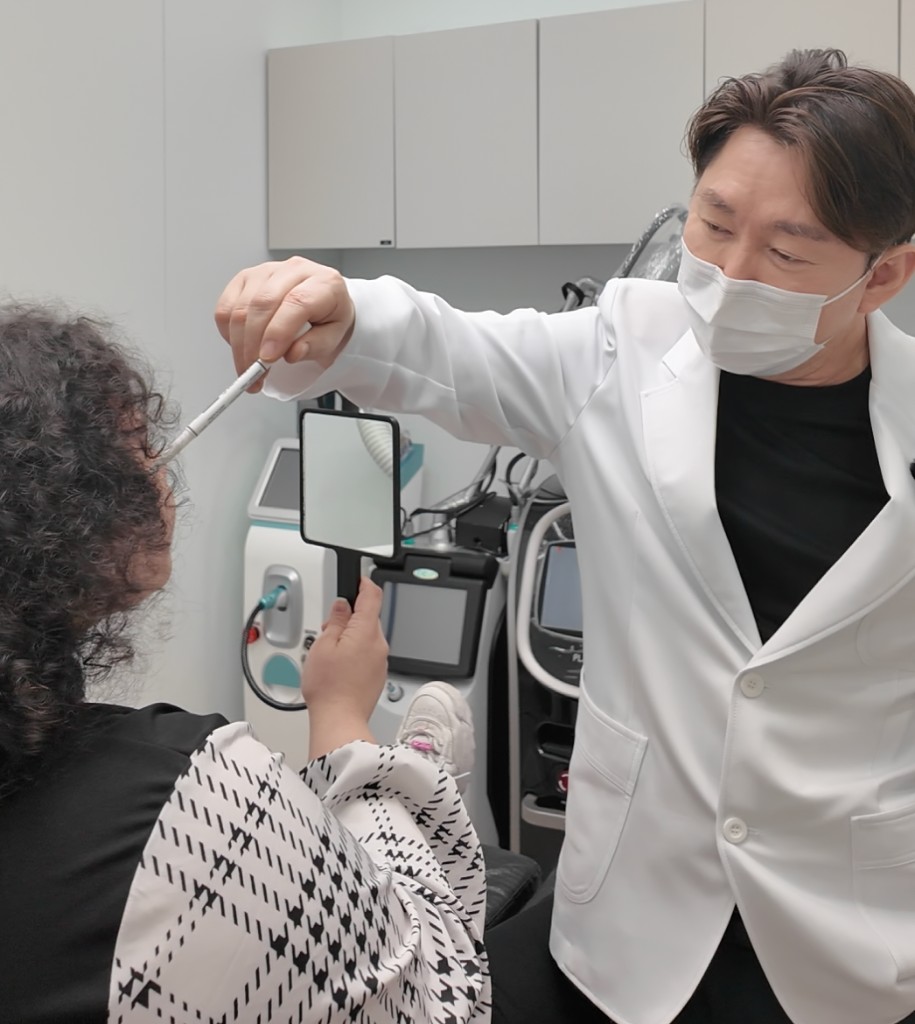
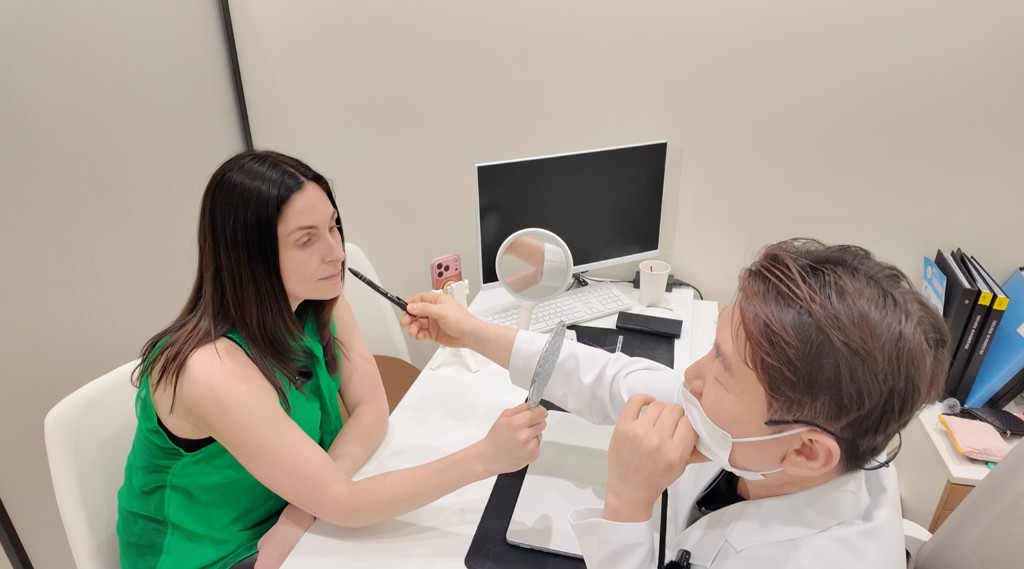
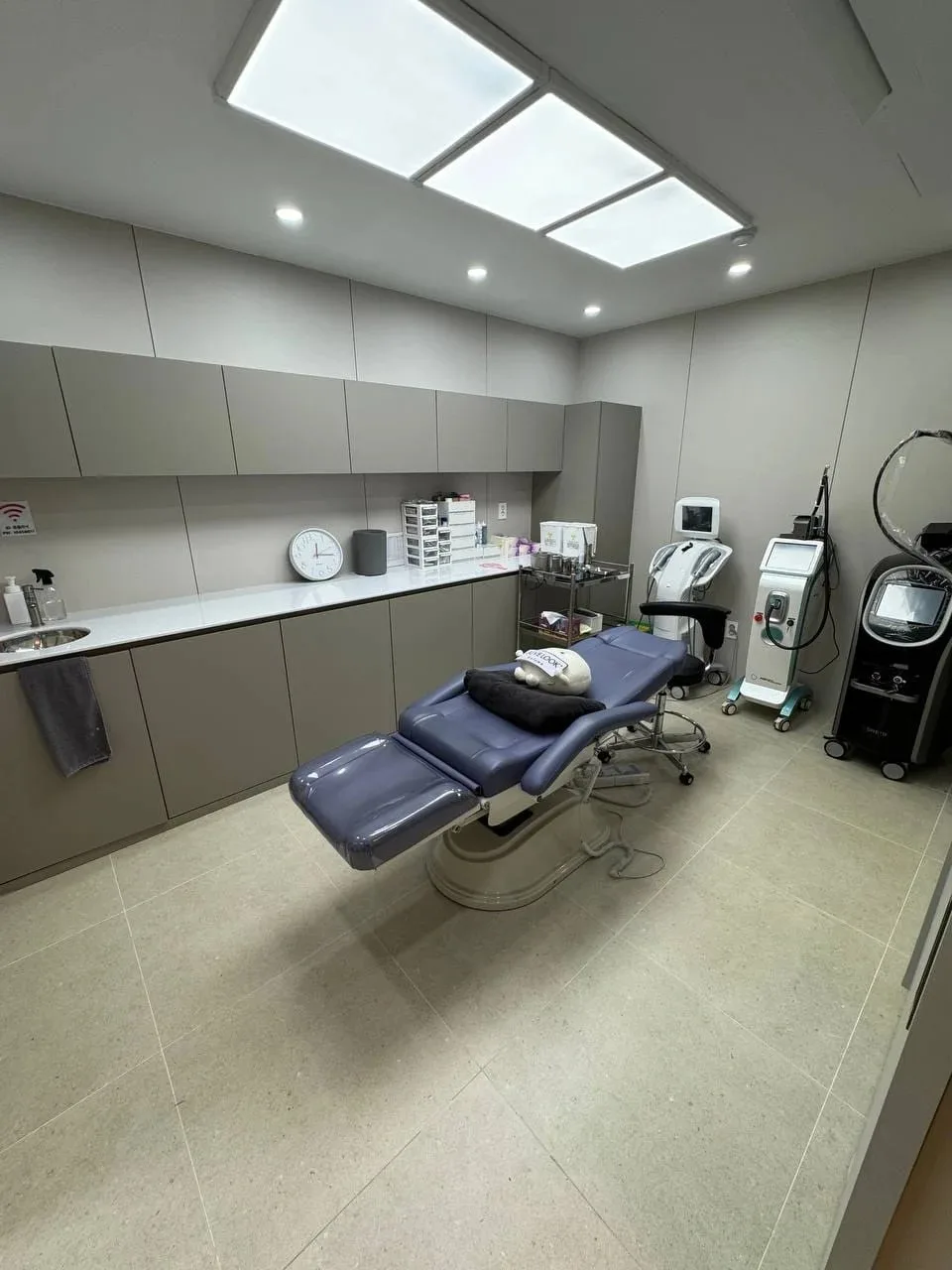
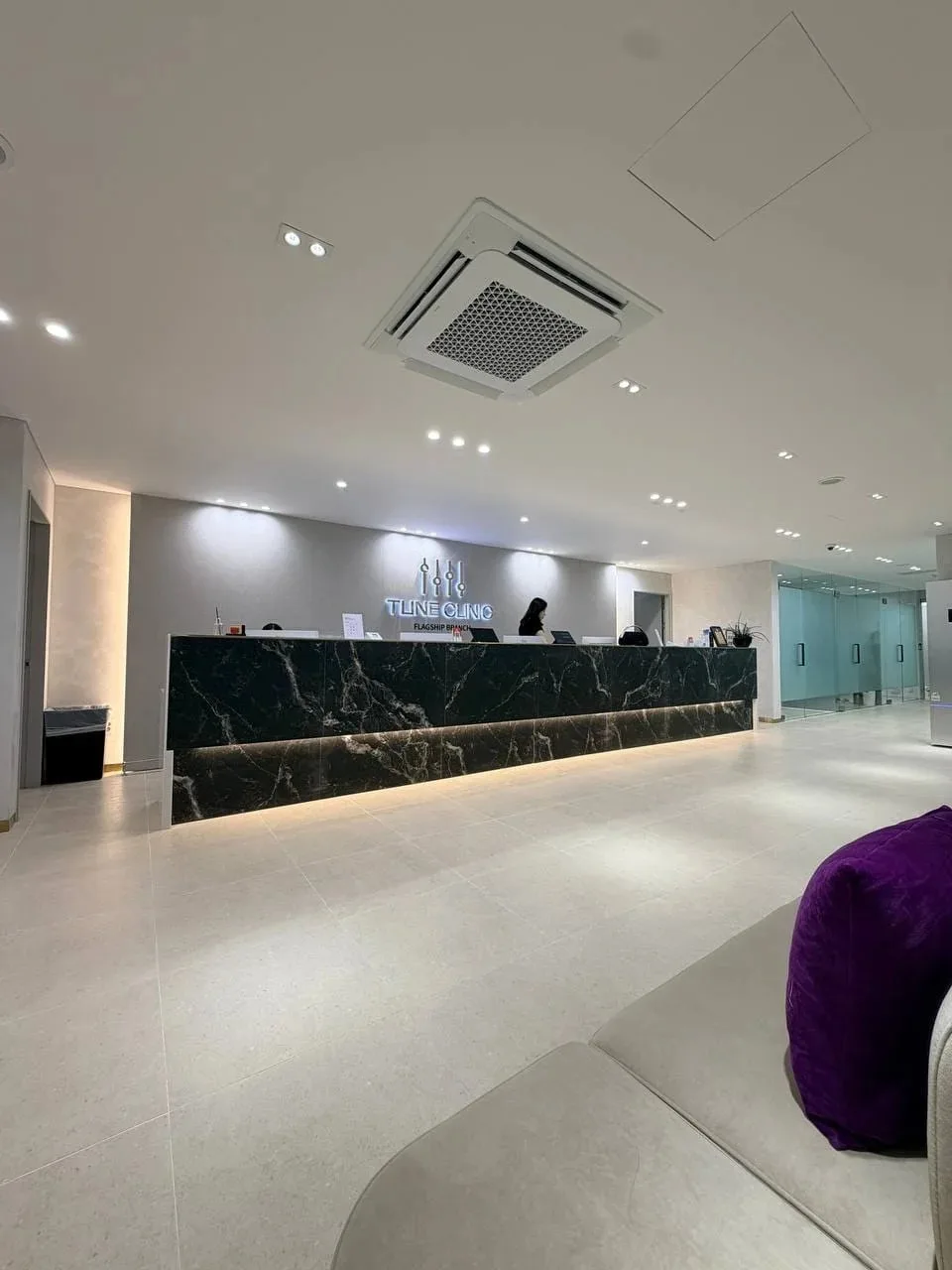
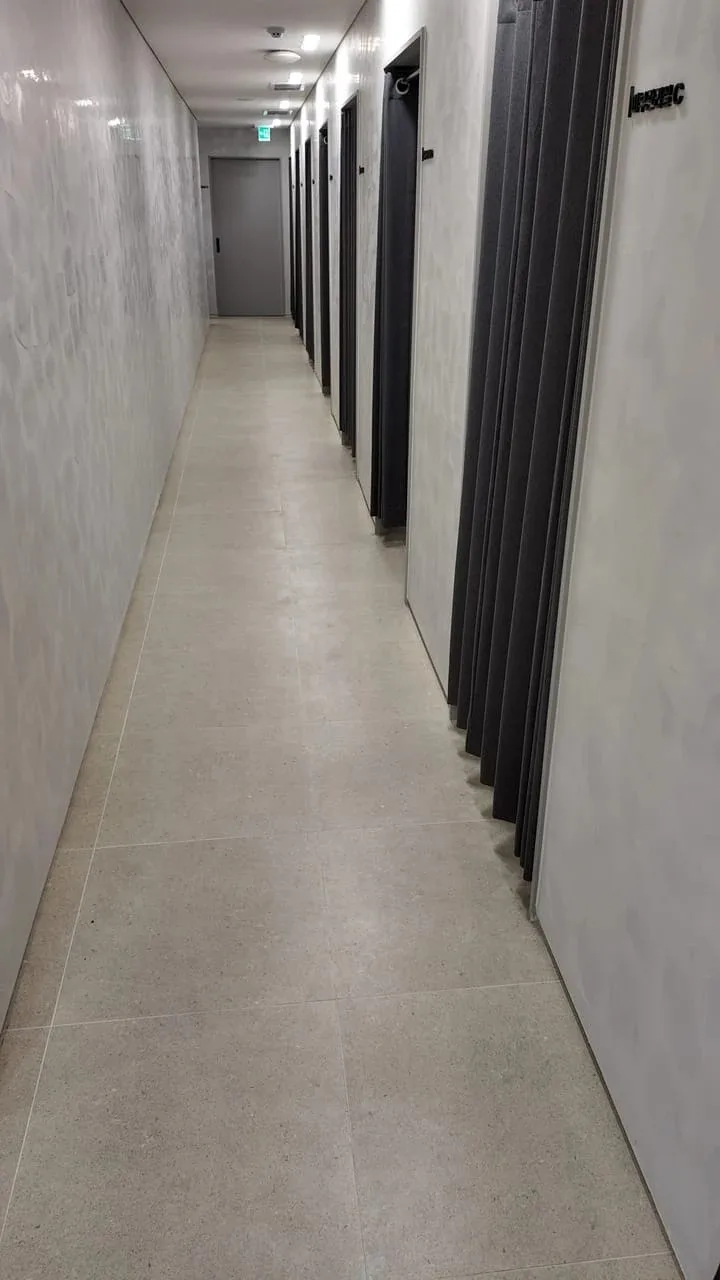
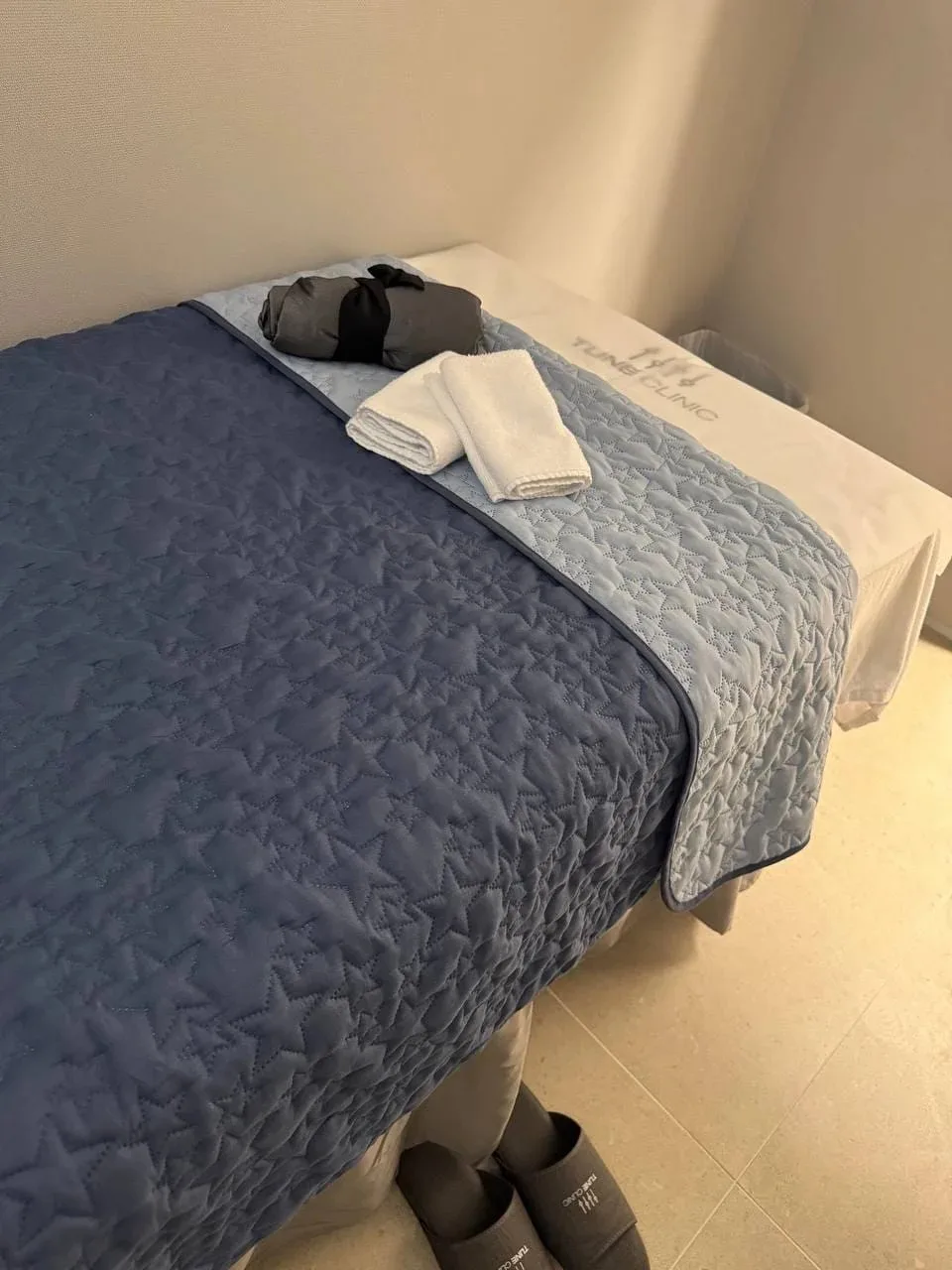
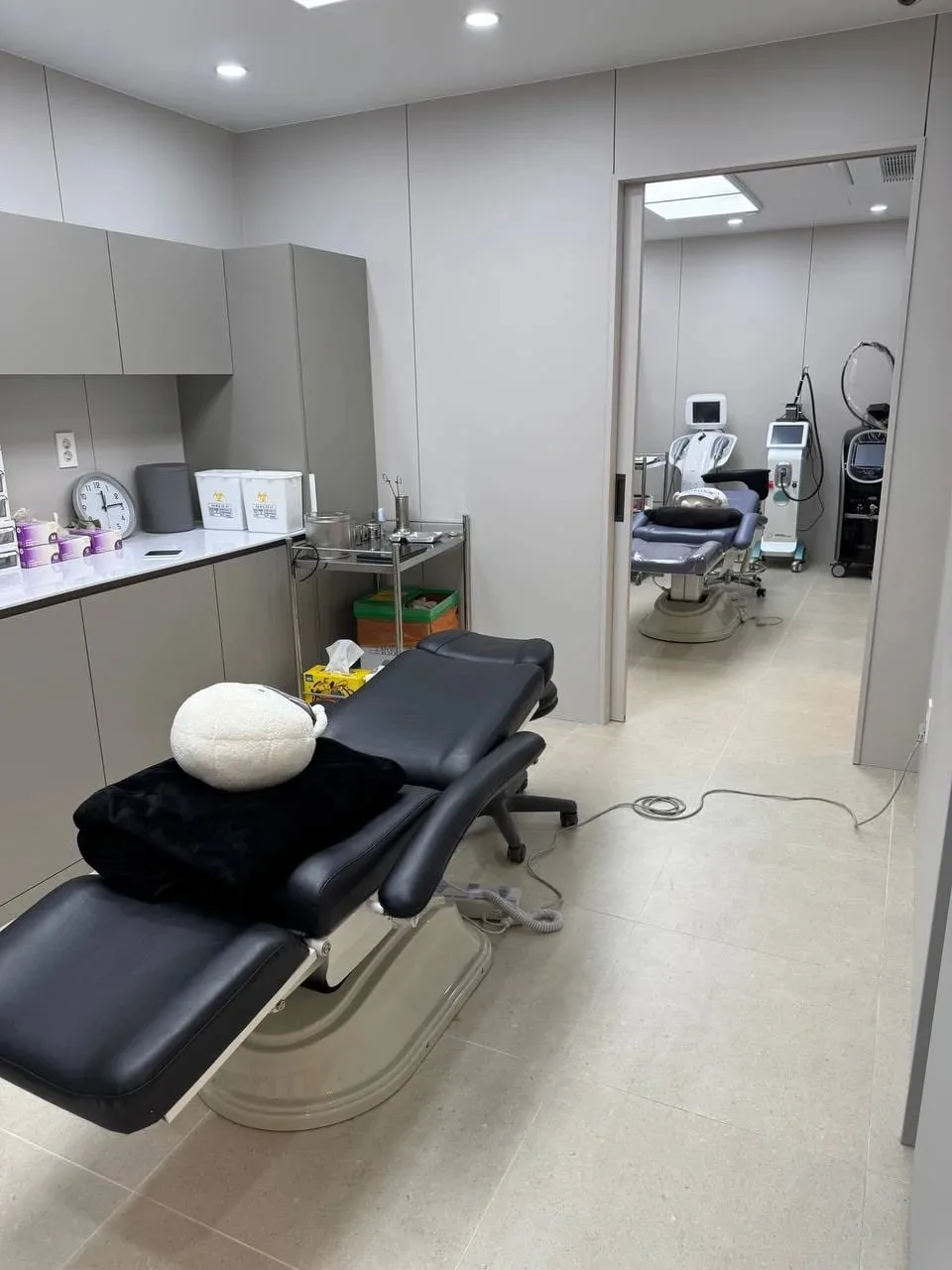
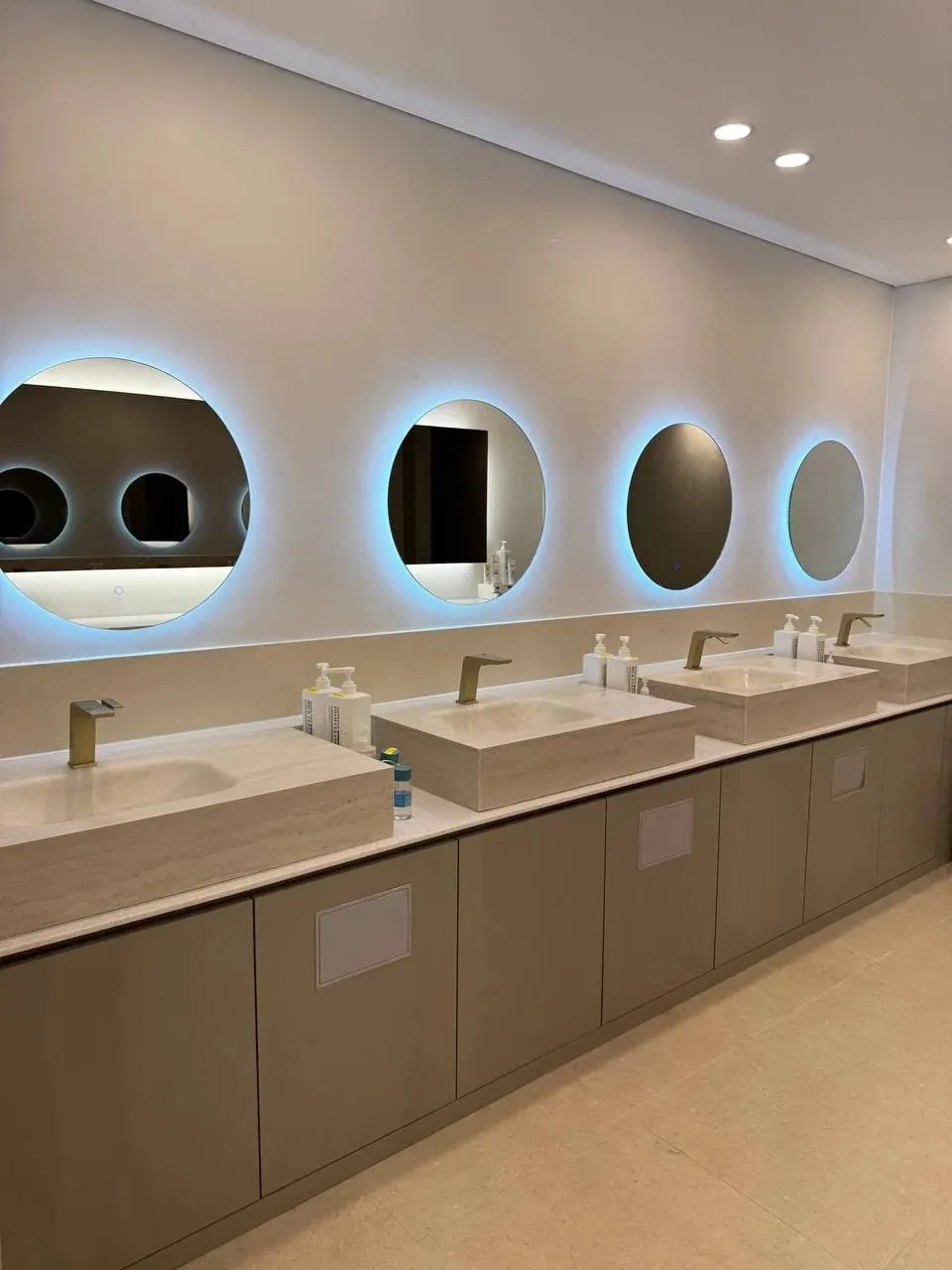
Tune Clinic Apgujeong today: the lobby, waiting areas and treatment rooms where consultations and treatments take place.

Sources
- Journal of Cosmetic and Laser Therapy. A prospective study analyzing the application of radiofrequency energy and high-voltage, ultrashort pulse duration electrical fields on the quantitative reduction of adipose tissue. PMC 2016. BodyFX mechanism, abdominal study design with 17 completers, three-month follow-up, petechiae in one participant
- FDA. K160329, InMode System MiniFX Handpiece. 510(k) record 2016. MiniFX vacuum and bipolar RF design, listed US indications
- FDA. K221571, InMode Multi-system. 510(k) record 2022. Separate indications for each applicator, manufacturer name
- Journal of Cosmetic Dermatology. Effectiveness and side effects of bipolar radiofrequency to treat submental laxity. PubMed 2022. 22-person Forma study, four sessions two weeks apart, submental volume change
- InMode University. Forma, Non-Invasive Skin and Tissue Remodeling. Manufacturer page. Manufacturer description of Forma as surface bipolar RF
- FDA. Non-Invasive Body Contouring Technologies. FDA consumer page. General RF risks, screening points and variable response
- FDA. Potential Risks with Certain Uses of Radiofrequency Microneedling. Safety communication 2025. Scope and date of the RF microneedling warning
- RealSelf. Does Inmode Forma use cause fat loss? Q&A 2019-2021. Physician reassurance about Forma and fat, opinion only
- Reddit r/30PlusSkinCare. What are peoples knowledge on facial fat loss from radiofrequency devices? Thread 2023. Public concern about facial volume loss, not evidence of causation
- UNNI. Community posts for Inmode. Community feed 2026. Questions people ask about bruising, minutes, sessions and combinations
- Next Steps in Dermatology. Patient Buzz, Skin Care After GLP-1 Weight Loss. Expert interview 2025. Skin laxity concerns after major weight loss, expert commentary
- Aesthetic Surgery Journal Open Forum. Radiofrequency-Based Treatments for Facial Rejuvenation, A Systematic Review. PMC 2025. Mixed facial RF evidence, poor downtime reporting
- InMode via ManualsLib. Contoura Operator's Manual, Section 6, BodyFX/MiniFX. Archived manual. Historical contraindications including active electrical implants, pregnancy or nursing, active skin conditions, implants and recent augmentation in the treatment area
- Ministry of Food and Drug Safety, Korea. MFDS Integrated Search. Official portal. Where a Korean device authorization can be checked
- American Society for Dermatologic Surgery. Non-invasive Body Contouring Treatments. Society page. Patient selection and realistic expectations