
Laser treatment does not automatically make skin thinner, and a thin, stinging or dry feeling after laser cannot by itself show whether your skin is anatomically thinner, has an irritated barrier, or has been injured. Thickness is anatomy, while barrier function is how well the outer layer holds water and keeps irritants out, and a 2025 expert panel sorts energy-device procedures into four levels of barrier disruption (Periprocedural skincare panel 2025). If symptoms last or get worse, have the skin examined before any further elective session.
You have one more laser session booked in Seoul. A familiar moisturizer now stings, and your cheeks feel unusually tight. The booking says only toning, and what you read online swings between reassurance about collagen and warnings about thin skin. This is an illustrative composite scenario, not a real patient. Before the next session, the consultation has to establish which device was used, when the symptoms began and whether the skin is recovering as expected.
Questions and answers
Does laser actually make skin thinner?
There is no universal yes or no. Laser is a family of different devices, and each one interacts with skin according to its wavelength, pulse duration and target (StatPearls). Some effects are temporary surface changes. Some are barrier symptoms. Some are real injuries, such as burns, infection, scarring or pigment change.
A 2026 review of complications found that risk depends on the patient, the device and the operator (Complications review 2026). The sources reviewed here do not establish a session count up to which skin is safe and after which it becomes thinner. Injury can also happen at a first treatment.
What is the difference between thin skin and an irritated skin barrier?
Thin skin is a statement about anatomy, and an irritated barrier is a statement about function. The epidermis is the outer layer and the dermis lies under it. On the face the epidermis has four named layers, and the fifth layer exists only on thick skin such as palms and soles (OpenStax).
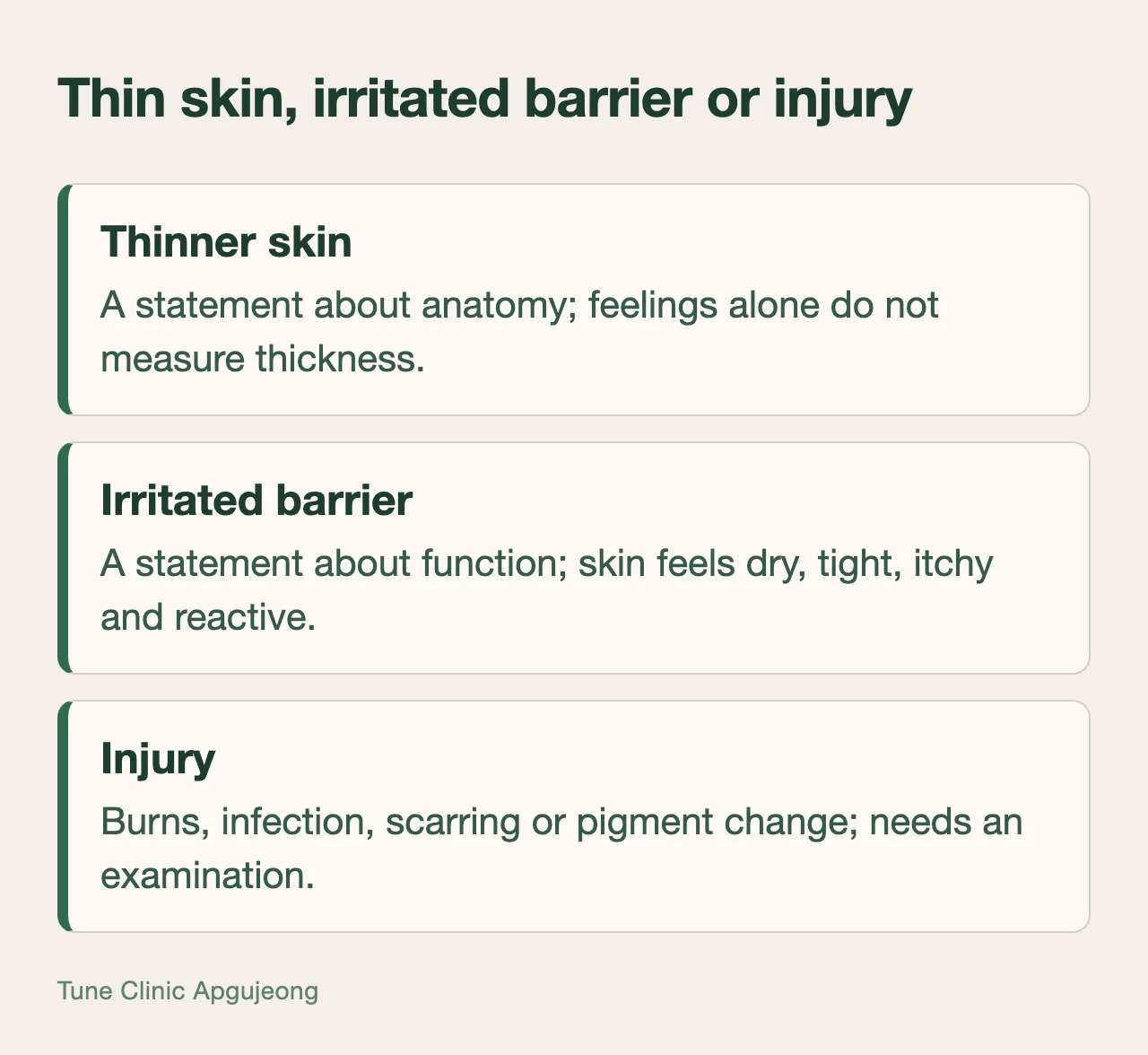
The epidermis protects against the outside world and limits water loss (OpenStax). When that function is disturbed, skin can feel dry, tight, itchy and reactive to products. Those feelings do not measure thickness. Energy-based procedures disturb the barrier to different degrees, which is why the 2025 panel matched skincare to four levels of disruption (Periprocedural skincare panel 2025). That is an expert framework, and it is not a validated diagnostic score.
Does the type of laser change the answer?
Yes, the type of device changes almost everything. Toning describes a way of using a laser and is not a device name. A broad treatment label does not establish how the procedure was performed.
| Treatment type | What it does | Problems to ask about |
|---|---|---|
| Low-fluence pigment toning | Repeated low-energy passes aimed at melanin | White spots, darker patches, pigment returning |
| Non-ablative fractional laser | Heats small columns of skin, surface stays in place | Lasting redness, pigment change, burns |
| Ablative resurfacing | Removes surface skin and leaves a wound | Infection, scarring, pigment change, slow healing |
| RF microneedling (not a laser) | Needles deliver radiofrequency energy under the surface | Serious complications reported, including fat loss |
The toning row comes from a systematic review of low-fluence Q-switched Nd:YAG treatment (Toning review 2022). The fractional and ablative rows follow general laser complication references (StatPearls). The RF row comes from a 2025 FDA safety communication (FDA).
Approval status also belongs to a specific device and its intended use. It does not belong to a technique such as toning (FDA). Ask for the exact manufacturer, model and treatment mode. In Korea, authorization can then be checked on the official device portal (MFDS).
Does collagen stimulation mean the treatment cannot damage skin?
No. An intended remodeling response in the dermis does not rule out an unwanted effect somewhere else. Older expert answers online flatly deny that fractional laser thins skin (RealSelf). A 2026 thread about Seoul clinics asks whether doctors who say this are being honest (Reddit). These are discussions, and they are not safety studies.
In 2022 I called the standard reassurance half right and half wrong. A patient who reports new stinging is describing a symptom, and a statement about collagen does not explain it. Total alarm does not help either. An Australian agency counted 95 media-reported injury events from cosmetic light and energy treatments and warned that media reports are not representative (ARPANSA). That count cannot be turned into a personal risk figure.
Can repeated toning cause white spots or darker patches?
Yes, both are recognized pigment complications of toning, and they are a separate problem from thinning. Reviews of low-fluence toning for melasma describe improvement in many protocols, but also recurrence, darker rebound pigmentation and small white spots (Toning review 2022).
A meta-analysis found that the number of sessions was associated with hypopigmentation and leukoderma, meaning patches of lost pigment (Meta-analysis 2022). The studies used different settings and follow-up periods, so the finding does not give anyone a safe session count. If new white speckling or darker patches appear, the pigment plan needs a fresh assessment before more pigment treatment.
Which symptoms mean I should stop and be examined before the next session?
Contact the treating clinic promptly for extreme or lasting pain, redness or swelling (The Aesthetic Society). Burns, infection and scarring are recognized laser complications (StatPearls). Blistering, discharge, or skin that is not healing as you were told to expect can be signs of those problems and also need an examination. Any change in vision or eye pain after a laser procedure needs urgent assessment (StatPearls).
A text reply or a photograph cannot exclude injury. Rough or red skin that lasts well beyond the expected recovery should not simply be labeled normal healing. It can also be a reaction to an aftercare product, and it takes an examination to tell these apart.
Stinging from skincare that lasts or worsens is a reason to have the skin assessed before repeating an elective treatment. Changing moisturizer and continuing does not replace that assessment. Recovery time differs by procedure and by person (The Aesthetic Society), and no single waiting interval fits every device or every complication. For ablative resurfacing, a 2025 consensus stresses patient selection, counseling, and care around the procedure (GWU consensus summary).
What aftercare is necessary, and are regeneration add-ons required?
Care that matches the procedure is necessary. Extra clinic procedures are not required for everyone. Professional guidance supports skincare and wound care matched to the degree of barrier disruption (Periprocedural skincare panel 2025). Follow the clinic's cleansing and wound-care instructions, protect treated skin from sun exposure, and ask when sunscreen can safely be applied to the healing surface (Periprocedural skincare panel 2025, AAD Meeting News 2025). After fractional CO2 resurfacing, care also includes wound protection and planned follow-up (AAD Meeting News 2025).
In my 2022 post I called regeneration care mandatory between laser sessions. The post did not say what that care consists of. Much of the current guidance is expert consensus, and it does not prove the benefit of any particular add-on product or procedure. Aftercare also cannot replace recognizing an injury or an unsuitable treatment.
When can I restart retinol, acids and makeup after laser?
Restart them when the skin has healed enough for that procedure, on your treating clinician's instructions. A fixed day does not apply to every procedure. A light toning session and an ablative resurfacing session disturb the barrier to very different degrees (Periprocedural skincare panel 2025). After fractional CO2, active products are reintroduced in stages as the skin recovers (AAD Meeting News 2025). A timetable seen online does not show that your skin is ready for products or for another procedure.
Are facial fat-loss warnings about the same treatment?
No. The October 2025 FDA warning concerns radiofrequency microneedling, which uses a different kind of energy from a pigment laser. The FDA reported serious complications with certain uses of RF microneedling, including fat loss (FDA). The communication gives no incidence figure and is not a ban. It is also not evidence that pigment toning carries the same risk. If you worry about hollowing, the first step is to learn the exact device you received.
What did the 2022 post say, and what does the evidence show now?
In my 2022 post I wrote that patients often told me their skin felt thinner, more sensitive or duller after laser. I said that toning lasers mainly target pigment in the dermis, make the dermis stronger and thicker, and thin the epidermis once repeated sessions pass a threshold. The evidence does not support those statements as general rules. Toning acts on melanin, including pigment in the epidermis, and a remodeling finding in some studies does not prove thickening for every device and patient (Toning review 2022). The sources reviewed here do not establish a universal session count at which pigment toning causes epidermal thinning.
I also said that stinging during toning was the laser hitting the epidermis, and I treated numbing cream as a usual part of toning. The post supplied no evidence establishing that location. Anatomical research identifies nerve fibers in the epidermis arising from dermal nerve trunks (Kennedy 1993). Ask the treating clinician whether numbing is needed for the proposed procedure.
I described a cycle in which scratching keeps thinning the epidermis until it cannot recover. Long-term scratching can thicken skin (DermNet). Dryness and itching fit barrier disruption without proven thinning (Periprocedural skincare panel 2025).
I wrote that laser was 3 parts of the result and regeneration care 7 parts, and I told readers who asked whether they should stop laser to continue and do that care well. The post supplied no evidence validating that weighting. Lasting symptoms call for assessment before another session (Complications review 2026).
What records should I take home after treatment in Korea?
Take home enough detail for a physician in your own country to understand what was done. This is practical advice for continuity of care, and no single international record standard exists. Device and operator factors shape complications, so the details matter (Complications review 2026).
- The device manufacturer, model and mode or handpiece
- The treatment date and the areas treated
- Written aftercare instructions
- A named contact at the clinic for follow-up
If you already have sensitive skin, say so before treatment. Sensitive is a description of symptoms and still needs a diagnosis. Messaging the clinic from home is useful, but it does not replace an in-person examination when injury is suspected.
What should I ask before another laser session?
- Which exact device, model and mode will you use, and what is it authorized for in Korea?
- How much does this procedure disturb the skin barrier, and what recovery should I expect?
- Which symptoms mean I should contact you before the next session?
- If I develop white spots or darker patches, how will the plan change?
- Which parts of the aftercare are necessary, and which are optional?
- When can I restart my own active skincare and makeup after this procedure?
- Who do I contact after I fly home, and what records will you give me?
Before you leave Korea, settle how follow-up will work: who you contact, by what channel, and what happens if the skin does not recover as expected. The physician's responsibility is to give you the whole picture, including what is uncertain and what can go wrong, and to stay reachable after you decide. With that in place, the decision about another session is yours to make.
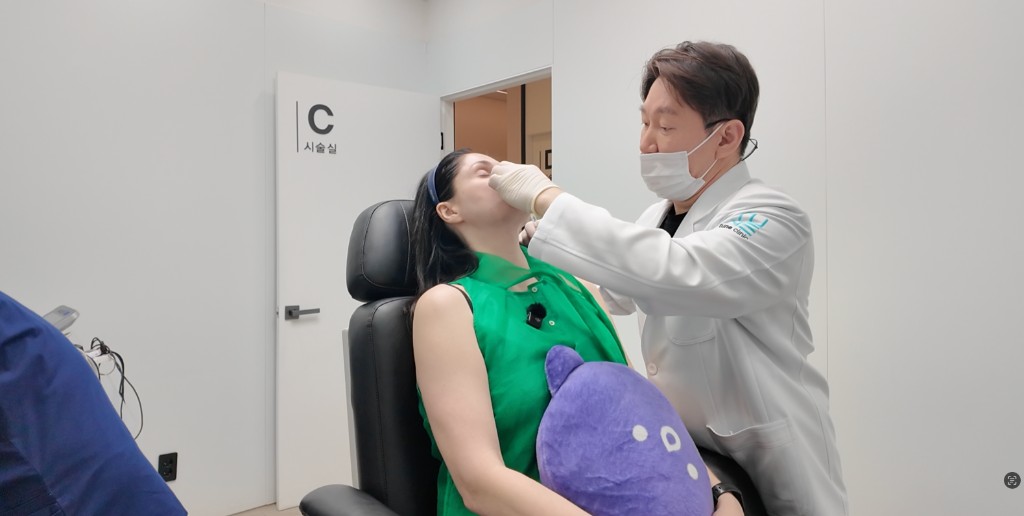
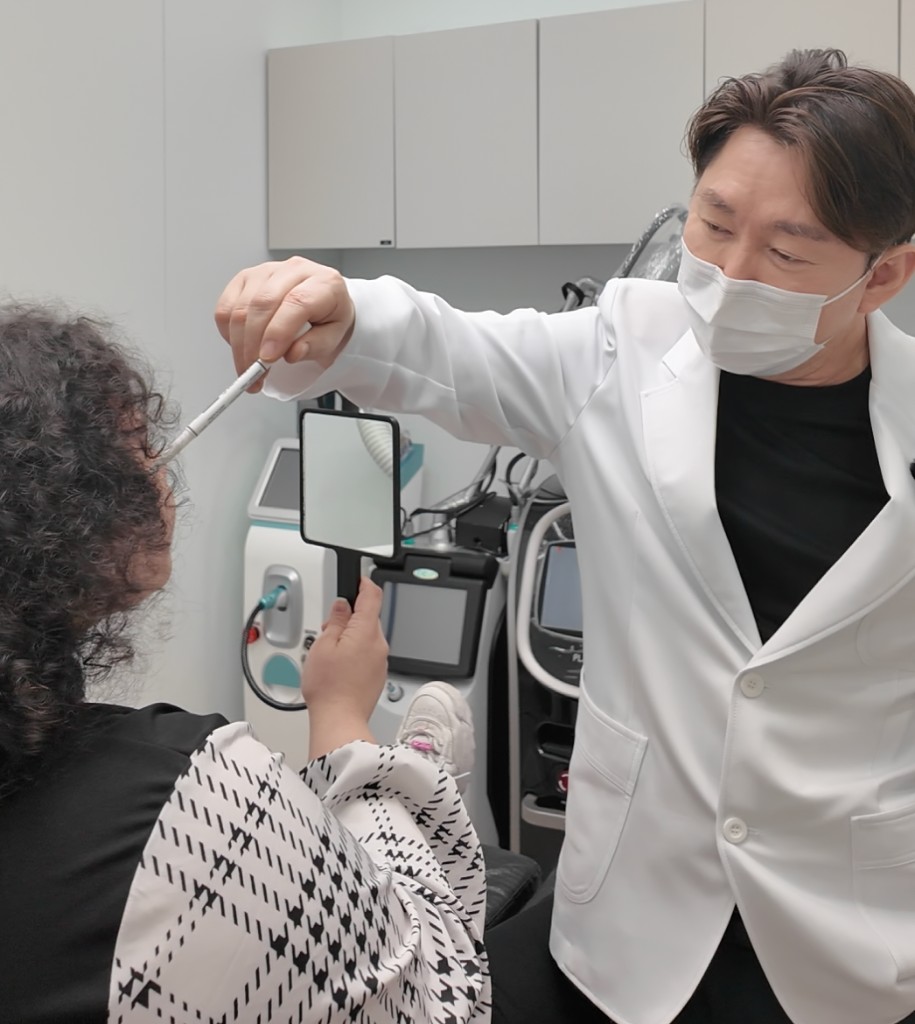
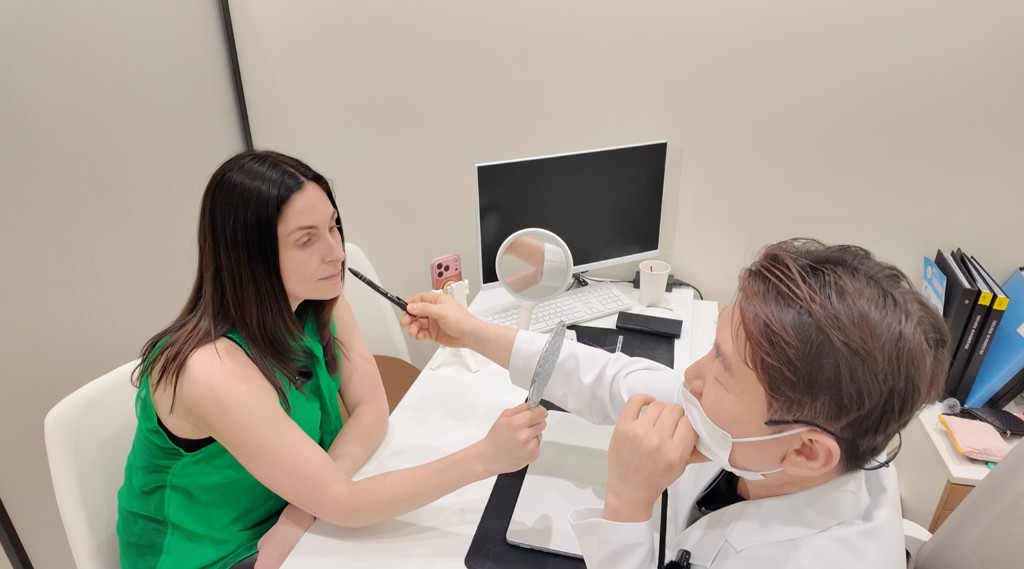
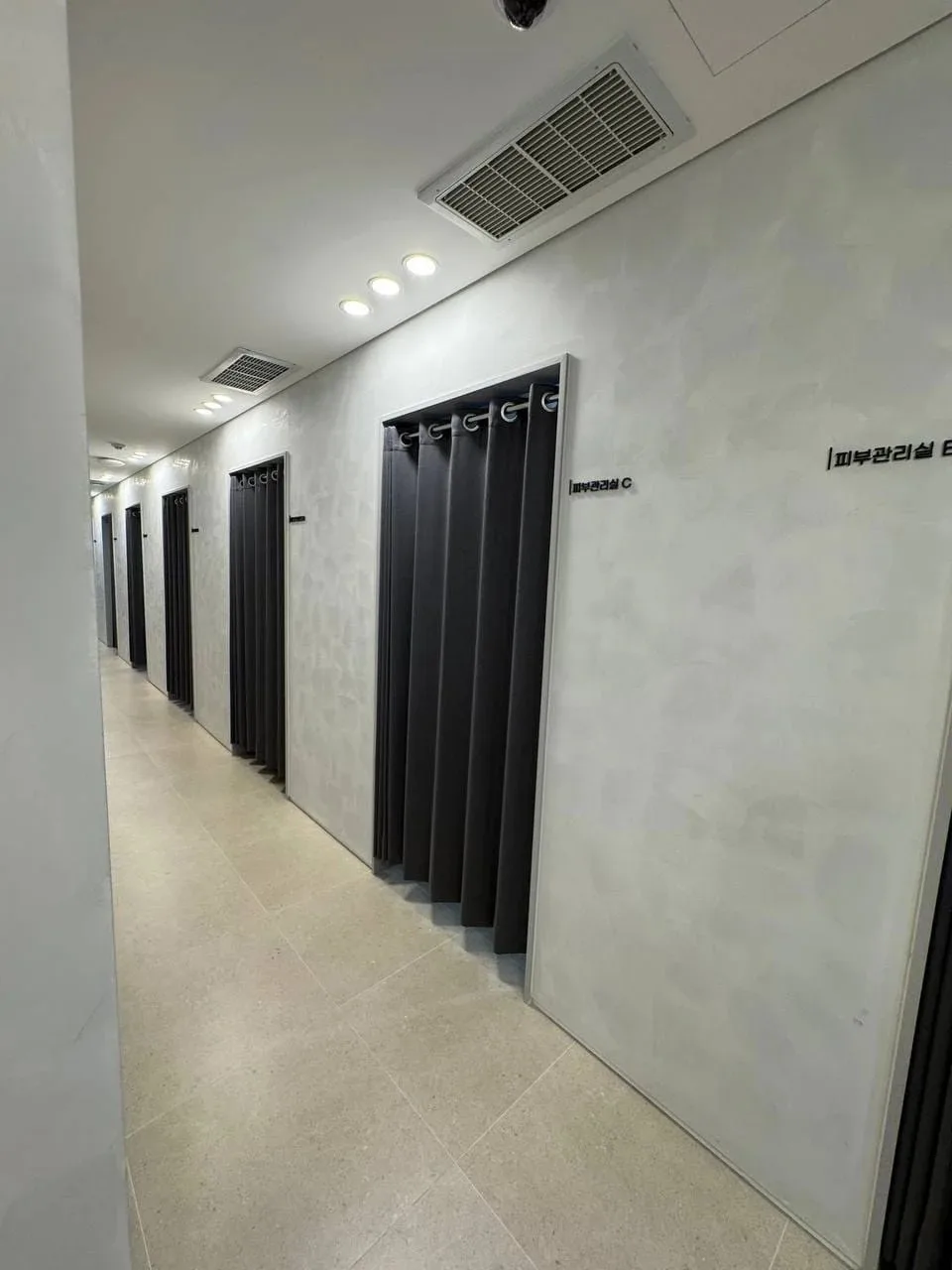
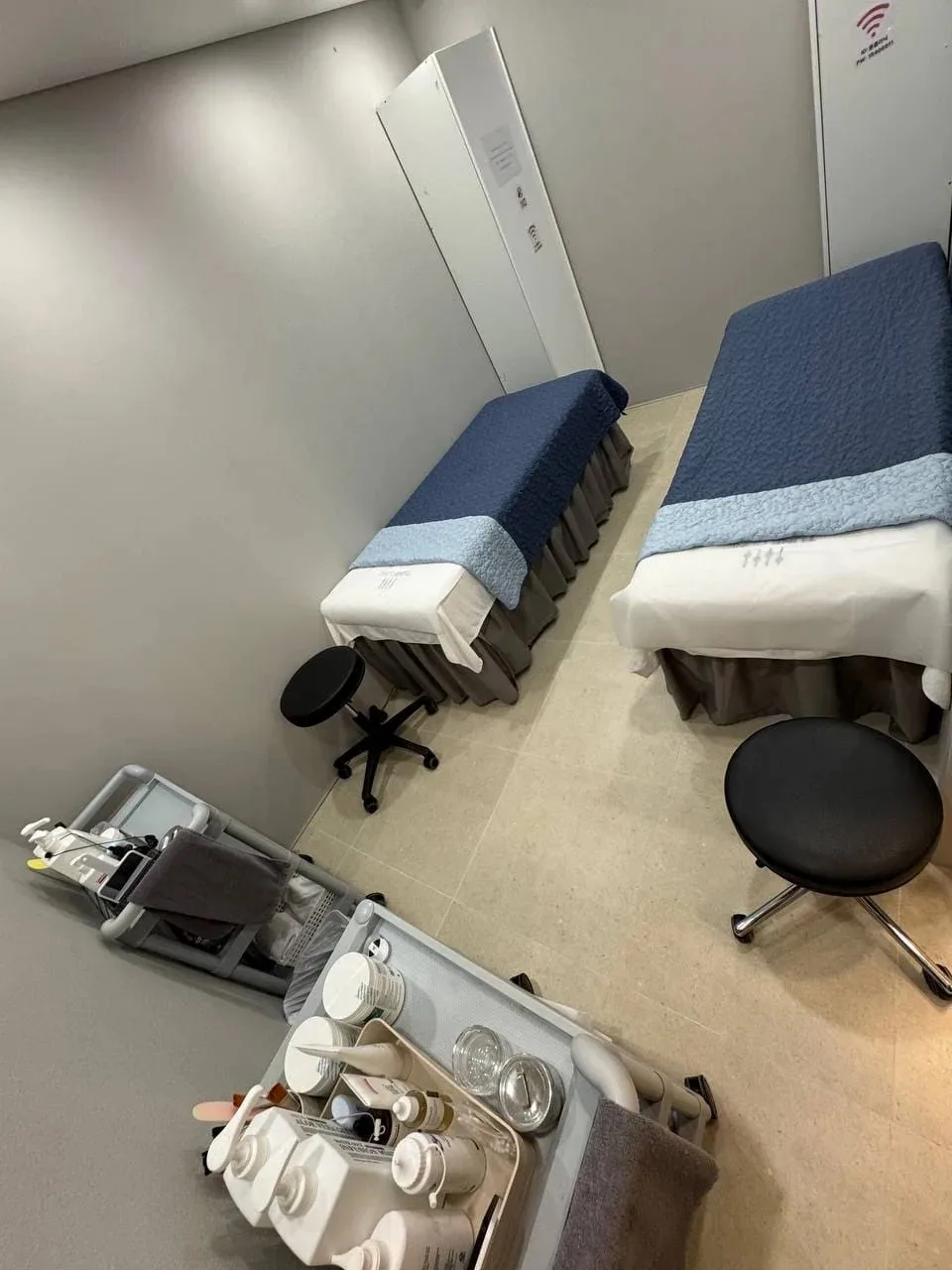
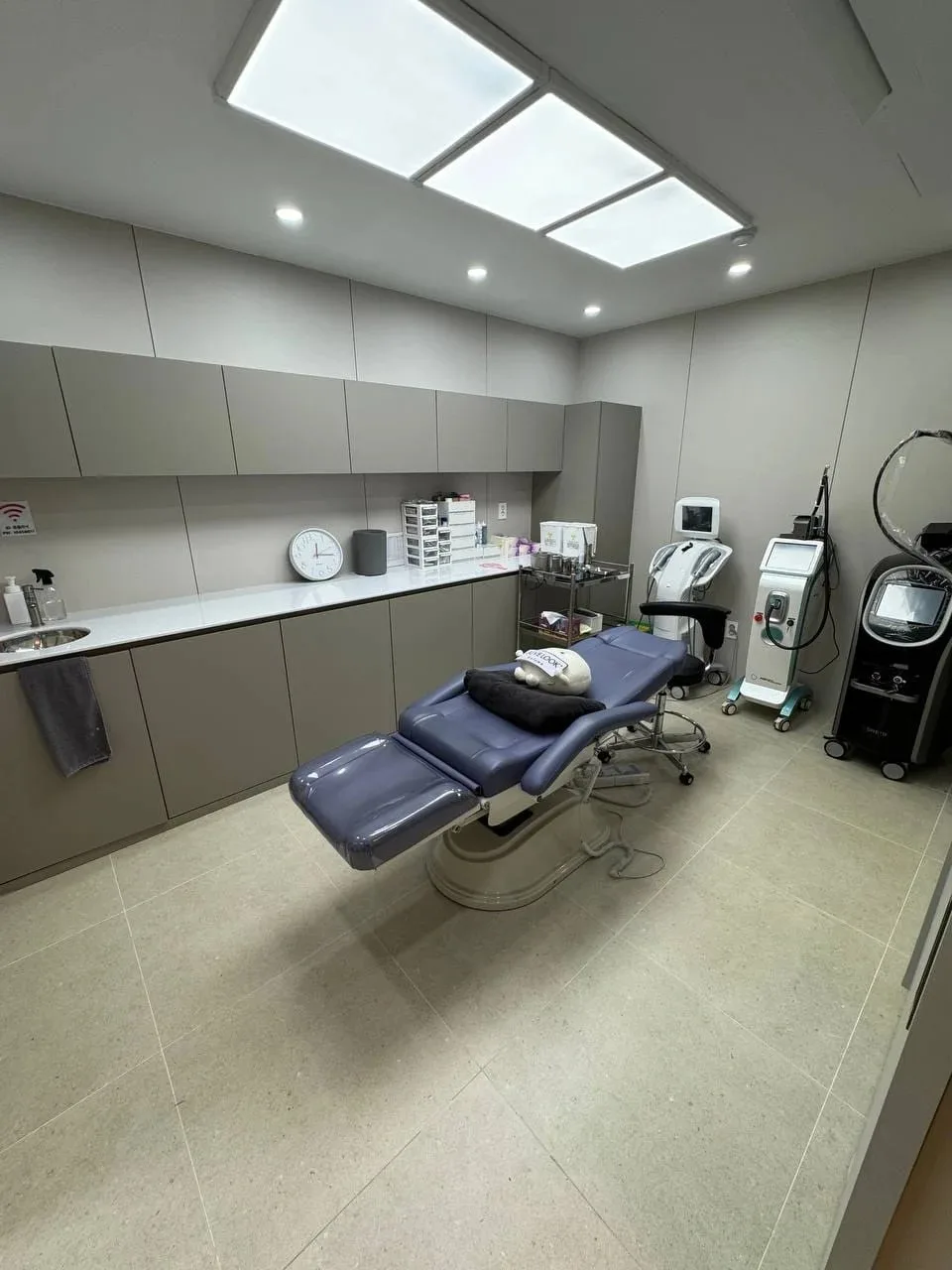
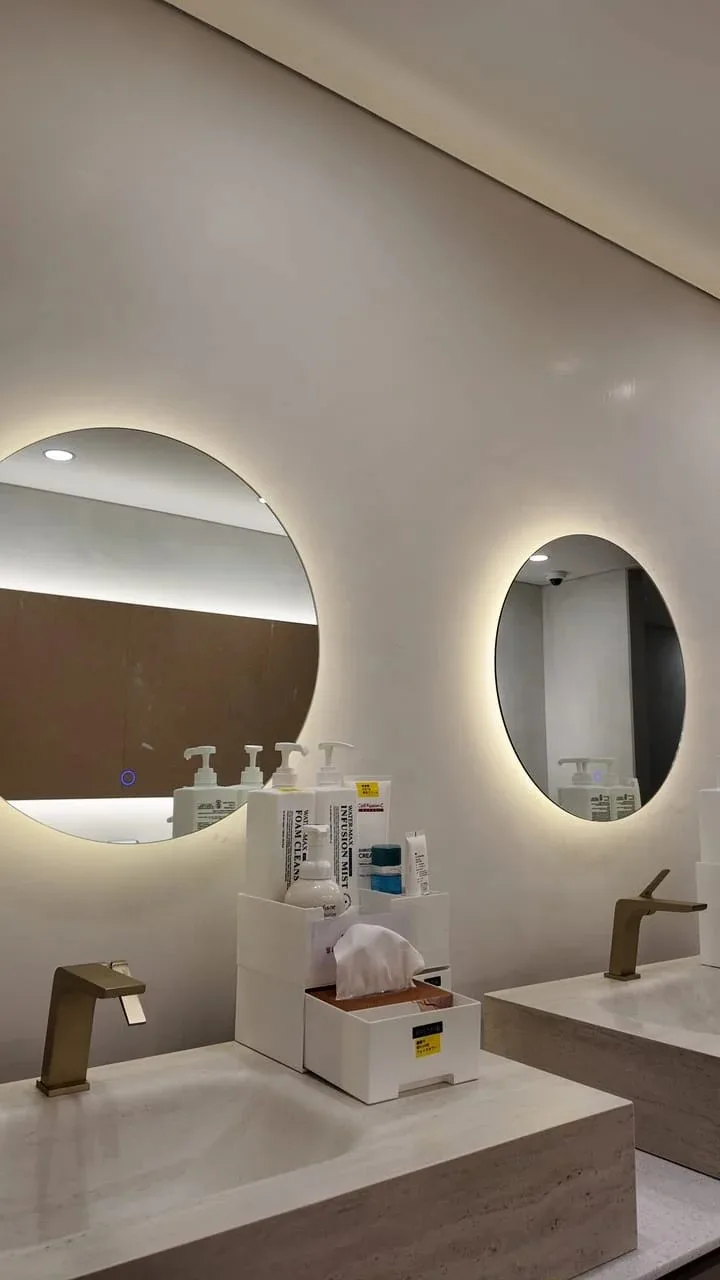
Tune Clinic Apgujeong today: the lobby, waiting areas and treatment rooms where consultations and treatments take place.

Sources
- OpenStax, Rice University. 5.1 Layers of the Skin. Anatomy and Physiology 2e, 2022. Epidermis and dermis anatomy; four strata on most skin, five on palms and soles; barrier role
- Medicina. The Low-Fluence Q-Switched Nd:YAG Laser Treatment for Melasma, A Systematic Review. 2022. How toning works, protocol variability, recurrence, white spots and darker patches
- Dermatologic Surgery. Efficacy and Safety of Low Fluence Nd:YAG Laser Treatment in Melasma, A Meta-Analysis and Systematic Review. 2022. Association between number of sessions and hypopigmentation or leukoderma; variable durability
- Aesthetic Surgery Journal Open Forum. Recommendations on Periprocedural Skincare for Energy-Based Dermatologic Procedures. 2025. Expert framework of four levels of barrier disruption; skincare and photoprotection matched to the procedure
- Journal der Deutschen Dermatologischen Gesellschaft. Complications of Laser and Energy-Based Procedures in Dermatology, Classification, Management, and Prevention. 2026. Patient, device and operator factors; injury, inflammation and pigment complications
- StatPearls, NCBI Bookshelf. Laser Complications. Updated 2026. Laser-tissue interaction, burns, infection, scarring, pigment change, eye emergencies
- DermNet. Lichen simplex. 2022. Chronic scratching can thicken skin
- The Aesthetic Society. Laser Skin Resurfacing, Aftercare and Recovery. Undated. Recovery varies; follow individual instructions; contact the clinician for extreme or lasting pain, redness or swelling
- AAD Meeting News. How to attain the gold standard in laser treatments. 2025. Fractional CO2 aftercare, wound protection, sun protection, follow-up, reintroducing active products
- RealSelf. Does the Fraxel laser thin your skin? 2014. Shows the public question and older flat reassurance; discussion, not clinical evidence
- Reddit, r/K_beauty_insider. Does laser actually make your skin thinner or is your doctor lying? 2026. Shows current Seoul-related concern and mixing of device types; discussion, not clinical evidence
- US Food and Drug Administration. Potential Risks with Certain Uses of Radiofrequency (RF) Microneedling, FDA Safety Communication. 2025. RF microneedling complication reports, including fat loss
- US Food and Drug Administration. Aesthetic (Cosmetic) Devices. Undated. Authorization belongs to a specific device and intended use
- Ministry of Food and Drug Safety, Korea. Medical device information portal. Undated. Where Korean device authorization can be looked up by product
- Australian Radiation Protection and Nuclear Safety Agency. Does beauty burn? Study on media reports of burns from cosmetic NIR devices in Australia. 2025. 95 media-reported injury events; media reports are not representative
- Journal of the Neurological Sciences. The innervation of human epidermis. 1993. Epidermal nerve fibers arise from dermal nerve trunks
- George Washington University School of Medicine and Health Sciences. New Consensus Offers Guidance on Managing Complications From Fully Ablative Laser Resurfacing. 2025. Consensus emphasis on patient selection, counseling and care around ablative resurfacing