Pico lasers deliver very short pulses and are used in selected pigment and texture treatment plans. The exact indication, device, settings and skin assessment matter; a short pulse does not guarantee less damage or a better result for every patient.
How Does Pico Laser Actually Work?
Picosecond and nanosecond devices differ in pulse duration, but pulse duration alone does not establish comparative safety or effectiveness. Ask which evidence applies to the device and concern being treated.
- Treatment target: confirm what the pigment concern is and why the proposed laser fits it.
- Skin response: discuss the risk of unwanted pigment change or irritation and how it will be monitored.
- Expectations: agree on how improvement will be assessed and what would change the plan.
Ask which settings and device attachments are proposed and why they fit your skin and pigment concern. A wavelength number alone is not a safe way to choose a treatment.
Why Does Stubborn Pigment Persist After Multiple Treatments?
Limited response can have several explanations, including the diagnosis, treatment plan and individual response. Reassessment should consider whether to adjust, pause or choose another approach instead of assuming that more sessions will help.
Several patterns recur in practice:
- Has the pigment diagnosis been reviewed?
- How did the skin respond to the previous session?
- Should the settings, interval or overall approach change?
A physician reviewing a case of recurrent melasma is not asking which laser is "stronger" — they are asking which component of the patient's pigment load will respond to photoacoustic disruption and which requires a different approach entirely.
What Does a Physician-Designed Protocol Look Like?
Assessment Before Treatment
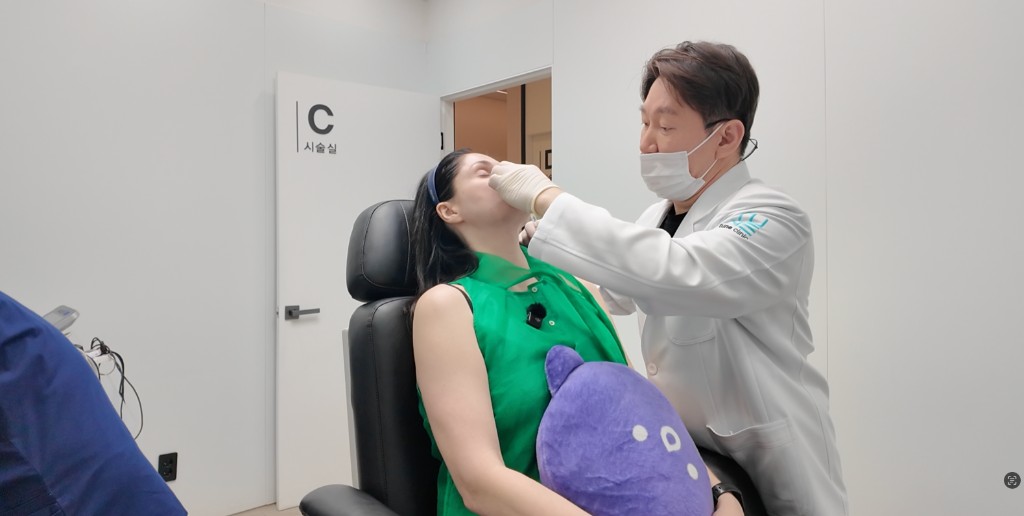
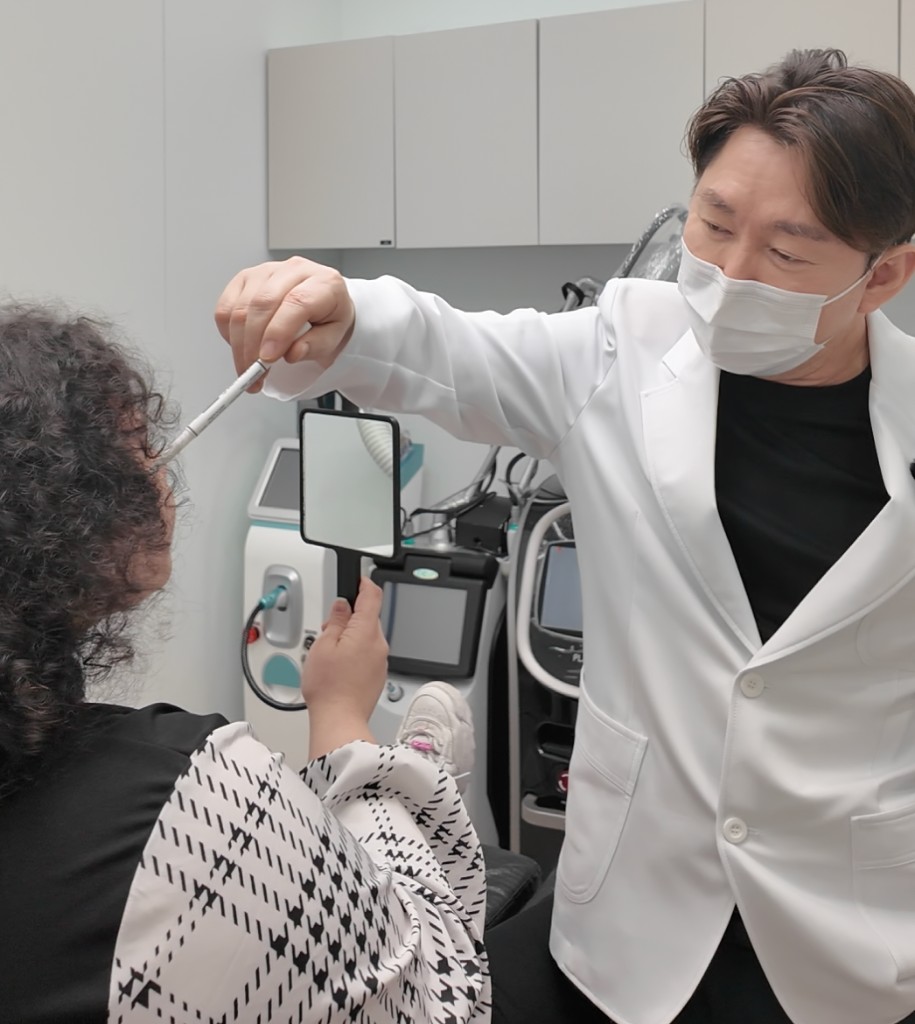
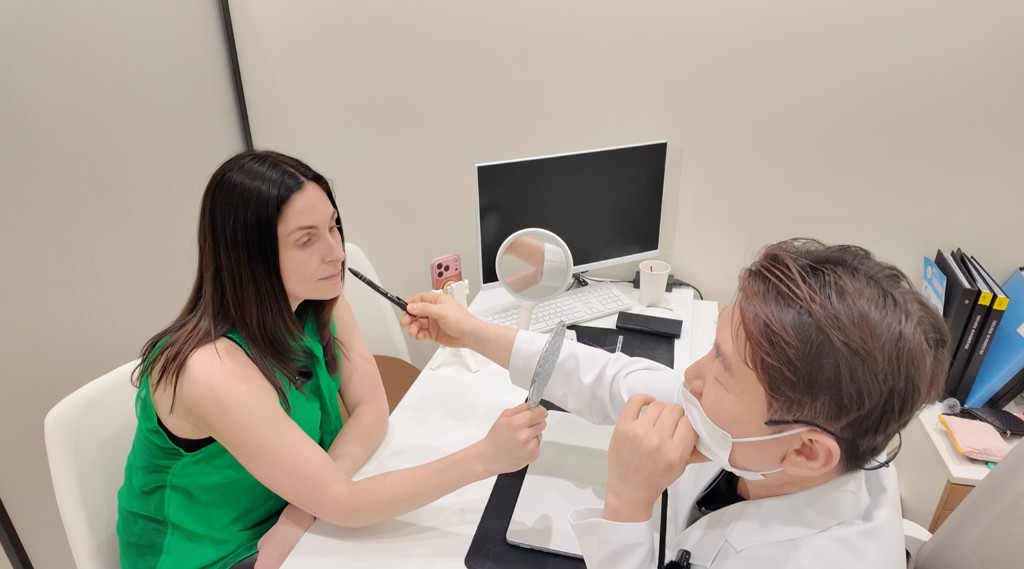
Assessment should review the pigment pattern, skin condition, previous treatment, recent sun exposure and relevant history. The clinician should explain any diagnostic uncertainty before recommending a laser plan.
At Tune Clinic, sessions are structured around this initial assessment rather than a preset menu. The treating physician adjusts parameters per visit based on observed tissue response — not because the protocol is inconsistent, but because responsiveness to treatment is itself clinical information.
If texture is also a concern, ask whether the device configuration and evidence support that proposed use. Do not assume that every pico-laser session has the same effects.
Is Pico Laser Right for Your Skin?
A pico laser is not appropriate for every dark patch, skin tone or texture concern. Diagnosis, skin findings and the proposed settings determine whether it belongs in the plan.
For patients exploring laser options more broadly, the physician-led design methodology at Tune Clinic gives context for how these decisions are structured across modalities, not just for pico-domain treatments.
If previous sessions have not met expectations, bring the treatment details and photographs to reassessment. The device name alone cannot identify the cause or show that repeating it will help.
FAQ
How many pico laser sessions are needed to see results?
There is no universal session count. Ask for an initial plan, when response will be reviewed and what would lead to adjustment, stopping or another approach.
Is pico laser safe for darker skin tones?
Skin tone, the specific pigment concern, device and settings all need assessment. Picosecond pulse duration does not by itself establish lower risk than another laser for every person.
What is the difference between pico laser and regular laser toning?
Laser toning describes a treatment approach, while pico refers to pulse duration. Ask which device and settings are intended rather than assuming the labels establish the result or relative safety.
Can pico laser treat melasma permanently?
Melasma is a chronic condition with hormonal, inflammatory, and UV-related drivers — no laser treatment resolves it permanently if the underlying triggers remain active. Pico laser can substantially reduce visible pigment load and maintain improvement when combined with rigorous sun protection and appropriate topical adjuncts. Ongoing maintenance sessions are commonly part of a realistic long-term plan.
How is pico laser different from other pigmentation treatments available at Tune Clinic?
Compare treatments by the assessed concern and the proposed purpose. Pico laser, injectables and lifting devices should not be treated as interchangeable ways to address every change in appearance.
Ready to plan your treatment?
Tune Clinic Apgujeong offers English-language consultations with Dr. Ju and Dr. Cha — a structured assessment, not a sales call.
→ Book an appointment to pick a time that fits your Seoul itinerary.
→ Message us on WhatsApp to ask in English before you commit.