
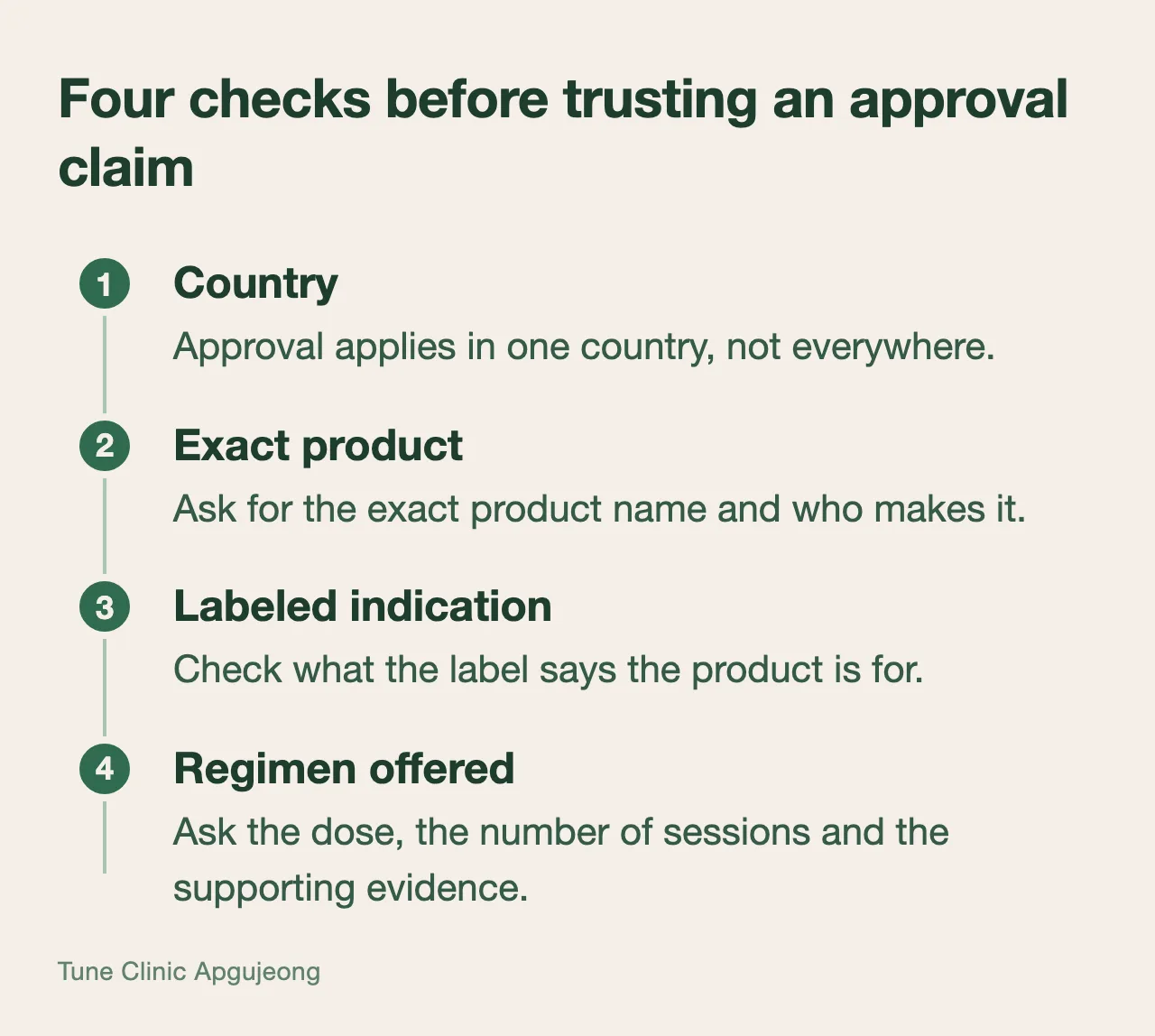
Whitening drips in Korea, usually IV glutathione, vitamin C or both, are not supported by good evidence for lightening skin, and their risks depend on the product, the dose and your own health. A 2025 systematic review found only one placebo-controlled study of IV glutathione for skin lightening. Before you trust an approval claim, check four things: the country, the exact product, the labeled indication and the regimen being offered.
Picture a visitor with a few days in Seoul, reading a clinic menu on a phone. Among the skin treatments is a line for a whitening drip, with the words glutathione, vitamin C and FDA approved. Nothing says whether the drip treats a diagnosed pigment problem, corrects a deficiency or changes overall skin tone. This visitor is a composite built from common questions, not a real patient. What follows is what that visitor needs to know before saying yes or no.
Questions and answers
What is actually in a whitening drip?
A whitening drip is a marketing name for an infusion. It is not a standard formula, a diagnosis or an approved indication. In Korea the name usually points to glutathione, sometimes mixed with or sold beside vitamin C. In my 2022 post I wrote that glutathione first became known in aesthetic clinics under the name white-jade injection.
Glutathione is a small peptide made of three amino acids, and it works as an antioxidant inside cells (IJDVL 2016). Vitamin C is a different substance with its own label and its own risks. I also wrote that pigment suppression is about 10 percent of what glutathione does. No source supports that number.
A Korean white-jade drip and a Japanese glutathione injection are not automatically the same product, dose or labeled use (MFDS label, PMDA label). Ask for the exact product name and what it is labeled for.
Are whitening, brightening and treating melasma the same thing?
No. They are separate goals, and evidence for one does not prove another. Whitening means changing your baseline skin color. Brightening usually means a more even or fresher look. Treating melasma means managing a diagnosed pigment disorder.

Studies of glutathione measure different endpoints by different routes, so a pigment reading at one skin site cannot show whole-body whitening or successful melasma treatment (systematic review, 2025). Lighter skin is not healthier skin. If your concern is patches or spots, start with a diagnosis.
Does IV glutathione reliably lighten skin?
No, the evidence does not show reliable lightening from IV glutathione. Glutathione can act on pigment pathways, so the idea is plausible. The clinical proof is thin. The 2025 systematic review found one placebo-controlled IV study and large limits in the rest of the research (systematic review, 2025).
Professional bodies have reached cautious conclusions. The Philippine Dermatological Society judged the efficacy evidence weak and insufficient (PDS 2025). A 2026 Indian task-force consensus does not recommend routine aesthetic IV glutathione (ACSI 2026). These statements come from specific countries and are not laws. They do show that a place on a clinic menu does not make a treatment agreed medical practice.
Does a vitamin C infusion treat melasma or improve skin quality?
This has not been shown for high-dose cosmetic infusions. Vitamin C supports collagen formation and antioxidant defense in normal skin (NIH ODS, Nutrients 2017). That does not show that a large IV dose improves wrinkles, firmness or hydration in a person who already gets enough vitamin C.
The Korean label for injectable vitamin C does list melasma, freckles and post-inflammatory pigmentation, but only where vitamin C deficiency or a metabolic disturbance is suspected. The label also limits injectable use to acute circumstances or difficulty with oral administration (MFDS label). That is much narrower than a general pigment treatment. An infusion also does not replace sun protection.
What does FDA or MFDS approval actually cover?
Approval covers one product for stated indications in one country. It does not cover every use a clinic advertises for that product.
| Regulator and product | What the label covers | What it does not show |
|---|---|---|
| US FDA, ascorbic acid injection | Short-term treatment of scurvy when oral dosing is not possible, not enough or contraindicated (DailyMed) | Approval for whitening, anti-aging or cancer treatment |
| Korea MFDS, ascorbic acid injection | Prescription medicine. Pigmentation indications only where deficiency or a metabolic disturbance is suspected, in acute circumstances or when oral dosing is difficult. Usual labeled range of 50 to 1,000 mg a day (MFDS) | Support for a 25 g cosmetic infusion |
| Korea MFDS, glutathione 600 mg injection | Prevention of nerve problems from cisplatin or related chemotherapy (MFDS) | A cosmetic whitening indication |
| Japan PMDA, glutathione injection | Several indications, including melasma and post-inflammatory pigmentation (PMDA) | Whole-body whitening, or approval of a Korean product or regimen |
The FDA has said that it has not approved any injectable drug for skin lightening (FDA consumer update). The 25,000 mg figure seen in marketing is the content of a pharmacy bulk vial, and the US label separates vial content from a patient dose (DailyMed). Off-label use is not automatically illegal, and it is not the same as approval.
Is IV glutathione better than capsules or oral films?
No one has shown that IV glutathione gives better or longer-lasting cosmetic results than oral products. An IV raises blood levels faster, but blood exposure is not the same as a visible skin benefit (narrative review, 2026).
My 2022 post used a four-week trial to argue that oral glutathione cannot get through digestion and work. I described it as 40 people taking glutathione 500 mg twice a day. In that post I also noted that newer papers were more favorable to oral use and that the picture could change, and my conclusion was that regular IV glutathione at a clinic was the best option.
The evidence supports a different reading. The four-week trial randomized 40 adults between glutathione and placebo and found no change in the biomarkers it measured (Allen 2011). A null result on biomarkers is not an absorption study. A six-month randomized trial in 54 adults found that oral glutathione raised body stores (Richie 2015). The claim that oral glutathione cannot be absorbed is outdated, and neither trial shows a meaningful cosmetic benefit.
The 2022 post also mentioned a paper on a film absorbed through the lining of the mouth. A small study evaluated a buccal lozenge (Sonthalia 2018). Its findings do not establish the effectiveness of dissolving films, liposomal products or other formulations.
How many sessions are needed, and do the effects last?
There is no validated cosmetic schedule for IV glutathione and no dependable estimate of how long any change lasts (narrative review, 2026). Some schedules have been studied, including a placebo-controlled IV study that used twice-weekly infusions for six weeks (ACSI 2026). The evidence does not establish an effective, safe cosmetic course or a maintenance interval.
Without a defined end point, repeated infusions can become an open-ended commitment. Many protocols also combine glutathione with vitamin C, which makes it hard to know which ingredient did anything (narrative review, 2026). Common use of a combination does not establish that it is compatible, safe or additive.
What are the risks, and is there a new warning about glutathione injections?
Yes, there is a recent warning, and it concerns a specific supply chain. On August 27, 2026, the FDA reported at least 30 adverse-event cases linked to compounded glutathione injections made from a shared dietary-supplement-grade ingredient (FDA 2026). This is a contamination signal for that supply. It is not a risk rate for every glutathione product, and it does not implicate Korean products.
Risk comes from four places: the substance, the formulation, the manufacturing quality and the infusion itself. Both the Japanese and the Korean glutathione labels warn of severe allergic reactions, including anaphylaxis, with signs such as pallor, falling blood pressure or an abnormal pulse (PMDA, MFDS). Any IV line can also bruise or irritate a vein, or become infected.
Tell staff immediately if symptoms develop during an infusion. Trouble breathing, throat or tongue swelling, or fainting require emergency care. Fever or chills after an infusion, or worsening redness and pain at the IV site, need urgent medical assessment. A country's reputation does not make a product safe, but the exact product and its authorization can be checked.
Who should not have high-dose vitamin C, and who needs extra caution?
People with G6PD deficiency should not receive high-dose IV vitamin C. It can destroy their red blood cells, a reaction called hemolysis. The Korean label lists G6PD deficiency among the patients who must not receive the product, and the US National Cancer Institute gives the same warning for high doses (MFDS label, NCI). That is a contraindication, meaning the treatment is ruled out.
High-dose vitamin C can also cause oxalate-related kidney injury (NCI). The cited Korean product must not be given to people with hyperoxaluria, meaning excessive oxalate in the urine. For people with oxalate kidney stones, the label prohibits doses of 1 g a day or more (MFDS label). Other kidney disease or a history of stones requires assessment before treatment.
Other points are precautions that the physician weighs for you. Tell the physician about pregnancy or breastfeeding and every medicine you take. If you do not know your G6PD status, ask how the clinic checks it before a high dose.
Can a drip help fatigue, immunity or detox?
These benefits are not established for healthy people. In 2022 I listed anticancer, anti-inflammatory, liver detox, immune, cough and asthma, and gut-lining effects for glutathione. The Korean label covers prevention of nerve problems from certain chemotherapy, which is not cancer treatment or prevention. The other effects are not established for routine infusions.
Vitamin C is needed for normal immune function, and glutathione takes part in the body's detoxification pathways. Neither fact shows that an elective infusion prevents infections, restores energy or cleans the liver (NIH ODS immune, NIH ODS vitamin C). Cancer research on IV vitamin C is specific to certain settings, often as an add-on to standard care, and still developing (NCI). Tiredness that does not go away deserves its own medical assessment.
Which other claims in the earlier posts does the evidence not support?
Two posts on this blog made further claims that need correction.
I suggested milk thistle, NAC and MSM to raise the body's own glutathione production, and gave silymarin as the ingredient name for milk thistle. Milk thistle is the plant and silymarin is a mixture from its extract, and the human liver evidence is conflicting (NCCIH). NAC does supply cysteine (Samuni 2013). Human evidence that MSM raises glutathione is limited (MSM review, 2026). None of this is a validated cosmetic plan.
I also told readers who felt an effect from an oral product to keep taking it. A feeling does not establish efficacy, dose or safety.
The March 2024 post presented a vitamin C injection as FDA approved in a way that suggested the approval covered whitening. It treated a 25,000 mg vial as a dose and compared it to 1,200 lemons. It claimed benefits for cancer, COVID-19, stress and several skin diseases. Separately, it promised improvements in wrinkles, elasticity, whitening and hydration after one session. These promotional claims are not established by the cited evidence.
What should I ask before booking a drip in Korea?
- What is the exact product, who makes it, and which regulator authorized it for which indication?
- What is my diagnosis, and is this infusion aimed at a pigment condition, a deficiency or overall skin tone?
- What dose and how many sessions do you propose, and what evidence supports that regimen for my goal?
- Is this use on the label or off-label in Korea?
- Do my kidney history, G6PD status, pregnancy status or medicines rule this out or change the plan?
- Which symptoms mean I should seek emergency care, and who do I contact after I fly home?
- What would you suggest if I choose no infusion at all?
A physician's part is to lay out the whole picture, including the weak evidence and the risks. The physician puts a name to that advice and stays reachable after you decide. With that in hand, the decision is yours, and saying no to a drip is a fully acceptable answer.
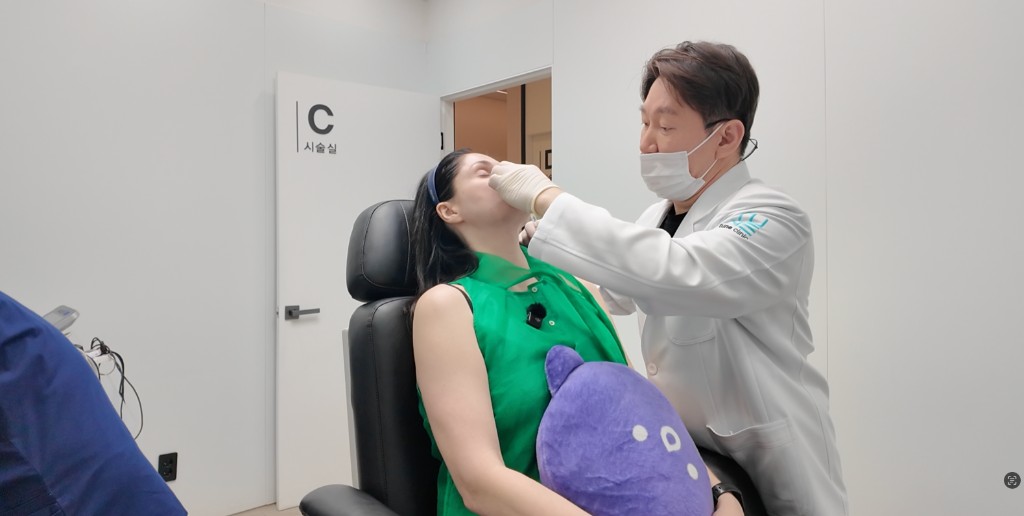
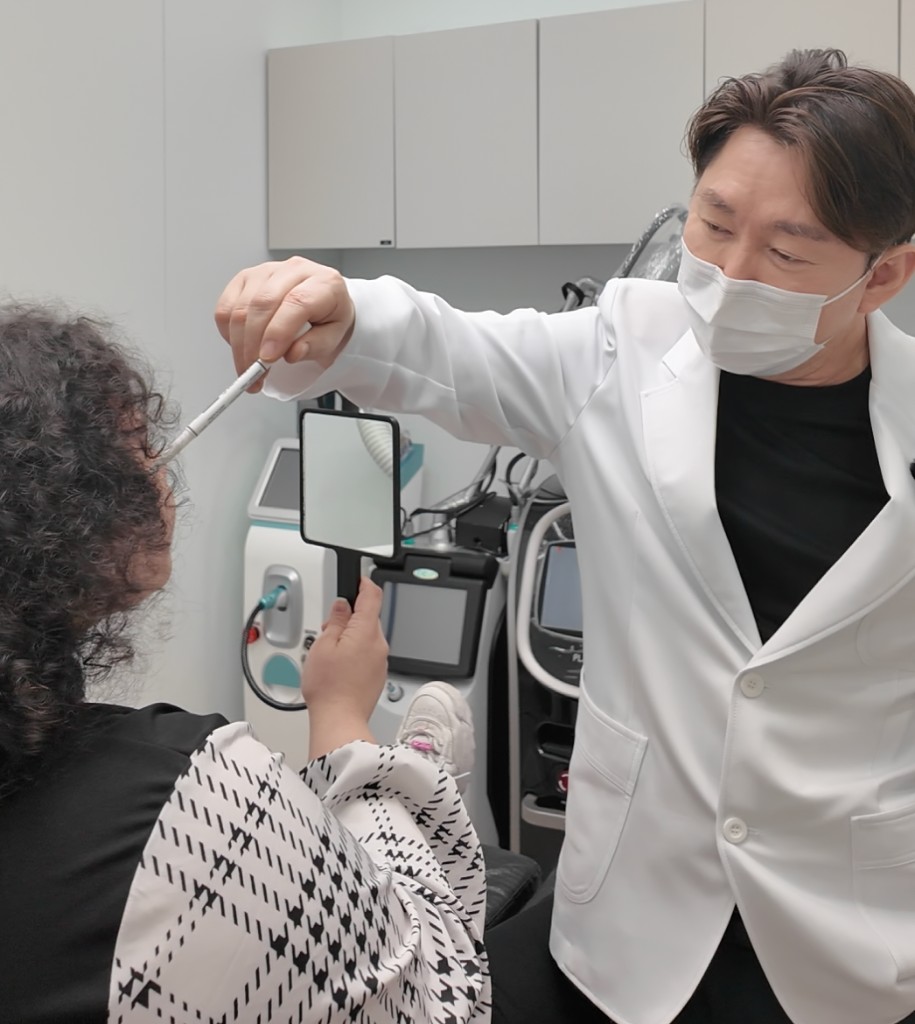
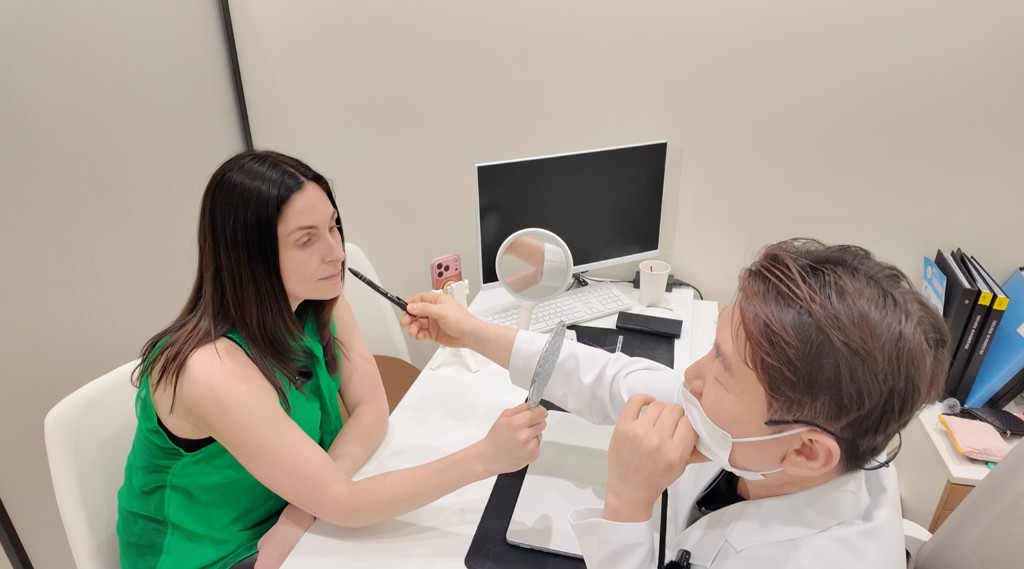
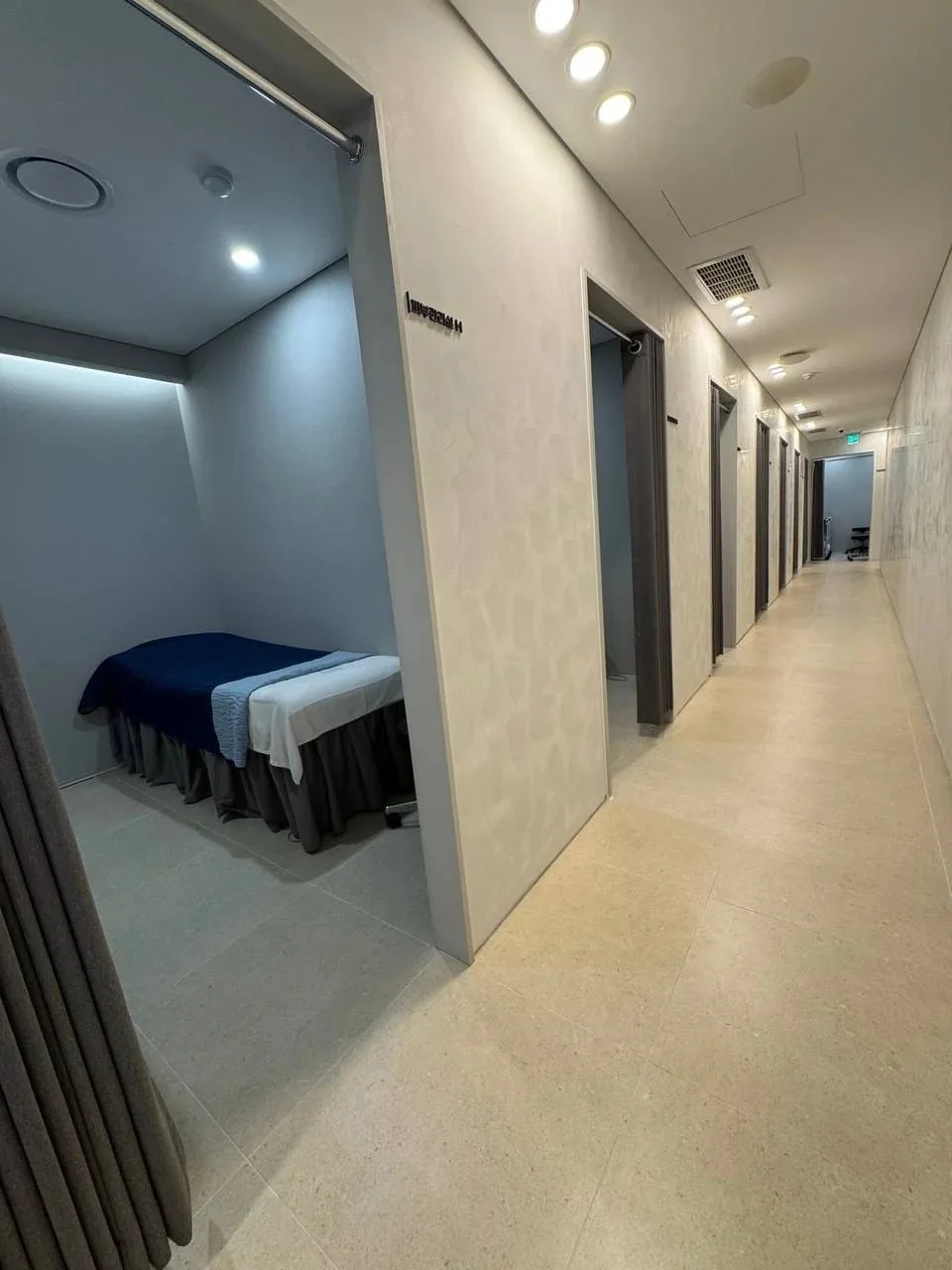
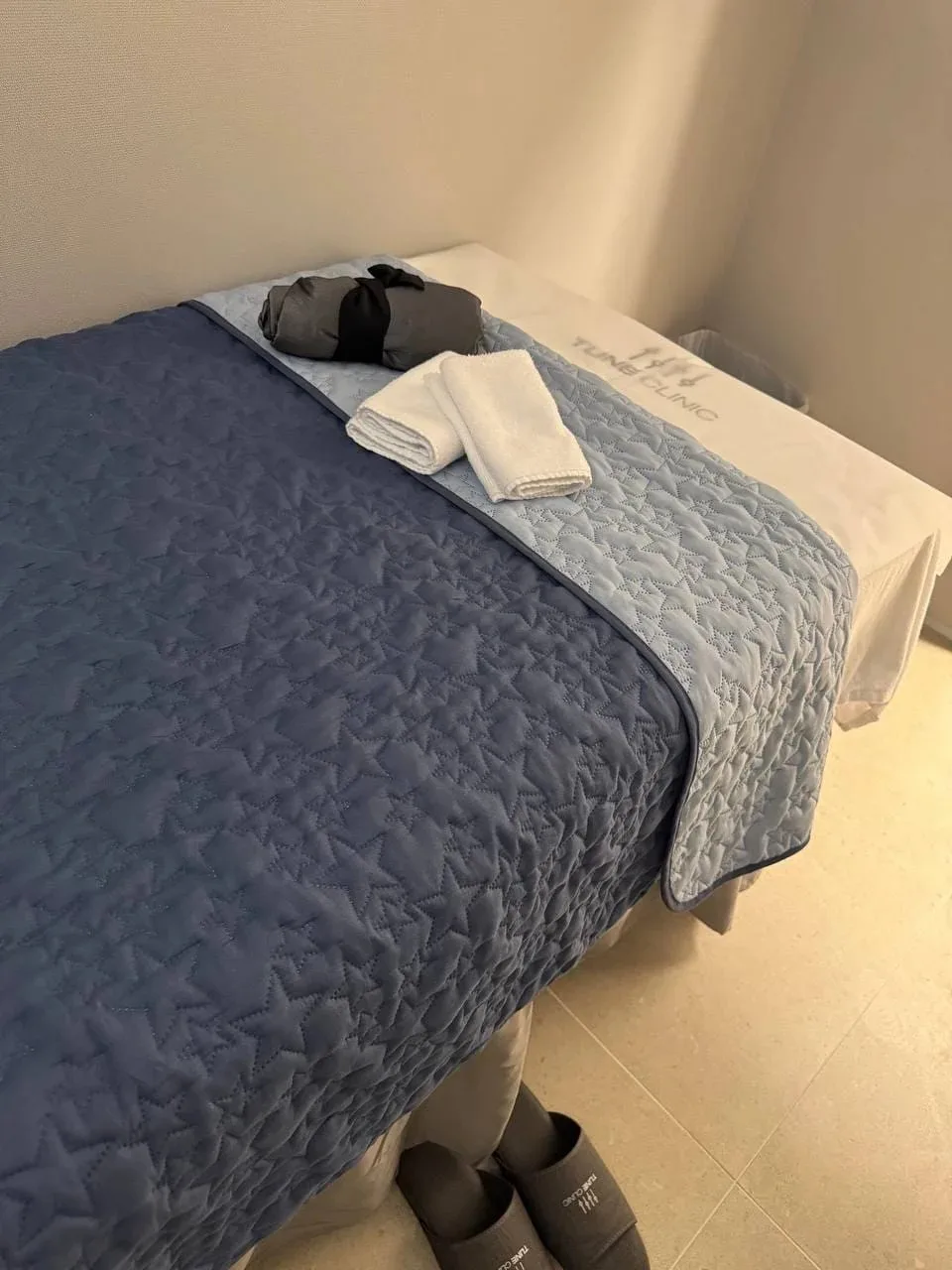
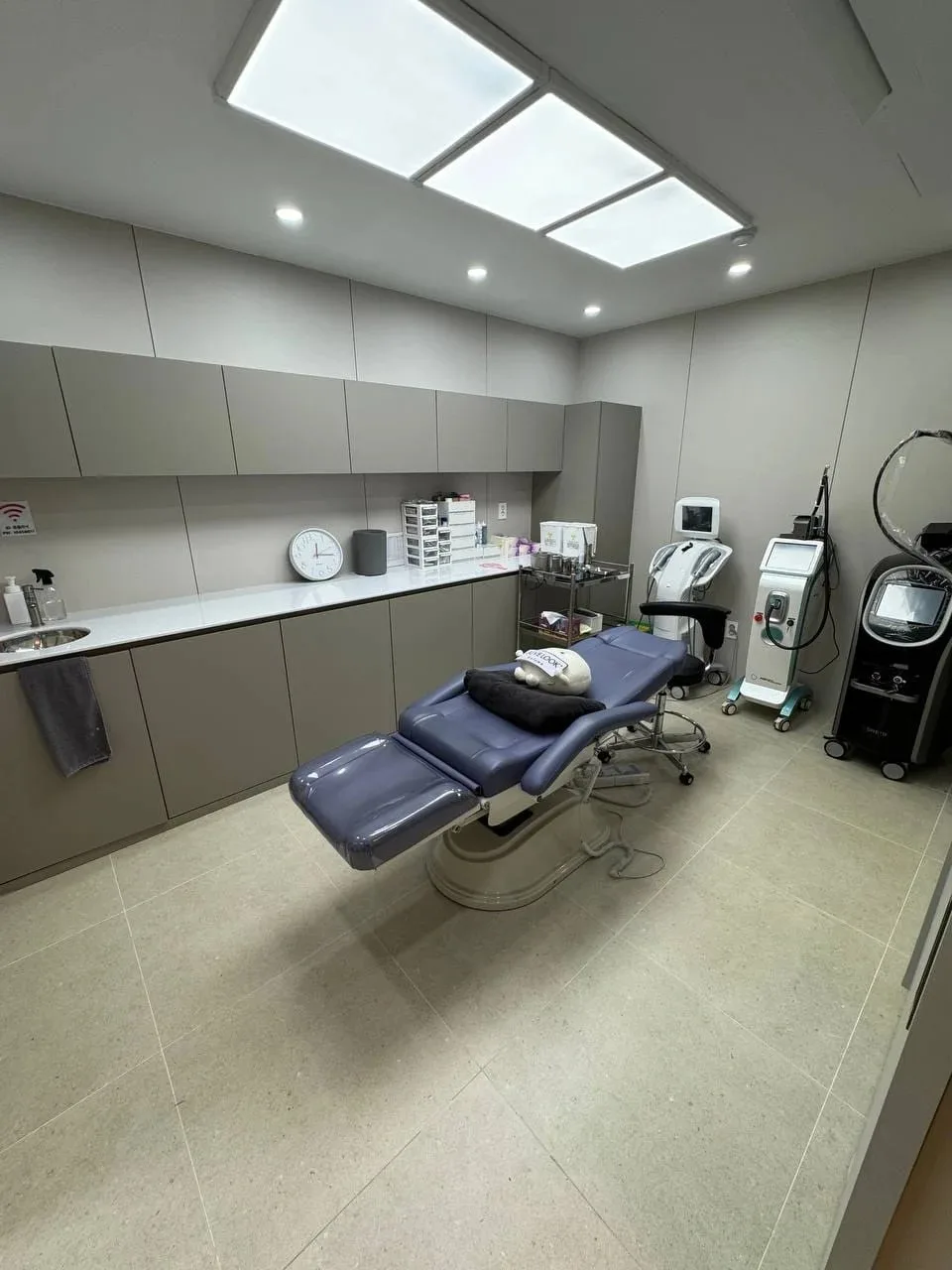
Tune Clinic Apgujeong today: the lobby, waiting areas and treatment rooms where consultations and treatments take place.




Sources
- NIH Office of Dietary Supplements. Dietary Supplements for Immune Function and Infectious Diseases. Fact sheet 2025. Nutrient biology does not establish immune benefit from elective infusions
- Indian Journal of Dermatology, Venereology and Leprology. Glutathione as a skin whitening agent, facts, myths, evidence and controversies. 2016. Glutathione composition and antioxidant role
- European Journal of Nutrition. Randomized controlled trial of oral glutathione supplementation on body stores of glutathione. 2015. Six-month trial in 54 adults showing increased glutathione stores with oral dosing
- Journal of Alternative and Complementary Medicine. Effects of Oral Glutathione Supplementation on Systemic Oxidative Stress Biomarkers in Human Volunteers. 2011. Four-week trial, 40 adults randomized to glutathione or placebo, no biomarker change
- Biochimica et Biophysica Acta. The chemistry and biological activities of N-acetylcysteine. 2013. NAC as a cysteine precursor for glutathione synthesis
- Dermatology Practical & Conceptual. Glutathione for skin lightening, a regnant myth or evidence-based verity. 2018. Small oral, buccal lozenge and topical studies and their limits
- International Journal of Dermatology. Glutathione as a skin-lightening agent and in melasma, a systematic review. 2025. Only one placebo-controlled IV study and major evidence limits
- Korea Ministry of Food and Drug Safety. Reduced glutathione 600 mg injection product information. 2017, updated 2025. Korean prescription status, chemotherapy-related indication, severe allergic reactions
- Japan PMDA. Glutathione injection 100 mg and 200 mg prescribing information. 2024. Japanese indications including melasma and post-inflammatory pigmentation, anaphylaxis warning
- Association of Cutaneous Surgeons of India Task Force. Consensus position statement on emerging treatments in dermatology. Journal of Cutaneous and Aesthetic Surgery 2026. Recommendation against routine aesthetic IV glutathione, description of a studied six-week IV schedule
- NIH NCCIH. Milk Thistle, Usefulness and Safety. 2025. Silymarin terminology and conflicting liver evidence
- PMC-hosted review. Methylsulfonylmethane as a Bioactive Nutraceutical. 2026. Limited human evidence that MSM raises glutathione synthesis
- DailyMed. Ascorbic acid injection prescribing information. Label revised 2022. US scurvy indication and the difference between bulk vial contents and a patient dose
- NIH Office of Dietary Supplements. Vitamin C Health Professional Fact Sheet. Vitamin C physiology and limits of general health claims
- Nutrients. The Roles of Vitamin C in Skin Health. 2017. Collagen and antioxidant biology in skin, limits of extrapolation to IV cosmetic use
- US National Cancer Institute. Intravenous Vitamin C (PDQ) Health Professional Version. 2025. Oncology evidence is setting-specific, hemolysis risk in G6PD deficiency, kidney risk
- Korea Ministry of Food and Drug Safety. Ascorbic acid injection product information. 2022, updated 2026. Korean qualified pigmentation indications, labeled dose range, G6PD and hyperoxaluria contraindications, dose limit of under 1 g a day with oxalate kidney stones
- Journal of Medicine and Life. Glutathione for skin lightening via intravenous, oral, and topical routes, a critical narrative review. 2026. No route comparison for cosmetic outcomes, unknown durability, confounding by vitamin C combinations
- US FDA. FDA reminds compounders not to use dietary supplement grade glutathione for injectables. 2026. At least 30 adverse-event reports tied to one ingredient supply
- FDA consumer communication republished by Drugs.com. Injectable Skin Lightening Products, What You Should Know. 2015. No FDA-approved injectable skin-lightening drug
- Philippine Dermatological Society. Position Statement on the Use of Intravenous Glutathione for Skin Lightening. 2025. Professional assessment that efficacy evidence is weak and insufficient