
No, toenail fungus laser in Korea is not a proven replacement for antifungal tablets. The 2026 British dermatology guideline finds insufficient evidence to recommend laser on its own, and the US clearance for the Onycho Laser V covers a temporary increase in clear nail, which is different from curing the infection. The decision rule is to confirm the diagnosis first, then check whether tablets or a prescription nail solution suit you, and only then ask what laser may add. A toenail can take up to 18 months to grow out.
This scene is a composite and does not describe a real patient. A visitor planning a short stay in Seoul notices one thick, yellow toenail. A search suggests that a brief laser appointment could replace months of medicine, with no risk to the liver. The consultation starts with different questions. Is this fungus at all? What would count as success? Who will watch the nail after the flight home?
Questions and answers
Is my thick or yellow toenail definitely fungus?
No. A thick, yellow or crumbling nail can be fungal, but appearance alone does not prove it. Trauma from shoes, psoriasis and other nail disorders can look the same (AAFP 2021).
Fungal nail infection, called onychomycosis, can be caused by dermatophytes, yeasts or nondermatophyte molds. It is uncommon in children and becomes more common with age. Shared wet places such as pools, bathhouses and gyms are relevant exposures, and so are closed, damp shoes worn for long hours (Falotico and Lipner 2022).
A nail sample should be tested before months of treatment begin (AAD). A negative test also needs interpretation, because a poor sample can miss the fungus (Falotico and Lipner 2022).
Can laser replace antifungal tablets?
On current evidence, laser is not an equal substitute. The 2026 British Association of Dermatologists guideline finds insufficient evidence to recommend laser as the only treatment (BAD 2026).
In 2022 I wrote that taking tablets is the most convenient and effective method. The evidence supports the effectiveness part for suitable patients: oral terbinafine is generally more effective than topical treatment (AAFP 2021). Convenience is a personal judgment. Whether tablets suit you depends on the confirmed diagnosis, your health and your other medicines.
Wanting to avoid tablets is a fair preference. It does not by itself make laser the best choice.
Does laser kill the fungus or only make the nail look clearer?
For this type of device, regulators have accepted evidence of a clearer nail, which is a different thing from proof that the fungus is gone. The FDA separates devices that temporarily increase clear nail from treatments shown to cure the infection (FDA guidance). Health Canada has made the same distinction in public (Health Canada).
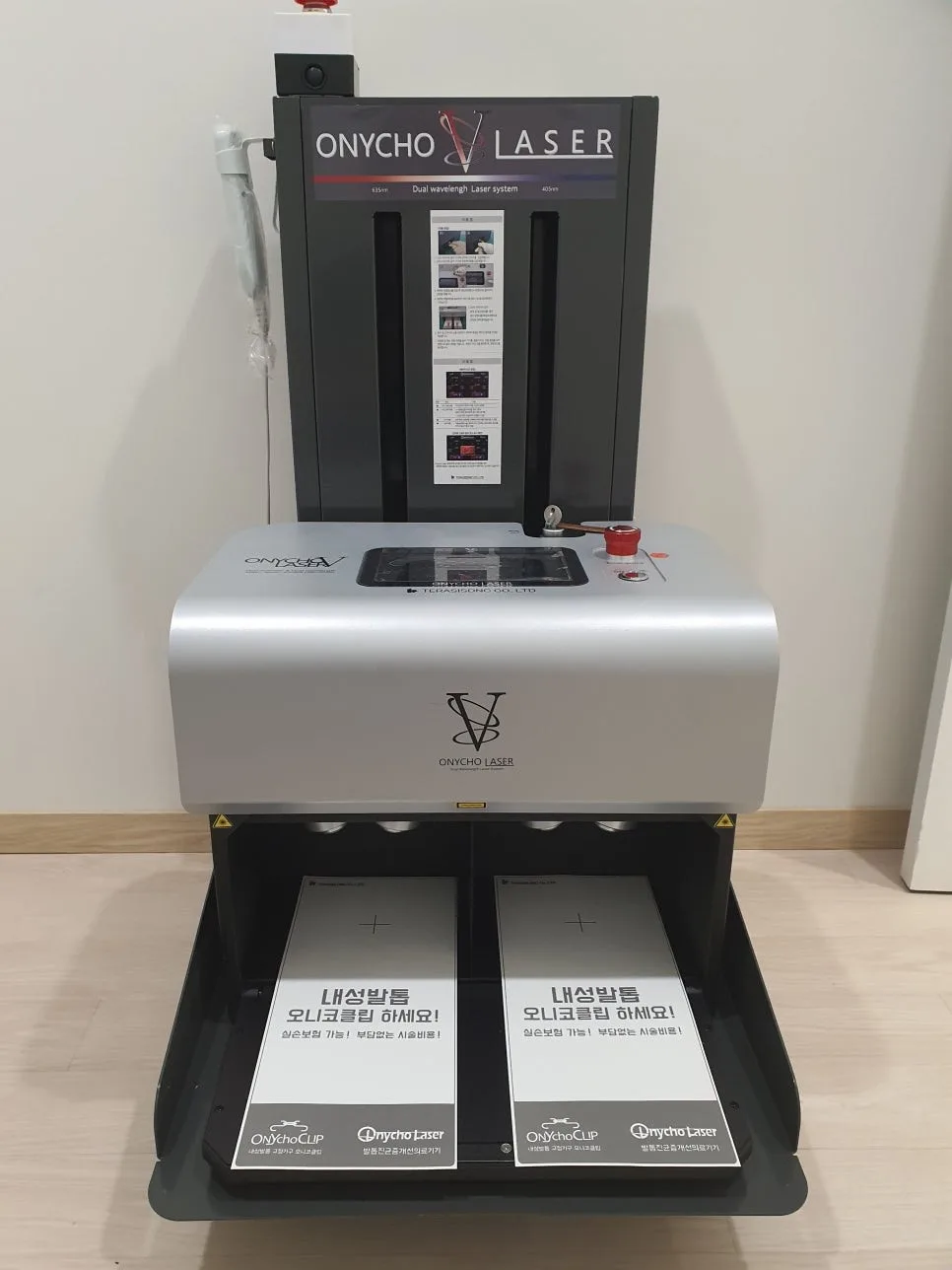
The Onycho Laser V uses 405 nm and 635 nm light. Its US 510(k) record is for a temporary increase of clear nail in people with onychomycosis (FDA K241116). That clearance is dated July 22, 2024 (FDA database). The idea that these wavelengths damage fungal cells is a proposed mechanism and has not been shown to cure the infection in patients. The violet and red light you can see says nothing about how well the treatment works.
So ask the clinic which of three outcomes it measures. Clear nail is how the nail looks. Mycological cure means laboratory tests no longer find fungus. Complete cure means a fully clear nail plus negative tests. The US label for efinaconazole solution uses these definitions (DailyMed). A single photograph measures only the first.
Are antifungal tablets dangerous for my liver?
Liver injury is a real, labeled risk of oral terbinafine, but it is not inevitable. The US label warns of liver toxicity, including serious injury. It contraindicates the drug in chronic or active liver disease and calls for liver tests before treatment (DailyMed).
In my 2022 post I advised a liver blood test before starting tablets and again after one month. The label supports the baseline test and asks for periodic monitoring. One month is a reasonable clinical schedule, though it is not a universal rule.
While taking this medicine, stop it and seek immediate medical advice for yellow skin or eyes, dark urine, pale stools, persistent nausea, loss of appetite, unusual fatigue, vomiting or upper-right abdominal pain. Do not wait for a scheduled blood test (DailyMed).
Regular drinking, fatty liver, hepatitis or an abnormal result all need assessment. A drinking history or one abnormal test does not decide the matter alone. And a device is not shown to work as well as tablets just because it avoids them.
What if I cannot or do not want to take tablets?
Then the main alternatives are a prescription nail solution, nail care and, for some low-risk people, watching without treatment (BAD 2026). Laser can be discussed as an addition, with its limits stated.
I listed tablets, topical medicine and laser as the treatment methods in 2022. The 2026 guideline adds nail care and observation to that list, and it does not rate the three as equally proven.
In 2022 I described treating these patients with a prescription nail solution plus the Onycho Laser V. The nail solution has its own label evidence. The pairing of this exact device and drug has not been validated in trials. The 2022 post named the prescription brand; this guide does not.
Efinaconazole 10% solution is an azole antifungal. It is applied to the nail once a day, and its instructions do not require routine filing first (DailyMed). Other nail products have different instructions, and skin antifungal creams are not interchangeable with nail formulations (Falotico and Lipner 2022).
Does combining laser with a topical antifungal help?
Possibly, but the evidence comes mostly from other kinds of laser. A 2022 meta-analysis of randomized trials favored laser plus topical antifungals over topical treatment alone. The lasers were mainly CO2 and Nd:YAG devices (Lasers in Medical Science 2022).
Those results cannot be transferred directly to a low-level, dual-wavelength device. When a nail improves on a topical drug, nail care and laser together, it is also hard to know how much the laser added.
| Option | Course in the sources | What the evidence supports |
|---|---|---|
| Oral terbinafine | 12 weeks for toenails (US label) | Generally more effective than topical treatment in suitable patients; needs liver assessment |
| Efinaconazole 10% solution | Daily for 48 weeks; outcomes at week 52 (US label) | Labeled prescription treatment; low systemic absorption; application-site adverse effects can occur |
| Low-level laser alone | Varies by device | Cleared in the US for temporary increase in clear nail; guideline finds insufficient evidence |
| Laser plus topical | Varies by study | Favorable in trials of CO2 and Nd:YAG lasers; not shown for every device |
| Observation | No treatment | Reasonable for selected low-risk patients |
Sources for the table: DailyMed terbinafine, DailyMed efinaconazole, AAFP 2021, FDA K241116, Lasers in Medical Science 2022, BAD 2026.
How many laser sessions would I need?
There is no universal number. Schedules differ by device, and none of the sources used here sets a standard session count for a low-level device.
In my 2022 post I described a session of 15 to 20 minutes. The device's 2024 US record lists an operating time of 0 to 12 minutes (FDA K241116), so session length should come from the instructions for the actual unit.
Ask for the proposed number of sessions, the spacing, the review point and the evidence behind that schedule. If you are visiting, ask how many sessions fall inside your trip and what happens to the rest.
How long do treatment and nail regrowth take?
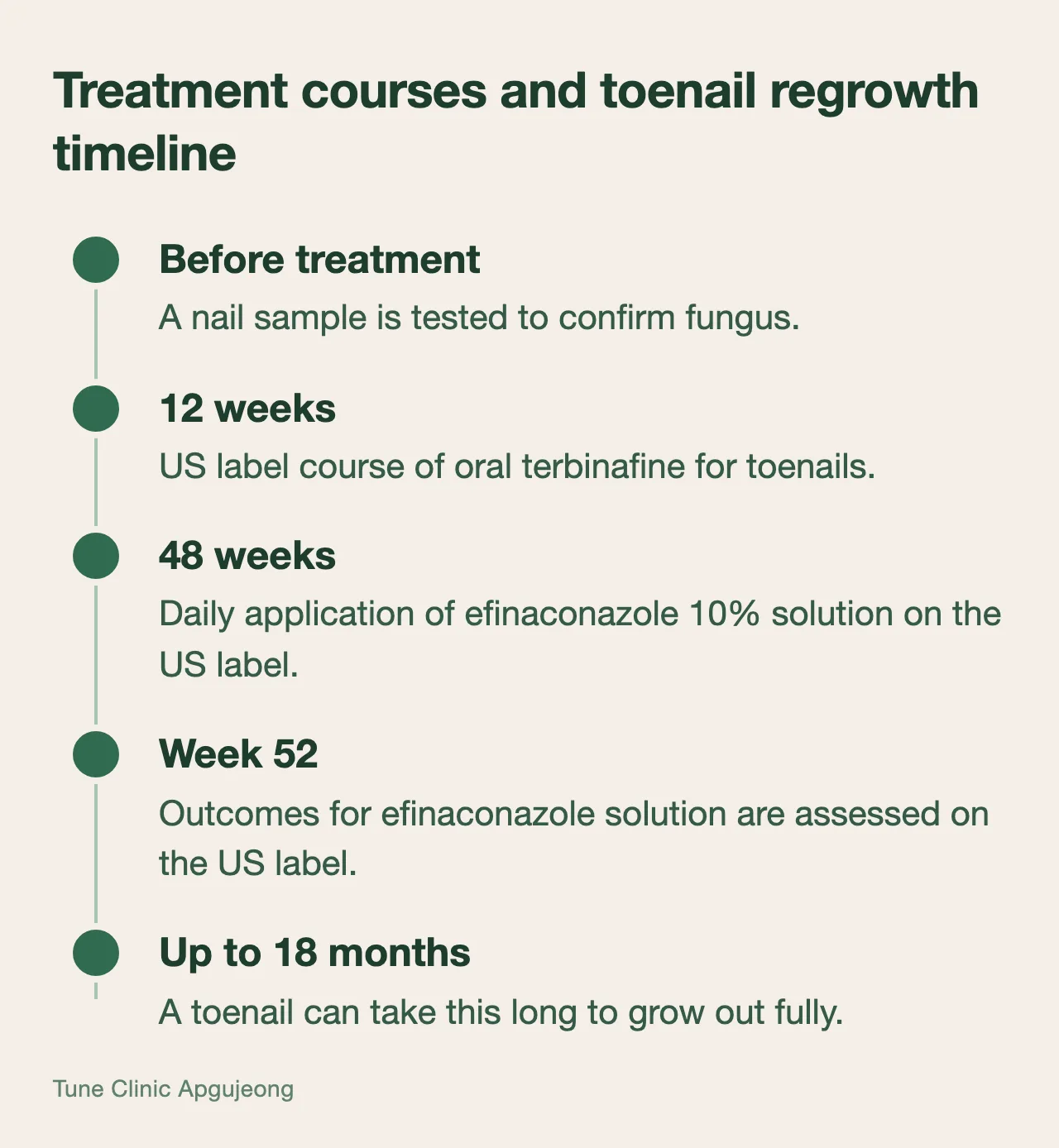
Longer than most people expect, and the two timelines are separate. For the treatments discussed here, the US labels specify 12 weeks for oral terbinafine (DailyMed) and daily application for 48 weeks for efinaconazole 10% solution (DailyMed). Other regimens differ. A toenail can take up to 18 months to grow out fully (AAFP 2021).
In December 2022 I wrote that recovery usually takes three to four months. That estimate should not be used for full toenail regrowth. Older age, a very thick nail and the type of organism can slow things further (Falotico and Lipner 2022).
I also wrote that starting as early as possible is the shortcut to a shorter treatment period, and that treatment should begin now to have the nails ready for summer. Early assessment is sensible, but the evidence does not support a shorter course or a seasonal deadline. In September 2025 the FDA objected to advertising for a topical nail solution that gave an impression of immediate results (FDA letter).
Is laser safe and suitable if I have diabetes or other health problems?
Not automatically. Avoiding tablets does not remove the need for a medical check. FDA guidance on nail devices asks for particular caution in people with diabetes, poor circulation or a weakened immune system (FDA guidance). In these groups, relying on a device in place of appropriate care carries its own risk (Health Canada).
In the 2022 post I described the laser as painless and as a safe laser authorized by the Korean regulator. Risks vary by device and settings. The same FDA guidance records adverse events with energy-based nail treatments, including pain, burns, blistering and delayed healing. Those reports cannot be assigned to one particular low-level device, and they cannot be ruled out for it without device-specific information.
Authorization is not proof that a device causes no harm. The Korean authorization and intended use were not verified for this guide. Ask the clinic to show them for the unit in use, along with its precautions and adverse-effect information.
Do home nail-fungus lights and viral remedies work?
There is no good evidence that they do. Matching light color does not establish an equivalent dose, safety or clinical effect. Evidence must be assessed for the particular device.
A 2023 study of TikTok videos on nail fungus found that unsupported treatment advice was common (Skin Appendage Disorders 2023). It describes content from that period and does not measure what is posted today. Dermatology guidance does not treat home remedies as reliable care (AAD).
Can I finish treatment during a short trip to Seoul?
No. A short visit can cover assessment, a nail test and perhaps the start of treatment. The rest takes months and happens at home.
Ask for a written plan, your test results and a medication record to take with you. Efinaconazole 10% nail solution is also listed in Japan (PMDA), but local instructions and availability differ by country. Confirm with a doctor at home who will continue and review the treatment. This is advice about continuity of care and has not been tested as a travel protocol.
What if the nail stays abnormal or the fungus comes back?
Go back to the diagnosis before adding more sessions. Was fungus confirmed by a test? Was the medicine used as directed? Recurrence and reinfection are well known with this condition, and fungal infection of the surrounding skin can accompany nail infection and should be checked too (Falotico and Lipner 2022).
Good nail and foot care is part of long-term management (AAD).
What should I ask at my consultation?
- Has fungus been confirmed by a nail test, and what else could this be?
- Which outcome are we aiming for: a clearer nail, negative tests or both?
- Am I suitable for tablets, and which liver tests would I need?
- Which device do you use now, and what is its authorized use in Korea?
- What are the precautions and known adverse effects for this unit?
- How many sessions do you propose, at what spacing, and on what evidence?
- What does the laser add to the topical treatment in my case?
- Who reviews my nail after I go home, and what records will I take with me?
- What happens if the nail has not improved by the agreed review date?
A decision about nail fungus is yours to make, and it should be made with the full picture. The physician's responsibility is to confirm the diagnosis, to explain the evidence and its gaps, and to say plainly what a treatment can and cannot be expected to do. Before starting treatment, agree who will review your progress and how to contact them.
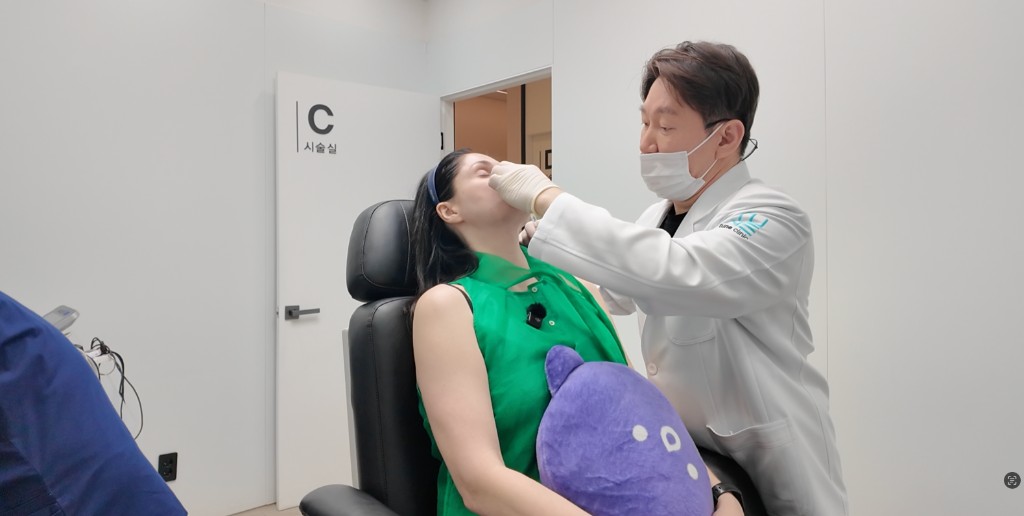
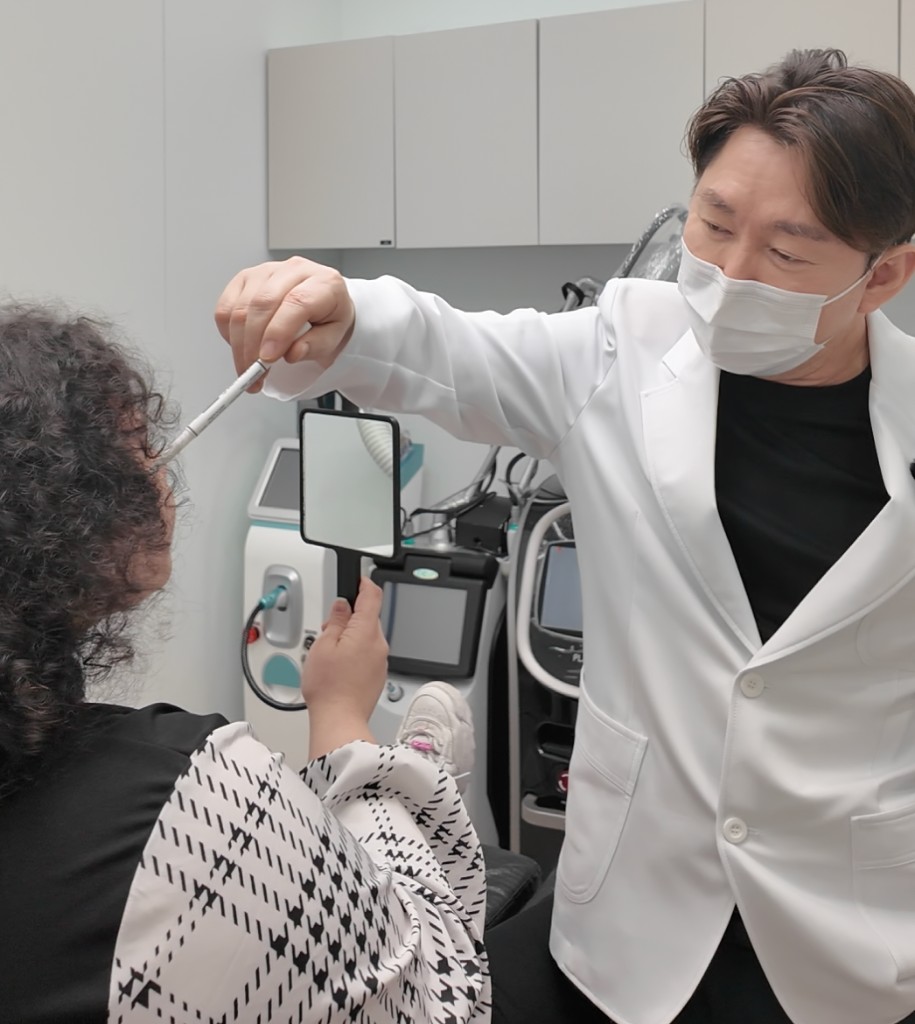
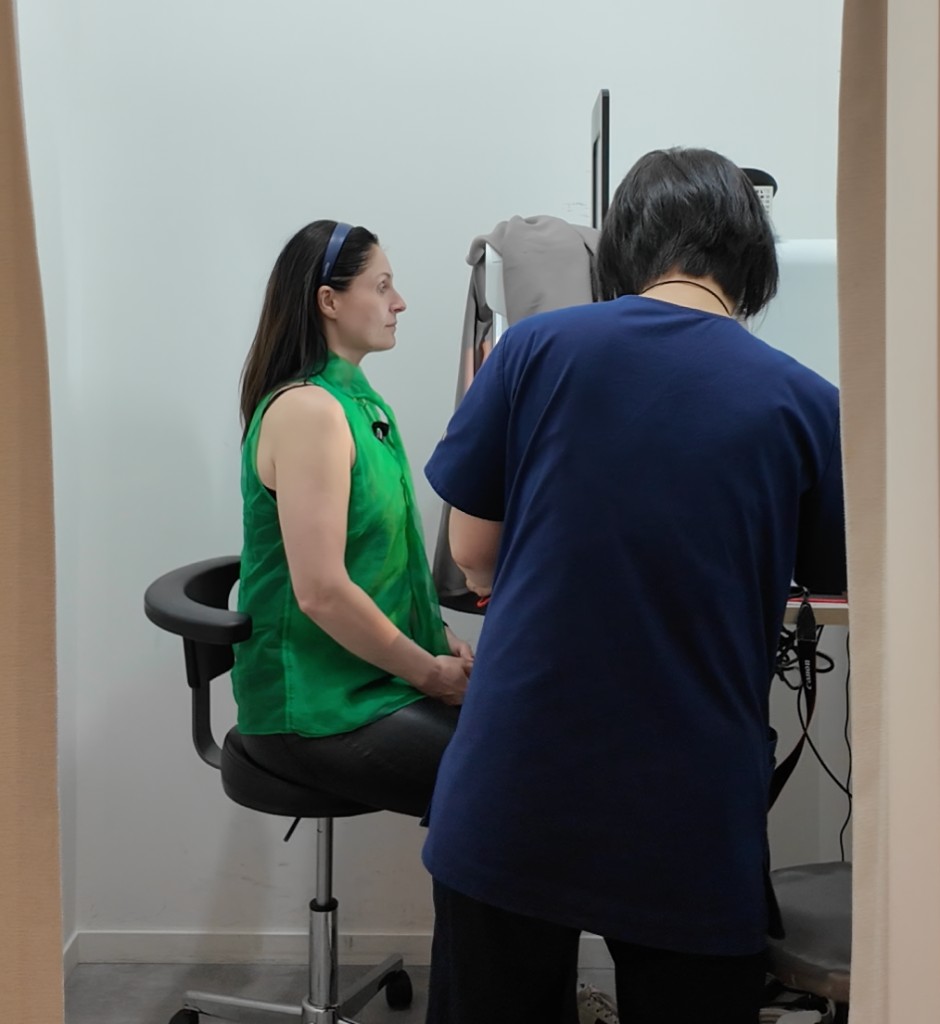
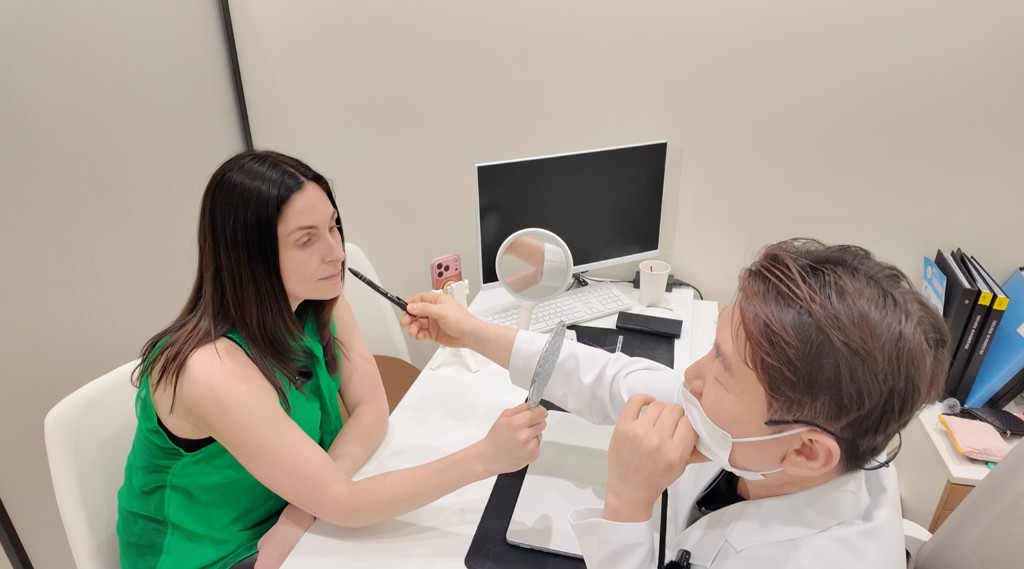
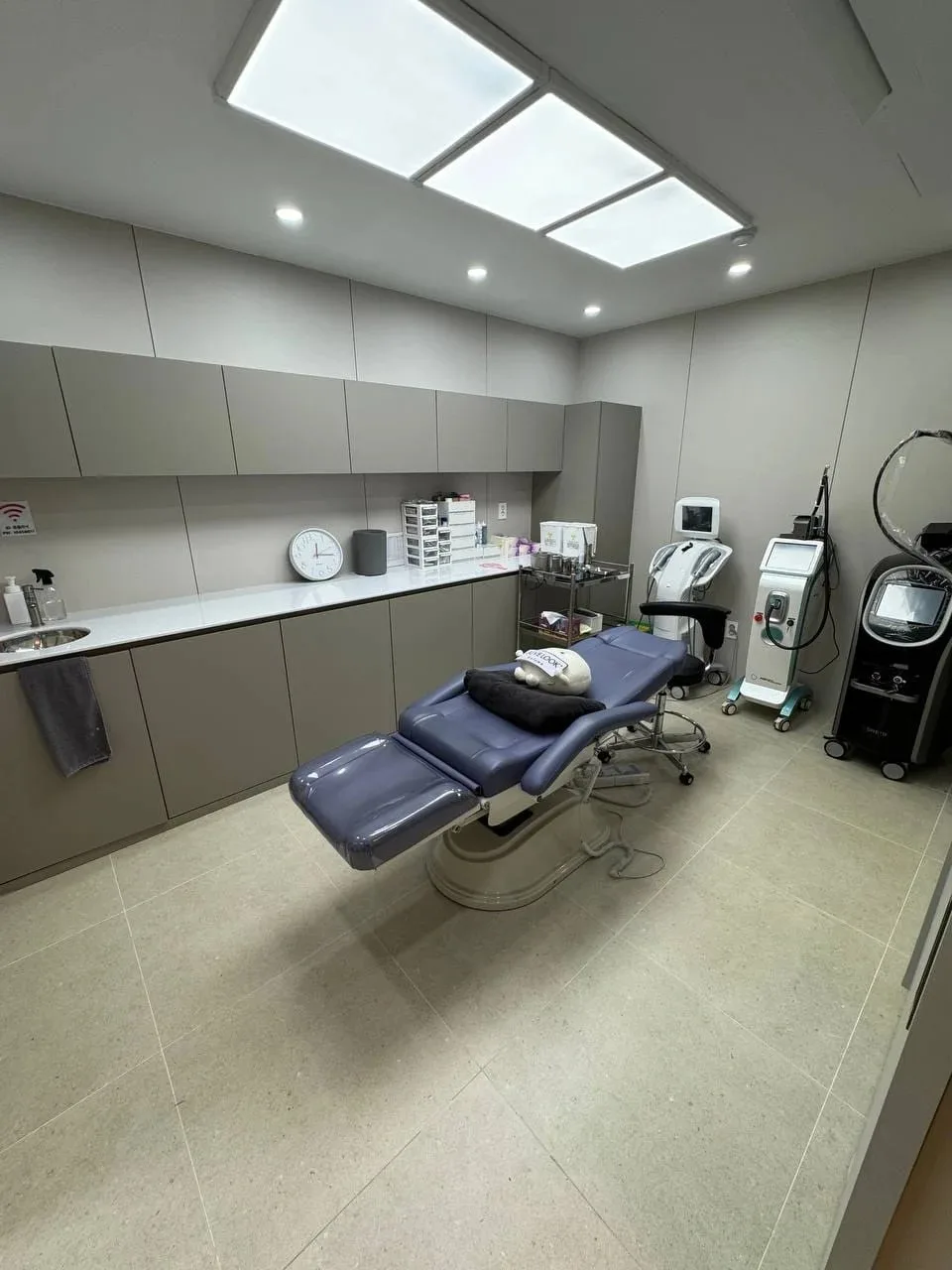
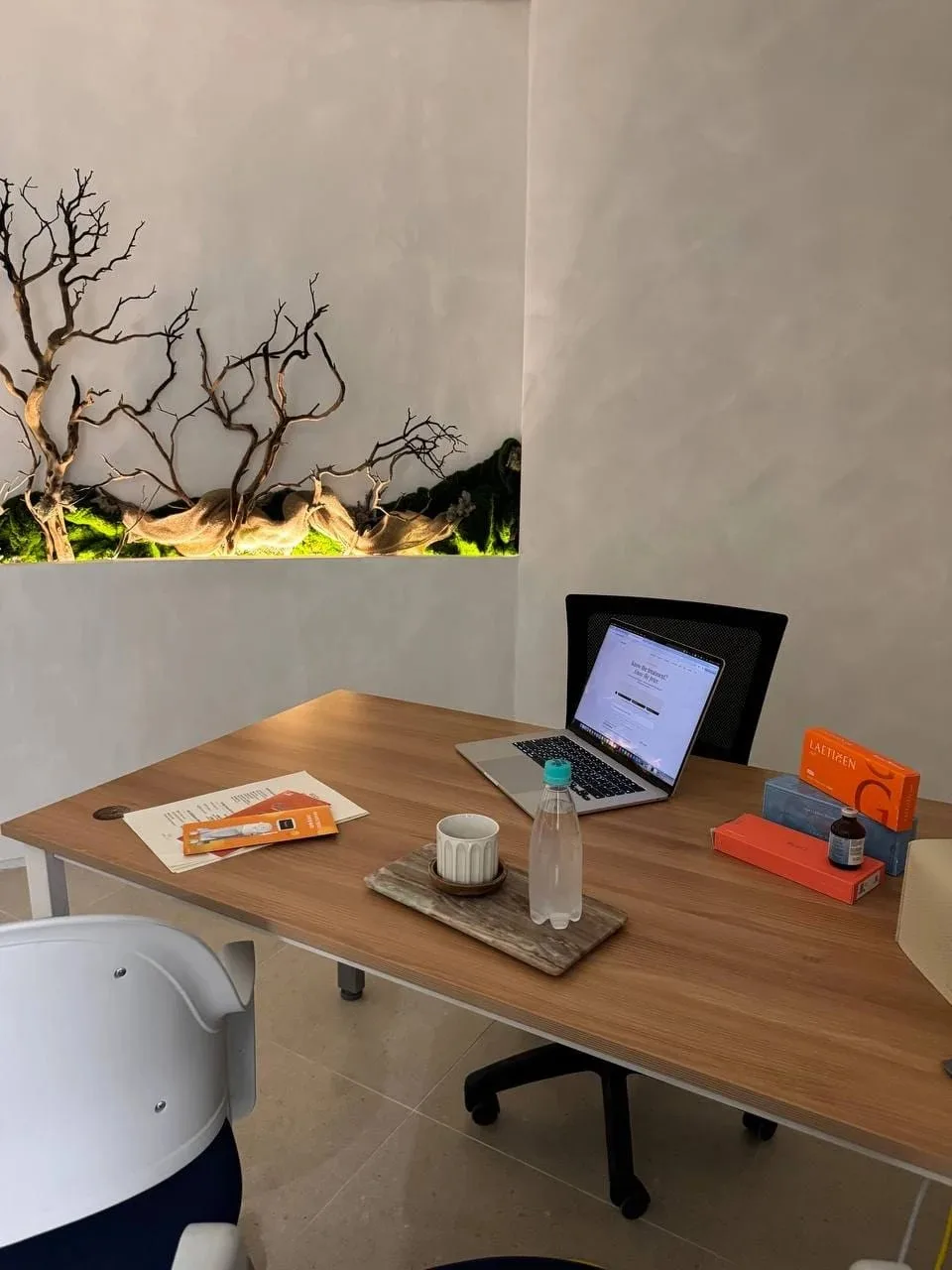
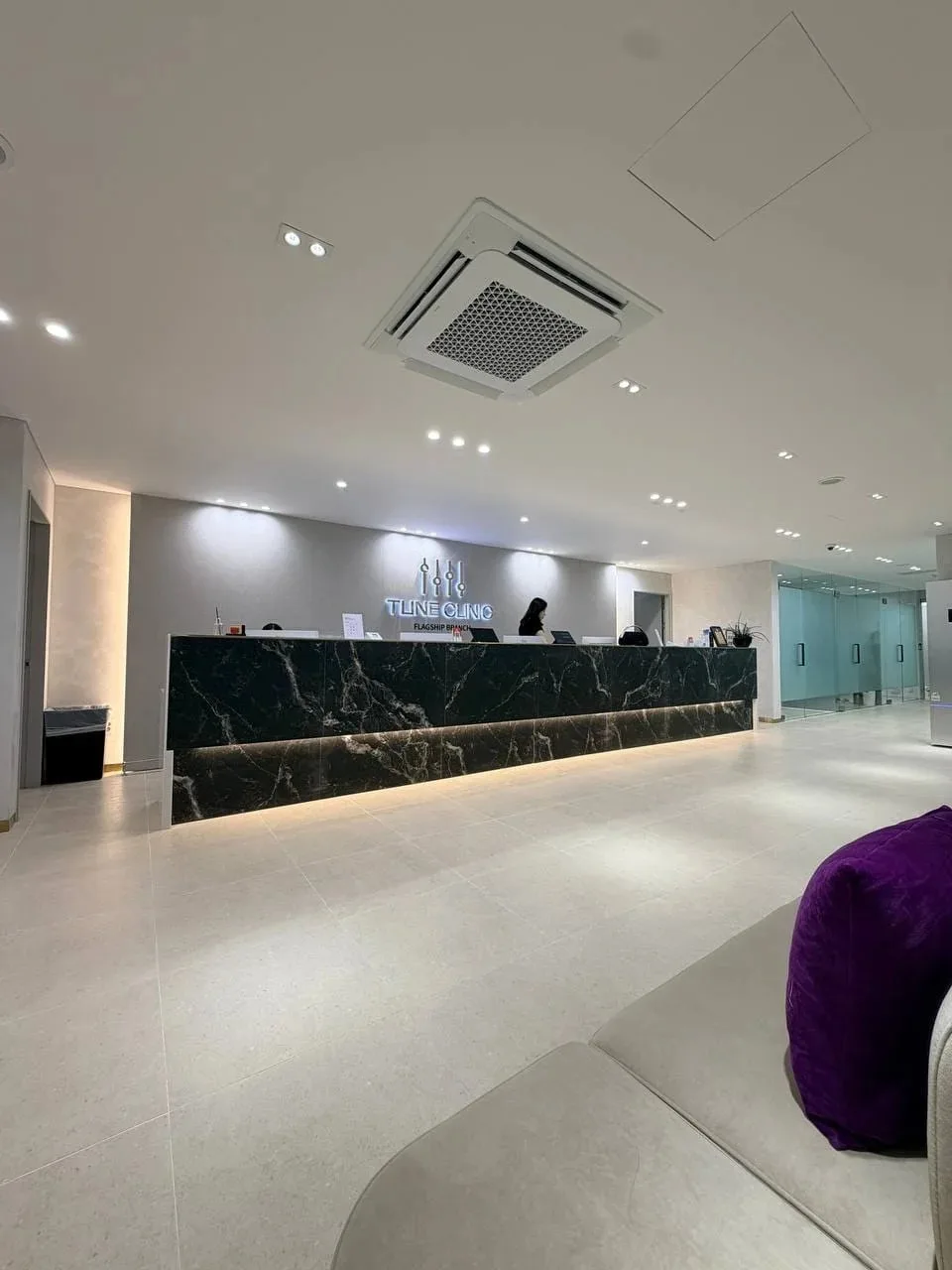
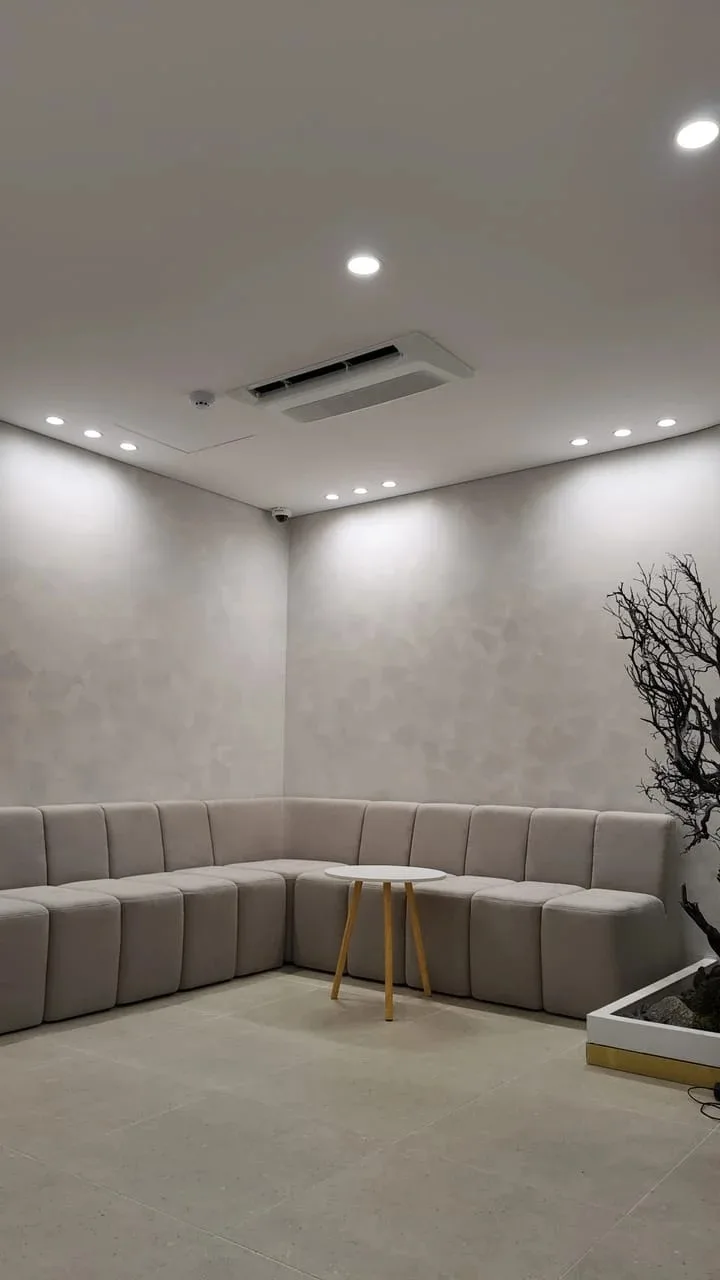
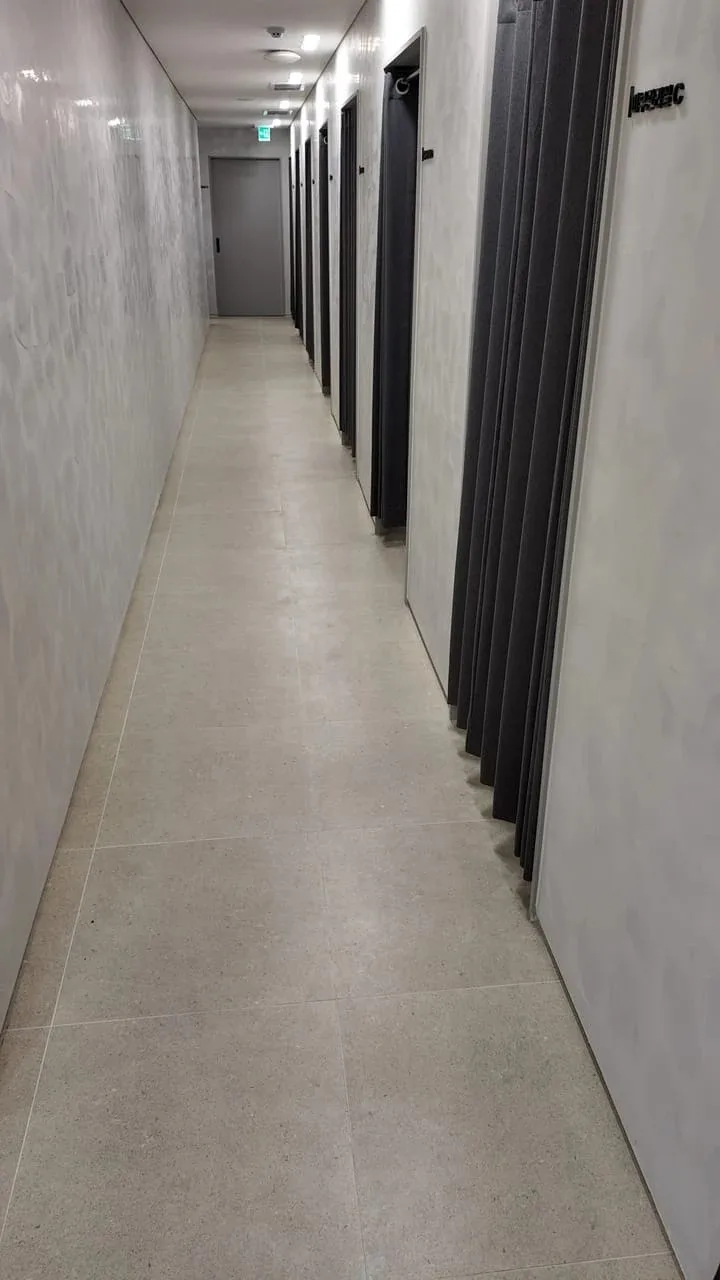
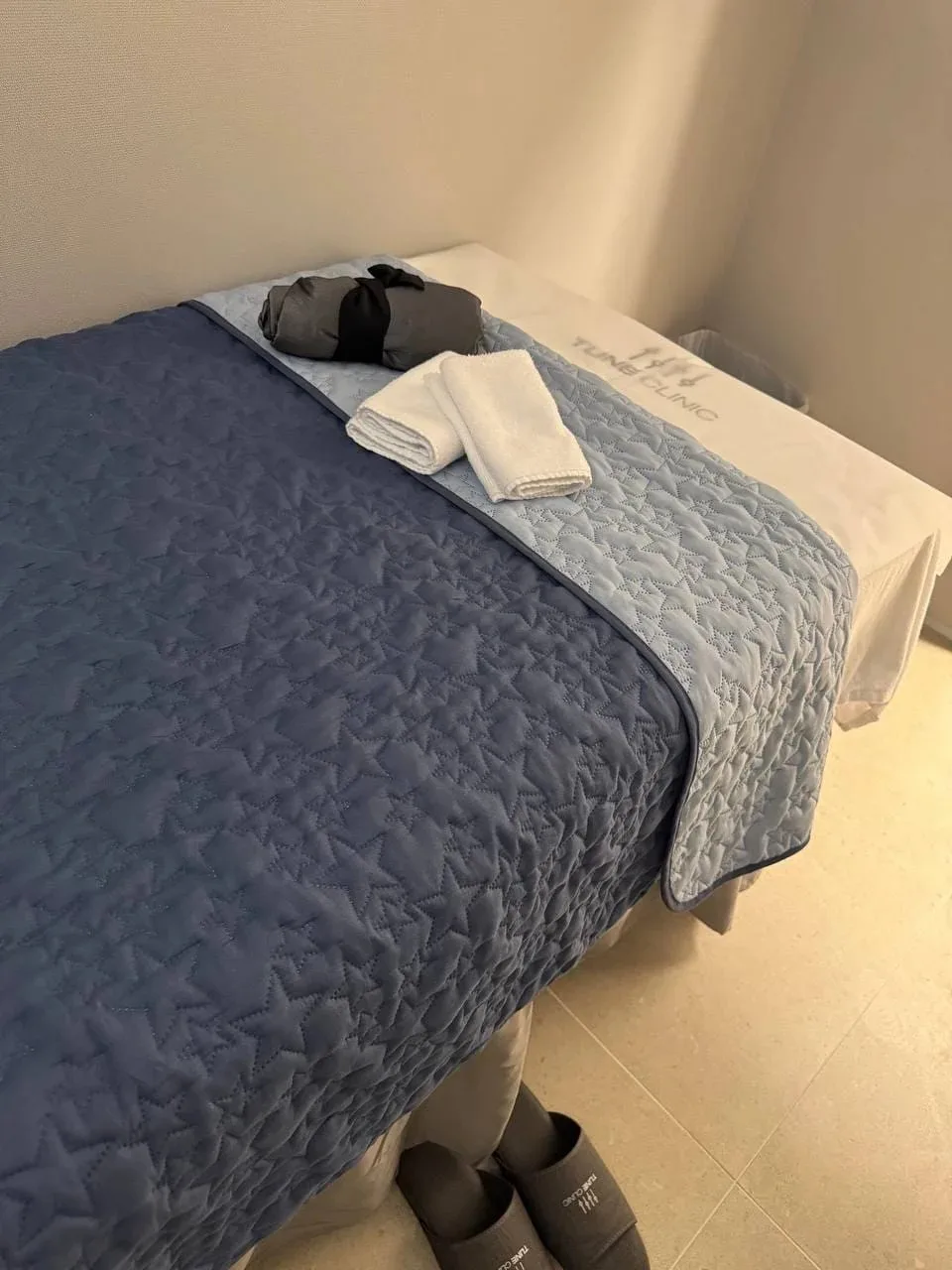
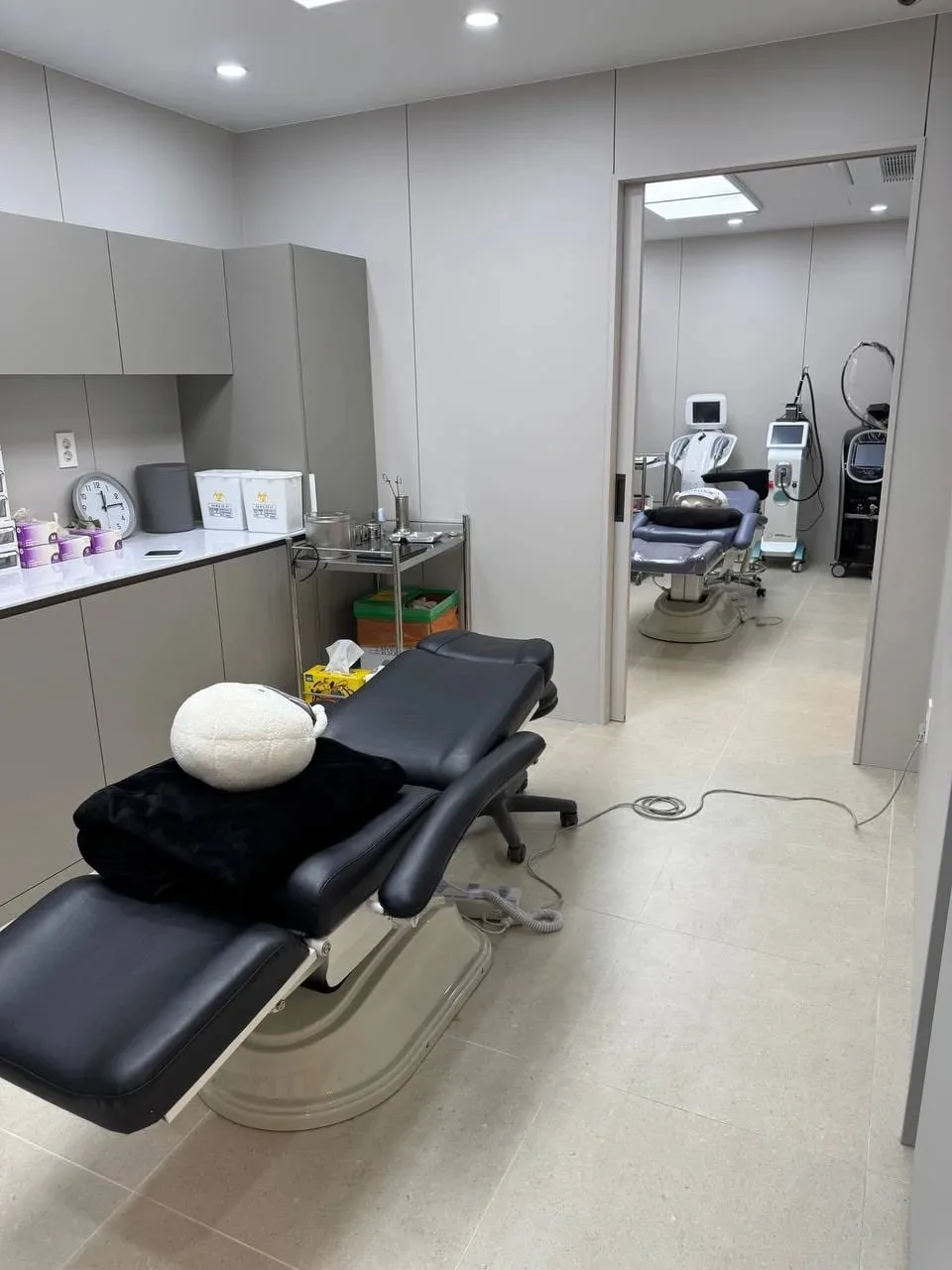
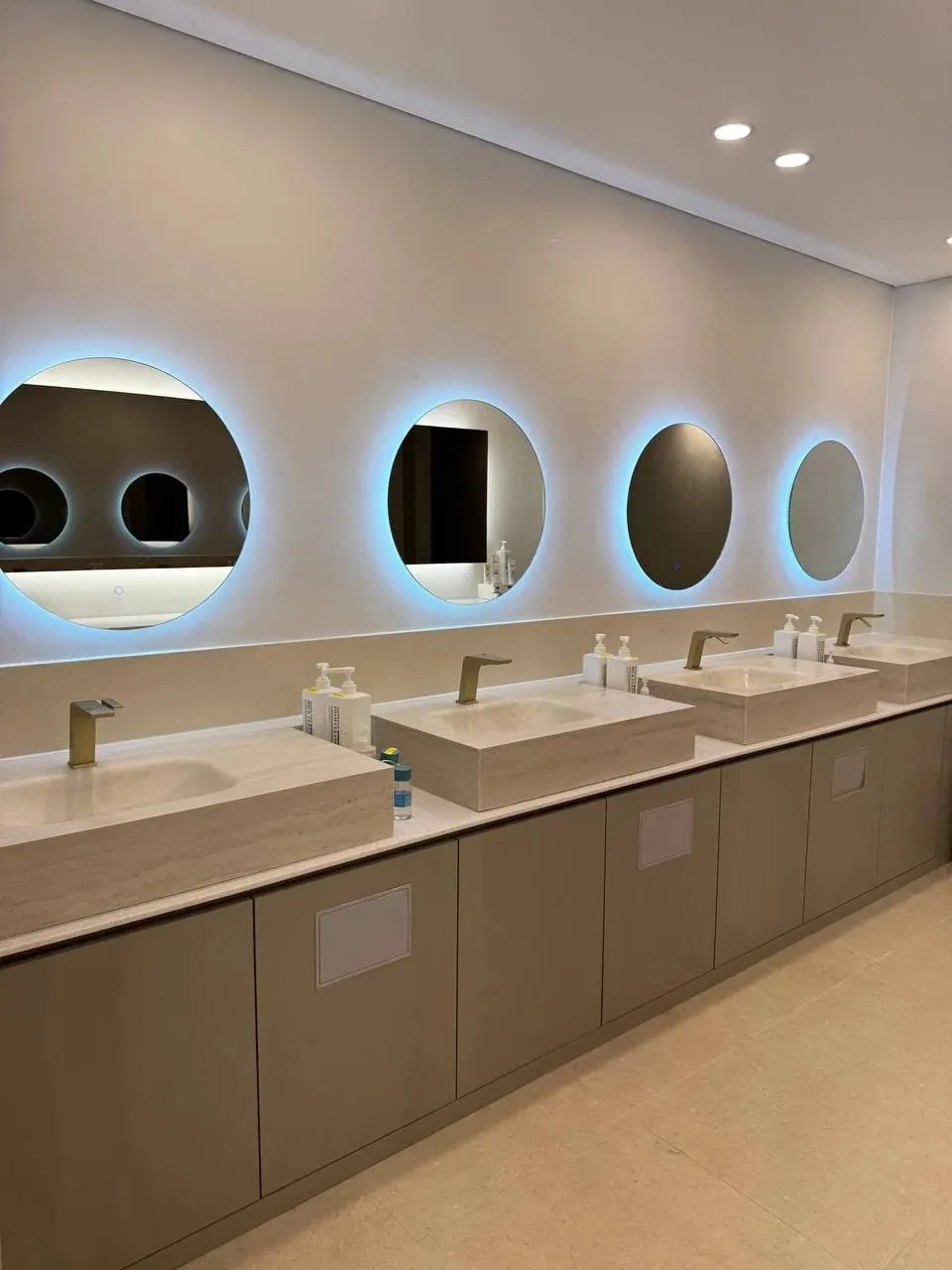
Tune Clinic Apgujeong today: the lobby, waiting areas and treatment rooms where consultations and treatments take place.
Sources
- British Association of Dermatologists. Guideline for managing fungal nail infection (onychomycosis) 2026. British Journal of Dermatology 2026. Insufficient evidence to recommend laser alone; selected combinations; observation for selected patients
- FDA. Onycho Laser V, K241116 clearance and 510(k) summary. 2024. Device wavelengths (405 nm and 635 nm), clear-nail indication, listed operating time
- FDA. 510(k) Premarket Notification K241116. 2024. Clearance decision date of 2024-07-22
- FDA. Medical Devices and Clinical Trial Design for the Treatment or Improvement in the Appearance of Fungally-Infected Nails. Guidance 2016. Difference between a clear-nail endpoint and infection treatment; adverse events with energy-based nail treatments; caution in higher-risk groups
- DailyMed, US National Library of Medicine. Efinaconazole 10% topical solution prescribing information. 2025. 48-week daily course, week-52 outcomes, cure definitions, application instructions, systemic absorption
- DailyMed. Terbinafine tablets prescribing information. 2026. 12-week toenail course, liver contraindication, liver testing, symptoms that require stopping the drug
- Falotico JM, Lipner SR. Updated Perspectives on the Diagnosis and Management of Onychomycosis. Clin Cosmet Investig Dermatol. 2022. Causes, risk factors, testing, prognosis, recurrence and spread
- American Family Physician. Onychomycosis, Rapid Evidence Review. 2021. Conditions that look like nail fungus, oral versus topical efficacy, regrowth up to 18 months
- Lasers in Medical Science. Efficacy of laser therapy combined with topical antifungal agents for onychomycosis, systematic review and meta-analysis of randomised controlled trials. 2022. Combination evidence, mainly CO2 and Nd:YAG lasers
- Skin Appendage Disorders. Truth or Trend, Misinformation Spreading Fast on TikTok, a cross-sectional analysis of onychomycosis content. 2023. Unsupported treatment advice in social videos
- FDA. Untitled letter on efinaconazole topical solution advertising, September 9, 2025. Regulator objection to an impression of immediate results
- American Academy of Dermatology. Nail fungus, diagnosis and treatment. Accessed 2026. Patient guidance on testing, nail care and limits of home remedies
- PMDA. Efinaconazole 10% nail solution product information (Japan). 2022 label. The same active ingredient is listed in Japan
- Health Canada. Clarification that laser-based medical devices are not licensed in Canada to cure fungal nail infections. 2019. Temporary nail clarity versus cure of infection