
A Potenza booking in Korea can mean four different procedures on one radiofrequency (RF) platform: needle RF microneedling, or a Diamond, DDR or SFA surface tip. Each differs in what enters or injures the skin, in evidence and in recovery. Before you book, get the exact tip, whether it penetrates or ablates skin, the intended target, and the name and route of any added product. The best-studied use is needle RF for acne scars, where a 2025 systematic review covered 16 studies and 481 patients (Acne scar review 2025).
A visitor planning a week in Seoul has two appointment descriptions open on a phone. Both say Potenza. One mentions a Diamond tip. The other mentions needles and a pumping booster. This is a composite scene built for explanation, not a real patient. Before choosing a date, this person needs to know what will touch or enter the skin, what will be added, and what recovery and follow-up the plan requires.
Questions and answers
What does Potenza actually mean?
Potenza is the name of an RF electrosurgical platform. It delivers radiofrequency current, which heats tissue through electrical resistance, and it does not deliver laser light (FDA K192545). The 2023 and 2024 posts called it a laser. That term is incorrect for this device.
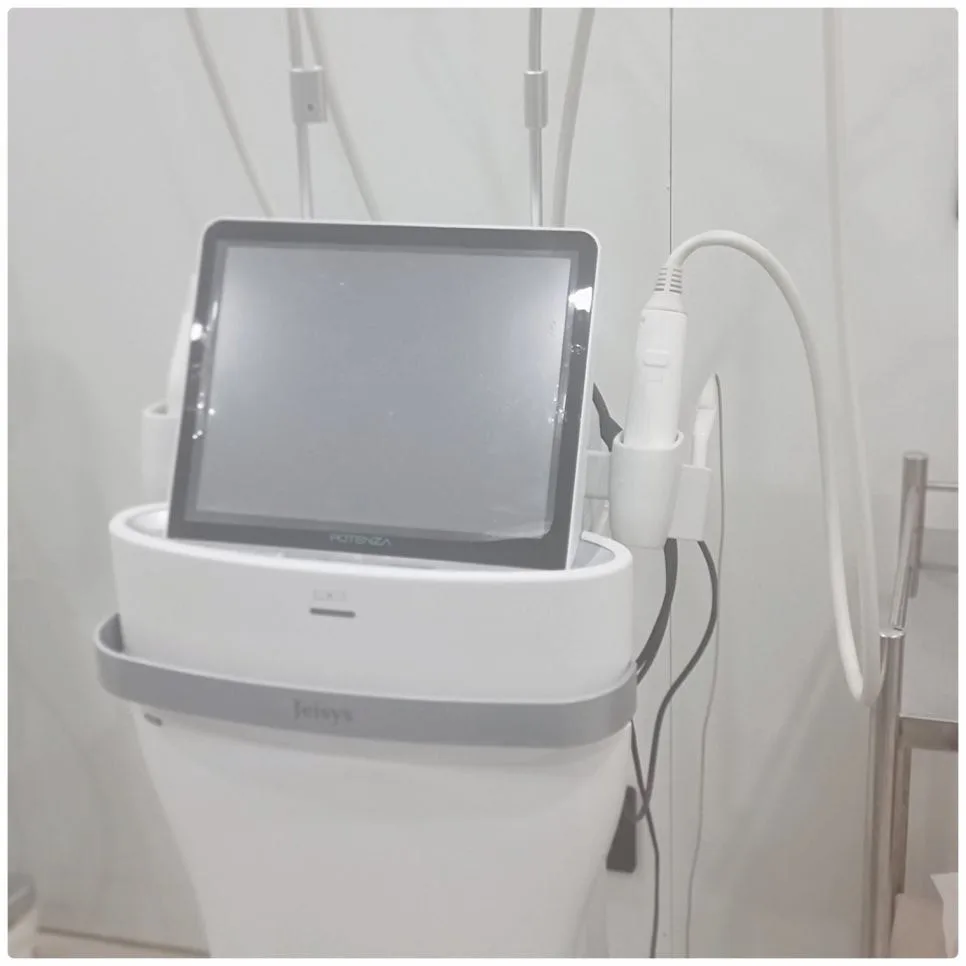
The platform runs in monopolar or bipolar mode at 1 or 2 MHz, which is where the phrase four RF modes comes from. These are electrical settings and do not correspond to four proven clinical results. The earlier posts said monopolar heats deep and bipolar heats wide. Those terms describe electrical pathways, and the heating pattern also depends on the electrode, the tissue and the settings (FDA K231287).
Different tips attach to the same machine. Some carry needles, and others are flat electrodes that stay on the surface. The posts counted 13 tips in one place and 14 in another. Tip sets vary by country, so the brand name alone does not tell you which procedure you are booking.
How do needle RF, Diamond, DDR and SFA differ?
They differ mainly in whether the tip enters the skin and whether it is designed to injure the surface. In my November 2023 post I divided Potenza into needle tips and surface tips. The US clearance documents list both kinds (FDA K231287). That post described all three surface tips as touching only the surface while sending energy deeper. The manufacturer's descriptions show the three are not alike.
| Configuration | Enters the skin? | Tissue effect | What the evidence covers |
|---|---|---|---|
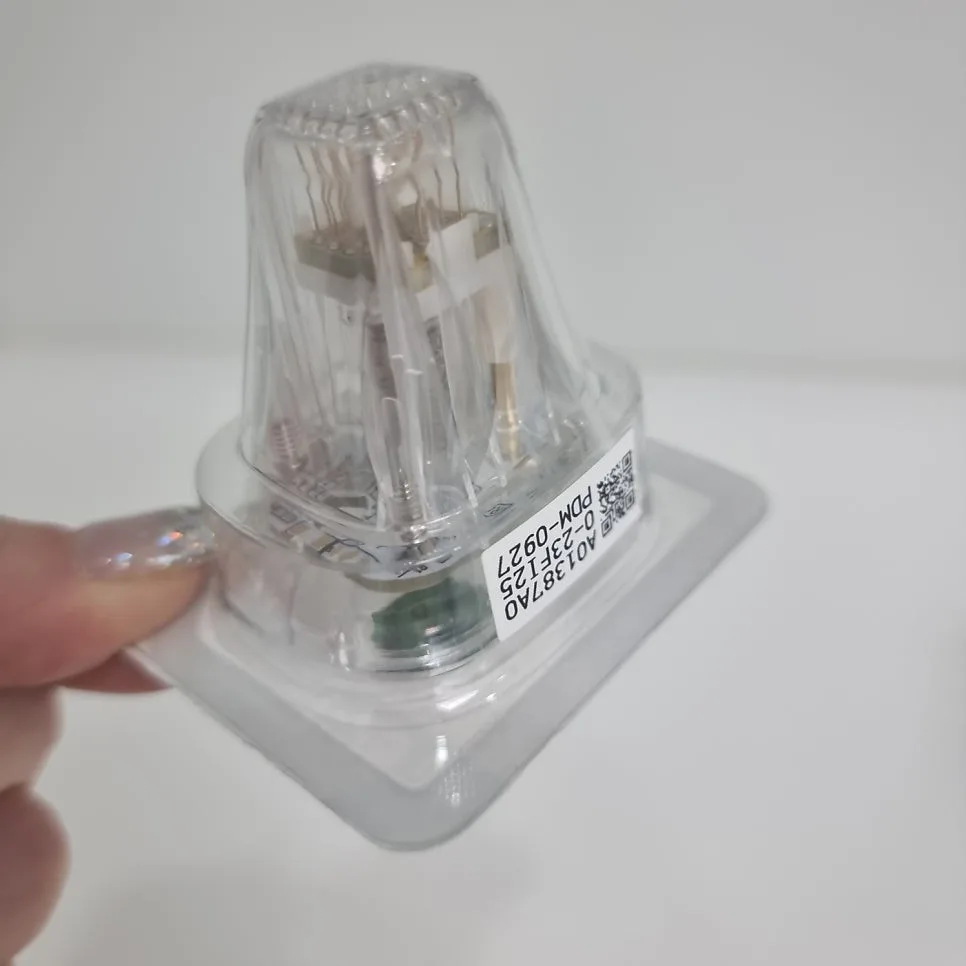
| Needle RF (microneedle tips) | Yes. US documents list single electrodes up to multi-needle arrays, with a maximum depth of 4 mm (FDA K192545) | Small zones of heat coagulation at needle depth | Class-level studies for acne scars, pores, fine lines and mild laxity (Review 2026) |
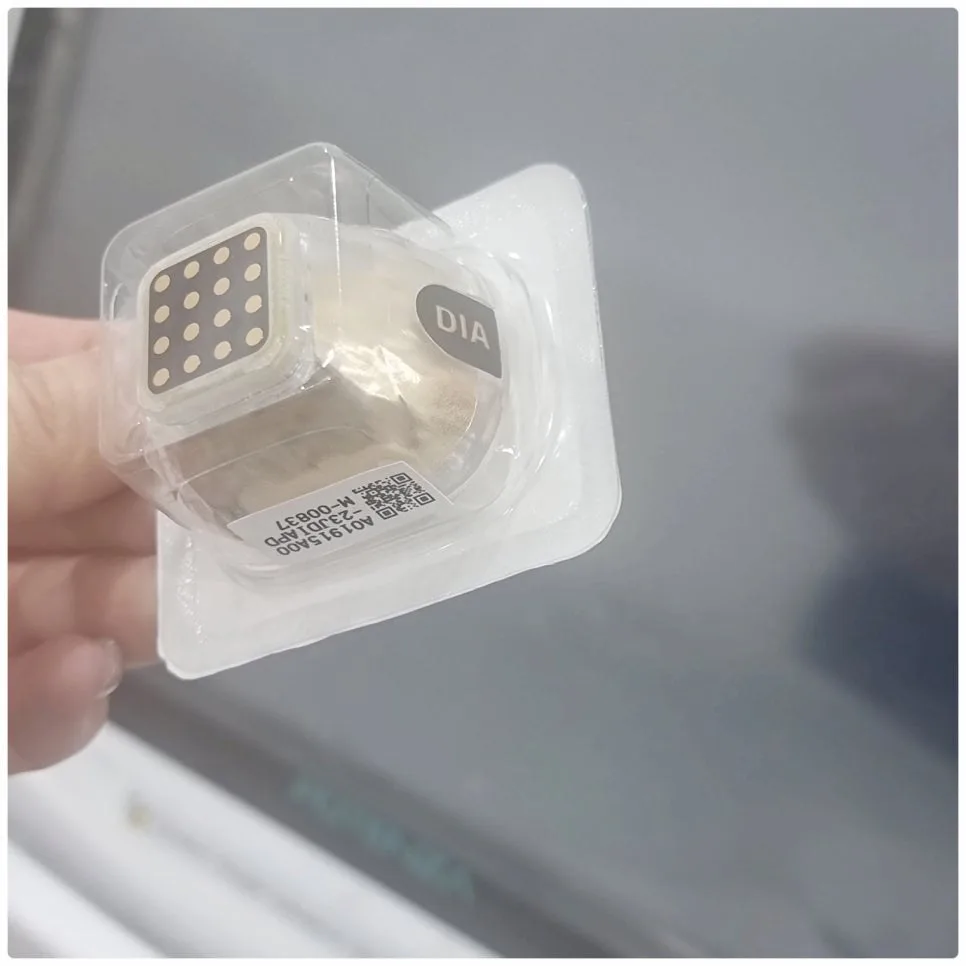
| Diamond | No. Surface electrode | Monopolar and bipolar RF heating through intact skin (FDA K231287) | No Diamond-specific clinical trial was identified in the sources reviewed for this guide |
| DDR | No. Needle-free bipolar surface electrode (Jeisys) | Surface RF heating | Manufacturer description only |
| SFA | No needles, but it ablates. SFA stands for superficial fractional ablation (Jeisys) | Intentional fractional injury to the skin surface | Mechanism documented; specific claims for pores or eye-area lines need their own studies |
The SFA row matters most. A tip without needles can still be designed to injure the top layer of skin.
The 2023 posts also gave Diamond a 6 mm reach and said it combined the advantages of two other RF devices. Neither claim is supported by the sources reviewed here.
Which concerns have the strongest evidence?
Atrophic acne scars treated with needle RF have the strongest support. The 2025 systematic review of RF microneedling used alone for acne scars found improvement across its 16 studies, but the best settings remain uncertain (Acne scar review 2025). The 481 patients describe the research base. They do not give your personal chance of improvement.
Enlarged pores, fine lines and mild laxity have reported improvement at the level of RF microneedling as a class (Review 2026). That review synthesized studies with different designs and has a manufacturer-affiliated lead author.
Evidence for the surface tips is thin. The class-level studies concern needle RF and do not prove lifting results for a Diamond or DDR session.
Can Potenza cause fat loss or make a thin face look hollow?
RF microneedling as a class has reported cases of fat loss, so the answer cannot be a flat no. In October 2025 the FDA issued a safety communication about serious complications with certain uses of RF microneedling, including burns, scarring, fat loss, disfigurement and nerve damage (FDA 2025). Health Canada discussed RF microneedling safety in January 2026 (Health Canada).
The communication gives no Potenza-specific rate and names no depth that is safe for everyone. It is not a finding about the Diamond tip, which has no needles. It supports neither the claim that fat loss is impossible at pore settings nor the claim that all RF microneedling should be avoided.
In December 2023 I wrote that Diamond could suit thin skin without cheek hollowing. The evidence reviewed for this guide does not establish that assurance. If your face is lean or already hollow, ask which tip, what depth and what energy are planned over your cheeks and temples, and why.
Does the FDA warning apply to Potenza, and does clearance cover my treatment?
The warning covers RF microneedling as a class, so it is relevant to Potenza needle treatments. It is a safety communication and does not recall or ban any device. The American Academy of Dermatology responded by stressing training, anatomy knowledge and proper consultation (AAD). Training lowers risk. It does not remove it.
Clearance is narrower than most menus suggest. In the United States, Potenza is FDA-cleared through 510(k) for electrocoagulation and hemostasis in dermatologic and general surgical procedures (FDA K192545, FDA K231287). That wording does not validate every lifting or pigment claim.
Authorization also differs by country and by tip:
- Japan: Potenza BASIC, approval 30500BZI00042000, lists SFA, S, I and CP tips for coagulation and vaporization in fractional skin resurfacing. Diamond and DDR are not in that listing (PMDA).
- Australia: the system and accessories appear in the national register (TGA).
- Europe: the manufacturer reports CE marking for electrocoagulation and hemostasis (Jeisys).
- China and the United Kingdom: no product-specific registration was verified for this guide, and Korean or US status does not carry over.
- Korea: ask the clinic to show the current authorization and instructions for use for the exact tip. The public search portal is the starting point (MFDS).
Can I have it with active acne, melasma or skin that darkens easily?
Sometimes, but the diagnosis and the state of your skin on the day change the plan. Patients hear two opposite messages: do not needle over active acne, and RF treats acne. Both have a basis. Selected RF protocols have supporting acne studies (Review 2026). That is not permission to run a scar protocol across inflamed or infected lesions, and screening for infection is part of standard microneedling advice (FDA).
The 2023 and 2024 posts listed melasma, blemishes and redness as general indications. The evidence is preliminary and specific to diagnosis. For redness, the support comes from small rosacea studies. For melasma, a 2026 review qualitatively synthesized 12 varied studies and had manufacturer-linked authors. Its abstract suggests first-line potential, while its own conclusion says the evidence is not enough for that (Melasma review 2026). Read it as an emerging add-on.
Pigment change is a known risk of microneedling procedures. Melasma, freckles and marks left by acne are different conditions. See Melasma vs freckles before accepting one plan for all pigment.
Is a pumping tip the same as an injection, and do I need a booster or exosomes?
A pumping or booster label does not establish how a product is administered, so it cannot be assumed to equal an injection. Ask whether the product is applied topically or injected, and request evidence for the proposed delivery route. This guide did not verify a technical document showing how much product reaches which depth with a pumping tip. An injection places a measured dose at a chosen depth.
No add-on is needed for the evidence above to apply. The acne scar review studied RF microneedling used alone. The FDA states that microneedling devices are not authorized to deliver cosmetics or drugs into the skin (FDA). It also states that no exosome products are approved, and it took enforcement action against an exosome seller in 2025 (FDA alert, FDA letter 2025). Rules in Korea are separate and depend on the product and route.
Polynucleotide injectables have promising research, but products differ in composition and are not interchangeable (PN review 2024). The December 2023 posts presented needle RF bundled with a PDRN injectable and botulinum toxin, and pumping with a growth-factor or exosome product, as combined benefits. No controlled study of those specific bundles was identified in the research for this guide, which closed on 12 November 2026.
Does it hurt, and how long do redness and grid marks last?
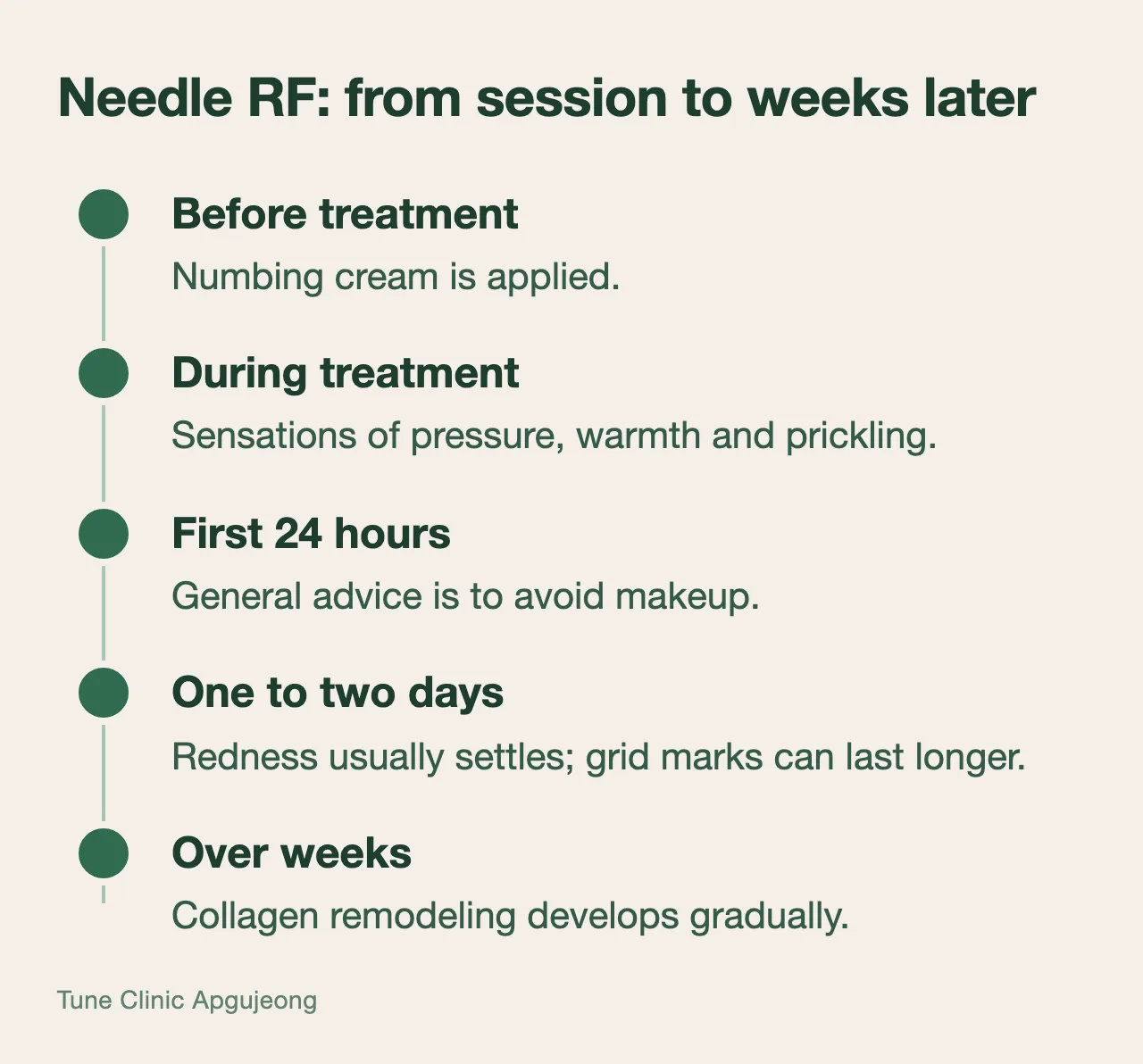
It depends on the tip. For needle RF, patient information from a UK professional group, the BCDG, describes numbing cream before treatment, sensations of pressure, warmth and prickling during it, and redness that usually settles in one to two days (BCDG). Recovery varies between people. Grid marks from the needle pattern can outlast the redness, and the sources reviewed here give no fixed duration for them.
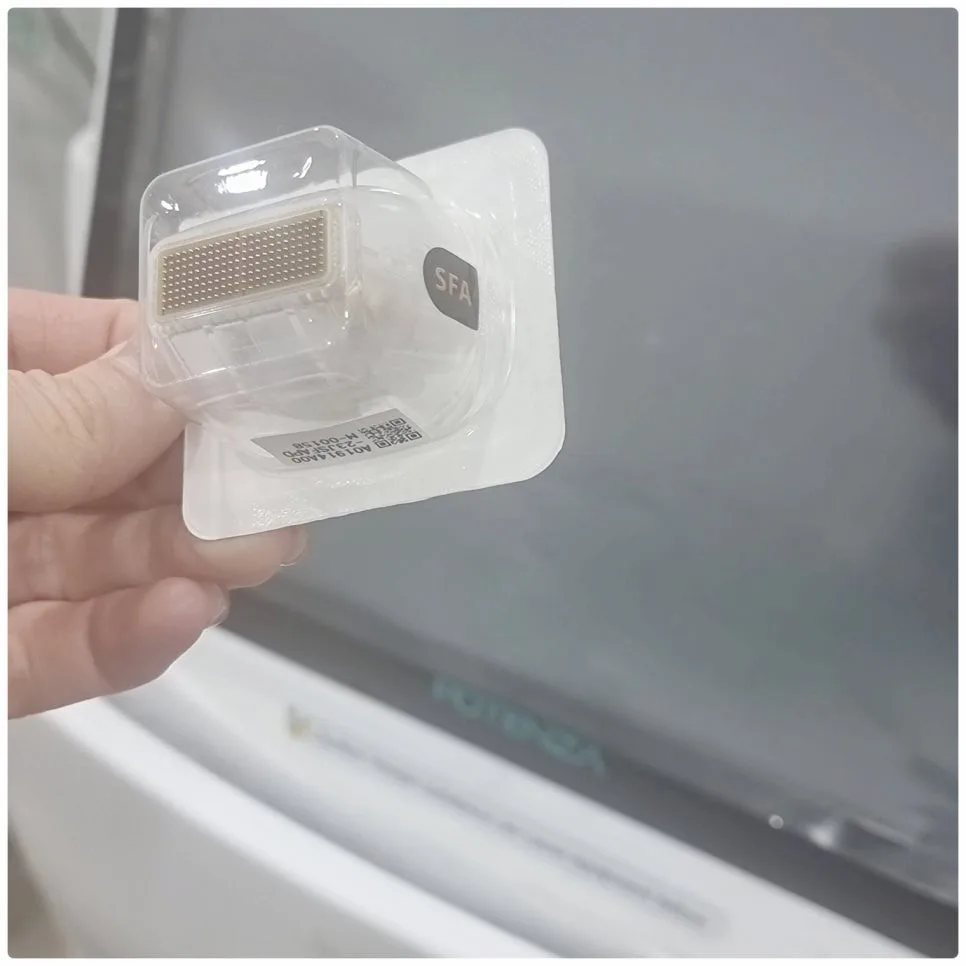
That estimate does not cover Diamond, DDR or SFA. In November 2023 I wrote that Diamond needed no numbing time and left almost no redness or bruising. The sources reviewed for this guide did not establish a general Diamond pain or recovery estimate. Avoiding needle punctures plausibly avoids puncture effects, but that is reasoning without trial data. SFA injures the surface on purpose, so plan for visible healing (Jeisys).
When can I wear makeup or exercise, and which symptoms need urgent care?
Follow written aftercare for the tip you actually had. For needle RF, the BCDG leaflet gives general advice to avoid makeup for 24 hours (BCDG). The February 2024 post told everyone to avoid massage, sauna and exercise for about a week. The sources reviewed did not establish a universal seven-day rule, so ask for timing that fits your tip and your skin's response. For flight timing, see Planning Aesthetic Treatment Before a Flight.
Seek prompt medical assessment for blistering, severe or increasing pain, spreading redness, pus, fever, or new numbness or weakness. Do not wait for your flight home or a routine follow-up. Marks or swelling that persist, or a new hollow in the treated area, are also reasons to contact the treating physician.
How many sessions do I need, and when should I judge the result?
There is no single evidence-based number. The acne scar studies used different session counts, intervals and settings, and the review could not name an optimal protocol (Acne scar review 2025).
The November 2023 post said results appear from two to three days. Tightness in the first days is not mature collagen remodeling, which develops gradually over weeks (BCDG). If you are in Korea for one short visit, ask what a single session can realistically do and who will assess the result later.
What should I ask before booking and before leaving Korea?
Confirm the exact procedure in writing, then the screening, the consumables and the follow-up route.
My February 2024 post asked patients to mention pregnancy and unusual medical history before treatment. Device labeling and regulator guidance call for a longer list (PMDA, FDA). Tell the clinic about:
- a pacemaker or implanted defibrillator
- metal implants in or near the treatment area
- every medicine you take, and any bleeding disorder
- immune suppression, poor wound healing, or a history of cold sores
- allergy to metals or to anesthetics
The Japanese labeling excludes patients with pacemakers or implanted defibrillators, and treatment over implanted metal. Suitability must follow the local instructions for the exact device and tip. Do not stop any medicine on your own.
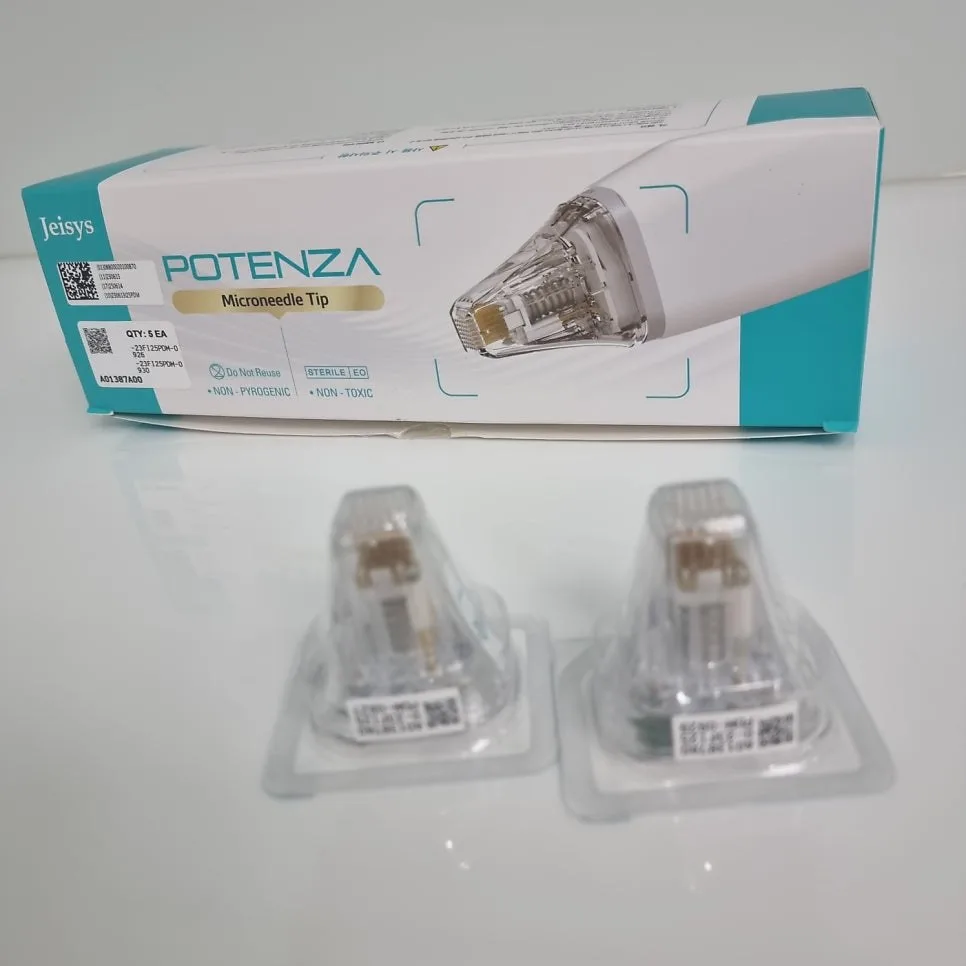
For needle treatments, a new sterile single-use cartridge should be opened for your session (FDA). It reduces cross-contamination risk. Infection and heat injury can still occur.
Questions to bring to the consultation:
- Which exact tip will be used on each area of my face, and does it penetrate or ablate the skin?
- What depth and energy are planned over my cheeks and temples, given the reported fat loss cases with RF microneedling?
- What is the diagnosis you are treating: scars, pores, laxity, or a specific pigment condition?
- Is any product added? What is its exact name, is it applied topically or injected, and what evidence and local authorization support that route?
- What recovery should I expect for this tip, and can I have the aftercare in writing?
- Who follows up after I leave Korea, in which language, and how do I reach that person?
- If my skin darkens easily, what is the sun protection and pigment follow-up plan for my home country?
A physician's part is to lay out the whole picture, including the uncertain parts and the reported risks, to put a name to the advice, and to stay reachable after the decision. Your part is to decide with that information in hand. Deciding against a treatment, or choosing a smaller plan than the menu offers, is a sound outcome of a good consultation.
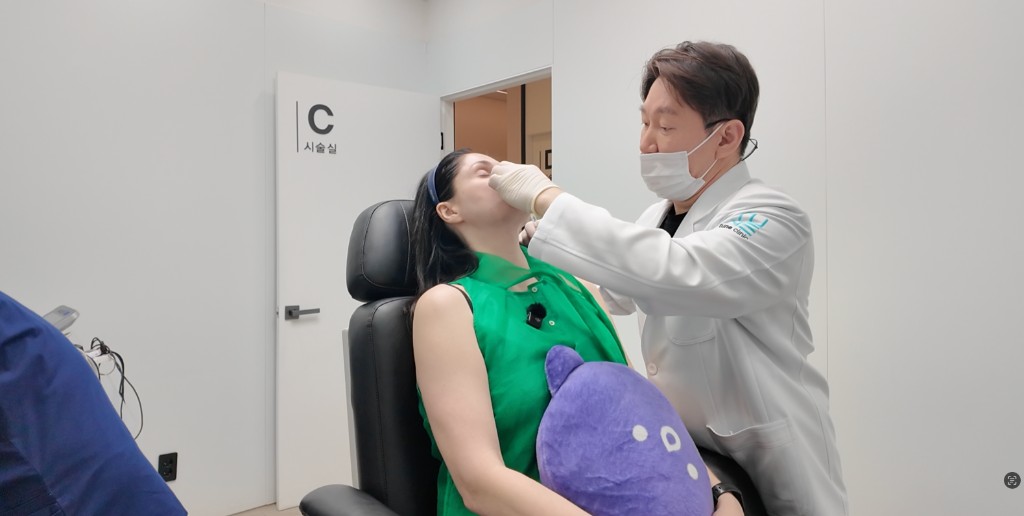
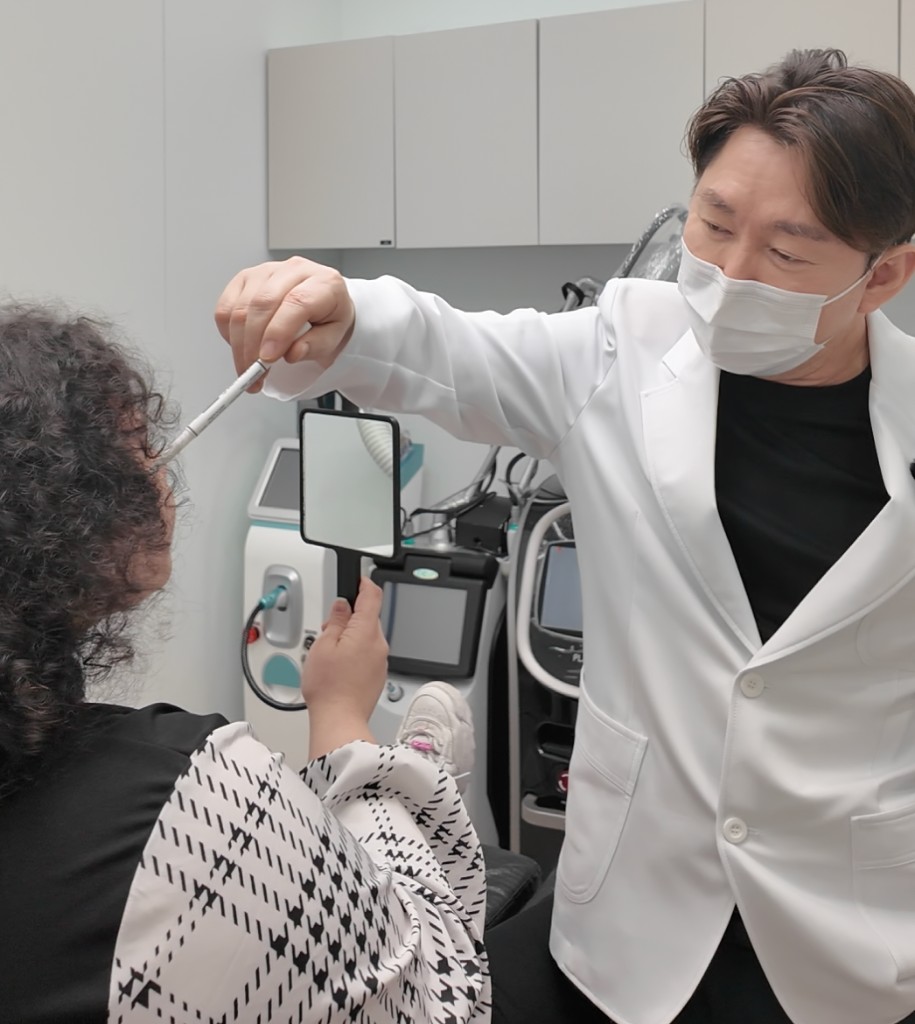
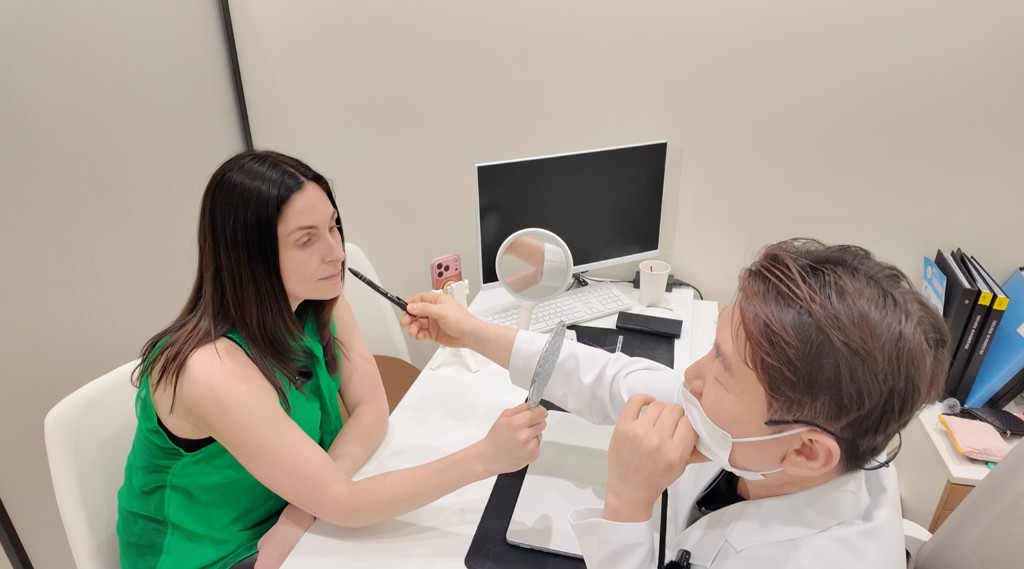
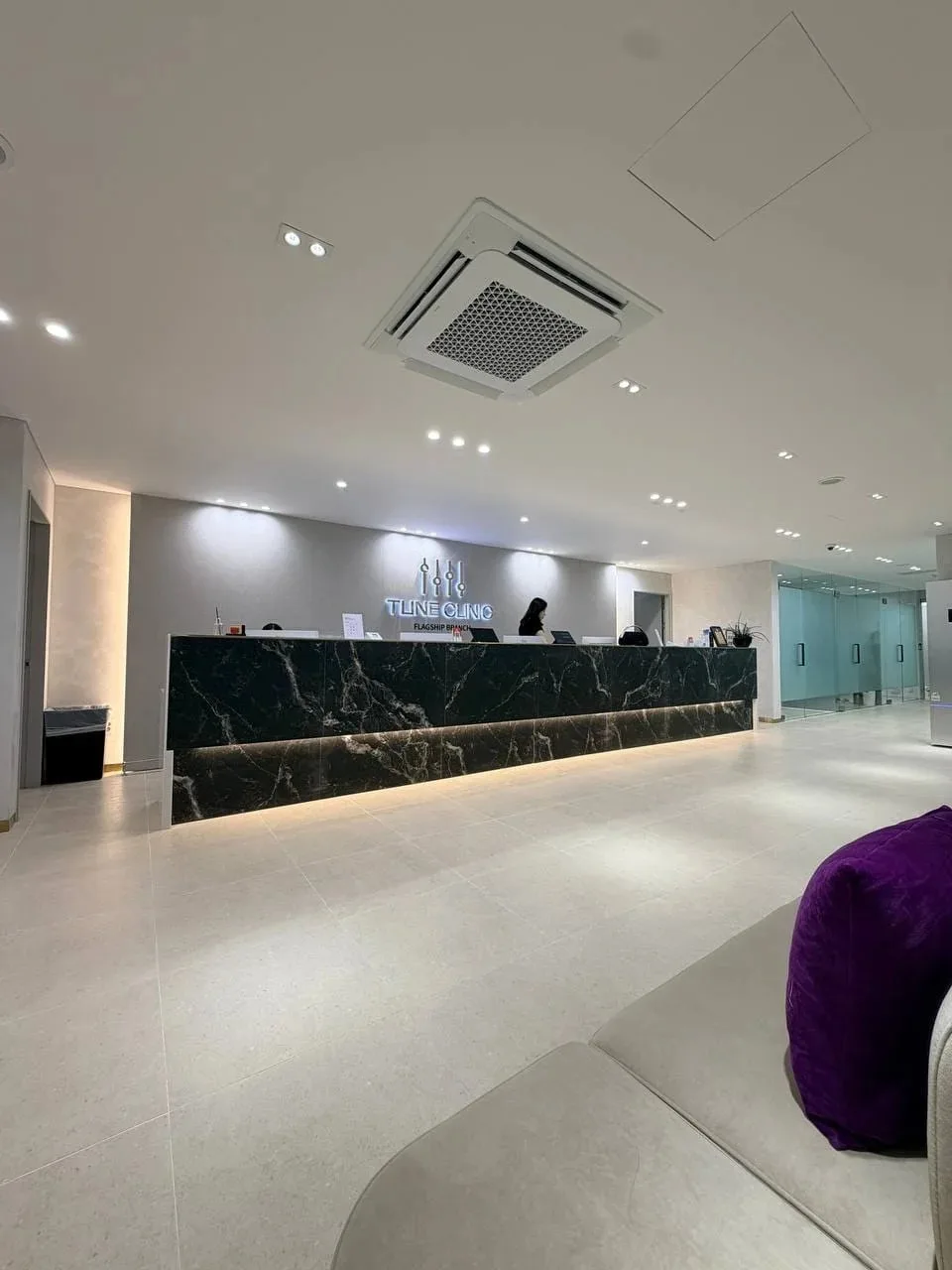
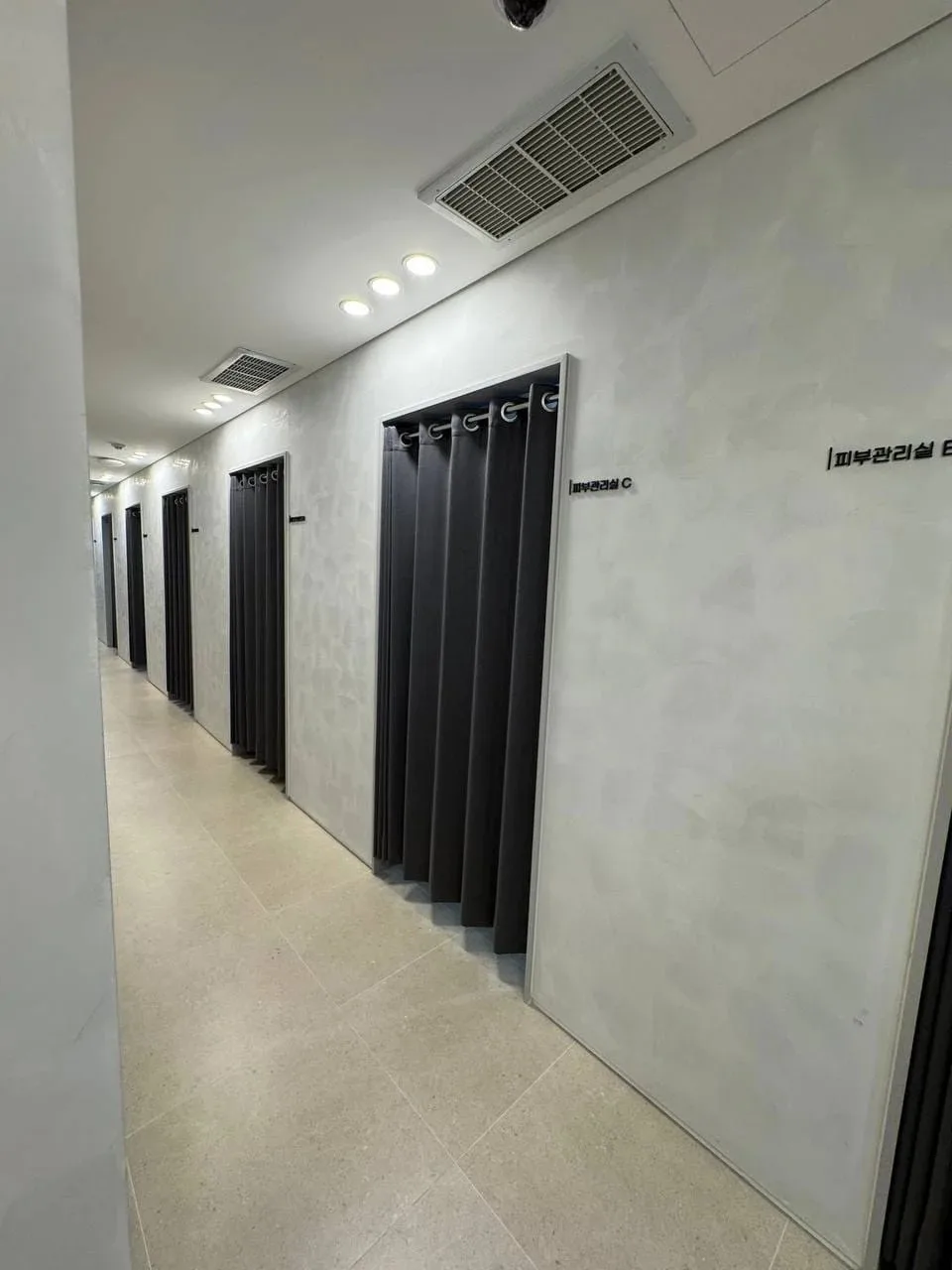
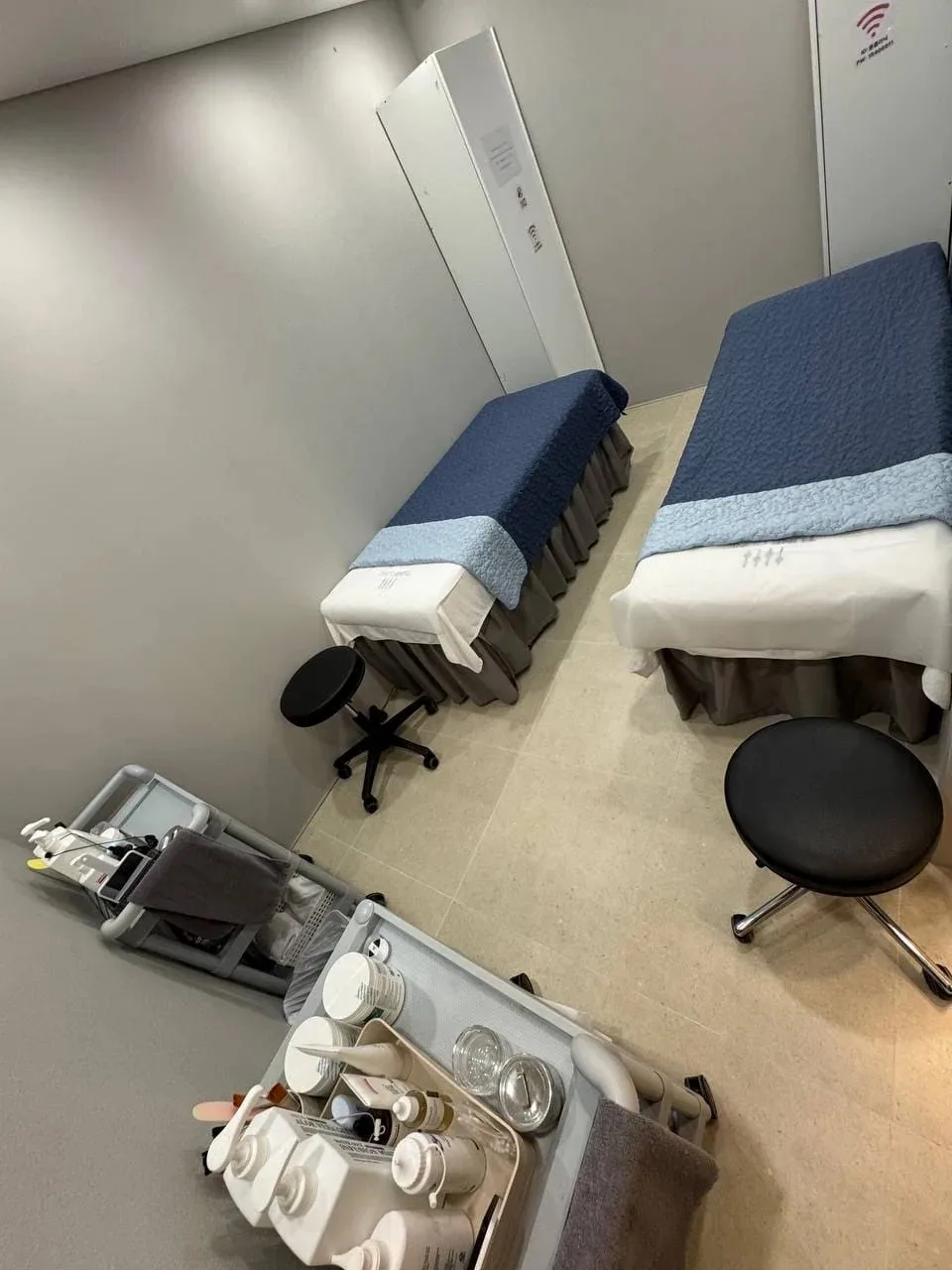
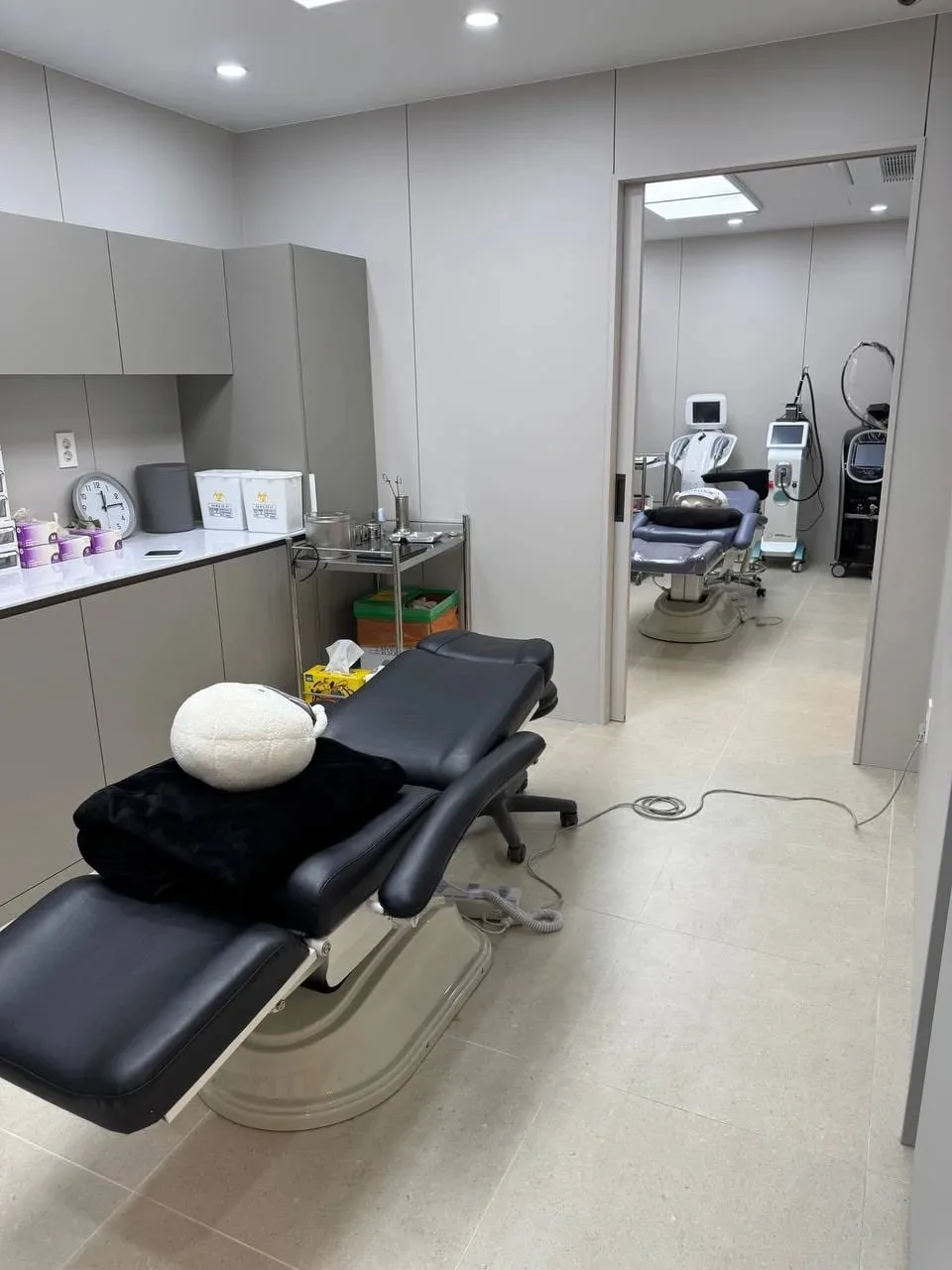
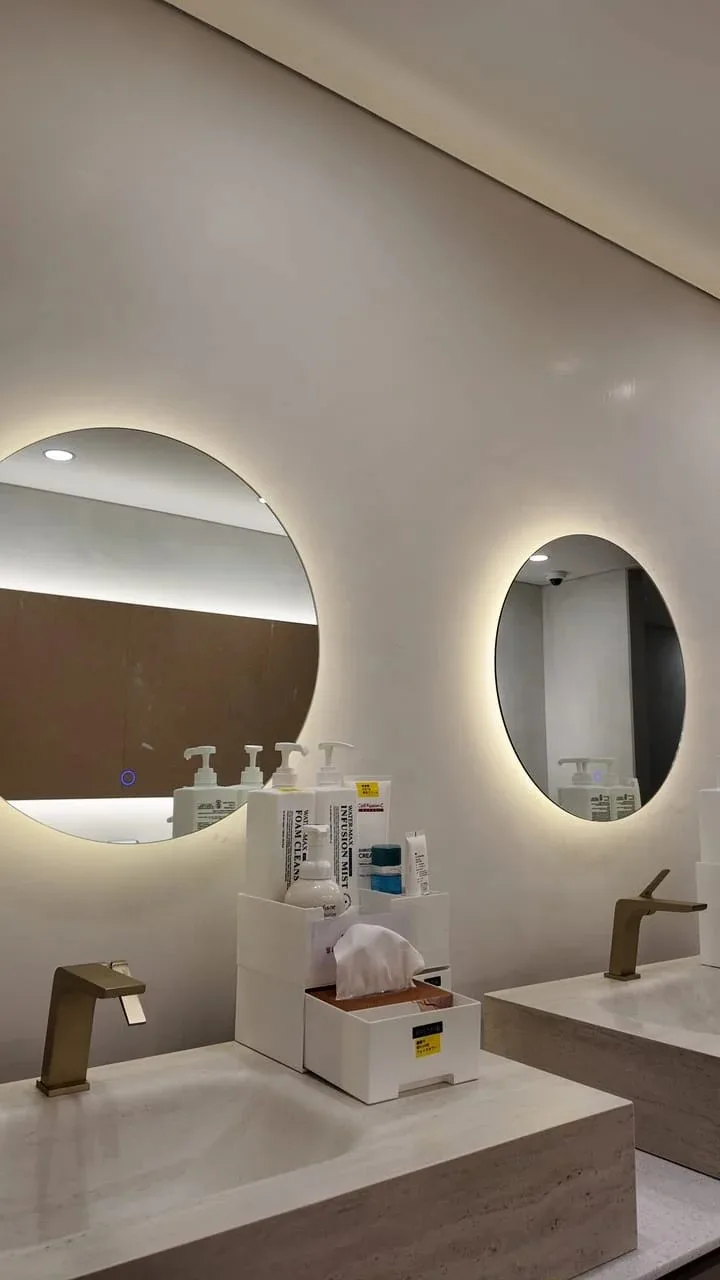
Tune Clinic Apgujeong today: the lobby, waiting areas and treatment rooms where consultations and treatments take place.
Sources
- FDA. Potential Risks with Certain Uses of Radiofrequency Microneedling. Safety Communication 2025. Class-level warning on serious complications, including burns, scarring, fat loss, disfigurement and nerve damage, with certain uses of RF microneedling
- FDA. Potenza 510(k) Summary K192545. 2020. RF mechanism, monopolar and bipolar modes at 1 and 2 MHz, needle accessories, 4 mm maximum depth, US intended use
- FDA. Potenza 510(k) Summary K231287. 2024. Diamond, DDR and SFA surface accessories and the scope of US clearance
- Aesthetic Plastic Surgery. Effectiveness of Radiofrequency Microneedling in the Treatment of Dermatological Conditions. Springer Nature 2026. Class-level evidence for acne, rosacea, enlarged pores, fine lines and mild laxity, with stated limits
- Clin Cosmet Investig Dermatol. Fractional Radiofrequency Microneedling as a Monotherapy in Acne Scar Management. 2025. Systematic review of 16 studies and 481 patients, with uncertainty about optimal parameters
- Aesthetic Surgery Journal Open Forum. The Efficacy and Safety of Radiofrequency Microneedling for Melasma. 2026. Twelve-study qualitative synthesis whose abstract and conclusion differ in strength
- Jeisys Medical. Potenza SFA Tip. Manufacturer page. Superficial fractional ablation mechanism of the SFA tip
- Jeisys Medical. Potenza DDR Tip. Manufacturer page. Needle-free bipolar surface electrode description
- BCDG (UK professional group). Radiofrequency Microneedling, Patient Information. 2025. Numbing, sensations during treatment, usual redness, makeup advice, gradual remodeling
- FDA. Microneedling Devices. 2025. Single-use cartridges, screening, pigment risk, and no authorization for delivering added products
- FDA. Consumer Alert on Regenerative Medicine Products Including Stem Cells and Exosomes. 2020. FDA statement that no exosome products are approved
- FDA. Supreme Rejuvenation Warning Letter. 2025. Recent US enforcement on unapproved exosome products
- Jeisys Medical. About Us. Manufacturer page. Manufacturer-reported CE marking for electrocoagulation and hemostasis
- American Academy of Dermatology. Statement on the FDA Safety Briefing about Radiofrequency Microneedling Risks. 2025. Professional response stressing training, anatomy and consultation
- PMDA. Potenza BASIC Japanese Package Insert, Revision 2. 2026. Japanese approval number, listed tips, intended use, contraindications
- Ministry of Food and Drug Safety, Korea. Integrated Search. Entry point for checking Korean authorization; does not itself confirm it
- Therapeutic Goods Administration. Jeisys Medical Australia ARTG Entries. 2022. Australian listing of the Potenza system and accessories
- International Journal of Molecular Sciences. Polynucleotides in Aesthetic Medicine, A Review of Current Practices and Perceived Effectiveness. 2024. Polynucleotide product differences and limits of the aesthetic evidence
- Health Canada. Health Product InfoWatch, January 2026. Additional regulator discussion of RF microneedling safety