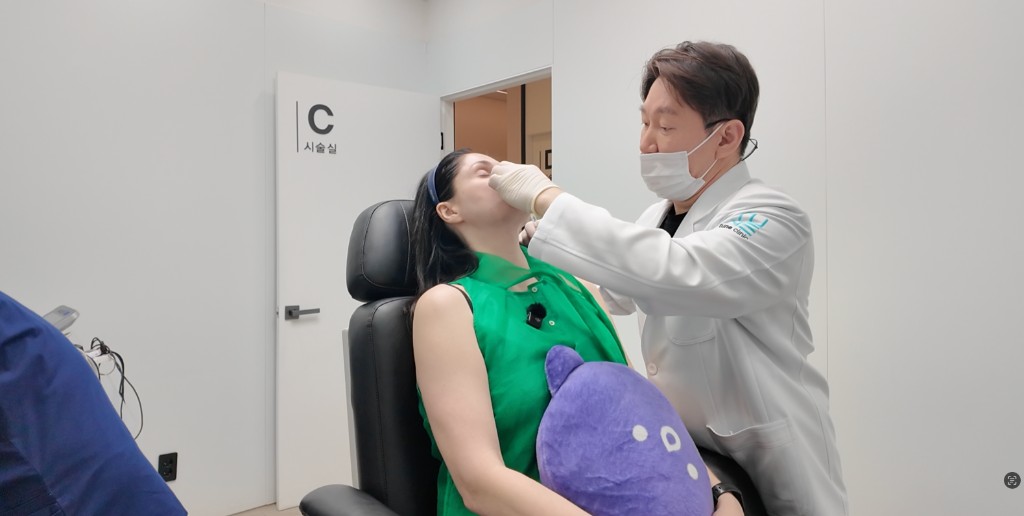
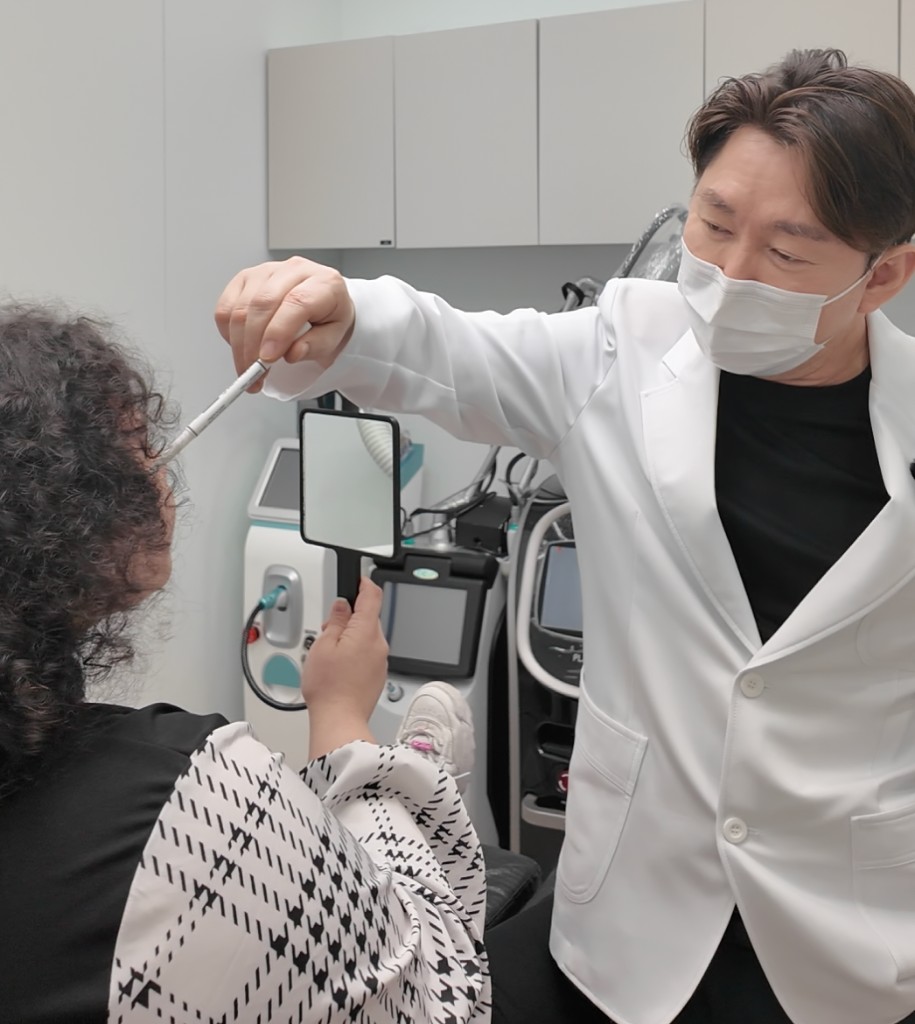
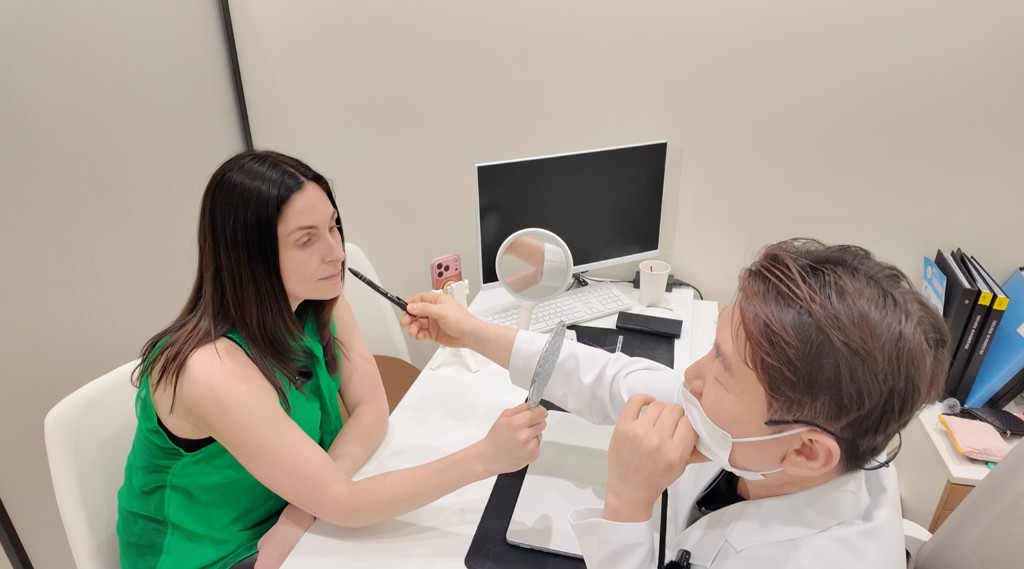
Juvelook should be discussed through the exact formulation and treatment goal, not a simple filler-versus-not-filler label. Ask whether the proposed plan aims at skin quality, volume or another concern and how the result will be assessed.
What Is Juvelook and How Does It Work?
Juvelook contains two active components: poly-D-L-lactic acid (PDLLA) microspheres and a low-molecular-weight hyaluronic acid carrier. The HA provides immediate superficial hydration and acts as the delivery medium. The PDLLA is the primary therapeutic agent — once deposited in the dermis or subdermis, the microspheres degrade gradually, stimulating fibroblast activity and prompting the laying down of new collagen.
A collagen-stimulation plan and a volume-focused plan may aim at different changes. The product name alone does not establish the appropriate treatment area, placement or result.
Juvelook formulations should not be assumed interchangeable. Ask which version is proposed and which product information supports the intended use.
Why Does Injection Plane Matter More Than Dose?
With volumising HA fillers, the bolus size and placement depth determine the lift. With Juvelook, those variables determine whether collagen induction actually occurs.
Placement is a product- and area-specific clinical decision. Ask the physician to explain the rationale and risks rather than choosing a tissue plane from a general article.
The question we ask before any Juvelook session is not 'how much product?' but 'what depth, what dilution, and what interval will produce organised collagen rather than a fibrotic response.' Those three variables are set per patient, not per protocol sheet.
Session spacing is a third variable that tends to be underweighted. Because the collagen response takes time, stacking sessions too quickly risks overstimulating the tissue before the previous cycle has matured. In clinical practice, intervals are typically calibrated around the patient's observed tissue response rather than fixed calendar dates.
Is Juvelook a Replacement for Filler?
Not necessarily. Whether Juvelook is appropriate depends on the exact formulation, the concern and the assessment. A collagen-stimulator label does not establish that it can replace another proposed treatment.
For some patients, Juvelook is the primary intervention. For others — particularly those in their forties and beyond who present with both quality decline and structural loss — it functions best as part of a layered programme alongside other modalities. The physician's role is to assess which element of change the patient is actually experiencing and to select the tool accordingly.
Patients who arrive requesting Juvelook specifically because they have read that it is 'natural' or 'not a filler' sometimes carry the assumption that more sessions always mean more improvement. That is not how biostimulators behave. Over-treatment can produce a firm, irregular texture rather than the soft, progressive improvement the protocol is designed to deliver.
Juvelook Within a Broader Skin Programme
Combining Juvelook with a device or another injectable requires assessment of the intended benefit, interactions, timing and recovery. The combination should not be assumed to work better merely because both are described as stimulating collagen.
What Should Patients Expect From a Juvelook Programme?
Swelling or marks immediately after injection do not establish the eventual result. Their visibility and duration vary; agree on the review and recovery plan before treatment.
The timing and degree of visible change vary. Ask which evidence applies to the exact formulation and indication and how response will be reviewed before deciding on another session.
For patients considering Juvelook as part of a filler or skin quality programme, a useful starting point is understanding how Tune Clinic approaches injectable planning: Volume Tunemaka-se outlines the framework for filler and biostimulator decisions together.
FAQ
Is Juvelook the same as a hyaluronic acid filler?
Juvelook and conventional hyaluronic-acid filler plans may have different formulations and goals. Ask which product is proposed and what change it is intended to achieve rather than relying on a category label.
How many Juvelook sessions are needed to see results?
The number of sessions depends on the patient's baseline skin condition, age, and treatment goals. In clinical practice, a structured programme typically involves multiple sessions spaced to allow each collagen cycle to mature before the next stimulus is applied — rather than a fixed number applied uniformly to all patients.
Can Juvelook be combined with other injectables or devices?
A combination may be considered after assessment, but it is not automatically appropriate. Ask about the exact products or devices, treatment areas, sequencing and follow-up.
What is the difference between Juvelook Volume and Juvelook Skin?
The exact formulation and proposed purpose should be confirmed with the treating clinician. Do not assume that every Juvelook version uses the same plan or placement.
Will Juvelook add visible fullness immediately after treatment?
Swelling or marks can occur after injection and should not be read as the intended final volume. Duration varies; discuss your event or travel dates before treatment.
Ready to plan your treatment?
Tune Clinic Apgujeong offers English-language consultations with Dr. Ju and Dr. Cha — a structured assessment, not a sales call.
→ Book an appointment to pick a time that fits your Seoul itinerary.
→ Message us on WhatsApp to ask in English before you commit.