
Dull-looking skin may benefit from exfoliation when surface buildup contributes, but burning, stinging, inflammation or incomplete healing calls for assessment first. Dullness describes how skin looks, so the first step is to find out whether texture, pigment or irritation is behind it. There is no single recovery timetable, because healing depends on the procedure and how deep it went (JEADV 2023).
You are in a Seoul hotel room the night before a consultation. In the bathroom mirror your skin looks flat, yet your moisturizer stings when you put it on. Your routine already has an exfoliating toner and a retinol, and the treatment menu you saved offers a glow facial and a laser. The question is whether the skin needs one more exfoliating treatment or whether the stinging should be looked at first. This scene is a composite and does not describe a real patient. My 2022 post started from a similar complaint: skin that looked dull, a fractional laser session, and skin that turned sensitive afterward.
Questions and answers
What does dull skin actually mean?
Dull skin is a description of how skin looks, and it is not a diagnosis. Radiance comes from two things together: mirror-like reflection at the surface and softer light that scatters back from inside the skin. Surface roughness changes the first part (Society of Cosmetic Chemists of Japan 2017). A 2023 model explained perceived dullness through skin color, optical properties and fine surface texture combined (Skin Research and Technology 2023).
In 2022 I explained this with two eggs, one peeled smooth and one peeled roughly, and I wrote that dull skin comes from an uneven outer layer. The egg picture fits the surface part. Newer research shows that roughness is one contributor among several. Skin is also a living material that scatters light below the surface, so shine alone does not tell you how healthy the skin is.
Why does my skin look dull even though I exfoliate?
Exfoliation may help some causes of roughness or uneven pigmentation, but it can worsen irritated skin. The cause and your skin's current condition should guide treatment. The 2022 post presented removing dead skin as the usual answer to dullness; the evidence now supports checking first whether the concern is roughness, pigment or inflammation.
The American Academy of Dermatology advises matching the method to your skin type and checking the products you already use, because some of them, such as retinoids, already make skin more sensitive (AAD). Social media routines for glass skin stack acids, retinoids and concentrated serums, and dermatologists quoted in 2025 coverage ask for simpler routines (Aesthetic Medicine 2025, AP 2025). A clinic peel on top of such a routine adds to the total irritation.
A stronger product at home is not a safer route. In 2024 the FDA warned against buying or using certain chemical peel products without professional supervision because of serious injury risk (FDA 2024).
Which symptoms mean I should pause treatment?
Pause and ask for an assessment if the skin burns or stings with ordinary products, looks inflamed, or has not finished healing from a recent procedure. Expert recommendations on procedure aftercare tie the return to normal skincare to how the skin has actually recovered, and a calendar date alone does not settle it (JEADV 2023).
In 2022 I advised readers to skip the next laser session when the skin feels sensitive or not fully recovered. That caution fits current aftercare recommendations. Persistent symptoms also need assessment, because rest alone may not be enough: infection and other complications can occur after a peel (ASDSA 2024).
The 2022 post gave four weeks or more as the time the surface needs to regenerate, and it tied lasting sensitivity to recovery being disturbed during that time. Recovery differs by procedure and depth, so no single number applies. Lasting symptoms do not show that you cared for your skin badly.
Could the problem be pigmentation rather than dead skin?
Yes. Color is one of the main inputs to perceived dullness, so uneven pigment can make smooth skin look flat (Skin Research and Technology 2023). Patchy brown areas need a diagnosis before treatment. Peels themselves can cause pigment changes in some patients, which is one reason patient selection matters (ASDSA 2024). If your concern is patches more than overall flatness, read the guide on melasma and freckles first.
What is the difference between a facial, a peel and fractional laser?
They work in different ways and at different depths, so one cannot stand in for another.
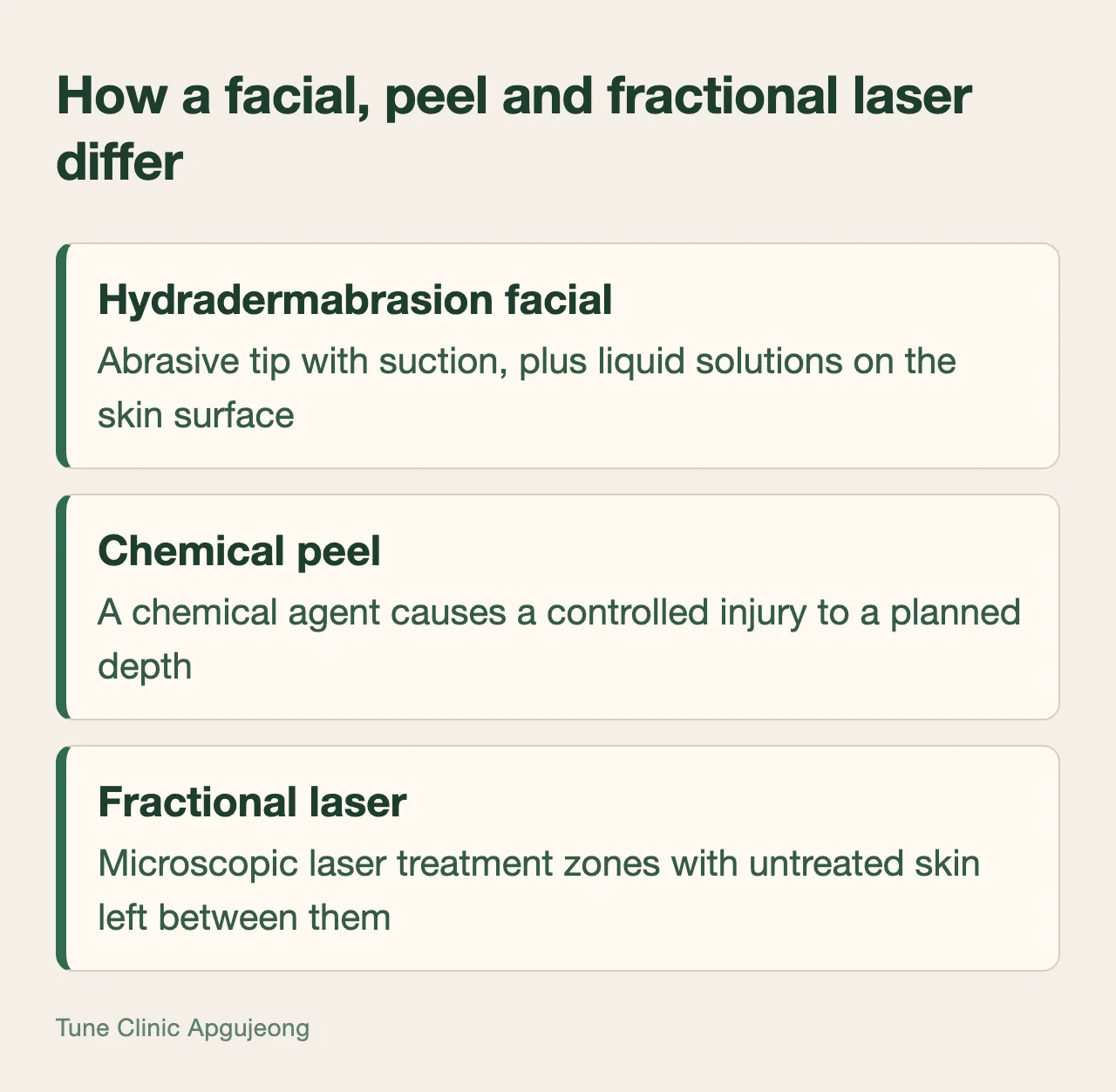
| Option | How it works | What decides recovery |
|---|---|---|
| Hydradermabrasion facial (Hydrafacial, aqua peel) | An abrasive tip with suction, plus liquid solutions on the skin surface | The tip, the suction level, the solutions used and your skin that day |
| Chemical peel | A chemical agent causes a controlled injury to a planned depth | The agent and the depth of injury |
| Fractional laser | Laser energy creates microscopic treatment zones with untreated skin between them | Ablative or nonablative type and the settings |
A chemical peel is a controlled injury and belongs with trained medical care (ASDSA 2024). Hydradermabrasion combines abrasion, suction and solutions (Skin Research and Technology 2024).
In 2022 I grouped fractional laser with scrubs and chemical peels as one more kind of peeling. Fractional laser works differently, and ablative and nonablative devices differ in recovery (DermNet). The post also mentioned pore reduction as a reason for fractional laser without naming a device or a study, so this guide makes no pore claim for it.
Two cautions for Korea. Aqua peel is a generic label, so it does not tell you which device or solutions will be used. Some peels are also marketed as gentle or low irritation. The sources reviewed for this guide do not establish that one branded peel is superior to another, so judge a peel by its ingredients, strength and your skin condition.
Can a hydrating facial like Hydrafacial still irritate sensitive skin?
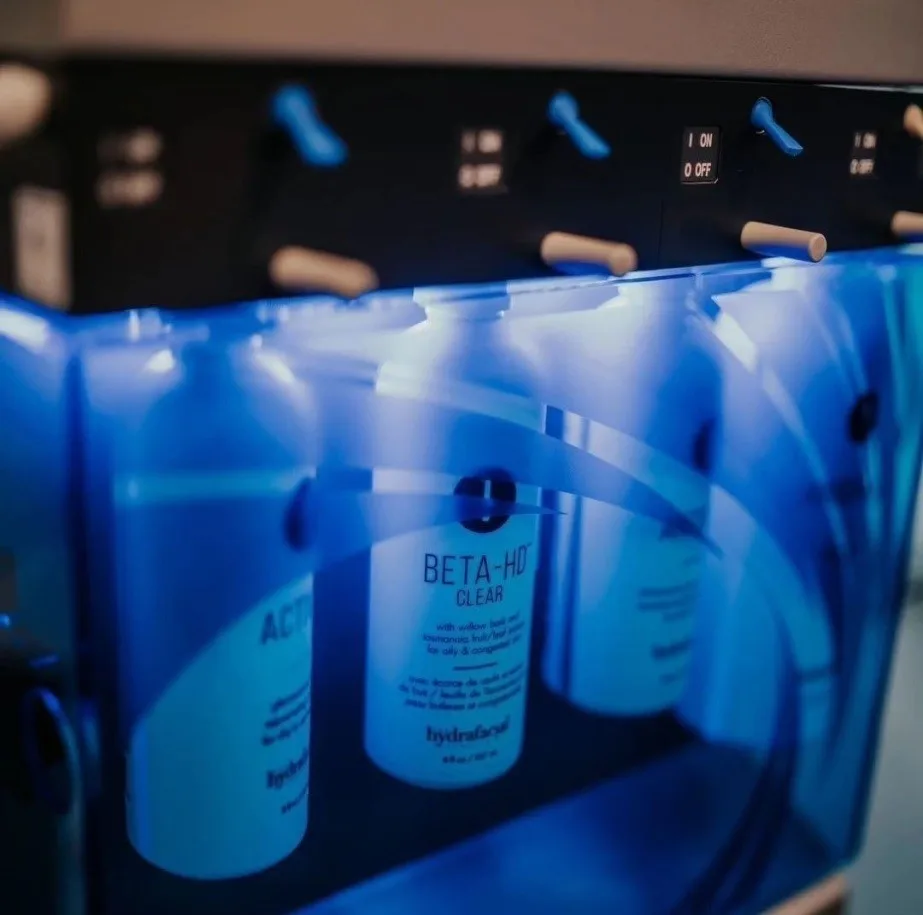
Yes. The word hydrating does not remove the effects of abrasion, suction and exfoliating solutions. The manufacturer's instructions for one current model describe temporary irritation as a possible effect (Hydrafacial Elite MD instructions 2024). For this model, active eczema, dermatitis, infection and injured skin in the treatment area are contraindications. Rosacea requires individual assessment and attention to the device instructions. Ask the clinician to check the full contraindication list for the actual model and solutions.
People do ask online about dryness and tightness after this kind of facial (Reddit discussion 2026). These posts show that some people report this concern; they cannot establish its frequency or cause.
The same instructions state that treatment tips are single use. It is reasonable to ask a clinic to confirm that a new tip is used for you.
How long does the glow last, and does it shrink pores?
The studies cited here do not establish a predictable duration after one session or permanent pore reduction. A 2008 randomized study enrolled 20 women and tested six sessions with one specific antioxidant serum. It reported reduced pore size after that six-treatment course, which cannot establish permanence (Journal of Cosmetic Dermatology 2008). A 2024 imaging study followed eight volunteers for two weeks (Skin Research and Technology 2024). Neither tells us what one session of a current treatment protocol does months later.
Suction removes surface debris and some pore contents. That is cleansing. Removing pore contents does not establish toxin removal or permanent pore shrinkage. People also ask whether it removes whiteheads (RealSelf). Closed comedones, milia and inflamed acne are different problems, and they need an examination before anyone promises an answer.
Is Hydrafacial FDA approved?
The records cited here do not show FDA approval of any advertised treatment benefit. The specific Hydrafacial device record cited here lists exemption from premarket submission under product code GFE, a Class I category (FDA, AccessGUDID). That listing is not FDA approval of claims about glow, detoxification or pores. The record covers one model variant, so check the exact model and its intended use. Patents protect intellectual property and do not show clinical benefit (Hydrafacial).
Korean status depends on the exact model and its Korean authorization, certification or notification record (HIRA 2024). Ask any clinic for the model name and that record.
Do I need a special regeneration treatment afterward?
Aftercare should follow the procedure and the treating clinician's instructions. In 2022 I told readers that recovery care should come to mind every time they hear the word laser, and that a stimulus such as laser should be followed by matching recovery. The post did not define recovery care. Current expert recommendations give it plain content: gentle cleansing, a moisturizer, sun protection, and wound care directed by the treating clinician when the procedure calls for it (JEADV 2023). These are expert recommendations, and they do not prove that any commercial aftercare program improves results. The 2022 post linked healthy skin with better laser effects, without defining the outcome or providing supporting evidence.
In the same post I advised avoiding home scrubs, bathhouse scrubbing and cleansing wipes after procedures that disturb the skin surface. Friction adds irritation to skin that is already disturbed (AAD). If you fly home to strong sun, sun protection matters more.
When can I restart exfoliants or retinoids?
There is no single restart day. In 2022 I listed a prescription retinoid cream and retinol cosmetics among the things to avoid after a procedure that disturbs the skin surface. That is reasonable during active irritation and early recovery.
In that post I described the prescription retinoid as a cream that dissolves dead skin. Current references describe retinoids as medicines that act on receptors in skin cells and change how those cells mature and turn over, with irritation as a known effect (Journal of Cutaneous Medicine and Surgery 2022).
The pause is temporary. Skincare is brought back gradually, on the schedule set for your procedure by the treating physician or prescriber (JEADV 2023).
When does a reaction need medical review?
Contact the treating clinic promptly for severe or worsening irritation, blistering, spreading redness, signs of infection or a suspected allergic reaction. For trouble breathing, sudden swelling of the tongue or throat, or collapse, call local emergency services immediately (119 in Korea). Do not wait for a clinic reply (NHS).
Peels can lead to infection, pigment change and scarring (ASDSA 2024), and unsupervised peels have caused serious injuries (FDA 2024). These signs are not purging and not proof that the exfoliation worked.
What should I ask a Seoul clinic before booking?
- Is my dullness mainly texture, pigment or irritation, and how did you decide?
- Given the stinging or redness I have now, should we treat today or wait?
- Which exact device and solutions will you use, and what is the model's Korean regulatory record?
- Have you checked the contraindication list for that model against my skin today?
- Is the treatment tip new and single use for me?
- Which of my current products should I stop, and when may I restart each one?
- What reaction should make me contact you, and who do I reach after I fly home?
Explaining the options, the risks and the follow-up plan is the treating doctor's responsibility, and that includes saying when a treatment on the menu does not suit your skin this week. Before deciding, ask who will provide follow-up, how to reach them and where to seek care after you return home. With that information in front of you, the decision is yours to make.
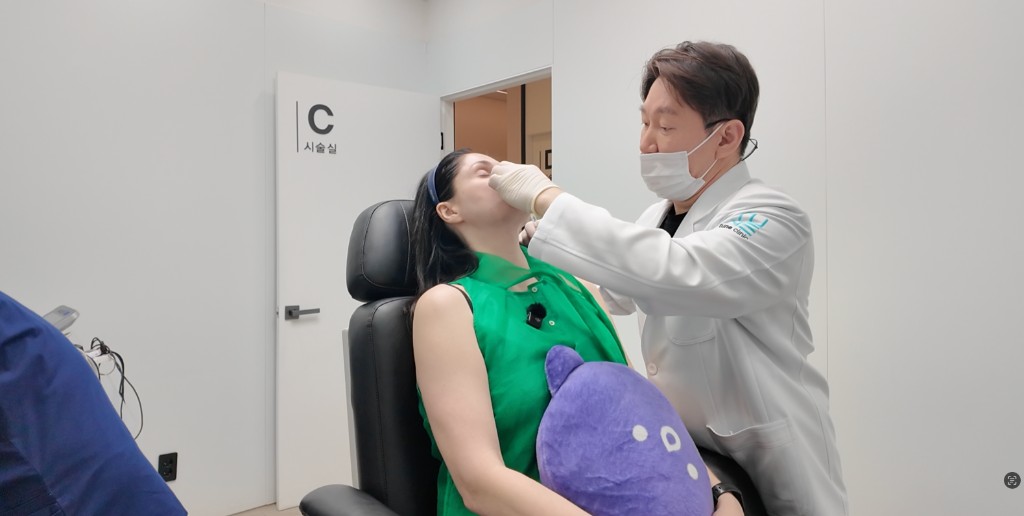
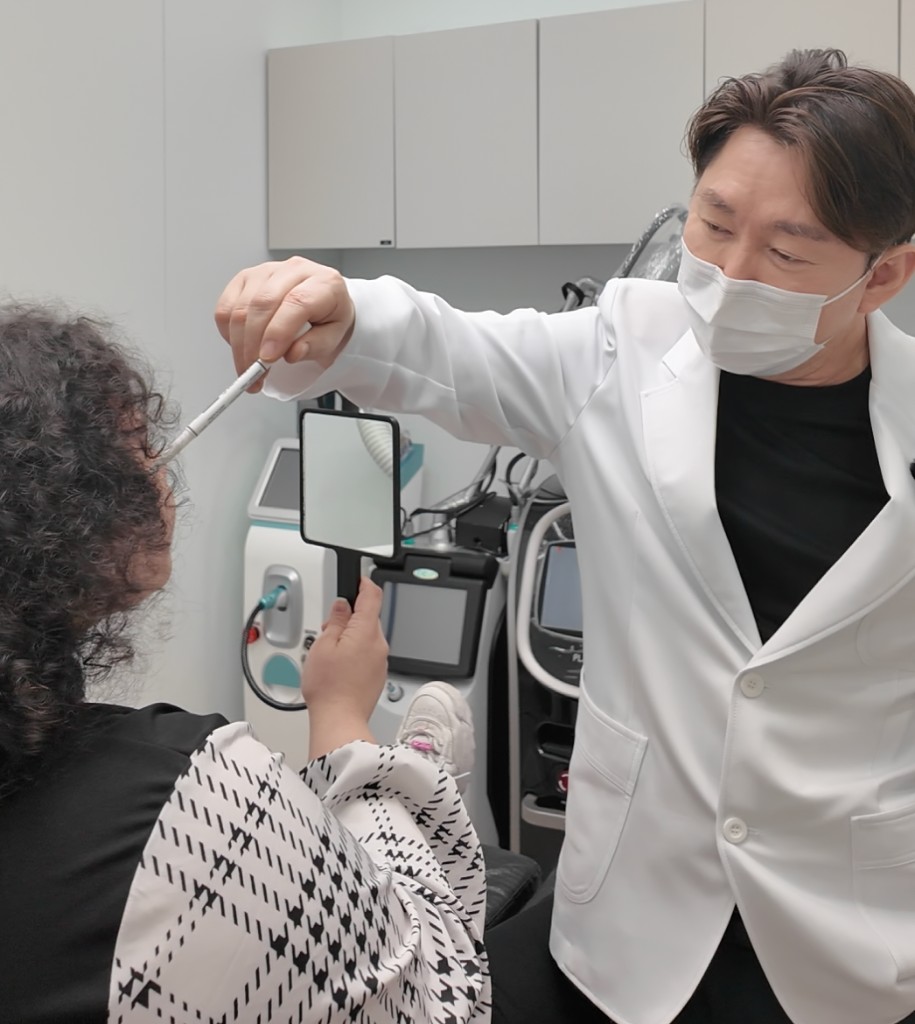
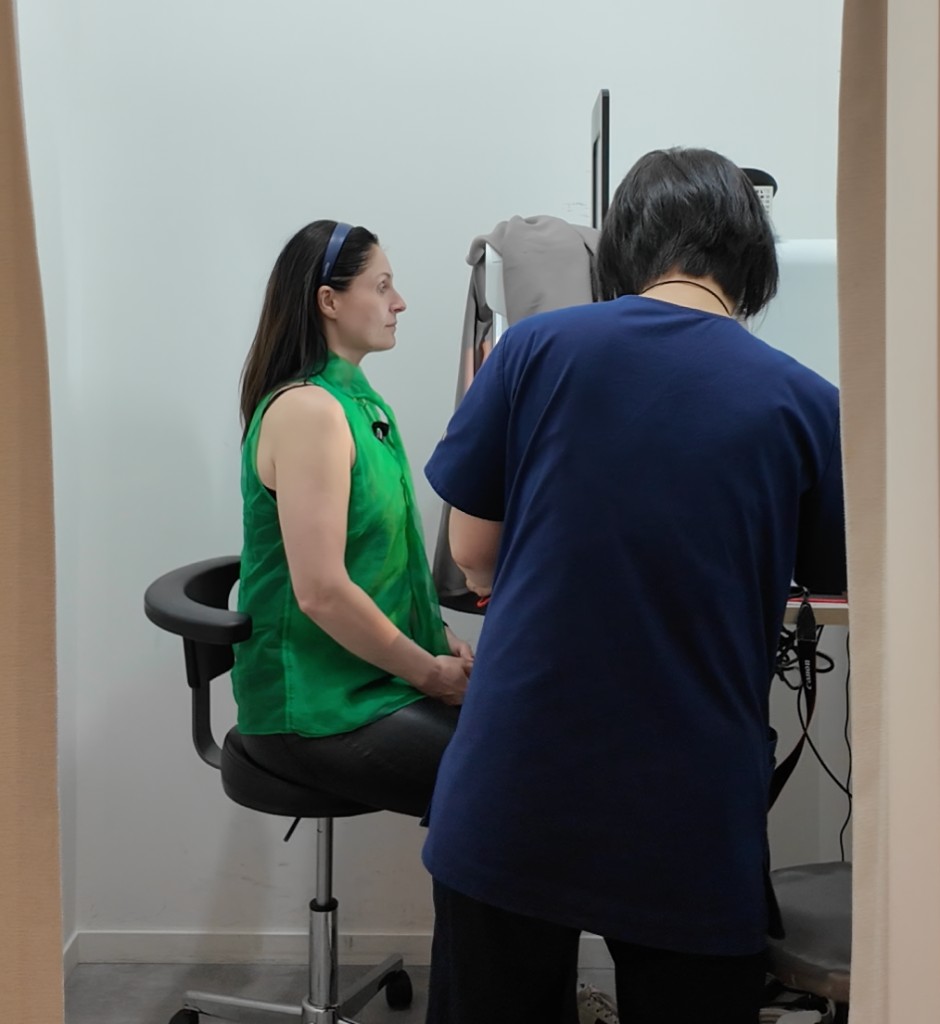
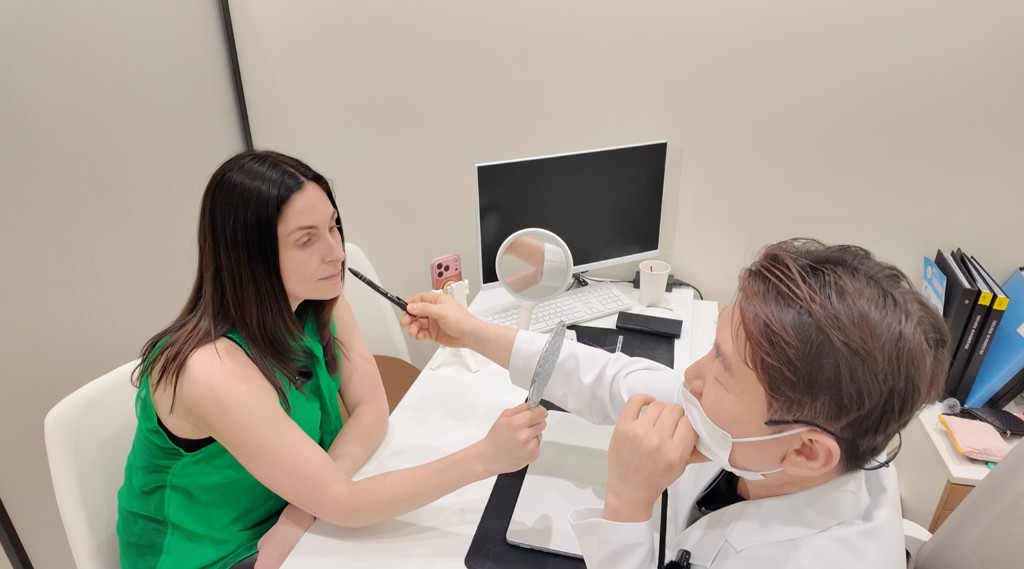
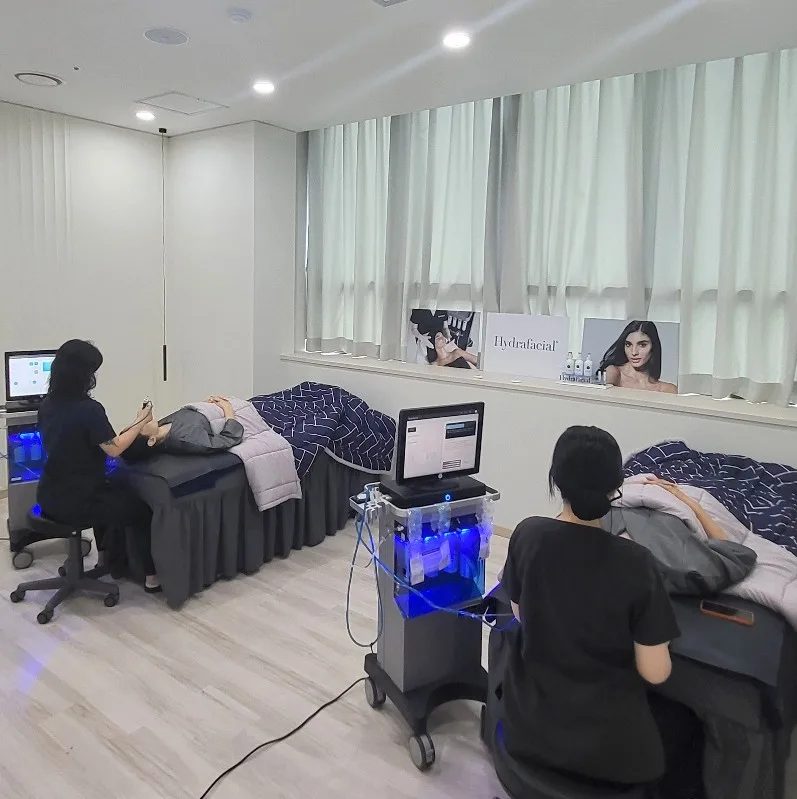
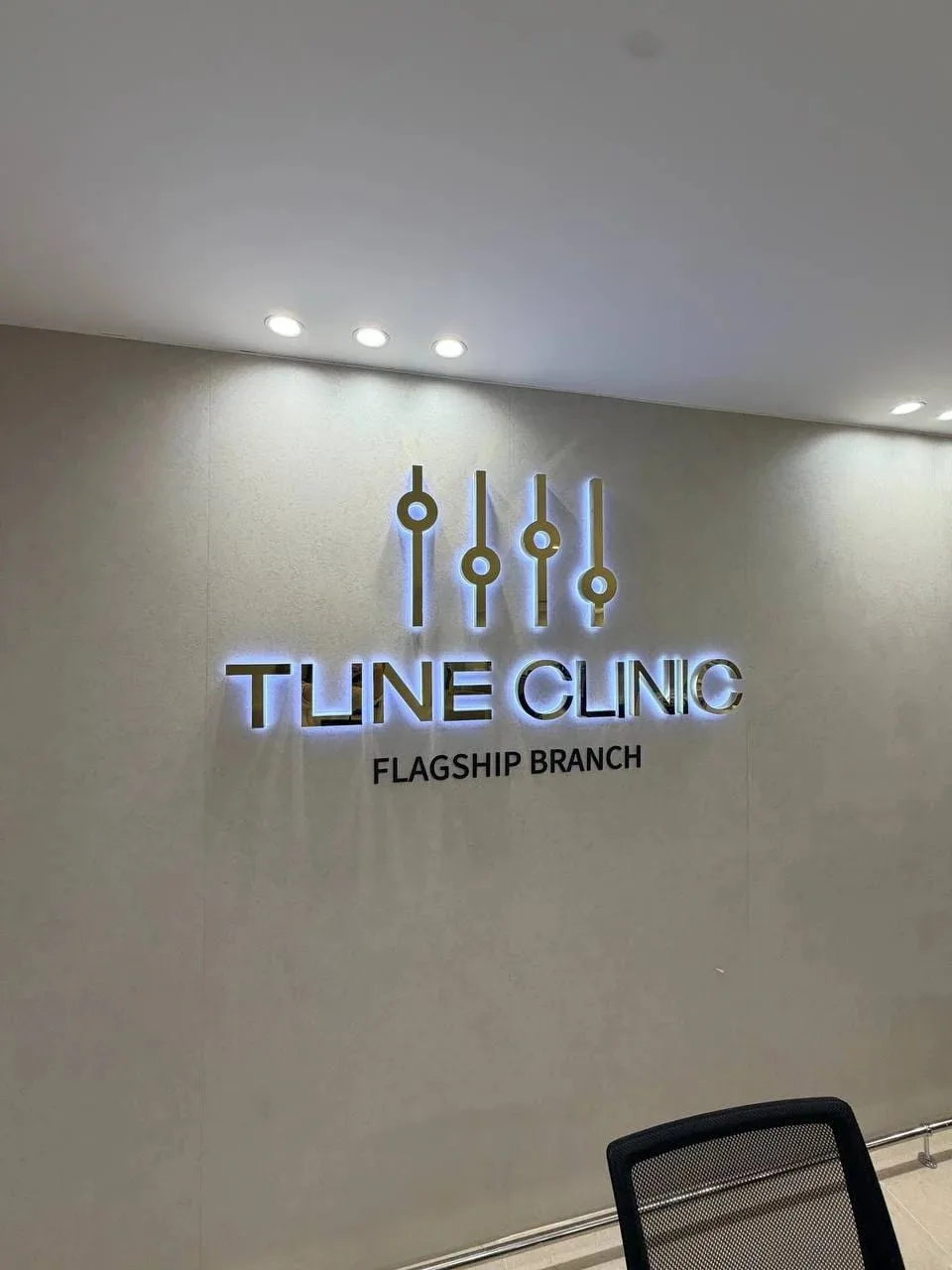
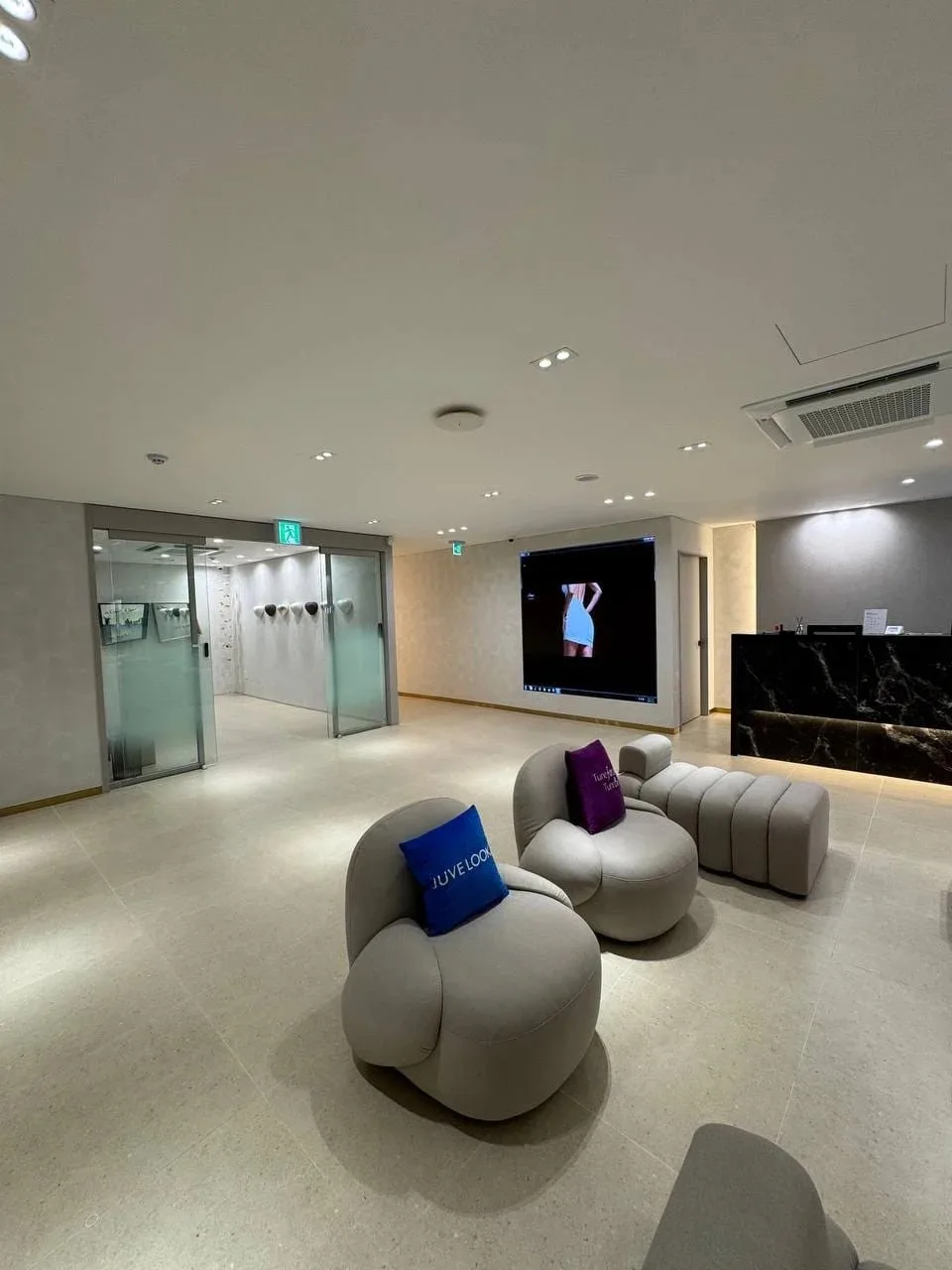
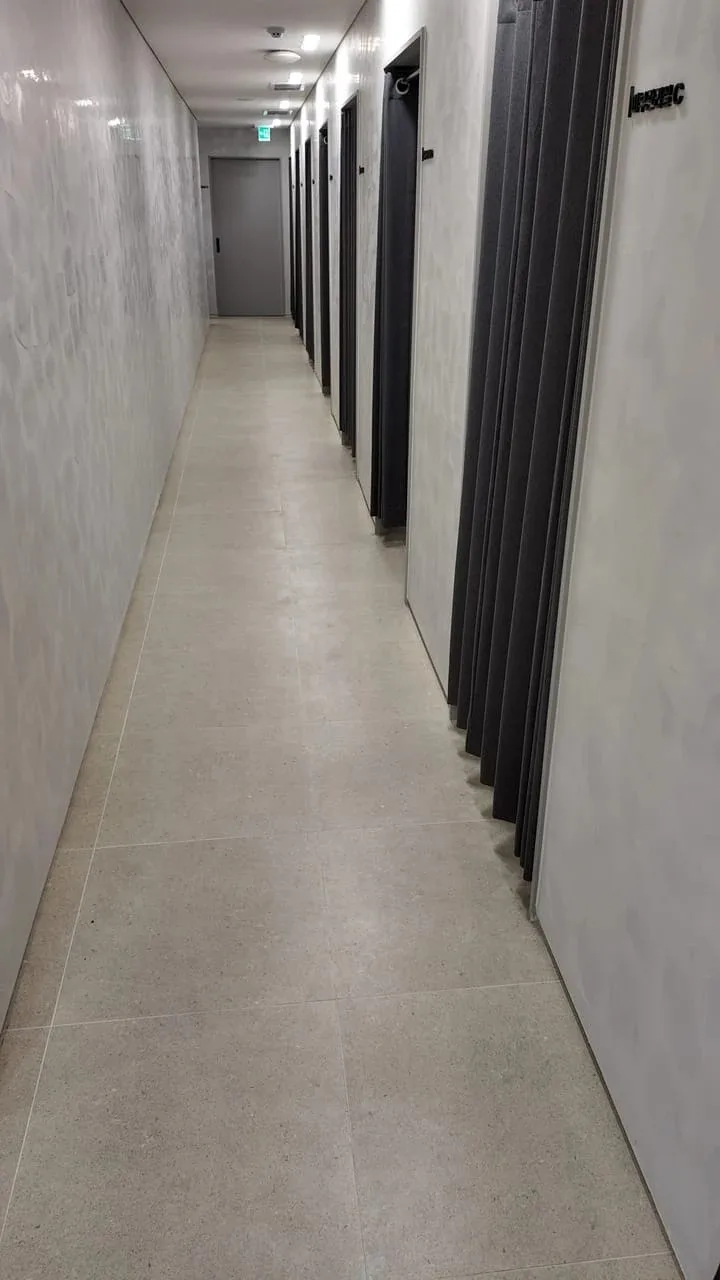
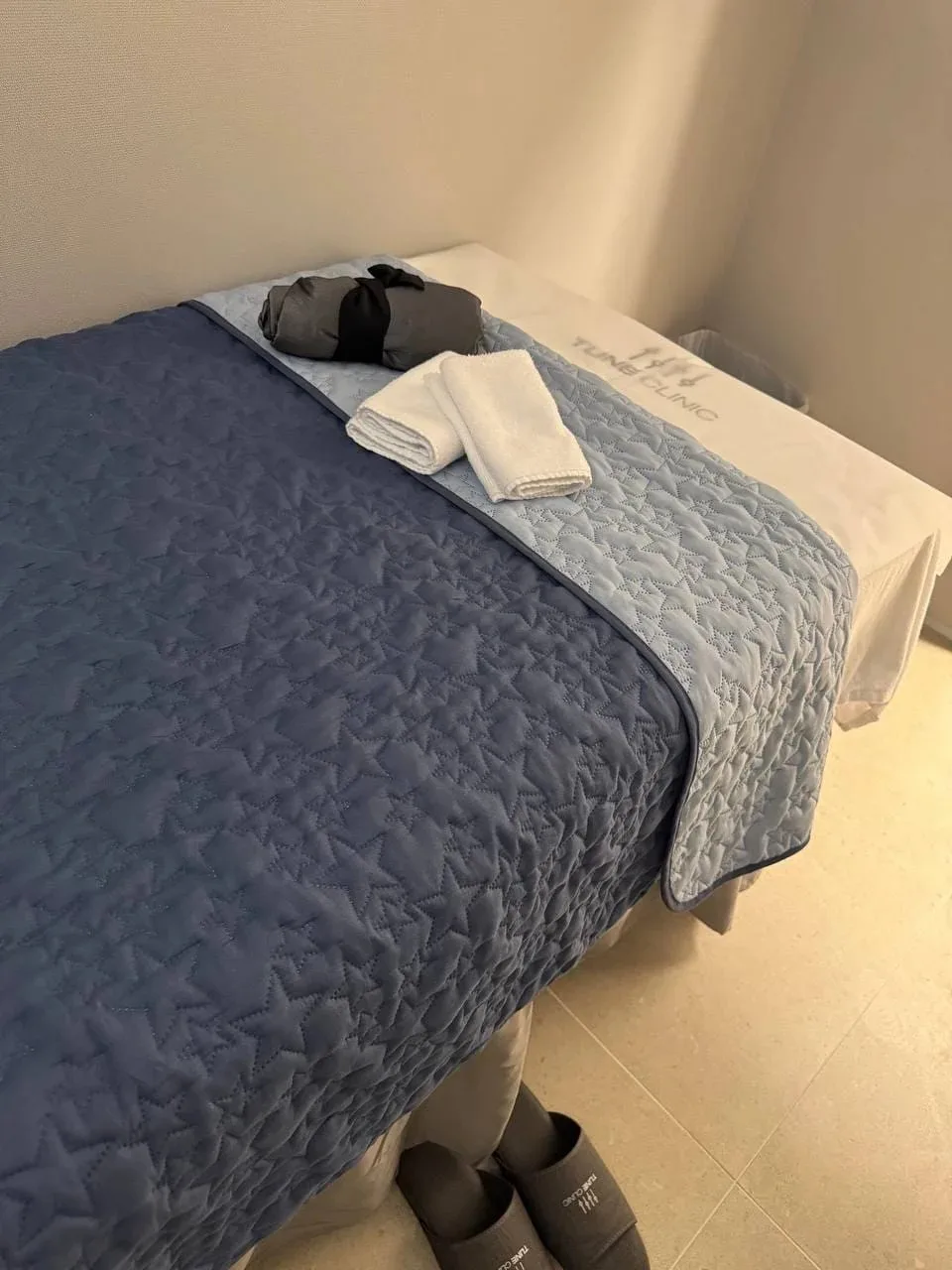
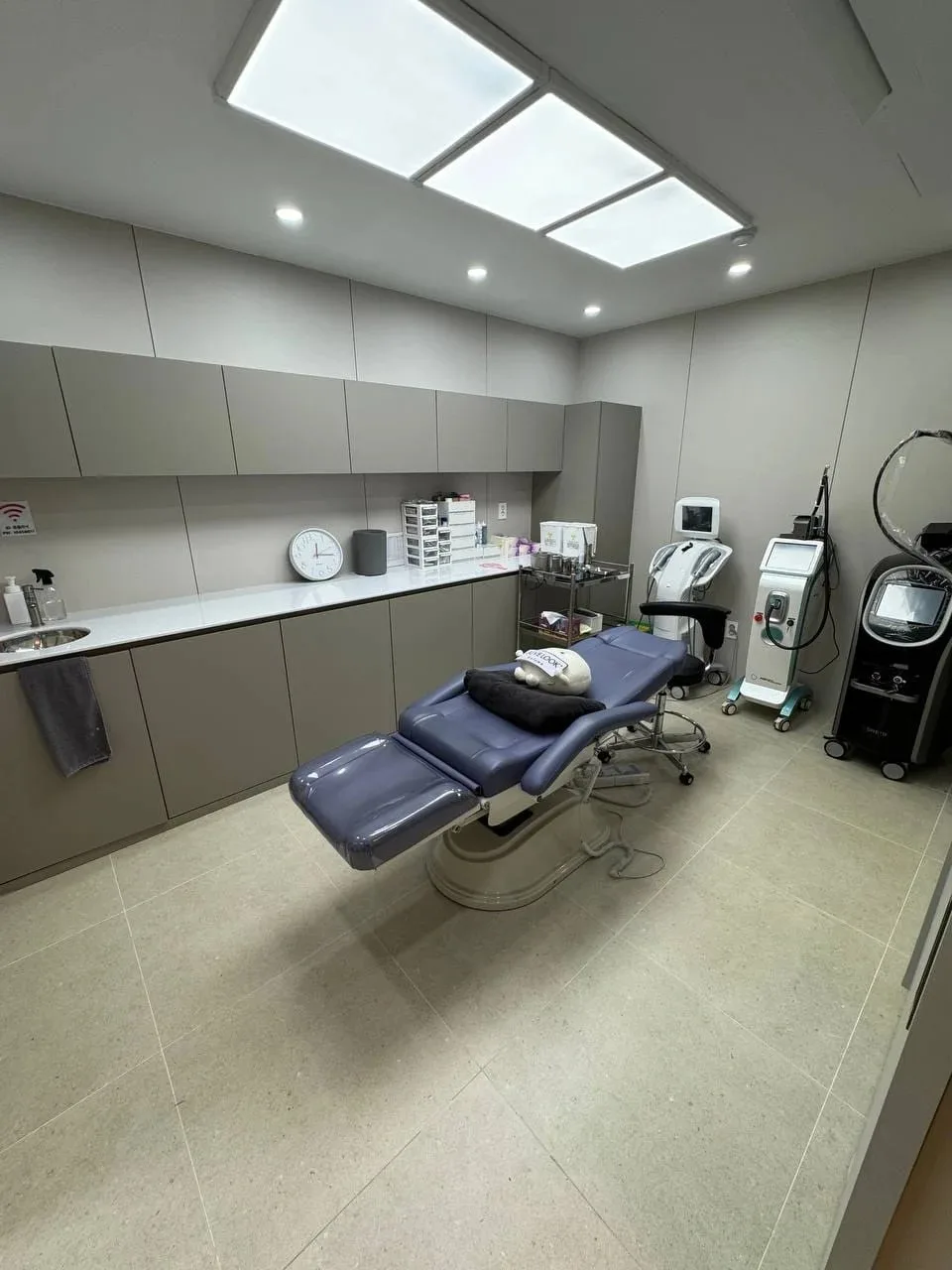
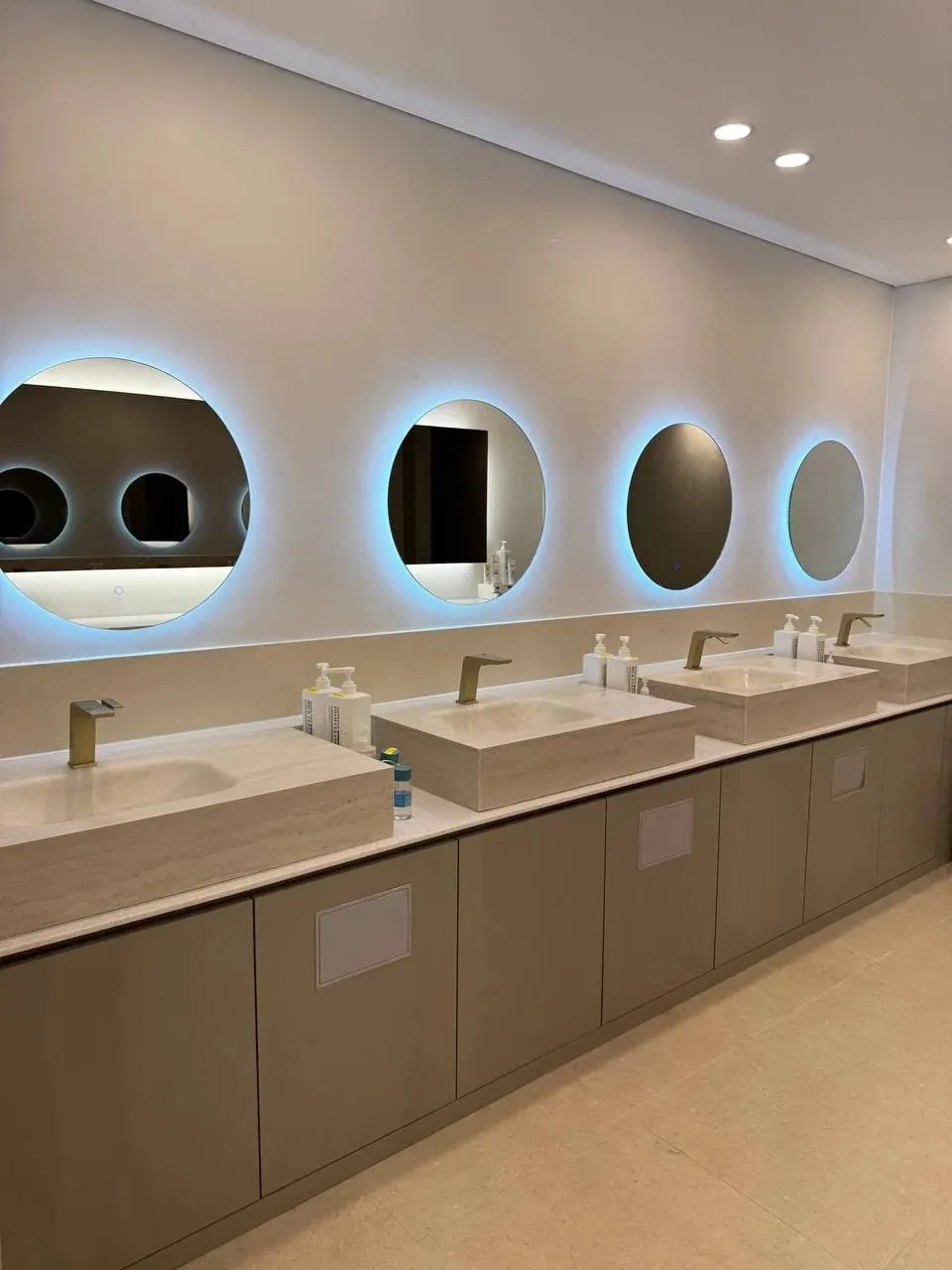
Tune Clinic Apgujeong today: the lobby, waiting areas and treatment rooms where consultations and treatments take place.
Sources
- Society of Cosmetic Chemists of Japan. Development of a Quantitative Method for Evaluation of Skin Radiance and Its Relationship with Skin Surface Topography. J-STAGE 2017. Specular and diffuse reflection, and the role of surface roughness in radiance.
- Skin Research and Technology. Development of a method for evaluating skin dullness. PubMed 2023. Dullness explained by skin color, optical properties and fine surface texture together.
- American Academy of Dermatology. How to safely exfoliate at home. AAD. Exfoliation matched to skin type and current products, and avoiding excess irritation.
- American Society for Dermatologic Surgery Association. Position Statement on Chemical Peels. ASDSA 2024. Peels as controlled injury, patient selection, pigment change, infection and scarring risks.
- DermNet. Fractional laser treatment. DermNet. Microscopic treatment zones, ablative versus nonablative devices, variable recovery.
- Expert panel. Expert recommendations on supportive skin care for non-surgical and surgical procedures. Journal of the European Academy of Dermatology and Venereology 2023. Procedure-specific recovery, cleansing, moisturizing, sun protection, gradual return to skincare.
- Journal of Cutaneous Medicine and Surgery. A Clinician's Guide to Topical Retinoids. PMC 2022. Retinoid mechanism and irritation.
- Skin Research and Technology. Hydradermabrasion through the lens of Line-Field Confocal Optical Coherence Tomography. PMC 2024. Exploratory imaging study, eight volunteers, two-week follow-up.
- Journal of Cosmetic Dermatology. Hydradermabrasion, an innovative modality for nonablative facial rejuvenation. PubMed 2008. Randomized study of 20 women, six sessions with a specific antioxidant serum. Reported reduced pore size after the course.
- US Food and Drug Administration. Product Classification, Brush, Dermabrasion, Powered, GFE. FDA. Class I classification and 510(k) exemption, subject to limitations.
- US National Library of Medicine. Hydrafacial Syndeo device record 00810007533643. AccessGUDID. One specific model variant and its classification context. Not a Korean authorization.
- Hydrafacial. Hydrafacial Device Patents. Manufacturer page. Patent information only. Does not show clinical superiority.
- Reddit r/30PlusSkinCare. Hydrafacial dryness? Discussion thread 2026. Shows that some people ask about dryness and tightness. Not evidence of rates or cause.
- Hydrafacial LLC. Hydrafacial MD Elite Instructions for Use, P/N 1900036-E. Manufacturer 2024. Model-specific contraindications, temporary irritation, single-use tips.
- RealSelf. Does HydraFacial remove whiteheads? Q&A posted 2019; answers added subsequently. Shows the question patients ask. Not a guideline.
- Aesthetic Medicine. Derm Debunks TIK TOK SKINCARE TRENDS. Aesthetic Medicine 2025. Reported trends of heavy exfoliation and layered products.
- Associated Press. Here's what dermatologists are saying about your skin care routine, Keep it simple. AP 2025. Reporting on dermatologists advising simpler routines.
- US Food and Drug Administration. FDA Warns Against Purchasing or Using Chemical Peel Skin Products Without Professional Supervision. MedWatch 2024. Injury warning for unsupervised peels and the US approval-status statement.
- Health Insurance Review and Assessment Service, Korea. Medical-device market-entry guidance, MFDS authorization, certification or notification. HIRA 2024. Korean device pathways and the need to check each product.
- NHS. Anaphylaxis. NHS. Emergency symptoms of a severe allergic reaction that need immediate emergency care.