The moment that makes Seoul feel both accessible and complicated
You can book a reputable Korean aesthetic clinic directly — no broker required: look for a clinic with physician-led consultations, English-language contact channels you can verify yourself (website, WhatsApp, direct booking), transparent pricing published in KRW, and physicians whose names and credentials are public. Brokers add a commission layer whose incentives reward whichever clinic pays them most, not whichever clinic suits your face.
Planning care in Seoul starts with finding a clinic that can explain its assessment, proposed treatment and follow-up in a language you understand.
Then you open a browser and try to plan it. And the recommendations that surface almost immediately involve intermediaries: agencies, brokers, concierge services that offer to navigate the process for you. Book through us, they say, and we will handle the language barrier, the logistics, the uncertainty. We will connect you with the best clinics.
It sounds like a reasonable offer. For patients with no Korean language ability, no existing relationships in Seoul, and a short trip window, the idea of having someone else manage the complexity is genuinely appealing.
If an intermediary helps arrange the visit, ask what it provides, who pays for that service and how it handles questions after treatment.
What does the broker model actually look like?
An intermediary may help with appointments, communication or travel logistics. Payment arrangements differ, so ask whether you pay a separate fee or the clinic pays a commission.
There is no commission rate established by this article. Ask for disclosure of any fee, who pays it and whether it changes the price quoted to you.
Compare the final written quote with the clinic, including the proposed treatment and services. Direct booking may have a different price or scope; do not assume it is always cheaper.
The relevant question is the arrangement for your own booking, not an assumed rate for an entire country or industry.
Why the misalignment runs deeper than price
The price premium is worth knowing. But the more significant problem is a structural misalignment between what the broker needs to be true and what the patient needs to be true.
Commercial relationships can influence which clinics an intermediary presents. Ask how recommendations are selected and whether alternatives outside its partners are included.
A referral relationship does not by itself establish good or poor care. Verify the proposed clinician and care arrangements independently.
Clarify responsibilities before booking: who provides the medical care, who handles appointment logistics and whom to contact for a medical concern. The treating clinic should explain the clinical follow-up route.
Why patients still use them
None of this means that patients who use brokers are making an irrational decision. The practical problem brokers solve is real.
Language is the most immediate barrier. A patient who does not read Korean and cannot communicate directly with clinic staff faces a genuine difficulty that is not solved by simply telling them to "contact the clinic directly." Clinics with strong English-speaking in-house staff solve this; many clinics in high-volume areas do not.
Navigation is the second. Seoul's aesthetic medicine ecosystem is large and not easy to evaluate from the outside. Knowing which neighborhoods matter, which clinic structures are physician-led versus device technician-led, which reputations are based on genuine clinical consistency — this takes time and research that many patients reasonably decide not to do themselves.
The broker fills both gaps. The question is whether the solution is worth what it costs, or whether a better version of the same problem-solving exists.
What a genuinely direct clinic relationship looks like
The alternative to using a broker is not simply going directly to any clinic. It is finding a clinic where the direct relationship solves the same problems the broker was supposed to solve — without the structural misalignment.
The criteria that matter are specific:
Who assesses and treats you? Confirm the names and roles of the clinicians involved. Ask who explains the treatment decision and who performs the procedure.
Pre-trip consultation with the treating physician, not with a coordinator. A meaningful pre-trip consultation means speaking directly with the physician — by video, by detailed written exchange, or through a structure where the physician reviews your history and goals before you arrive. This allows the travel-aware treatment planning that makes a short Seoul trip manageable rather than rushed: knowing what can be done in what sequence, what waiting windows apply, and what to arrange around your flight schedule.
Transparent pricing. Compare the final written KRW total and inclusions directly with the clinic. A direct quote and an intermediary quote may cover different services.
Post-treatment access. The treatment does not end when you leave the building. Swelling resolves over days, results develop over weeks, and questions arise when you are back home and processing what happened. A clinic that provides direct post-treatment access to a physician — a number that someone answers, a channel that goes to someone who knows your case — is structured to follow through. This matters most for international patients precisely because they cannot easily return.
Written safety protocols. This is a proxy for overall clinical discipline. A clinic that has thought carefully enough about what to do if something goes wrong has usually thought carefully about all the other things that come before that. As covered in Standards Before Results in Aesthetic Medicine, the discipline behind the decision-making is visible in the structures a clinic maintains before it is ever tested.
How do you evaluate a clinic without an intermediary?
The practical process of identifying and evaluating clinics directly is not as opaque as it might initially seem.
Physician credentials are verifiable. Korean medical licensing is tracked through the Korean Medical Association. A physician who has published in indexed journals, has hospital or academic affiliations, or is named in clinical literature is findable. This is not due diligence that requires professional help — it requires a search.
English-language communication is testable before your trip. Send a direct email or use the clinic's contact form. The quality of the response — whether it comes from a physician, a trained coordinator who understands clinical questions, or a front-desk staff member reading from a script — tells you a great deal about the quality of the communication you will have throughout your care.
Questions worth asking directly:
- Who performs the treatment — the physician who consults, or someone else?
- What is the process if I have a concern after I return home?
- Can I speak with the physician before my visit?
- What is the post-treatment waiting time before I can fly?
The answers to these questions are more informative than any platform review.
Be cautious with social media recommendations. Influencer posts and platform testimonials for Korean clinics frequently involve undisclosed compensation arrangements. The person posting their experience may have received free or discounted treatment in exchange for the content. This does not mean the clinic is bad — it means the recommendation is not independent.
What this looks like in practice
A useful visit starts with clear information about the treating clinician, your goals, travel constraints and the plan for follow-up.
An intermediary can help with logistics, but it should be clear which clinic is responsible for the treatment and how to contact that team.
This is the structure that the Tunemaka-se design method is built around, and it is why international patient care at Tune Clinic begins with a pre-trip physician consultation rather than a booking form. The plan comes first. The schedule follows from it.
The international patients guide covers the practical logistics of visiting as a foreign patient — what to prepare, what the flow looks like, and how post-treatment communication works. If you are planning from the United States or Canada, the US / Canada aesthetic treatment guide gives a more specific orientation to WhatsApp planning, KRW pricing, flight buffers, and no-broker direct contact. For patients who want to understand what distinguishes physician-led aesthetic practice from higher-volume commercial alternatives, How Natural-Looking Change Is Actually Created addresses the clinical reasoning that underlies the difference. And Why Lifting Comparisons Are Misleading covers how the same opacity that makes broker comparisons unreliable also applies to treatment comparisons made without individual anatomical context.
For patients who have already done the reading and are ready to begin a direct conversation, the consult page is the right starting point — not a package booking, but a dialogue. For those who know what they want and are ready to schedule, booking allows you to note travel dates and treatment interests in the same request.
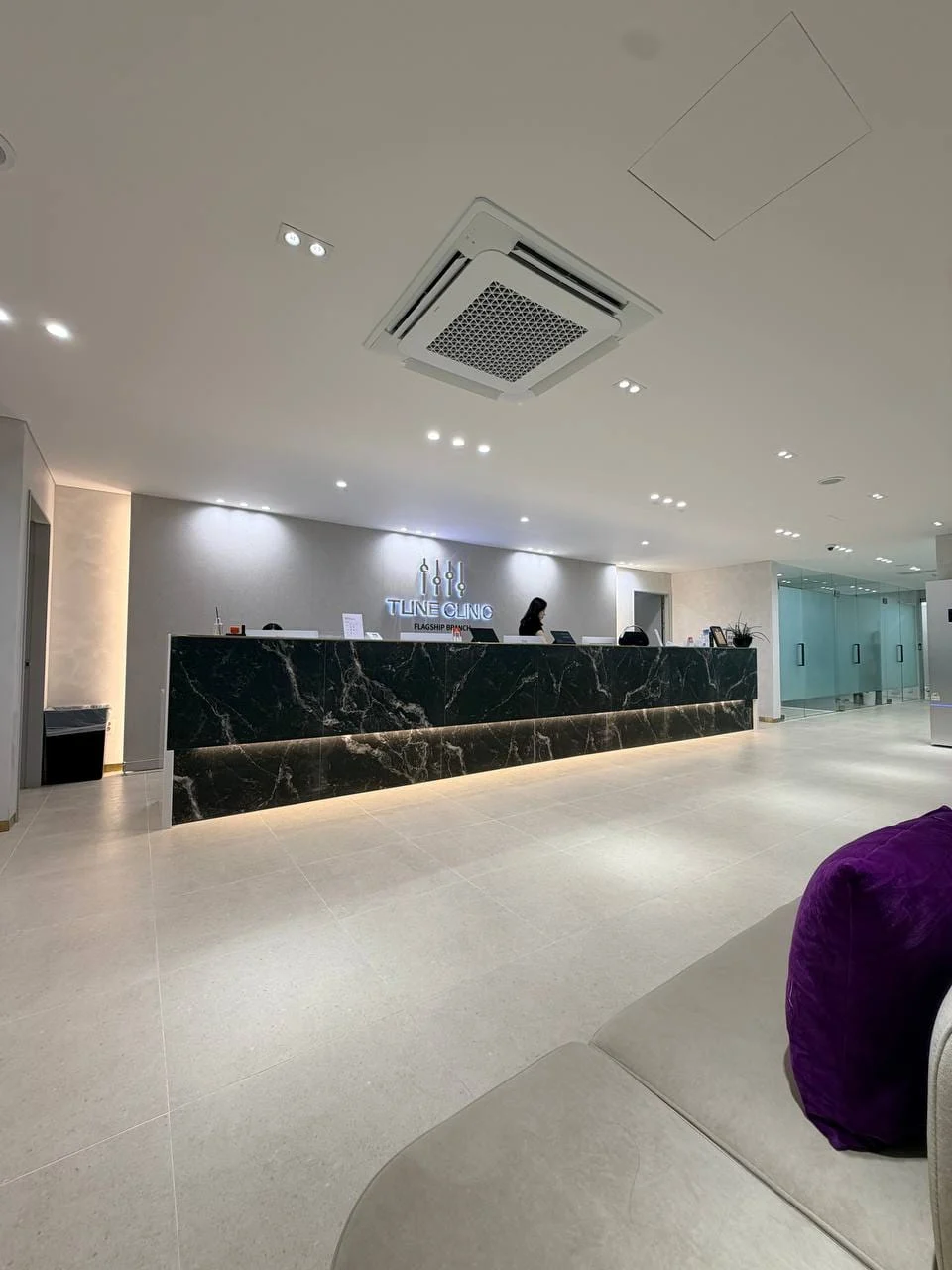
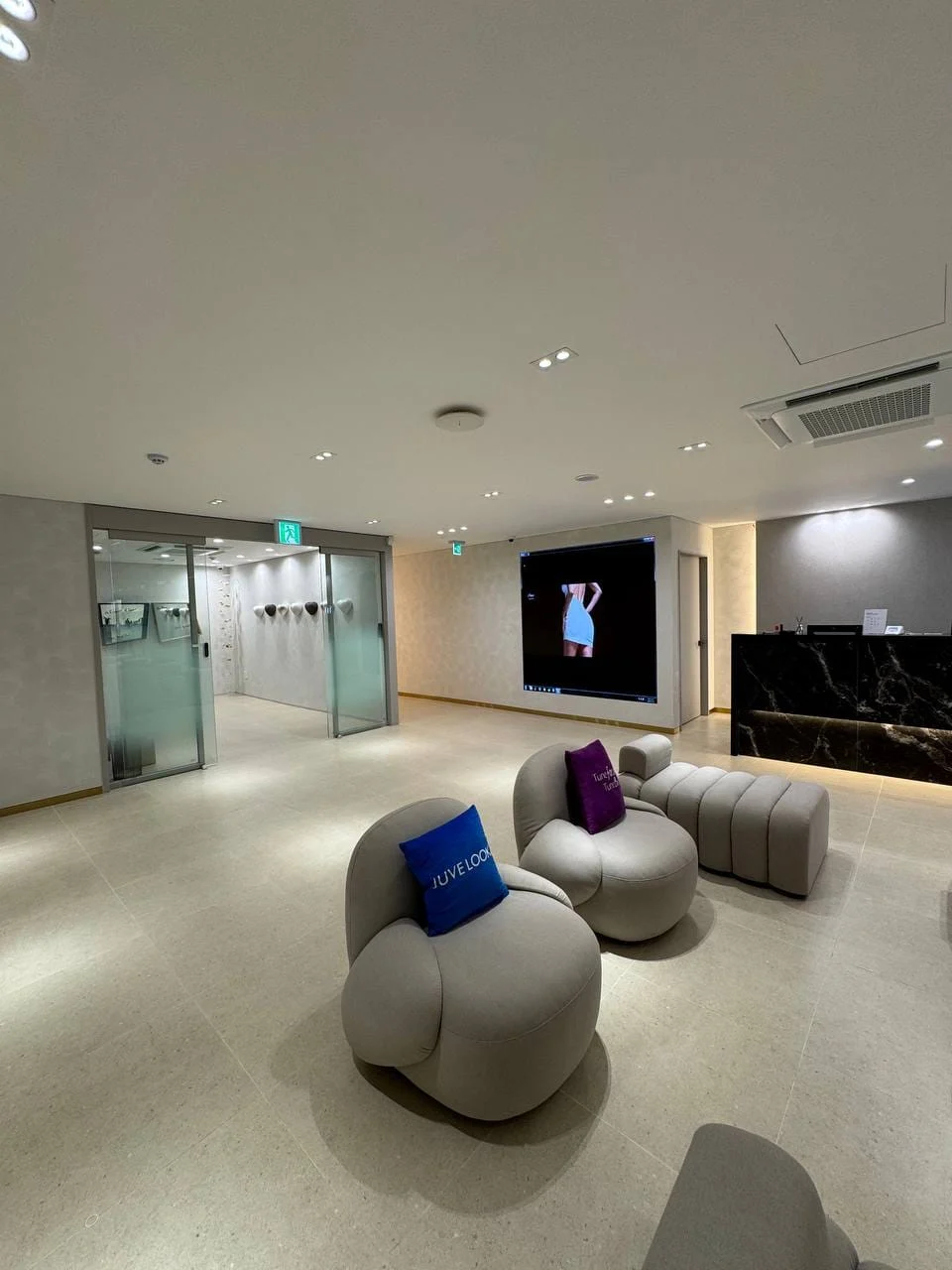
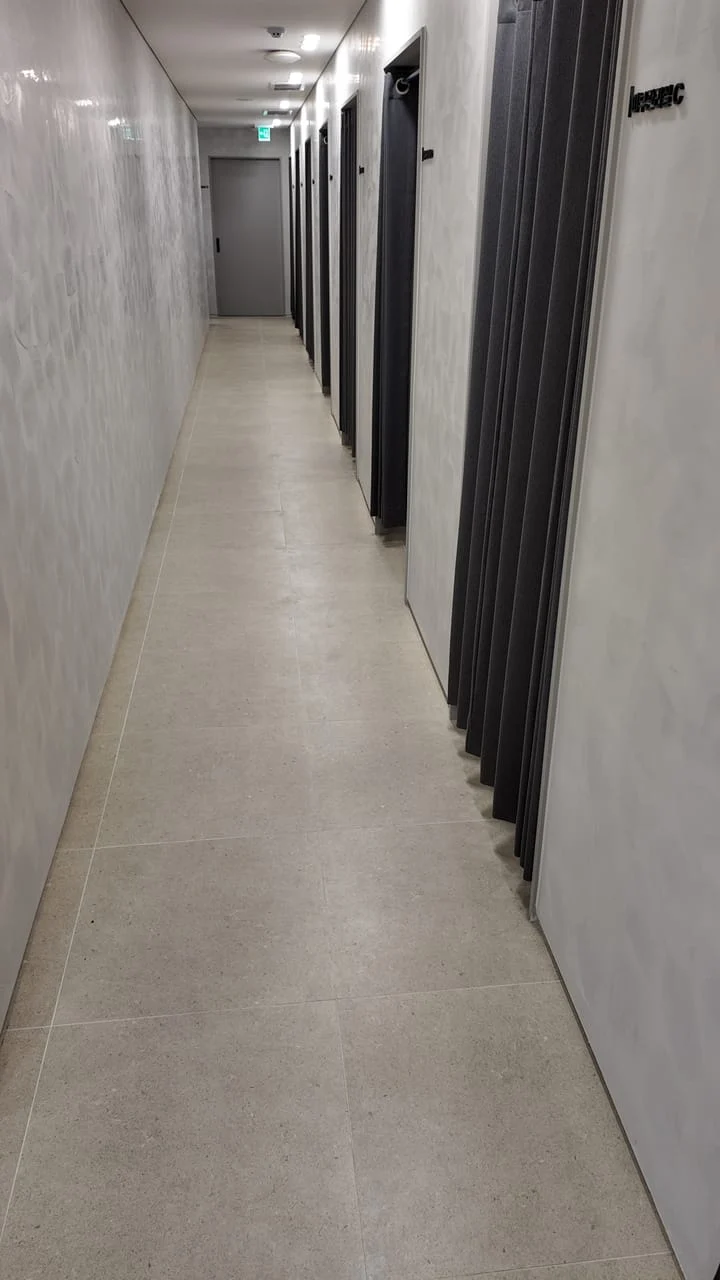
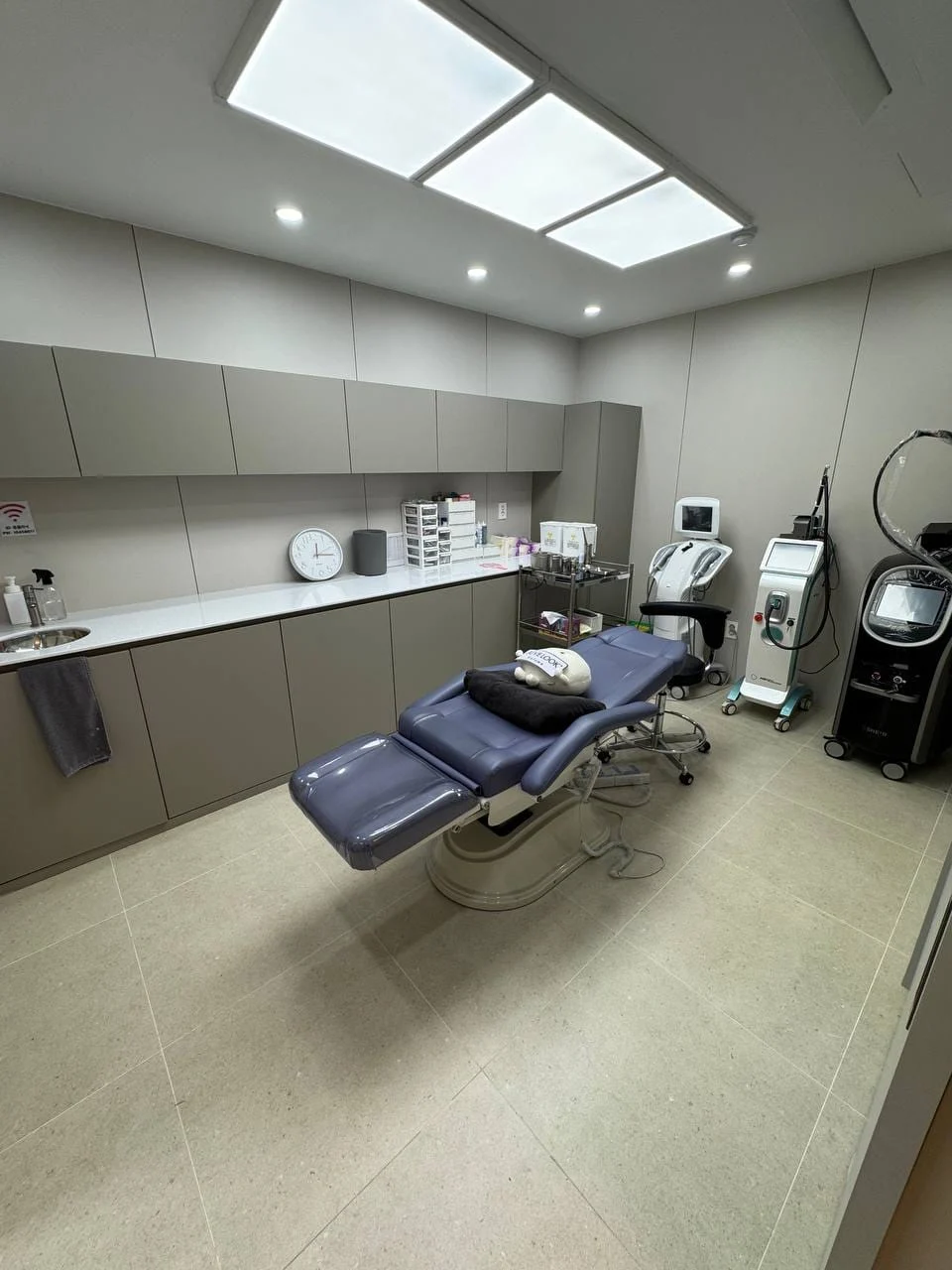
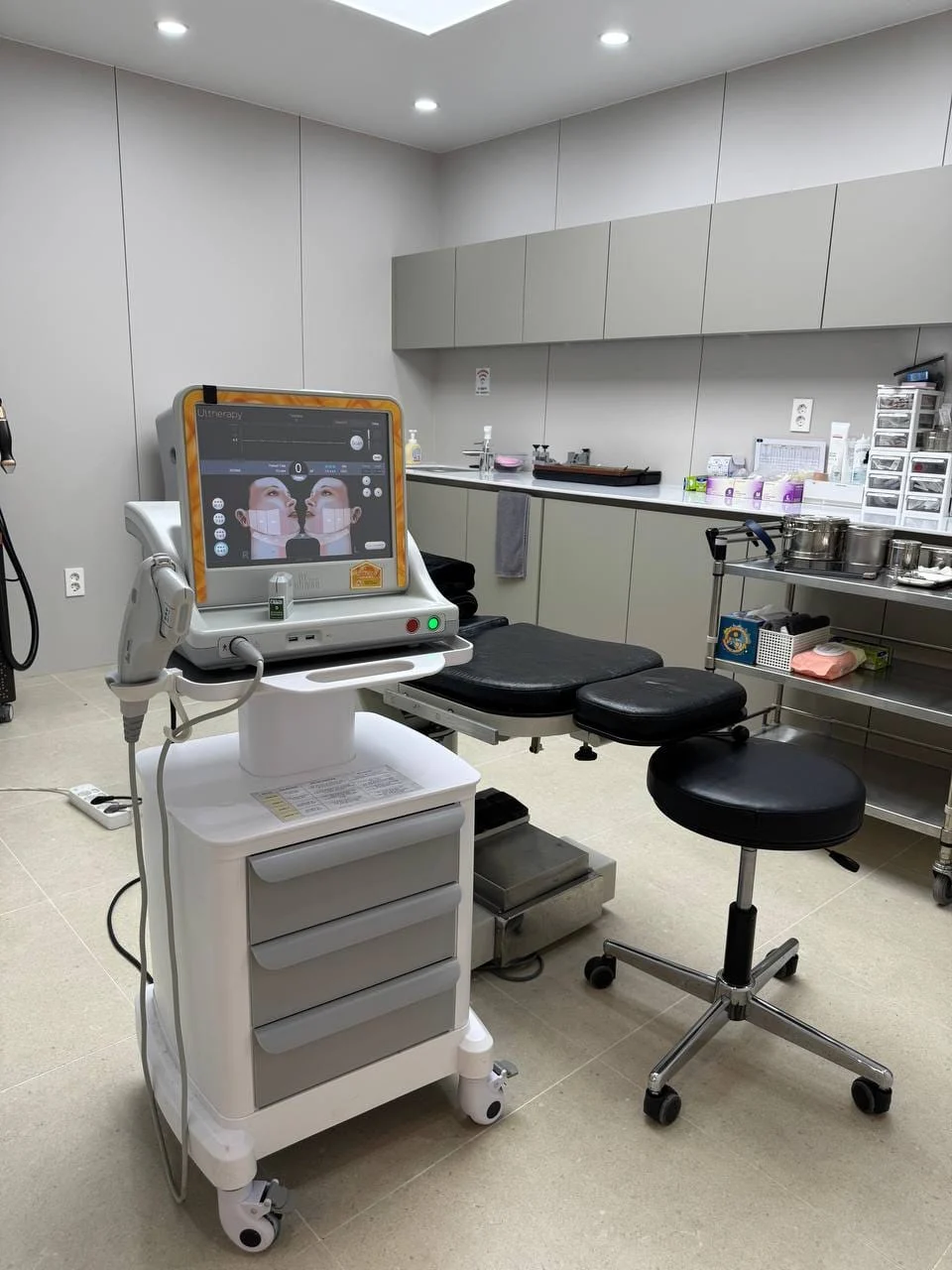
The Apgujeong aesthetic clinic page for foreign patients covers the clinic context and what to expect from the Tune Clinic environment specifically.
Published medical-tourism literature cannot verify a particular broker or clinic. Confirm the treating physician, clinic address, final KRW price and aftercare contact with the clinic itself.
FAQ
Is it cheaper to book a Korean clinic directly instead of through an agency?
Direct booking is not automatically cheaper. Compare the written KRW total and inclusions, and ask whether any intermediary fee or commission affects the quote.
How do I contact a Korean aesthetic clinic directly without a middleman?
Most physician-led clinics in Apgujeong and Gangnam can be reached through their own contact form, email, or a messaging channel such as WhatsApp, and the quality of the reply tells you a great deal about the care you will receive. Whether the response comes from a physician, a trained coordinator who understands clinical questions, or a script-reading front desk is itself a useful screening signal before you commit.
Are influencer recommendations for Korean clinics trustworthy?
A recommendation may involve a commercial relationship. Ask about disclosure and verify the clinician, treatment scope and follow-up yourself instead of treating a post as independent clinical advice.
What questions should I ask a Korean clinic before booking from overseas?
Useful questions to ask directly include who actually performs the treatment, whether you can speak with the treating physician before your visit, what the process is if a concern arises after you return home, and how long you must wait after treatment before flying. The answers to these are generally more informative than any platform review, and a clinic structured around direct care will answer them plainly.
How can I verify a Korean physician's credentials myself?
Ask for the physician’s name and qualifications and confirm which official source can verify licensure. Journal publications or hospital affiliations do not by themselves establish a current licence.
This article is for educational and informational purposes. It does not constitute endorsement of specific services or criticism of any individual clinic or agency. The considerations described reflect our clinical perspective on how direct physician relationships serve patient care. All treatment decisions should be made through direct consultation with a licensed physician.
Ready to plan your treatment?
Tune Clinic Apgujeong offers English-language consultations with Dr. Ju and Dr. Cha — a structured assessment, not a sales call.
→ Message us on WhatsApp to ask in English before you commit.
→ Book an appointment to pick a time that fits your Seoul itinerary.