Botox and collagen-stimulating injectables are not interchangeable plans. The useful starting point is whether the concern relates to muscle movement, skin quality, volume or a combination. The exact product and individual assessment determine the proposed approach.
You have probably had this exact moment: a line between your brows shows up in every photo, so you assume it needs "filling," or a client at the front desk mentions a stimulator and you wonder if it also stops the crease from forming. The confusion is reasonable — both are injectables, both are marketed as anti-aging, and both get lumped into the same conversation.
What is the actual difference between Botox and a collagen stimulator?
Botox is used to reduce activity in selected muscles. Products described as collagen stimulators have different formulations and intended uses; ask which product is proposed, what it aims to change and what evidence supports that use.
The mechanism gap explains almost everything else:
- Botox: discuss the muscle, intended change in movement and review plan.
- Collagen-stimulating injectables: discuss the exact formulation, intended skin-quality or volume goal, evidence and timing of assessment.
Neither one substitutes for the other because they are not solving the same problem at the anatomical level.
What solves what — expression lines vs volume loss?
Expression lines, the folds that appear only when you frown, squint, or raise your brows, are caused by repeated muscle contraction — this is what Botox is built for. Volume loss — a hollow cheek, a thinning temple, crepey skin texture — is caused by structural change in the tissue itself, which is what a stimulator addresses.
A line on the forehead that disappears at rest is a movement problem. A hollow under the eye that is there whether you are expressive or still is a structure problem. Treating a static hollow with Botox does nothing for volume, and treating a dynamic crease with a stimulator will not stop the muscle from folding the skin again.
Whether a line appears during movement or remains at rest is useful to discuss. It is not a self-diagnosis or enough information to select an injectable.
Where deeper lines get miscategorized
Some concerns involve more than one feature. A clinician should explain the findings and whether one treatment, a staged plan or no procedure is appropriate. Age alone does not establish that a combination is needed.
Built for different depths — why the tools don't overlap
Placement and technique depend on the exact product and treatment area. Different injectable names do not establish a universal depth rule or show that their risks are interchangeable.
A shared appointment should not be assumed appropriate simply because two products address different goals. Ask about interactions, sequence and follow-up before agreeing to a combination.
Who is not a good candidate, and what neither treatment can do
Neither category is a universal solution for every line, hollow or contour concern. The clinician should explain what a proposed treatment can and cannot address and whether another approach or no procedure is appropriate.
Pregnant or breastfeeding patients, those with active skin infections in the treatment area, or patients with unrealistic expectations about onset speed are typically asked to wait or reconsider. Sometimes the answer, after assessment, is neither — a case for Ultherapy-type lifting instead, or simply monitoring the area over time.
FAQ
Can I get Botox and a collagen stimulator on the same day?
Possibly, but the decision depends on the products, areas, assessment and follow-up plan. Do not assume that different intended uses make same-day treatment appropriate.
How long do collagen stimulator results last compared to Botox?
Duration and maintenance vary by product, treatment area and individual response. Ask which evidence applies to the proposed plan and when response will be reviewed rather than comparing universal month or year estimates.
Will a collagen stimulator fix a wrinkle that only shows up when I smile?
Generally, no — a wrinkle that appears only during movement and disappears at rest is caused by muscle activity, which a collagen stimulator does not address. A neuromodulator like Botox is the more direct match for that type of dynamic line.
Is Juvelook the same thing as filler?
Ask which Juvelook formulation and treatment goal are meant. A simple filler-versus-not-filler label does not explain the formulation, intended use or expected course.
Ready to plan your treatment?
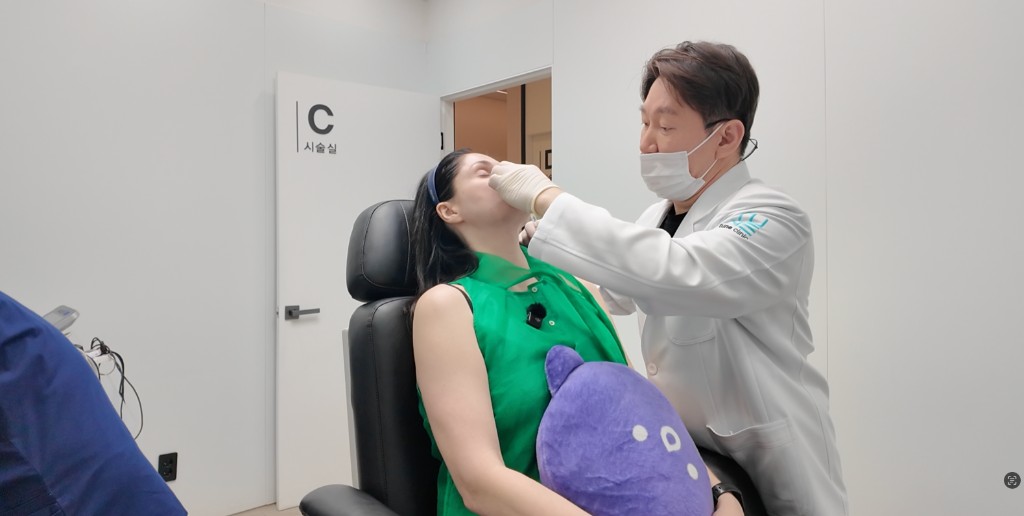
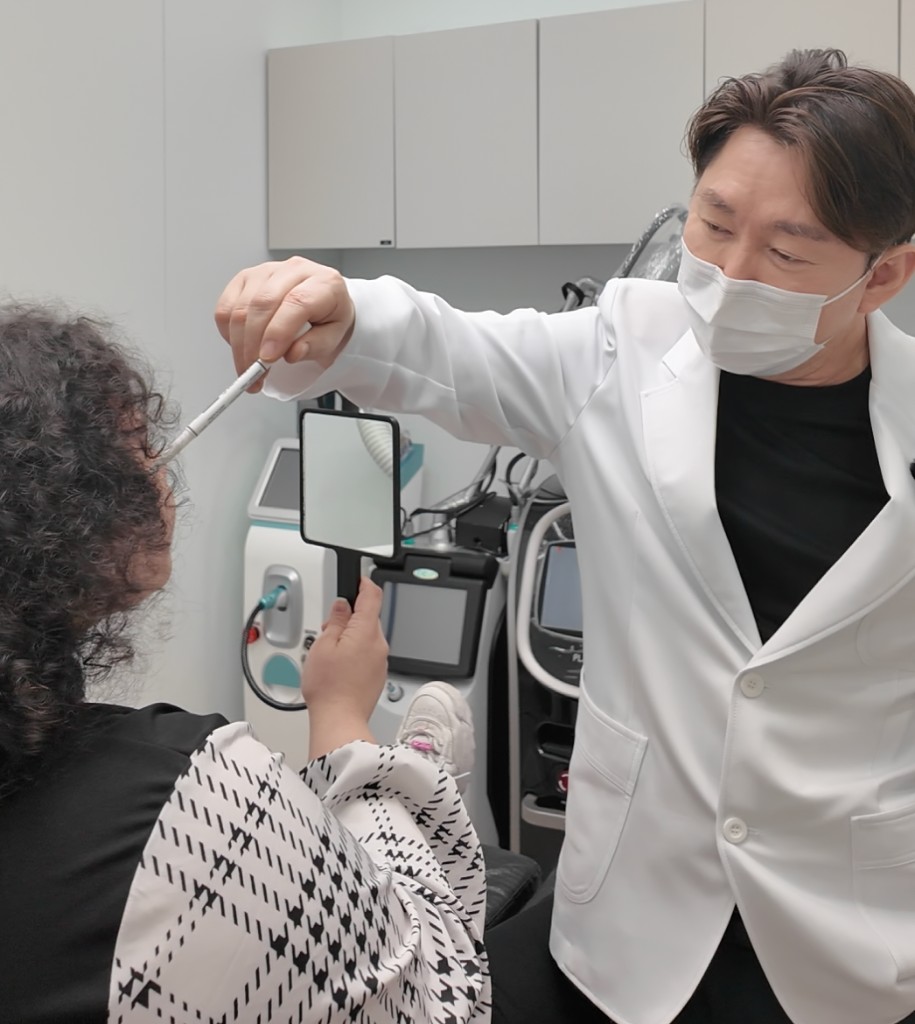
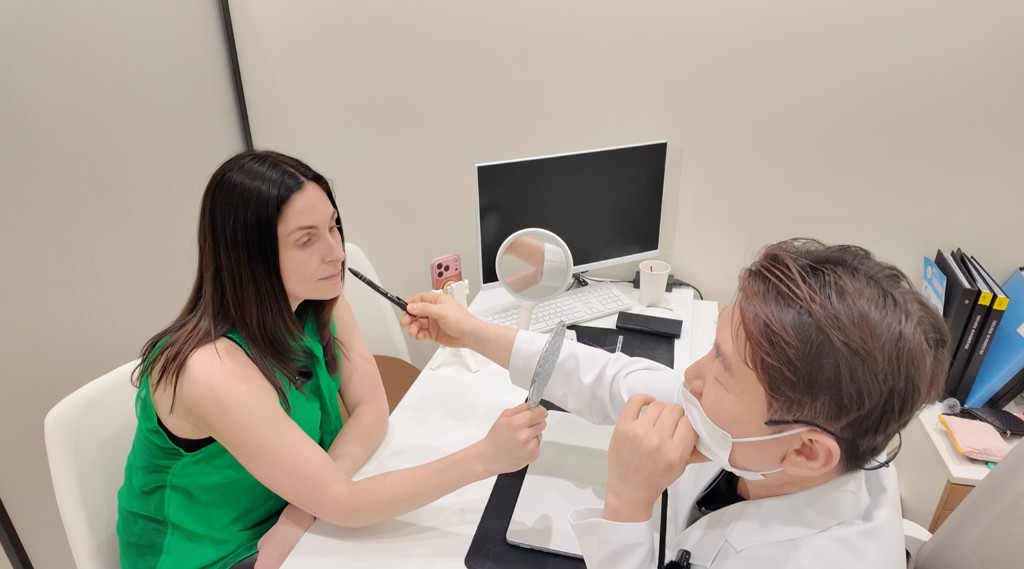
Tune Clinic Apgujeong offers English-language consultations with Dr. Ju and Dr. Cha — a structured assessment, not a sales call.
→ Book an appointment to pick a time that fits your Seoul itinerary.
→ Message us on WhatsApp to ask in English before you commit.