On this page
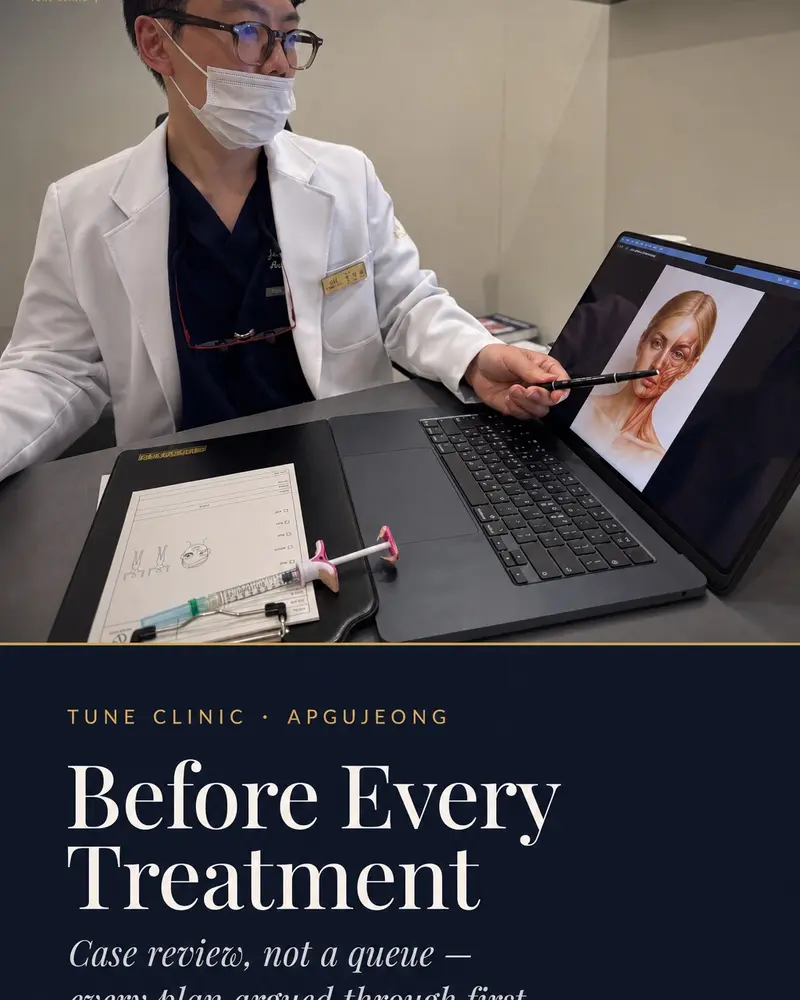

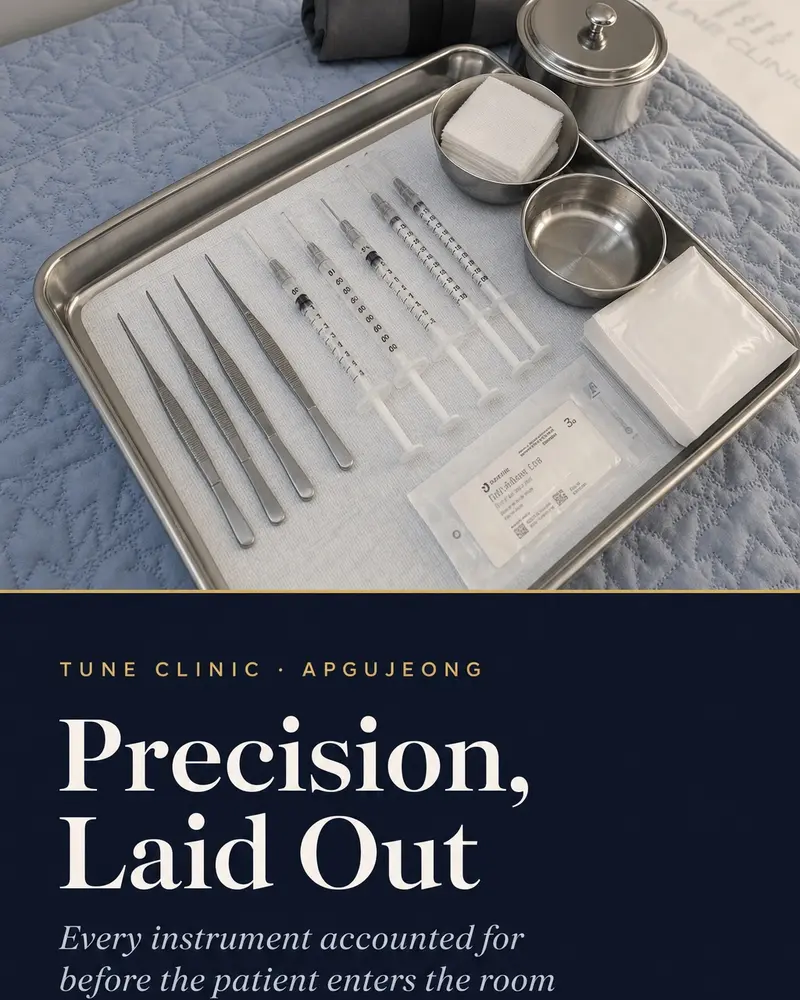


A physician-led aesthetic clinic is one where a doctor reviews and argues through every treatment plan before it happens — dosage, device, and whether treatment is even indicated. A discount-driven clinic is structured around the opposite: price as the main variable, with protocol and judgment compressed to keep volume high. The difference is not tone or décor. It shows up in what gets skipped when a clinic has nothing else to compete on.
You’ve read three reviews and compared four price lists, and you still can’t tell whether a doctor actually looked at your face before quoting a package. That gap — between marketing copy and clinical judgment — is usually invisible until a result doesn’t match what was promised, or a complication needs a doctor who remembers the plan.
How Can You Tell If a Clinic Is Physician-Led?
The clearest sign is what happens before you’re in the treatment chair, not what happens during it. In a physician-led setting, a case goes through review — a doctor looking at your anatomy, history, and goal, and deciding on a plan before you’re offered one.
In practice, this looks like:
- A consultation that changes the recommendation, rather than confirming a package you already selected online
- A written record of dose, depth, and device settings tied to your specific case, not a house-standard template
- A doctor who can explain why a treatment was chosen over an alternative, not just what it costs
If a clinic can’t answer “why this, not that” in the first conversation, the plan likely wasn’t argued through — it was assigned.
What Does Case Review Actually Change?
Case review changes the plan itself, not just who signs the paperwork. When a treatment is discussed between physicians before it’s performed, the questions that surface are different from the ones a sales consultation asks.
For a lifting device, that means asking whether the patient’s skin and soft tissue quality actually support the depth being proposed. For an injectable, it means checking ligament support and tissue laxity before deciding on volume — sometimes concluding that less product, placed differently, is the better answer. For a laser series, it means confirming the skin can tolerate the interval being planned, not defaulting to a standard package because that’s what’s sold.
When a plan has been argued through by two physicians before a patient enters the room, disagreement usually surfaces first in the conversation that almost didn’t happen — not in the treatment record afterward.
This is the same judgment we describe in our approach to facial assessment more broadly — see our design method for how that plays out specifically in filler and volume planning.
Why Do Some Clinics Compete on Price Instead of Protocol?
Clinics compete on price when they have nothing else distinguishing the plan behind the treatment. Protocol — a written standard for dose, depth, and technique, set in advance rather than decided in the room — takes longer to build and is harder to advertise than a discount.
A price-led model tends to standardize the offer instead of the assessment. The same package, the same number of sessions, the same device settings, regardless of who’s on the table. That can work acceptably for low-risk, high-tolerance treatments. It is a poorer fit for anything where individual anatomy changes the plan meaningfully — most injectables, most lifting devices, most combination treatments.
What Physician-Led Does Not Mean
It does not mean more expensive by default, faster results, or zero risk. Physician review adds judgment, not a guarantee. A well-run protocol can still conclude that a patient should wait, use a smaller dose than requested, or skip a treatment entirely — that conclusion is the point, not a failure of the model.
Who Should Weigh This Before Booking?
Anyone considering a treatment with real technique-dependence — filler, thread lifting, energy-based lifting devices, combination protocols — benefits from asking who reviews the plan before committing. For a single, low-variability session like a standard laser toning appointment, the distinction matters less. For anything closer to structural change in the face, it matters considerably more, and it is worth asking directly whether a physician reviewed your specific case or applied a standard package.
FAQ
What does “physician-led” actually mean in a clinic?
Physician-led means a doctor reviews and signs off on each treatment plan — dose, device, and technique — before it is performed, based on that patient’s anatomy and history. It is distinct from a clinic structured mainly around price tiers or standardized packages sold without individualized assessment.
Does a physician-led clinic cost more?
Not necessarily. Physician-led simply means judgment sits earlier in the process — in the assessment and plan — rather than being skipped to preserve margin on a discount. Price varies by treatment and clinic regardless of this model, so cost alone isn’t a reliable indicator.
How do I know if my treatment plan was actually reviewed by a doctor?
Ask directly whether a physician evaluated your specific case, and whether the recommendation could have been different based on what they found. A consultation that only confirms a pre-selected package, without adjusting for your anatomy, suggests review didn’t meaningfully happen.
Can a physician-led clinic still get results wrong?
Yes. Physician review reduces avoidable risk and mismatched treatment choices, but it does not eliminate individual variation in healing, skin quality, or response. What it does provide is a documented rationale for the plan and a doctor accountable for adjusting it if results don’t track as expected.
Ready to plan your treatment?
Tune Clinic Apgujeong offers English-language consultations with Dr. Ju and Dr. Cha — a structured assessment, not a sales call.
→Book an appointmentto pick a time that fits your Seoul itinerary.
→Message us on WhatsAppto ask in English before you commit.