On this page
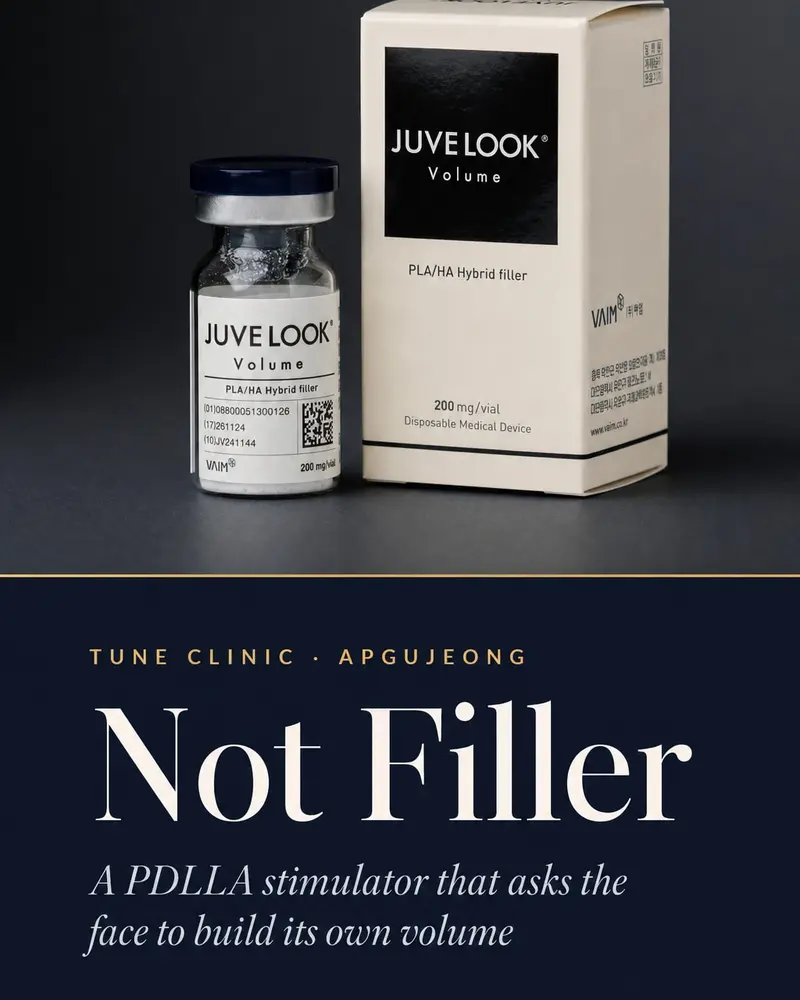
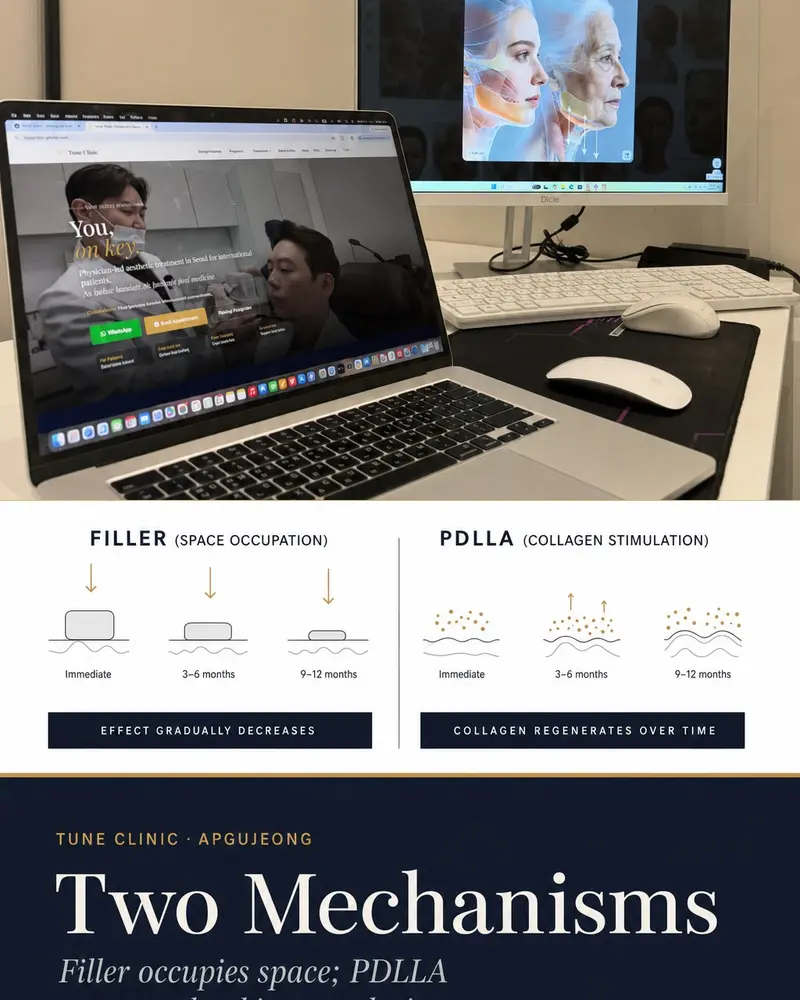
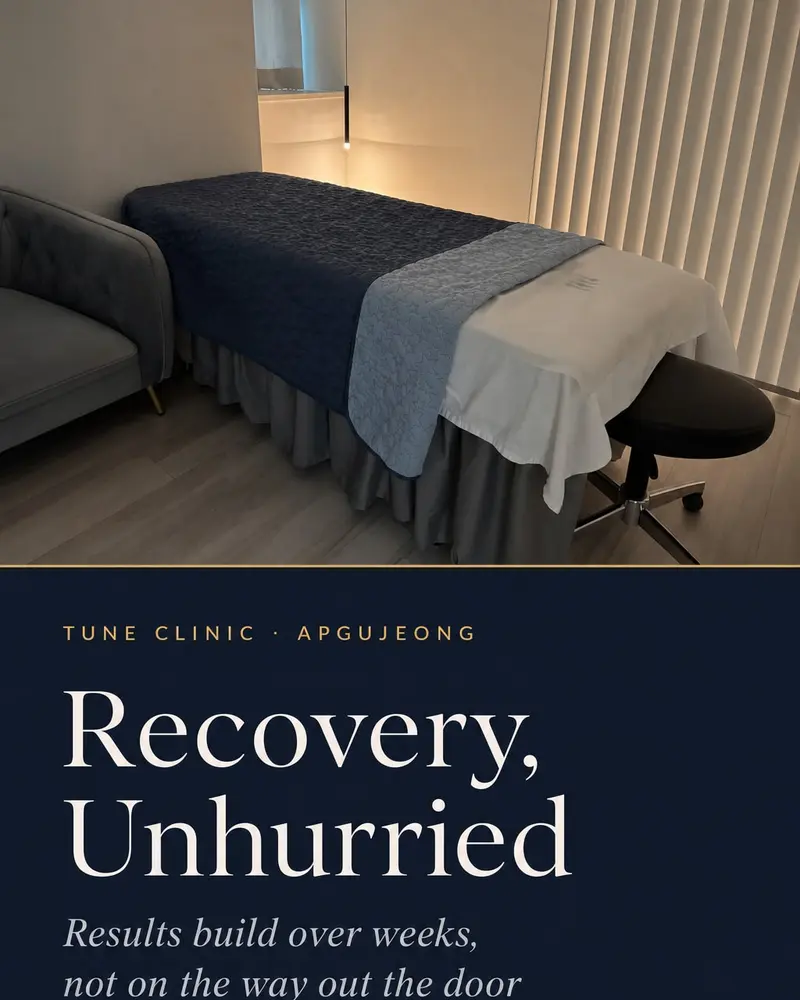
Juvelook Volume is a PDLLA-based (poly-D,L-lactic acid) collagen stimulator, not a hyaluronic acid filler. Instead of occupying space under the skin, it prompts the skin’s own fibroblasts to rebuild a collagen scaffold over several weeks, so the volume you eventually see is tissue the face has manufactured itself.
You have scrolled through enough before-and-after pairs to stop trusting your own eye, trying to guess which cheek was filled and which one simply looks like it did years ago. That uncertainty is actually the goal — when volume is restored well, it should not read as “filled.”
How Is Juvelook Volume Different From Filler?
The difference is mechanism, not marketing. Hyaluronic acid filler is a gel that physically occupies space the moment it is injected — what you see on day one is close to the final result. Juvelook Volume works the opposite way: the PDLLA particles are absorbed gradually while triggering a mild inflammatory response that signals the body to lay down its own collagen.
- Filler — immediate, mechanical, reversible with hyaluronidase
- Juvelook Volume — gradual, biological, not reversible on demand
Neither is inherently superior. Filler suits patients who want a controlled, immediate correction; Juvelook Volume suits patients whose primary concern is skin quality and structural support rebuilding over time, not an instant change. We cover the filler side of this decision in more depth on our filler assessment page.
Why Doesn’t Volume Show Up Right Away?
Because Juvelook Volume works by stimulating collagen synthesis, and that process has a biological timeline the physician cannot shortcut. Most patients notice early skin-quality changes within three to four weeks, with structural volume continuing to build over two to three months. This is why we schedule a course — typically two to three sessions spaced four to six weeks apart — rather than a single visit.
This unhurried pace is also why patients should not expect a photo-ready result on the day of treatment. Mild swelling settles within days, but the collagen response that actually creates volume is still underway. Judging the outcome too early is one of the most common sources of disappointment we see, and it usually resolves once we explain the timeline properly at the follow-up visit.
Where Is Juvelook Volume Injected, and How Is That Decided?
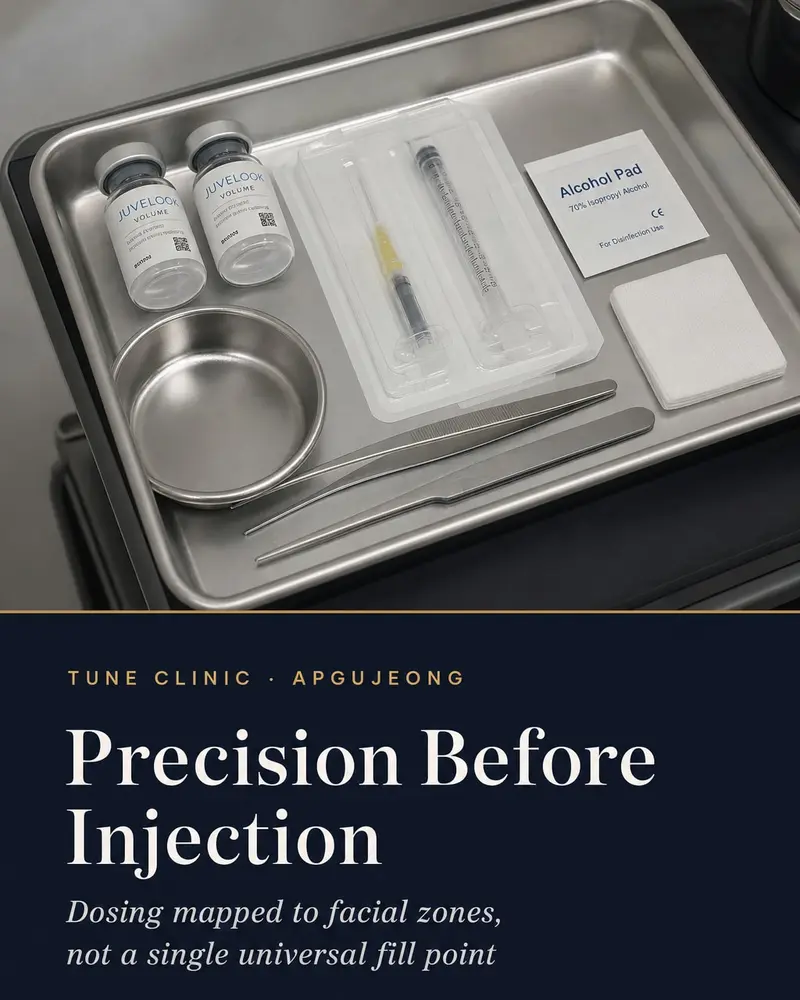
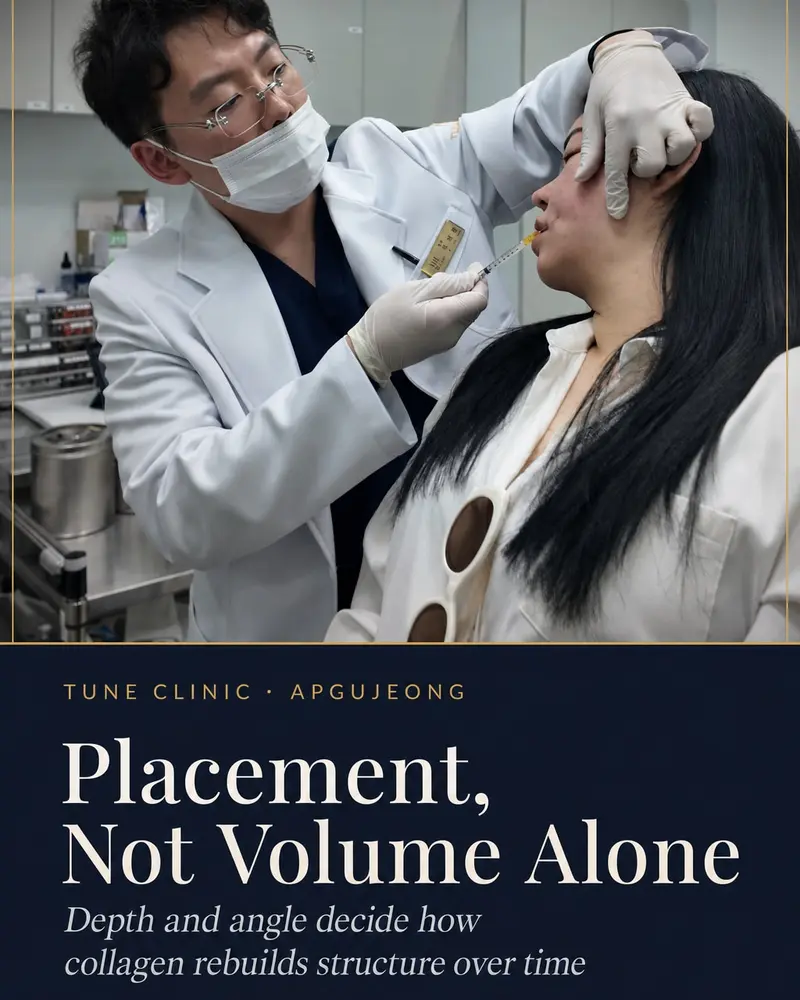
Placement is mapped by facial zone and depth, not delivered as a single universal fill point. Cheek, temple, and jawline tissue each have different thickness, mobility, and ligament support, so the same product placed at the wrong depth or angle will not rebuild structure the way it should.
A physician who treats every zone with the same depth and dose is not doing zone-specific medicine — they are doing volume by habit.
Before any injection, we assess where volume loss is actually structural versus where it is a skin-laxity problem that volume alone will not fix. This assessment logic is the same physician-led framework we describe on our treatment design page — the tool is chosen after the diagnosis, not before it.
Who Should Not Get Juvelook Volume?
Juvelook Volume is not the right choice for patients who need an immediate, precisely controlled correction before an event, since results build gradually over weeks. It is also not a substitute for surgical lifting in patients with significant skin laxity — collagen stimulation improves quality and support, but it cannot reposition tissue that has genuinely descended.
Patients with active skin infections, keloid tendency in the treatment area, or unrealistic expectations about same-day results are typically advised to wait or reconsider. Pregnant or breastfeeding patients are not treated. As with any injectable, individual results depend on skin thickness, age-related collagen reserve, and how the tissue responds to the stimulation process — which is exactly why assessment comes before any recommendation, not after.
FAQ
Is Juvelook Volume the same as regular Juvelook?
No. Juvelook Volume is formulated for deeper structural support in areas like cheeks and temples, while Juvelook Skin is a more superficial formulation aimed at tone and texture. Both use the same PDLLA collagen-stimulating mechanism, but particle size and injection depth differ by design intent.
How long does Juvelook Volume last?
In most patients, the collagen support built by Juvelook Volume is visible for roughly twelve to eighteen months, though this varies with age, skin quality, and metabolic rate. Because the effect is biological rather than mechanical, individual longevity is harder to predict precisely than with filler.
Does Juvelook Volume hurt more than filler?
Discomfort is generally comparable to filler injection, and topical numbing is used beforehand. Some patients report mild pressure or a dull ache during the stimulation phase in the days following treatment, which is a normal part of the collagen-building response rather than a complication.
Can Juvelook Volume be combined with filler?
Yes, in appropriate cases. Some patients use filler for an area needing immediate correction while using Juvelook Volume elsewhere to rebuild support gradually, though this combination should be planned by the physician rather than requested as a default package.
Ready to plan your treatment?
Tune Clinic Apgujeong offers English-language consultations with Dr. Ju and Dr. Cha — a structured assessment, not a sales call.
→Book an appointmentto pick a time that fits your Seoul itinerary.
→Message us on WhatsAppto ask in English before you commit.