On this page
Exosome therapy is a regenerative treatment that delivers cell-signaling particles — tiny lipid-bound packets released by cells — into the skin to prompt the skin’s own repair processes, rather than adding volume or resurfacing the surface. It does not replace collagen stimulators or lifting devices; it works alongside them, and its results depend heavily on delivery depth and on what the skin is capable of responding to at the time of treatment.
You have probably screenshotted more than one exosome vial on someone else’s feed this month, each claiming to be different, each priced differently, and you still could not explain what separates them. That gap between marketing language and mechanism is exactly where most confusion about this treatment lives.
What Is Actually Inside An Exosome Vial?
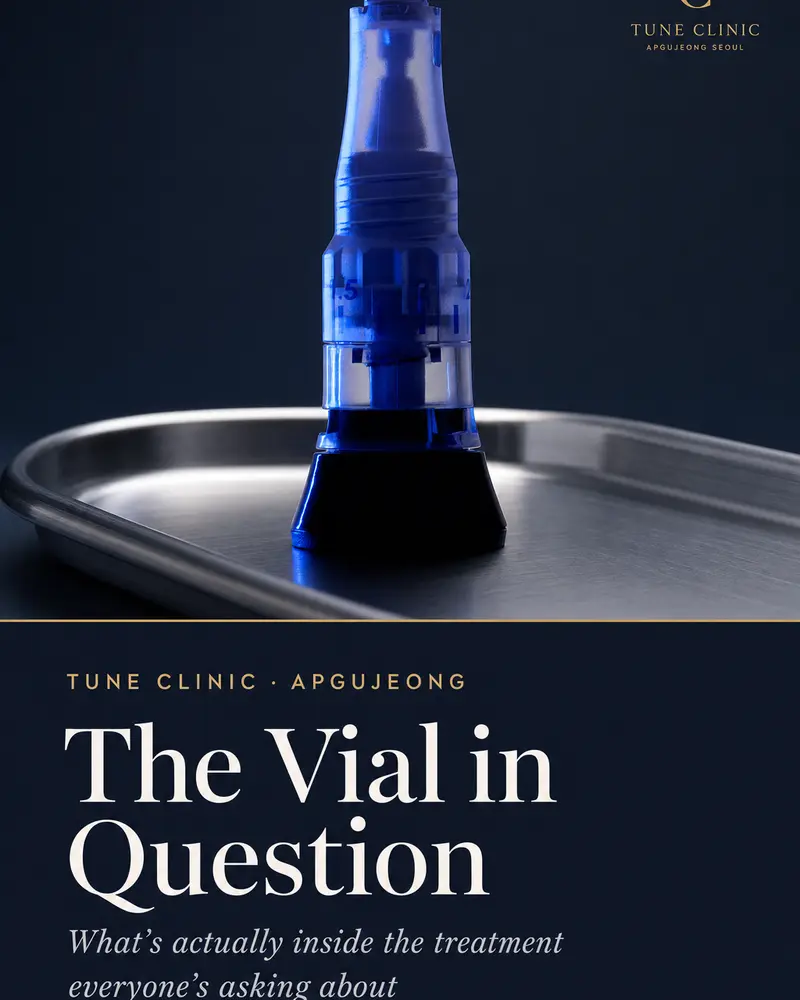
Most exosome products used in clinical settings contain purified extracellular vesicles — small particles derived from cell cultures — carrying proteins, growth factors, and signaling molecules, suspended in a stabilizing solution. They are not a drug in the traditional sense and they are not filler; there is no hyaluronic acid scaffold and no volumizing effect.
What matters clinically is concentration, purity, and sourcing consistency, since these vary meaningfully between manufacturers. In our clinic, we select formulations based on documented processing standards rather than marketing claims, because the vial itself does very little without the right delivery.
How Do Exosomes Actually Rebuild Skin?
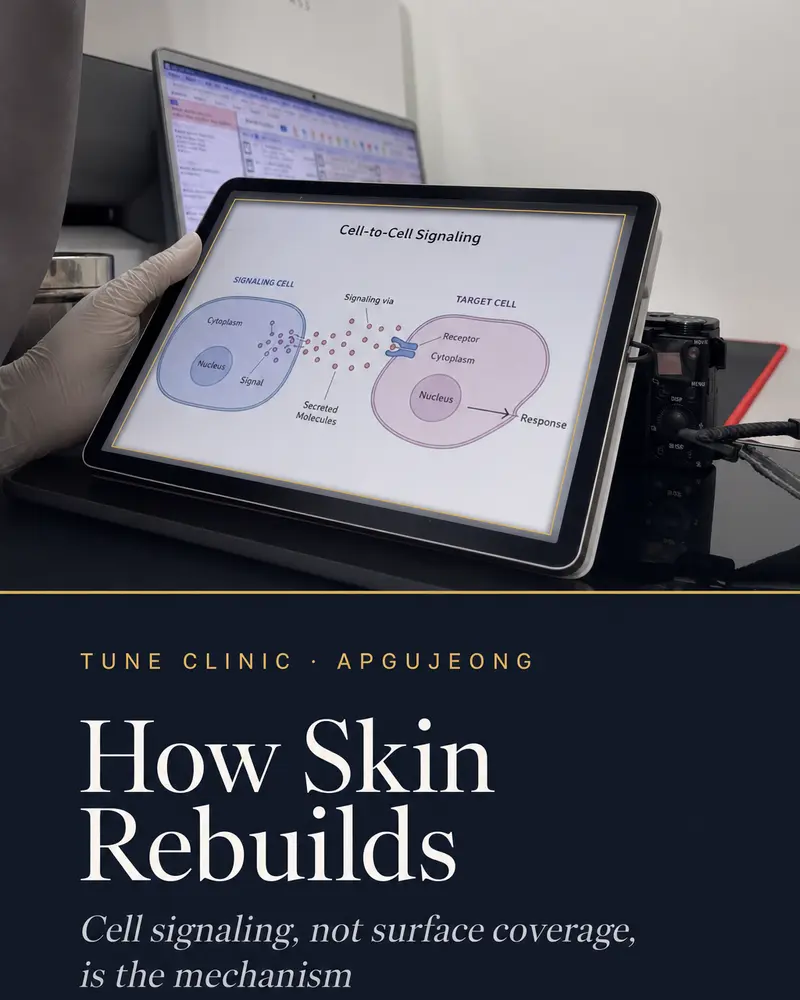
Exosomes work by signaling — instructing existing skin cells to upregulate their own repair activity, rather than physically covering or filling anything. This is a mechanism difference that matters: the change happens over weeks, driven by the skin’s own fibroblasts, not by an immediate visible effect.
This is different from how patients often describe wanting a treatment to work. There is no instant plumping, no immediate glow that appears the next morning in most patients. What we see instead, typically over four to eight weeks, is a gradual improvement in tone evenness, fine textural quality, and in some cases post-procedure recovery speed when exosomes are layered after other treatments like laser or microneedling.
A signal is only useful if the tissue receiving it is capable of responding — which is why we spend more time assessing skin condition before treatment than most patients expect.
Why Does Delivery Depth Matter So Much?
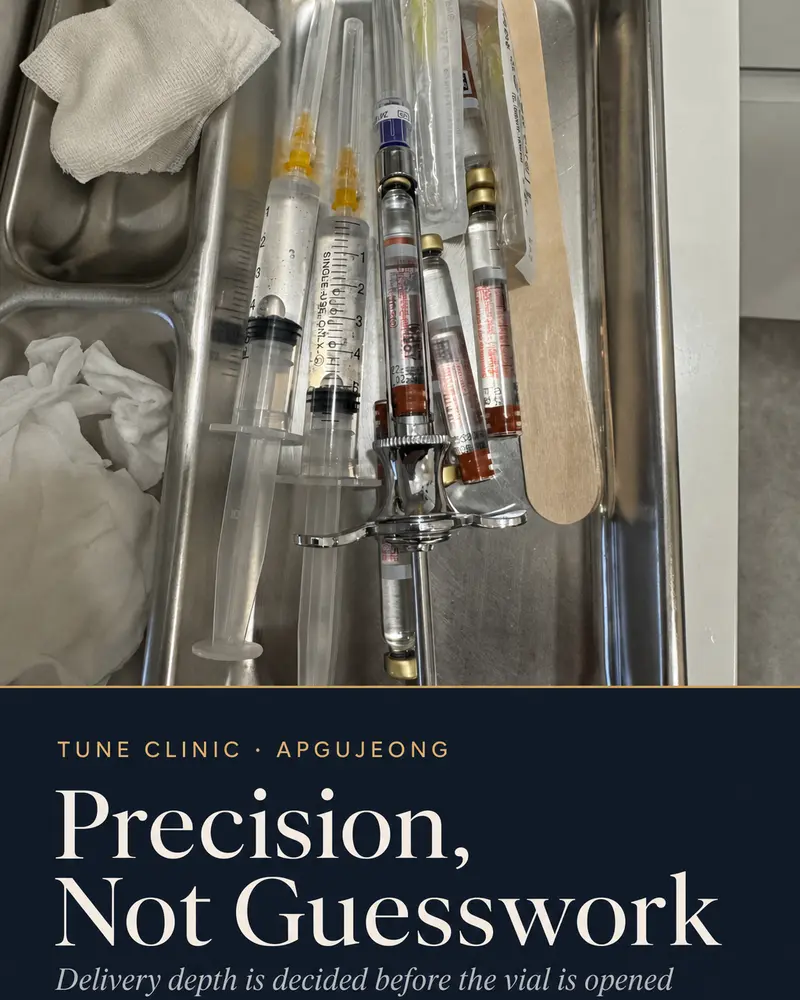
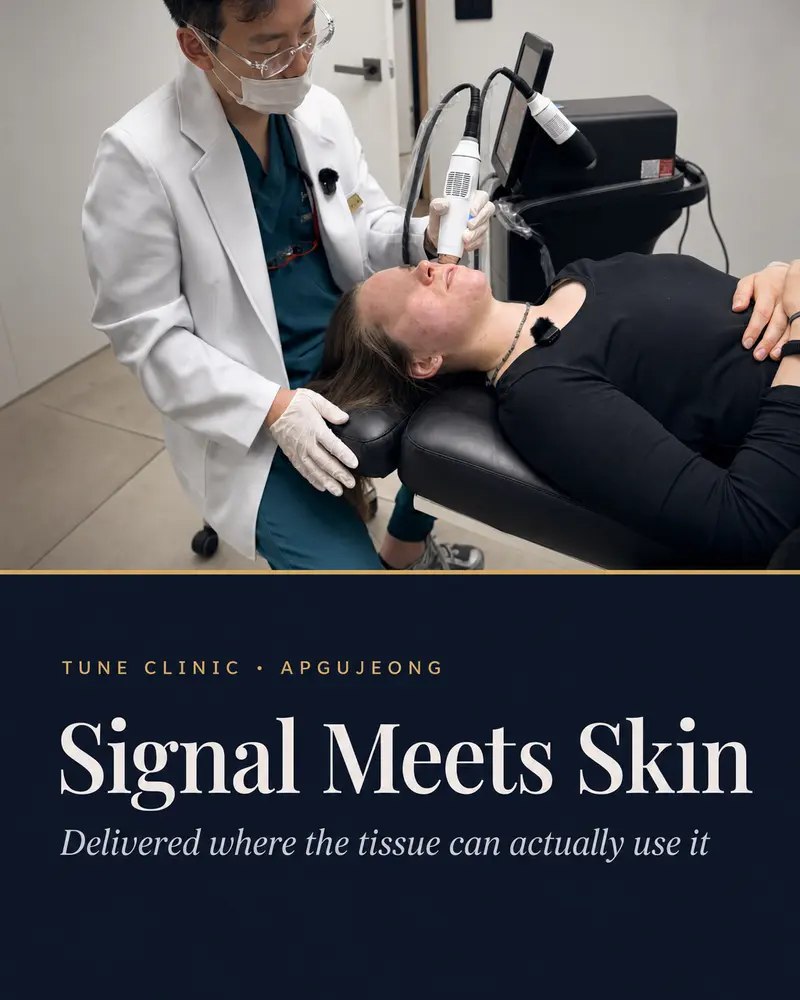
Delivery depth determines whether exosomes reach the tissue layer where they can actually be used, and getting this wrong is the most common reason a treatment underperforms. Exosomes delivered too superficially sit on skin that cannot absorb them meaningfully; delivered too deep without a clear purpose, they may be metabolized before doing useful work.
In our protocol, depth and method are decided before the vial is even opened, based on:
- The specific concern being treated — post-laser redness, textural dullness, or barrier fragility each call for a different depth
- Skin thickness and current barrier status
- Whether exosomes are being layered with microneedling, a fractional laser, or delivered on their own
This is also why we do not treat exosome therapy as a single standardized protocol. A patient recovering from an aggressive resurfacing session needs a different delivery approach than one seeking general tone improvement with no recent procedures.
Who Should Not Get Exosome Therapy?
Exosome therapy is not appropriate for patients with active skin infection, unhealed wounds, or a known allergy to any component of the specific formulation being used, and it is not a substitute for structural treatments like volumizers or lifting devices. Patients expecting an immediate, dramatic change are also not well suited to this treatment, since the mechanism is gradual by design.
Sometimes the honest answer is that exosome therapy is not the right next step at all — a patient’s skin may need barrier repair with Rejuran, a polynucleotide-based repair injectable, before it is ready to respond to a signaling treatment, or may need a collagen stimulator like Juvelook Skin for a concern that exosomes alone will not meaningfully move. Assessment comes before recommendation, not after.
FAQ
What is exosome therapy used for in skin treatment?
Exosome therapy is typically used to support tone evenness, textural quality, and post-procedure recovery by signaling skin cells to increase their own repair activity. It is often layered after laser or microneedling sessions rather than used as a standalone volumizing or resurfacing treatment.
How long do exosome therapy results last?
Results from exosome therapy build gradually, typically becoming visible over four to eight weeks, and the improvement in skin quality is generally maintained with periodic sessions rather than being permanent. Duration varies by individual skin condition, which is why session planning is discussed at consultation rather than promised upfront.
Is exosome therapy the same as PRP or stem cell treatment?
No — exosome therapy uses cell-derived signaling particles rather than a patient’s own blood plasma (PRP) or live cells. Exosomes carry signaling molecules without containing whole cells, which is a distinct mechanism from both PRP and stem cell-based approaches.
Does exosome therapy hurt or require downtime?
Most patients experience mild redness or pinpoint marks at injection or microneedling sites, generally resolving within a day or two. Discomfort is typically comparable to microneedling alone, and exosome therapy does not usually add meaningful downtime beyond whatever delivery method is used to administer it.
Can exosome therapy be combined with other treatments?
Yes — exosome therapy is frequently combined with microneedling, fractional lasers, or used after energy-based treatments to support recovery, though the sequencing and depth are adjusted based on what the skin has just undergone. This is decided case by case rather than applied as a fixed package.
Ready to plan your treatment?
Tune Clinic Apgujeong offers English-language consultations with Dr. Ju and Dr. Cha — a structured assessment, not a sales call.
→Book an appointmentto pick a time that fits your Seoul itinerary.
→Message us on WhatsAppto ask in English before you commit.